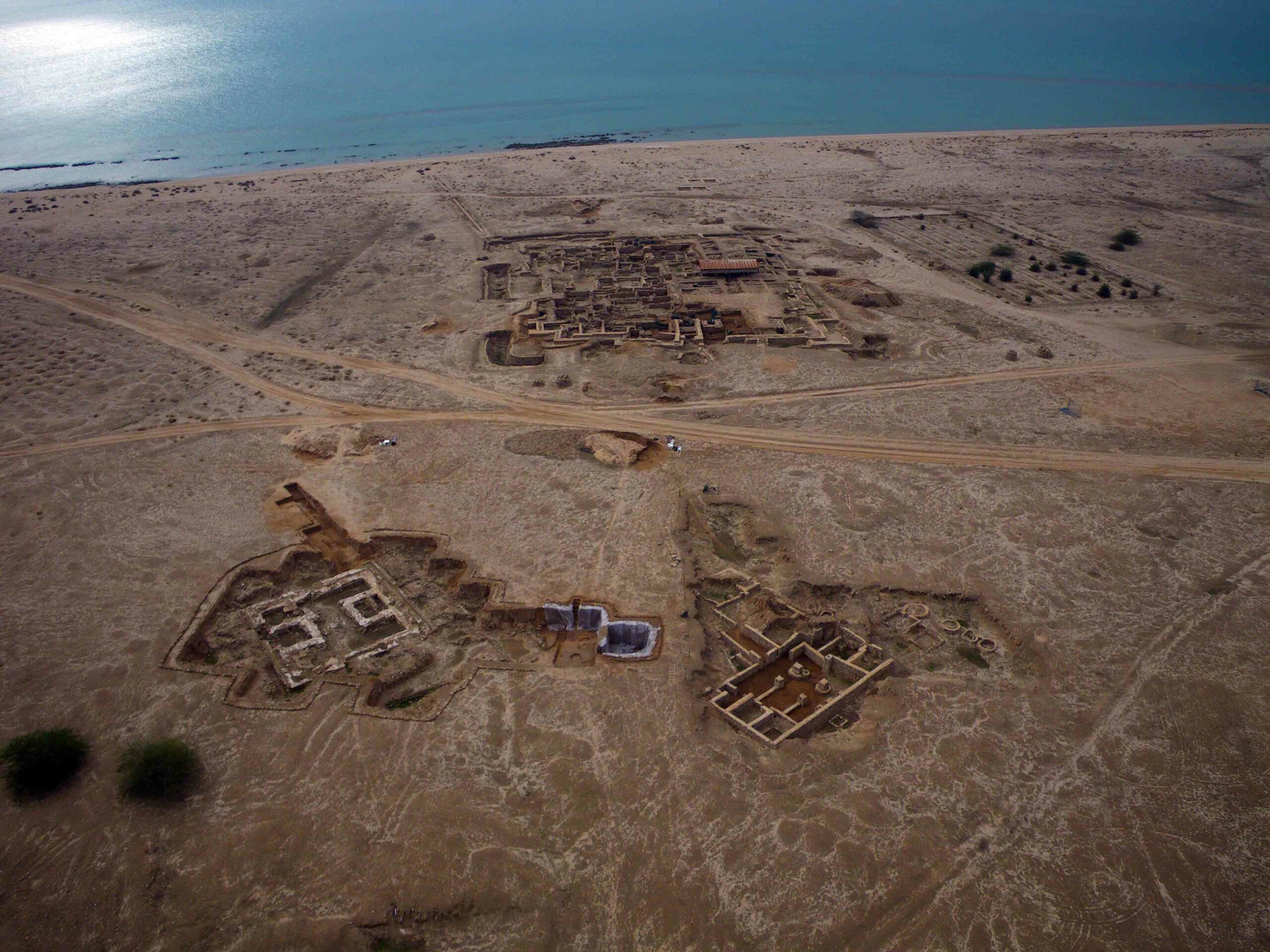

NOVATO, CALIFORNIA—A construction project has prompted the excavation of a Mikwok Indian food-processing site near the waters of San Pablo Bay. In addition to arrowheads, parts of grinding bowls, and stone tools, archaeologists from the Sacramento State Archaeological Research Center and Caltrans have uncovered shell middens containing mussel and oyster shells. “This area probably would have been surrounded by brackish or saltwater marshes. There was also a freshwater creek nearby,” said Mark Basgall of California State University, Sacramento. He estimates that most of the artifacts at the site are about 1,000 years old, but the site was occupied as long as 3,000 years ago.
Ancient Coast Miwok Site Excavated
News May 21, 2013
Recommended Articles
Off the Grid September/October 2026
Xunantunich, Belize
Learning to draw monkeys at an ancient Maya art academy
Letter from Ireland September/October 2026
A War Between Friends
How IRA volunteers survived the Irish Civil War in a secret mountain hideout
Features September/October 2026
A Change in Fashion
Hoards of lavish gold and silver neck rings buried on an English hill reflect dramatic social change
Features September/October 2026
Cultivating Fields of Stone
Peru’s ancient farmers used intricate rock maps to plan for the future
-
Features March/April 2013
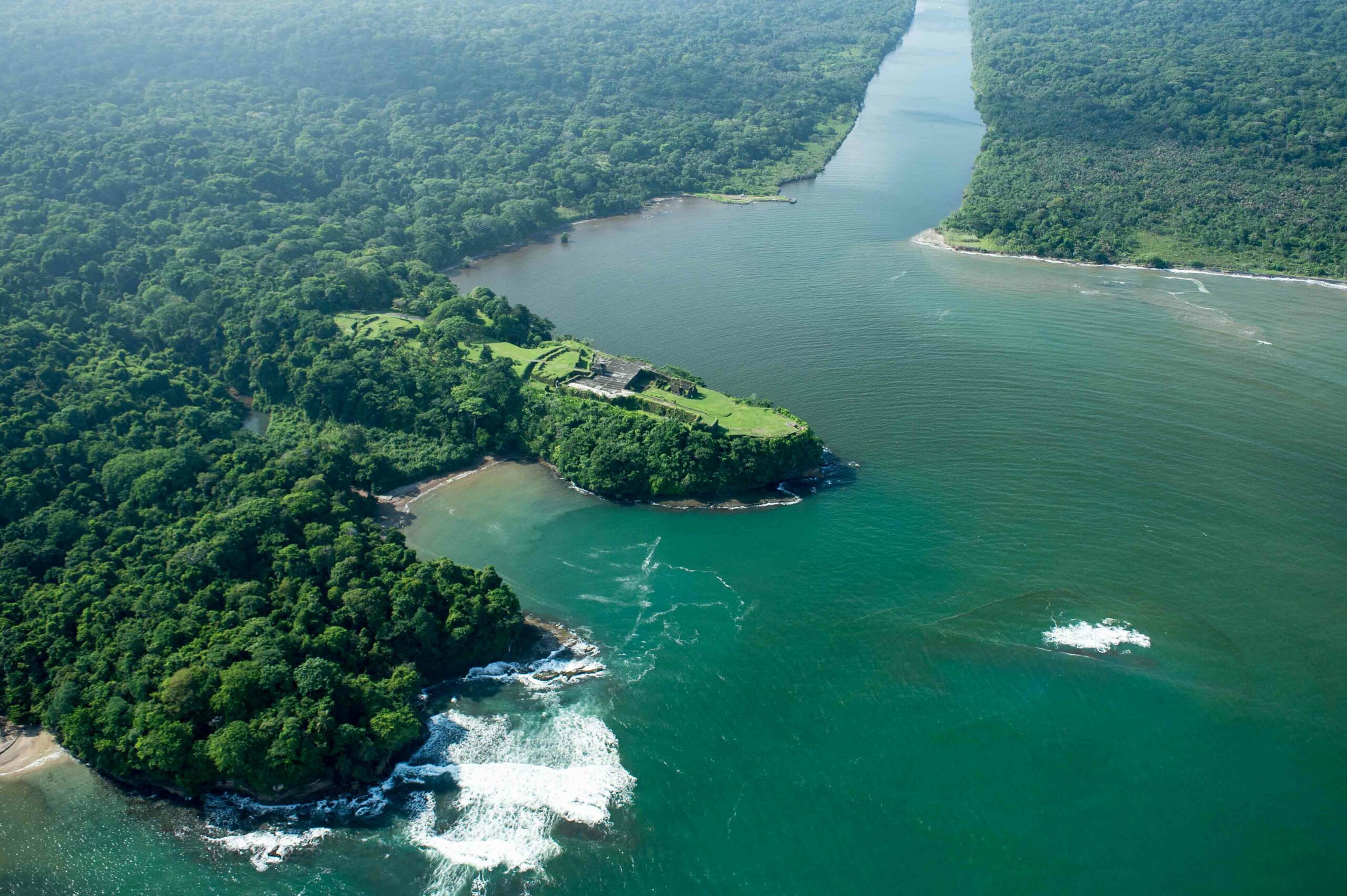
Pirates of the Original Panama Canal
Searching for the remains of Captain Henry Morgan's raid on Panama City
(Courtesy Captain Morgan Rum Co.) -
Features March/April 2013
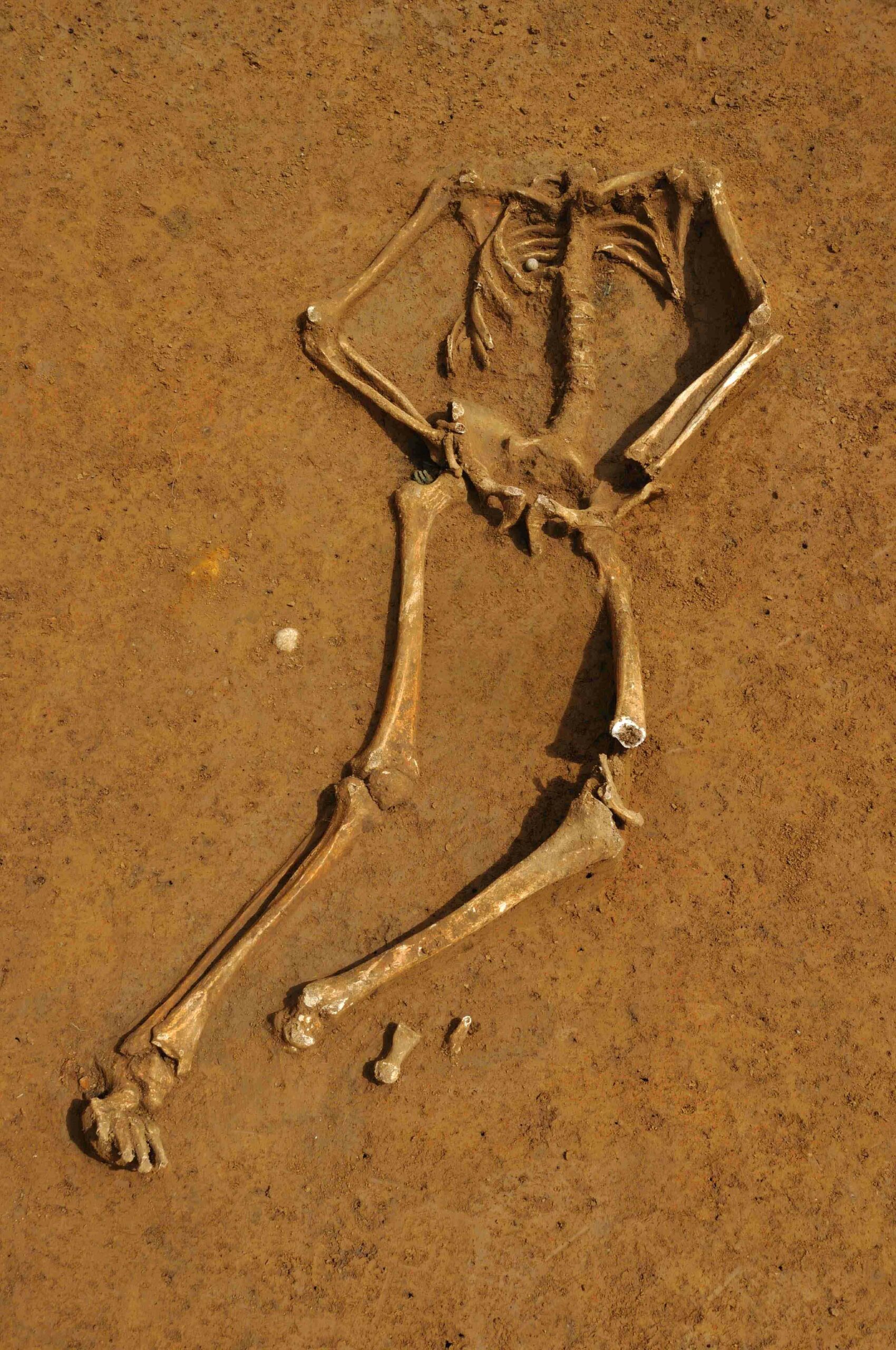
A Soldier's Story
The battle that changed European history, told through the lens of a young man’s remains
(Courtesy Dominique Bosquet) -
Letter From Cambodia March/April 2013
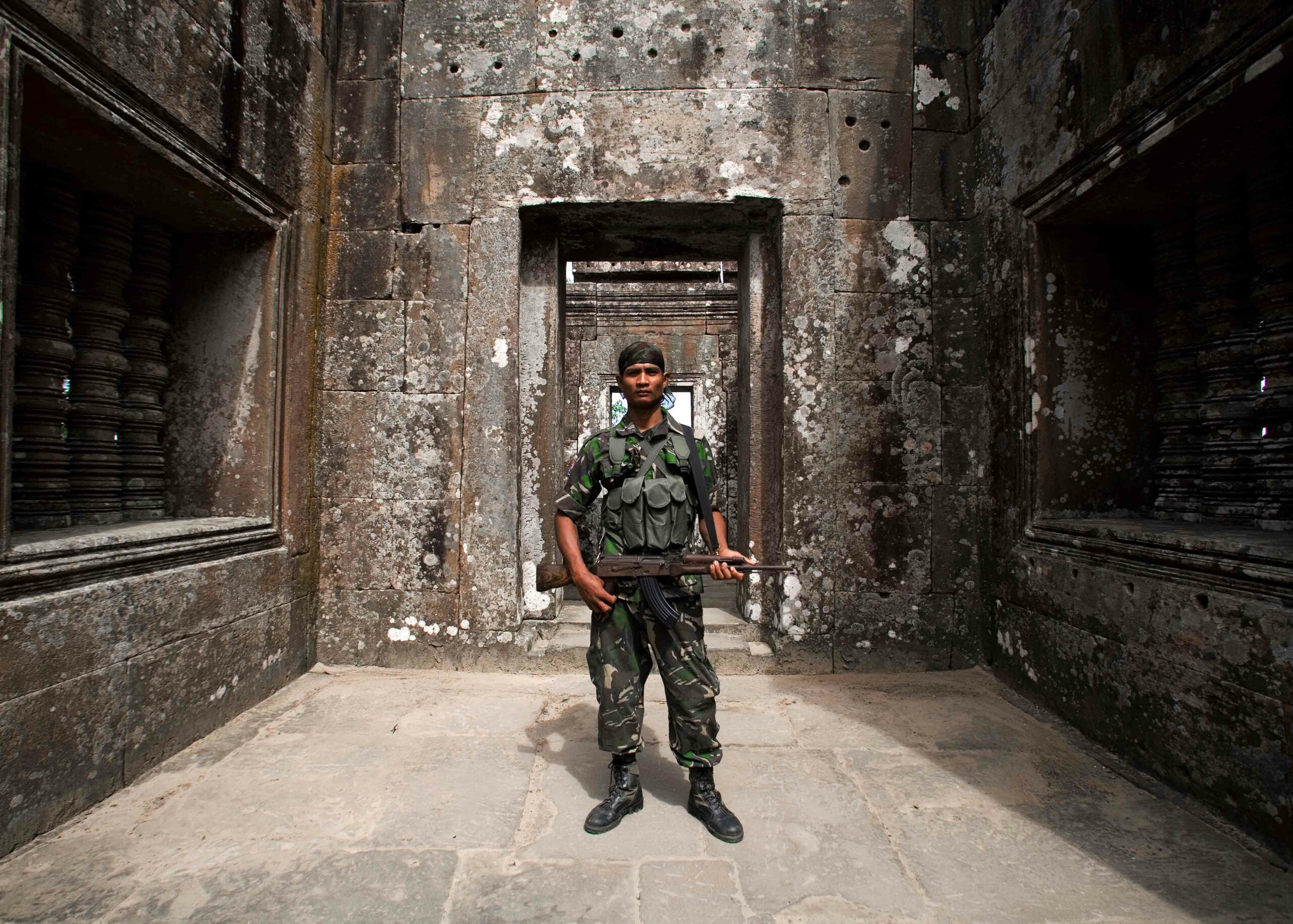
The Battle Over Preah Vihear
A territorial dispute involving a 1,100-year-old Khmer temple on the Thai-Cambodian border turns violent
(Masuru Goto) -
Artifacts March/April 2013
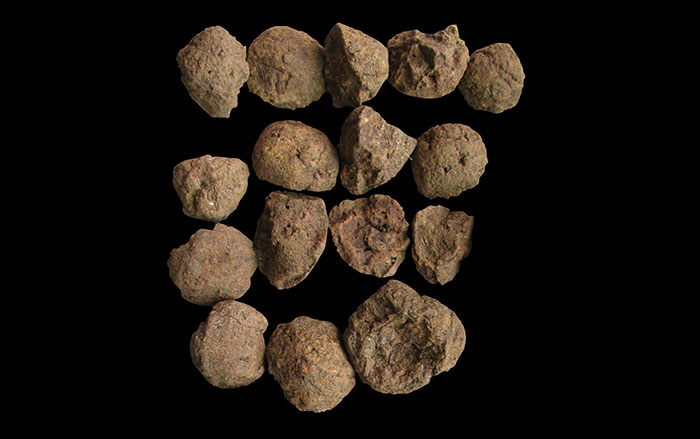
Pottery Cooking Balls
Scientific analyses and experimental ARCHAEOLOGY determine that mysterious, 1,000-year-old balls of clay found at Yucatán site were used in cooking
(Courtesy Bolonchen Regional Archaeological Project)