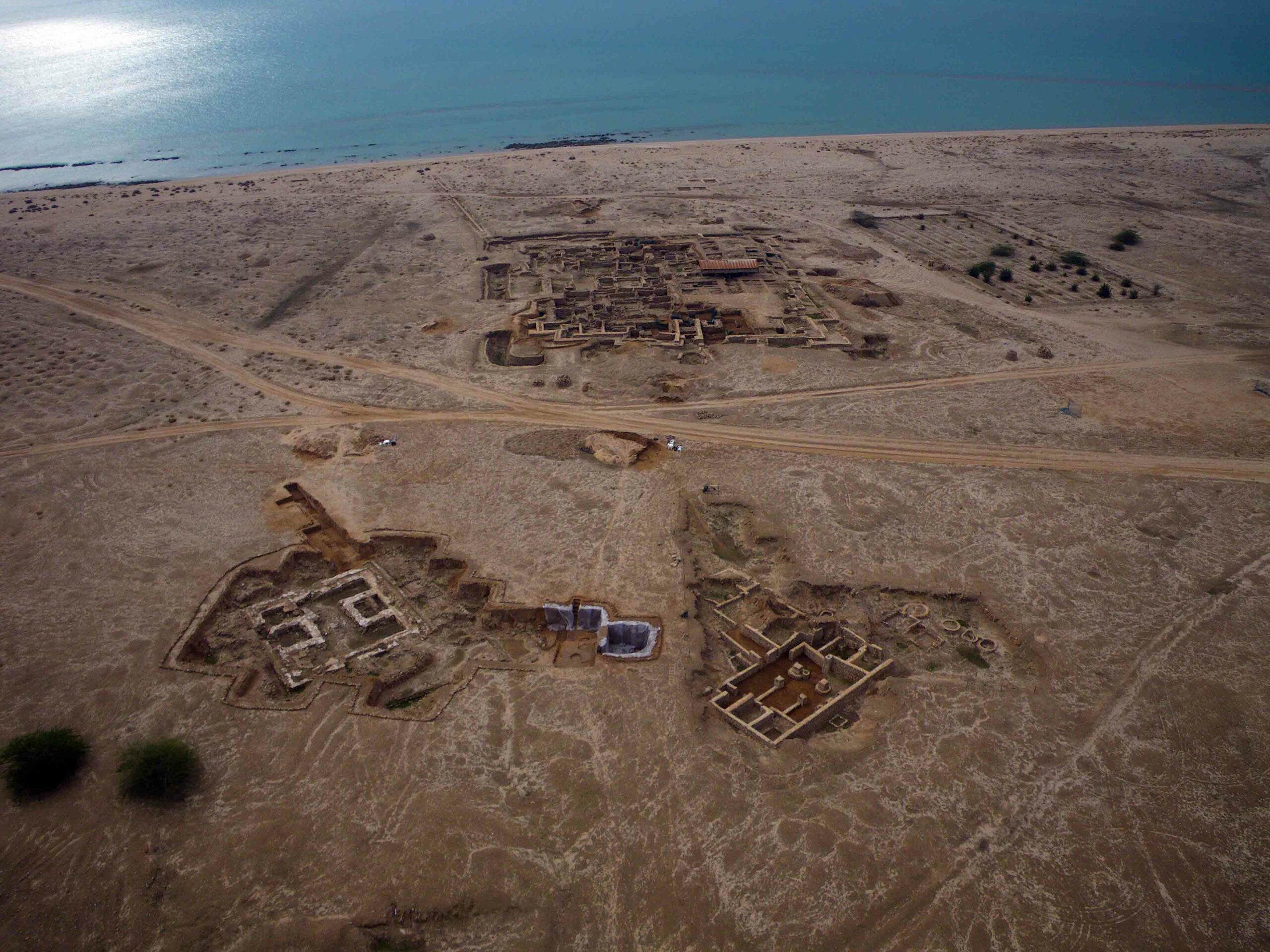
COLLINSVILLE, ILLINOIS—Students from Italy’s University of Bologna and their professor, Davide Domenici, have been traveling to Cahokia for the past three years. The city, known for its mounds, covered an area of six square miles and was home to approximately 20,000 people in 1250 A.D. This year, the researchers uncovered plaster and postholes marking the west wall of a rectangular compound with rounded bastions. “A single post bit seems nothing, but when you put all together on a map you start understanding them,” Domenici said.
Western Wall of a Palisade Compound Found at Cahokia
News May 30, 2013
Recommended Articles
Off the Grid January/February 2026
Prophetstown, Indiana
Letter from France January/February 2026
Neolithic Cultural Revolution
How farmers came together to build Europe’s most grandiose funerary monuments some 7,000 years ago
Features January/February 2026
The Cost of Doing Business
Piecing together the Roman empire’s longest known inscription—a peculiarly precise inventory of prices
Features January/February 2026
The Birds of Amarna
An Egyptian princess seeks sanctuary in her private palace
-
Features March/April 2013
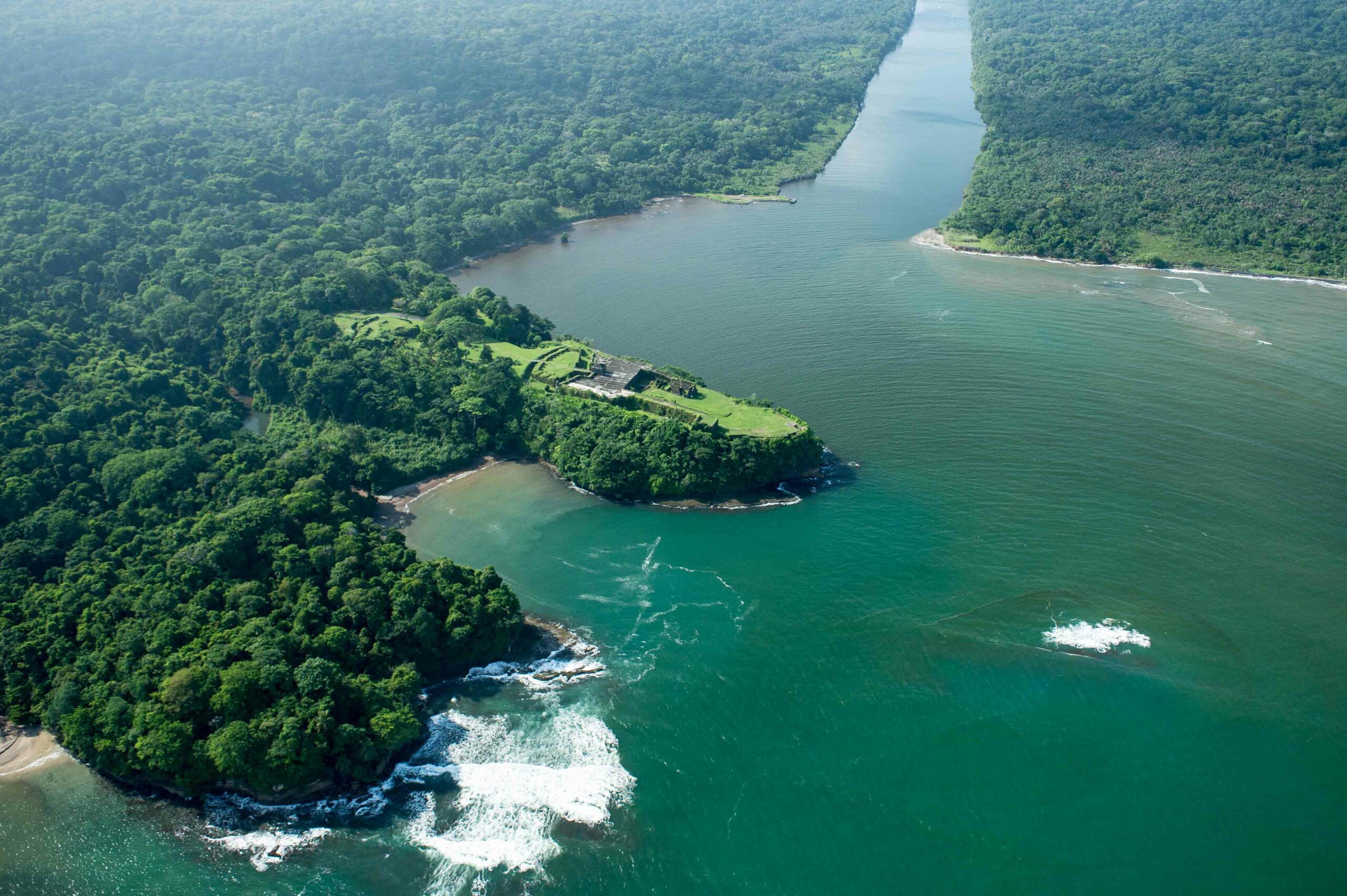
Pirates of the Original Panama Canal
Searching for the remains of Captain Henry Morgan's raid on Panama City
(Courtesy Captain Morgan Rum Co.) -
Features March/April 2013
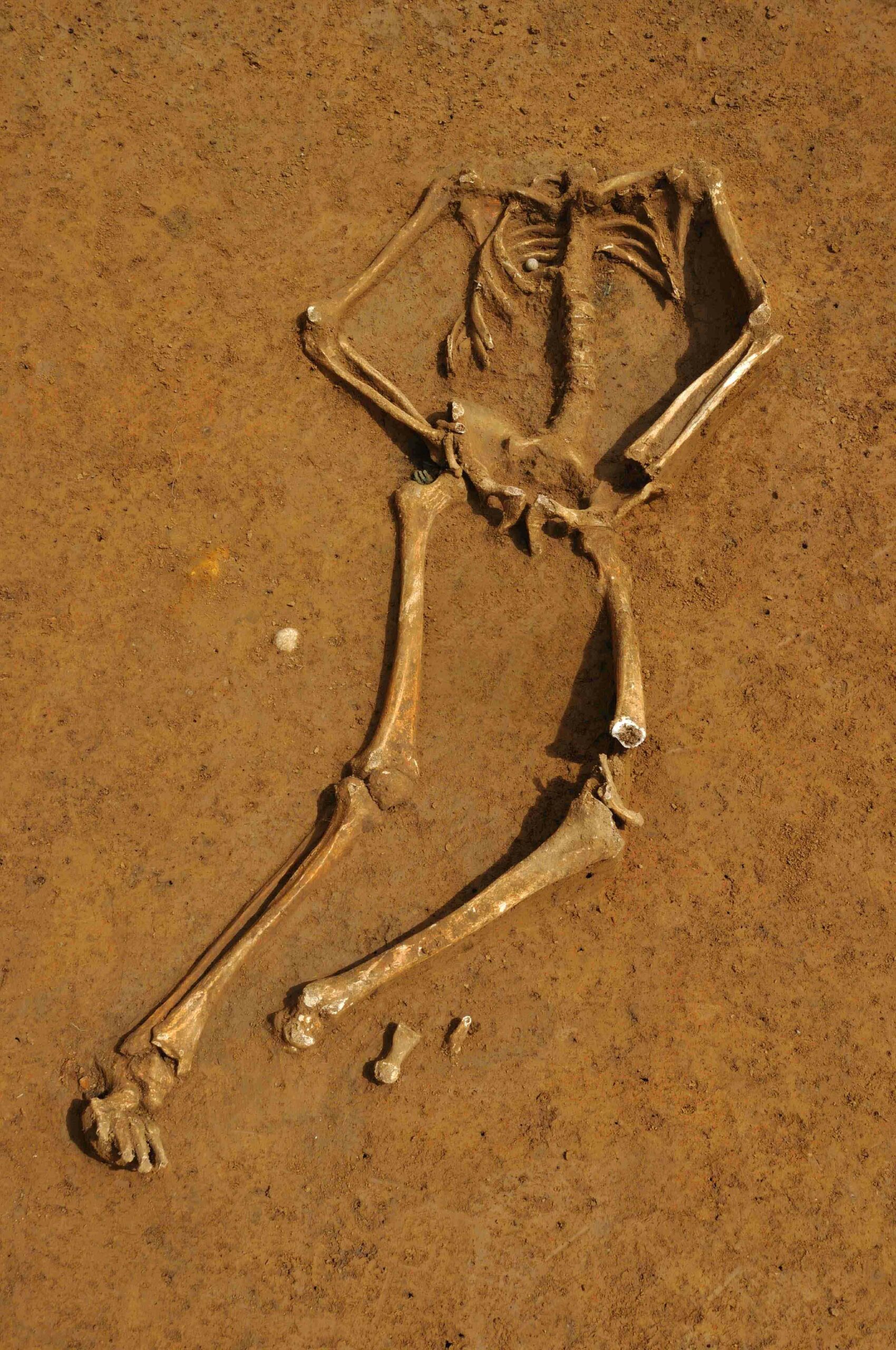
A Soldier's Story
The battle that changed European history, told through the lens of a young man’s remains
(Courtesy Dominique Bosquet) -
Letter From Cambodia March/April 2013
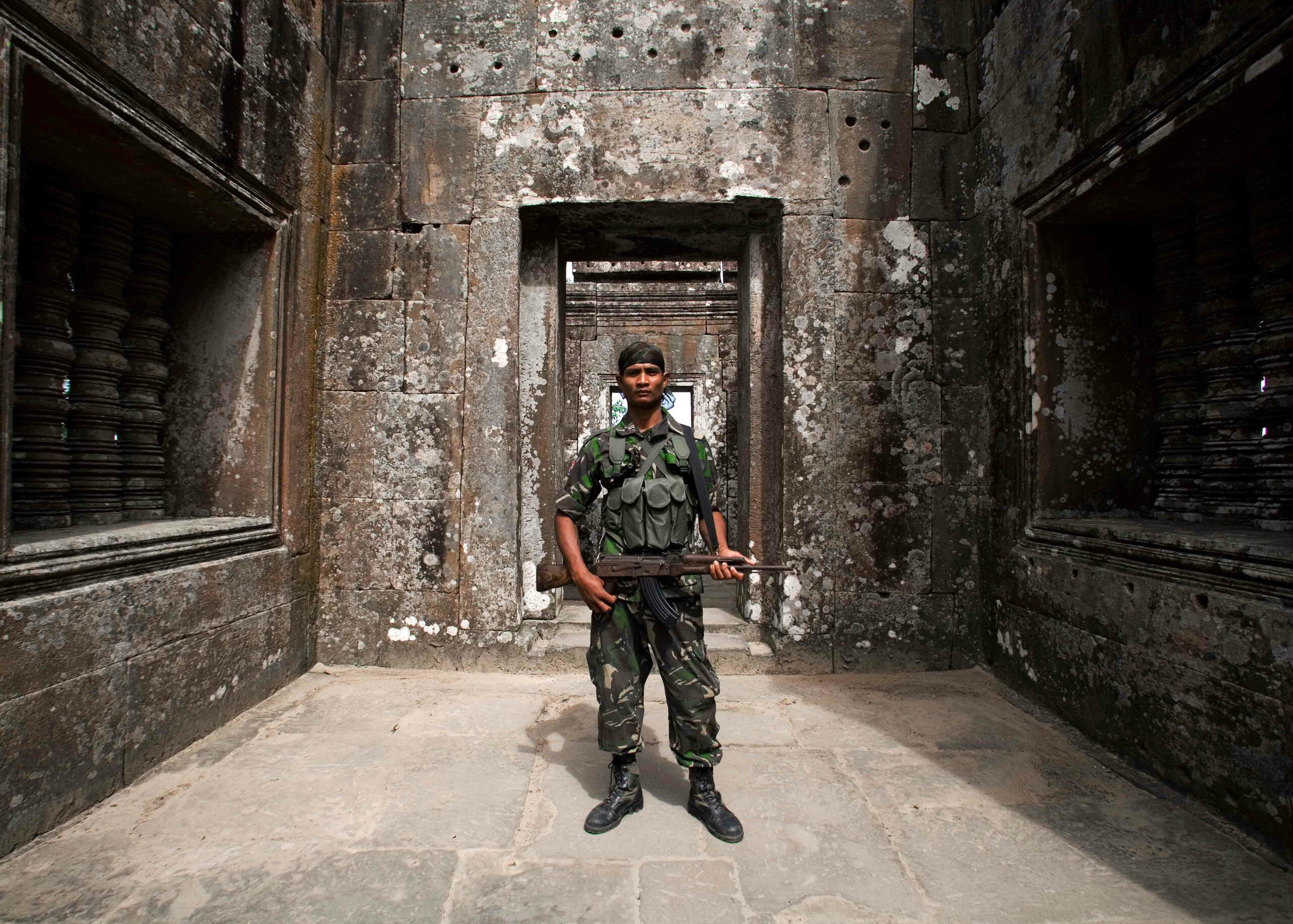
The Battle Over Preah Vihear
A territorial dispute involving a 1,100-year-old Khmer temple on the Thai-Cambodian border turns violent
(Masuru Goto) -
Artifacts March/April 2013
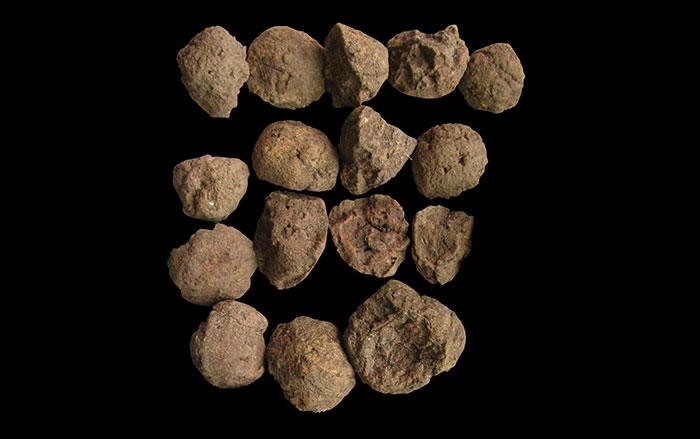
Pottery Cooking Balls
Scientific analyses and experimental ARCHAEOLOGY determine that mysterious, 1,000-year-old balls of clay found at Yucatán site were used in cooking
(Courtesy Bolonchen Regional Archaeological Project)