

SAKURAI CITY, JAPAN—A fragment of a wooden mask said to be the oldest ever found in Japan has been unearthed at the Daifuku ruins. The mask, carved from Japanese umbrella pine, dates to the second century, and has an oval hole, most likely an eye hole, and a smaller hole that probably held a string for holding the mask on the wearer’s head. Such masks are thought to have been worn by Chinese magicians, and may be evidence of contact between the peoples of China and western Japan. Scientists from Nara Women’s University have also identified Japanese silk from the nearby site of Makimuku that may have been traded with Chinese merchants. “The areas surrounding the Daifuku and Makimuku sites were possibly an ancient hub of Japan-China interactions, including the transfer of ideas and technologies from China,” said Hironobu Ishino of the Hyogo Prefectural Museum of Archaeology.
Japan’s Oldest-Known Wooden Mask
News May 31, 2013
Recommended Articles
Features July/August 2026
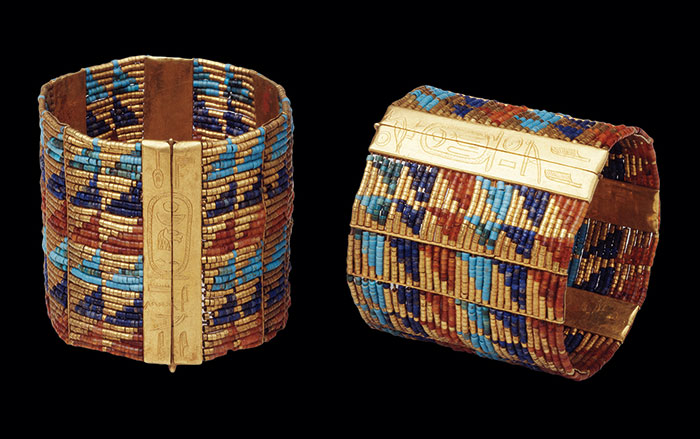
Egypt's First Queen
How a trailblazing ruler pulled her realm back from the brink
Features July/August 2026
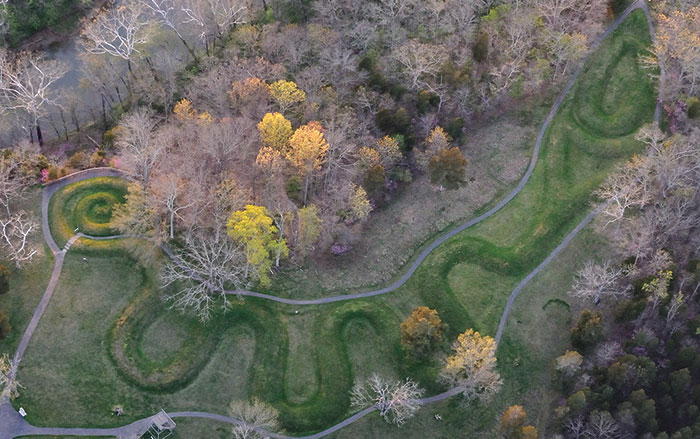
Secrets of the Serpent
Is a Native American origin story embedded in Ohio’s colossal earthwork?
Features July/August 2026
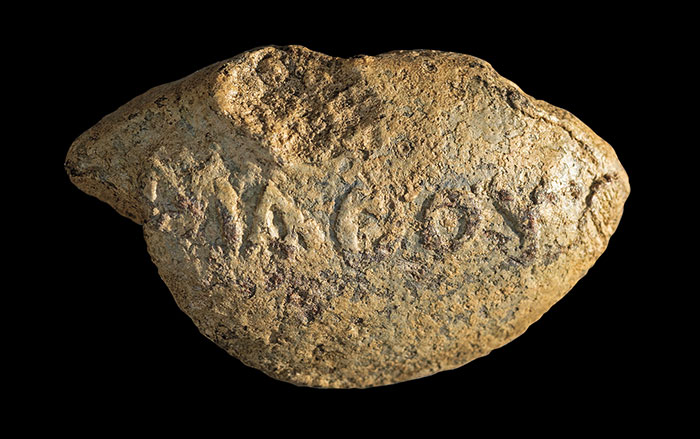
Slinging Insults
Greek and Roman soldiers fired pointed barbs at their enemies
Features July/August 2026
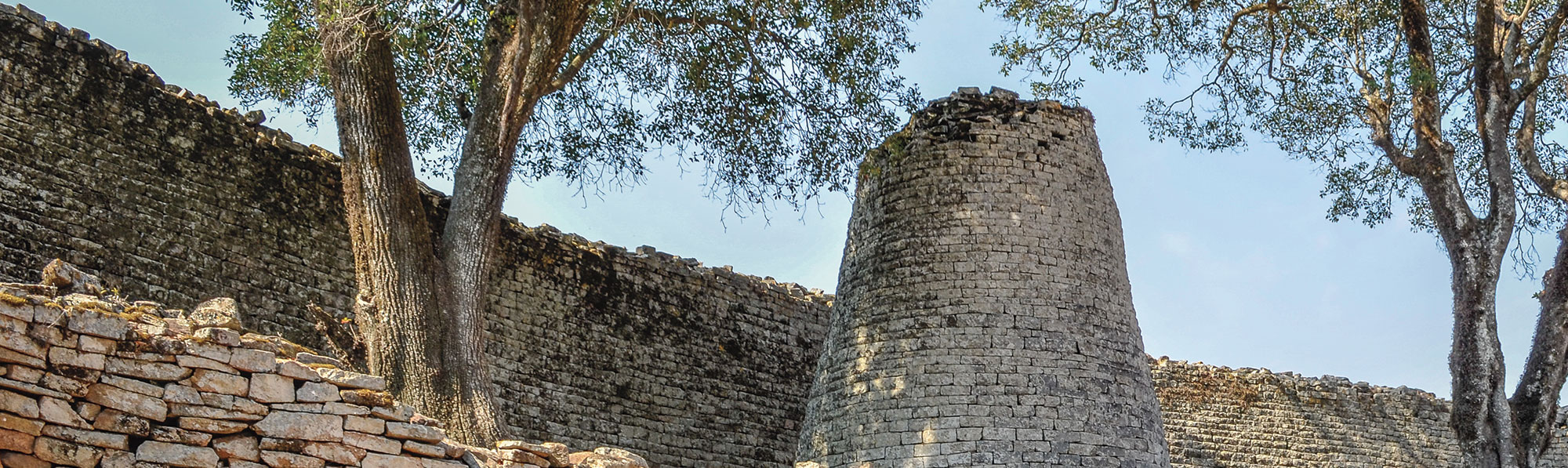
Inside Africa’s Houses of Stone
Archaeologists are rethinking how kings shared power beyond the great capitals of medieval Zimbabwe
More to Discover
Features March/April 2013
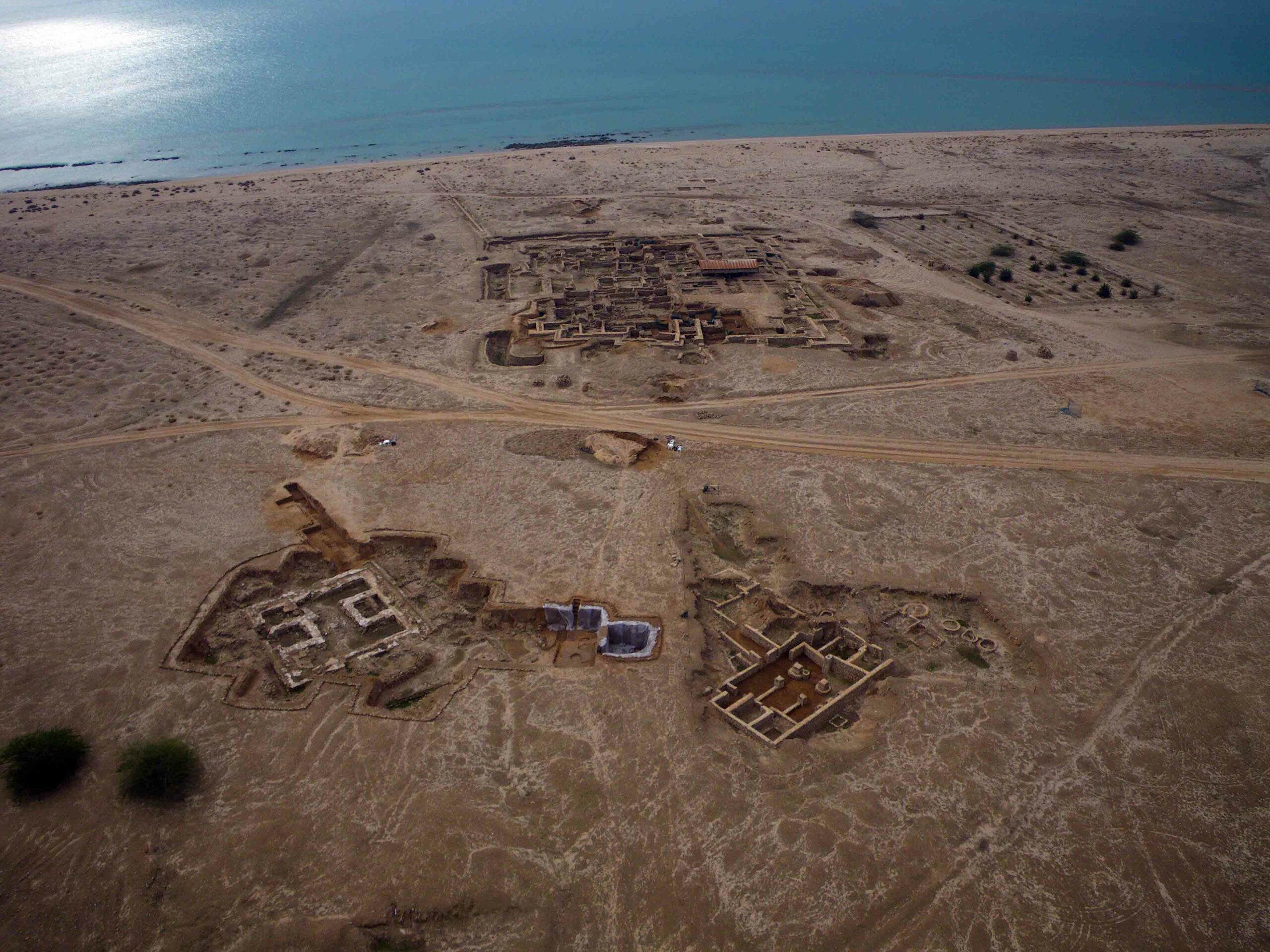
Archaeology Island
More than 4,000 years of history in only 16 square miles
-
Features March/April 2013
Pirates of the Original Panama Canal
Searching for the remains of Captain Henry Morgan's raid on Panama City
 (Courtesy Captain Morgan Rum Co.)
 -
Features March/April 2013
A Soldier's Story
The battle that changed European history, told through the lens of a young man’s remains
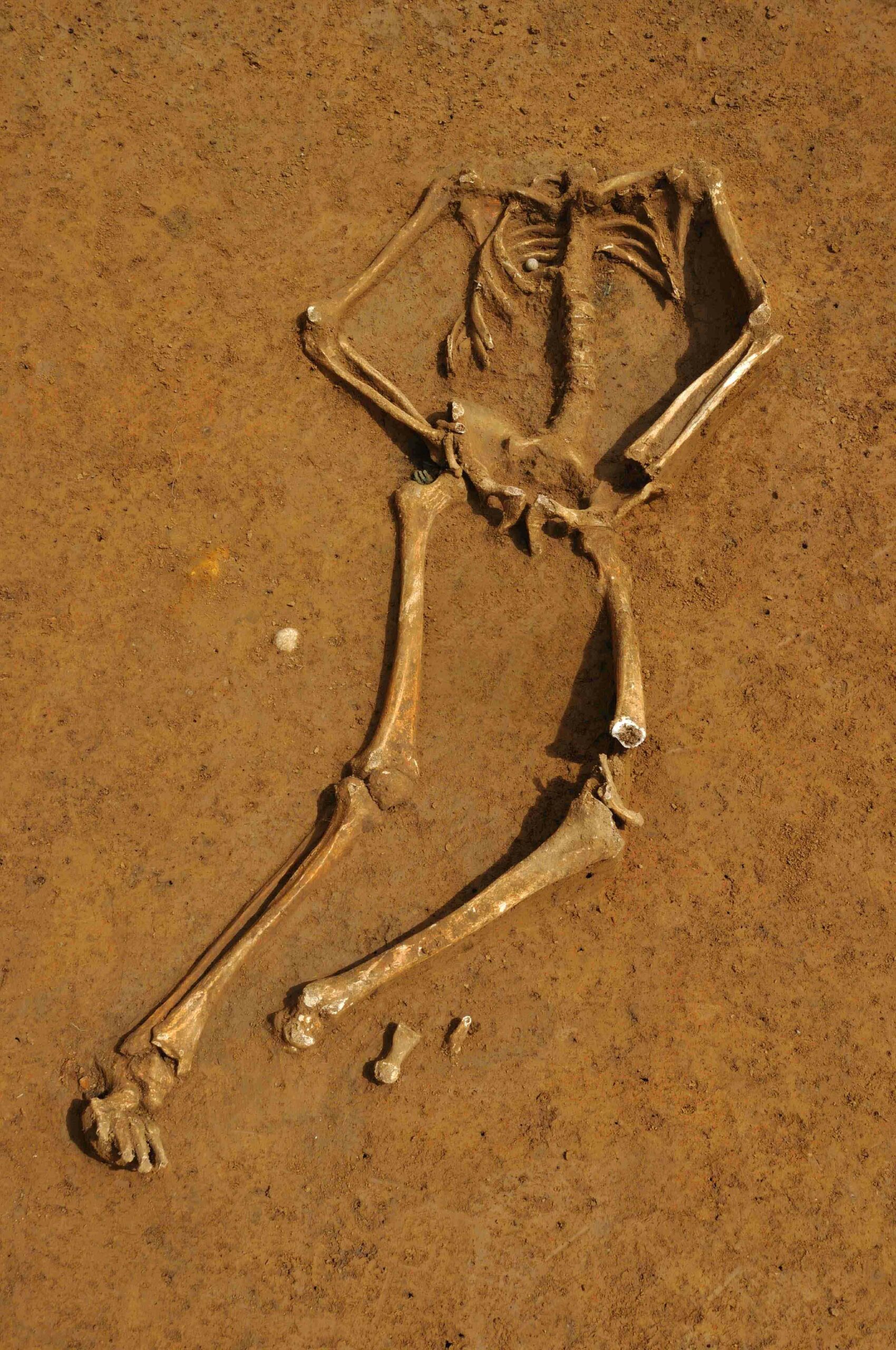 (Courtesy Dominique Bosquet)
 -
Letter From Cambodia March/April 2013
The Battle Over Preah Vihear
A territorial dispute involving a 1,100-year-old Khmer temple on the Thai-Cambodian border turns violent
 (Masuru Goto)
 -
Artifacts March/April 2013
Pottery Cooking Balls
Scientific analyses and experimental ARCHAEOLOGY determine that mysterious, 1,000-year-old balls of clay found at Yucatán site were used in cooking
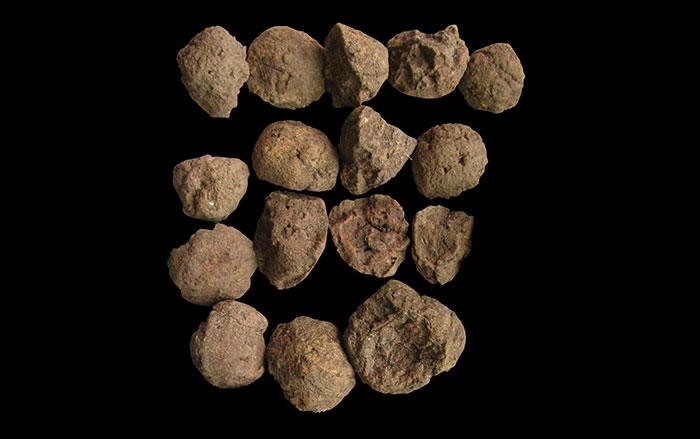 (Courtesy Bolonchen Regional Archaeological Project)