LEICESTER, ENGLAND—The current excavation at the Grey Friars monastery, where the hastily-dug grave of Richard III was discovered last year, has yielded the remains of chickens, cows, and pigs, suggesting that the supposedly frugal friars ate meat and may have kept livestock. A piece of a copper pin may have been part of an ornamental piece of jewelry. Rubble at the site indicates that the building was made of sandstone and tile, had arched windows, and a roof made of slate. Further investigations of soil samples and charcoal could reveal what the friars grew in their gardens and what they cooked.
Excavations Continue at Grey Friars Monastery
News July 19, 2013
Recommended Articles
Features July/August 2026
Egypt's First Queen
How a trailblazing ruler pulled her realm back from the brink
Features July/August 2026
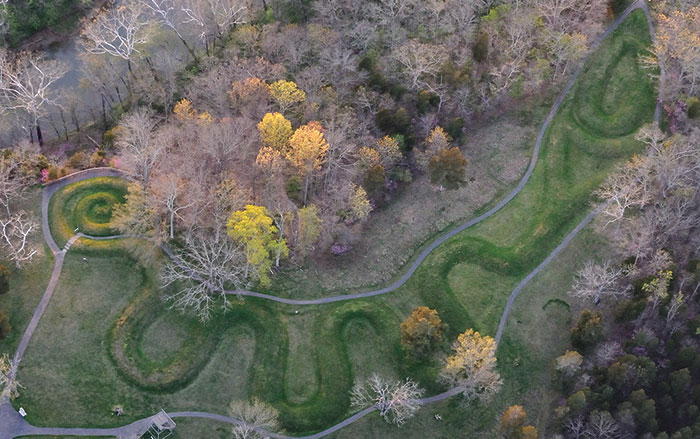
Secrets of the Serpent
Is a Native American origin story embedded in Ohio’s colossal earthwork?
Features July/August 2026
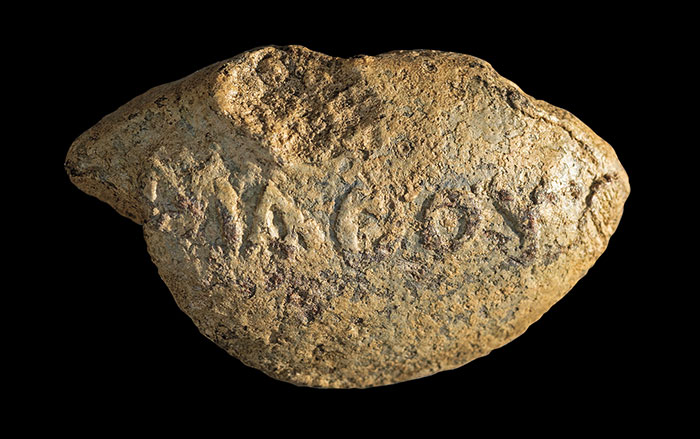
Slinging Insults
Greek and Roman soldiers fired pointed barbs at their enemies
Features July/August 2026
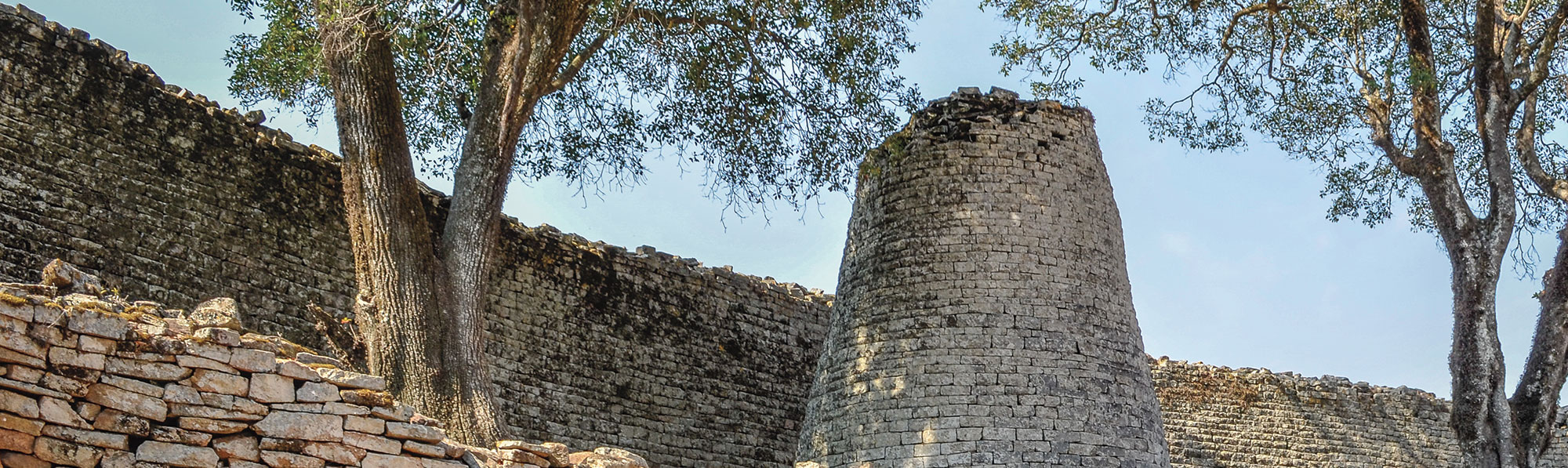
Inside Africa’s Houses of Stone
Archaeologists are rethinking how kings shared power beyond the great capitals of medieval Zimbabwe
-
Features May/June 2013
Haunt of the Resurrection Men
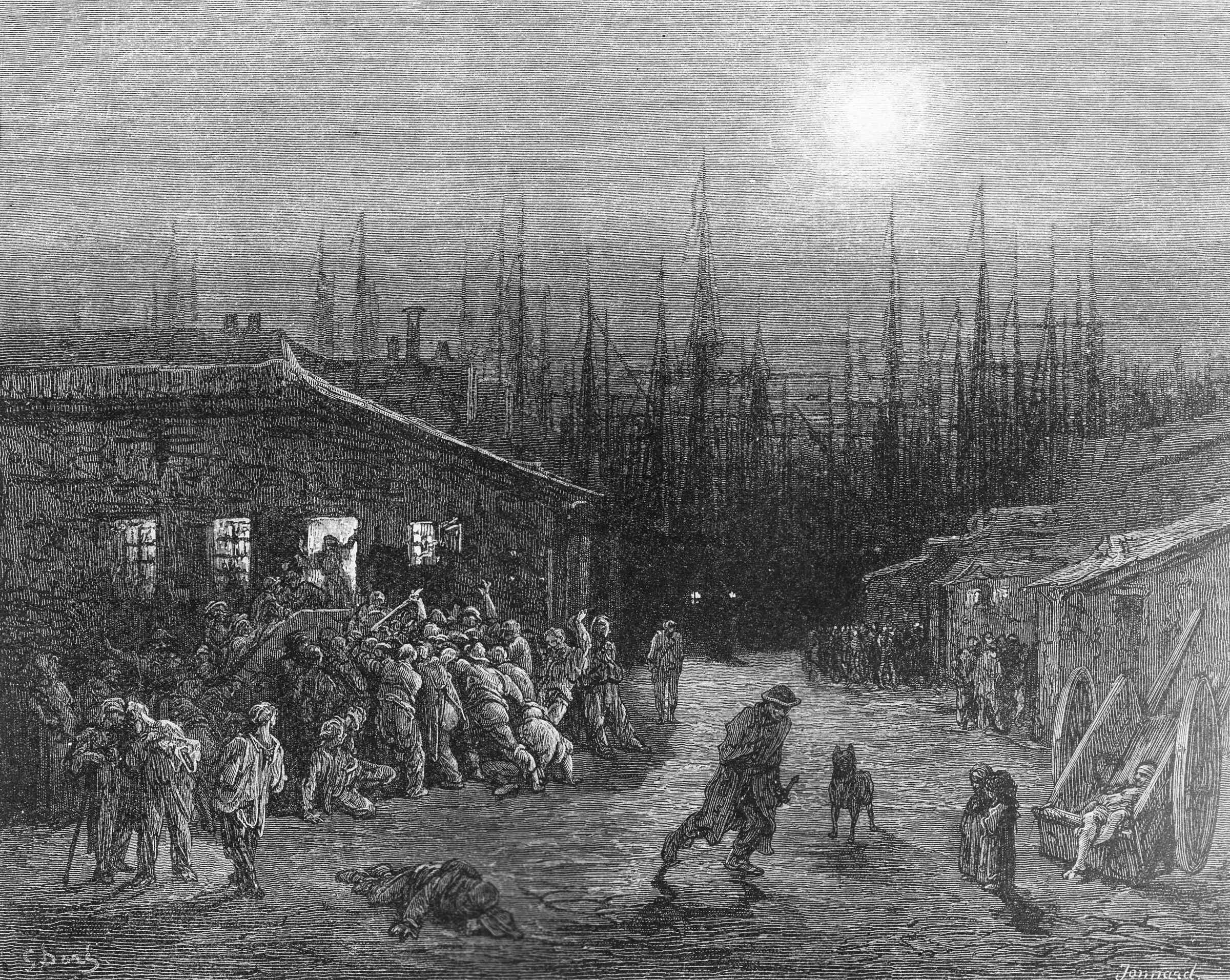
A forgotten graveyard, the dawn of modern medicine, and the hard life in 19th-century London
(Private Collection/The Bridgeman Art Library) -
Features May/June 2013
The Kings of Kent
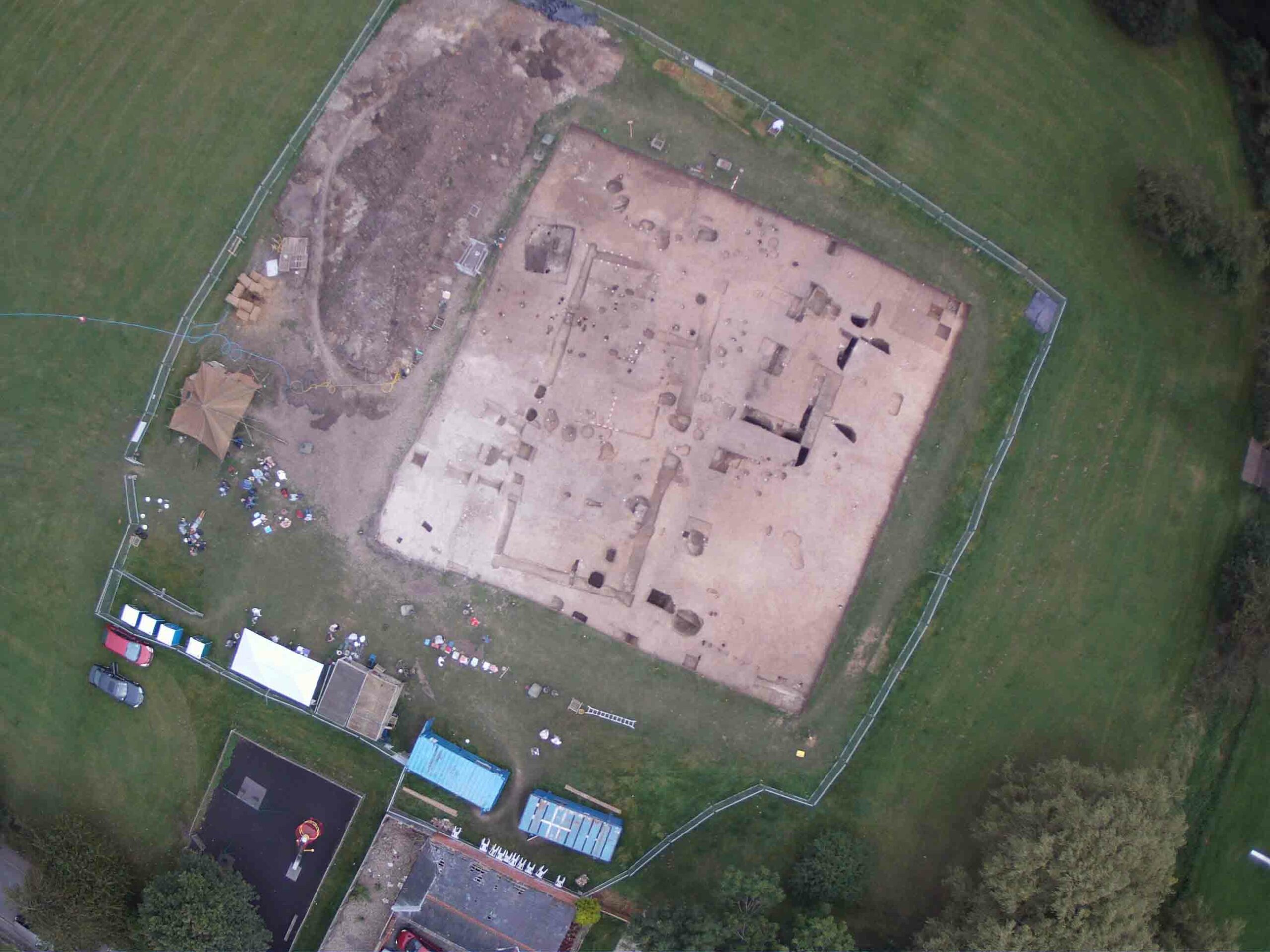
The surprising discovery of an Anglo-Saxon feasting hall in the village of Lyminge is offering a new view of the lives of these pagan kings
(Photo by William Laing, © University of Reading) -
Letter from Turkey May/June 2013
Anzac's Next Chapter
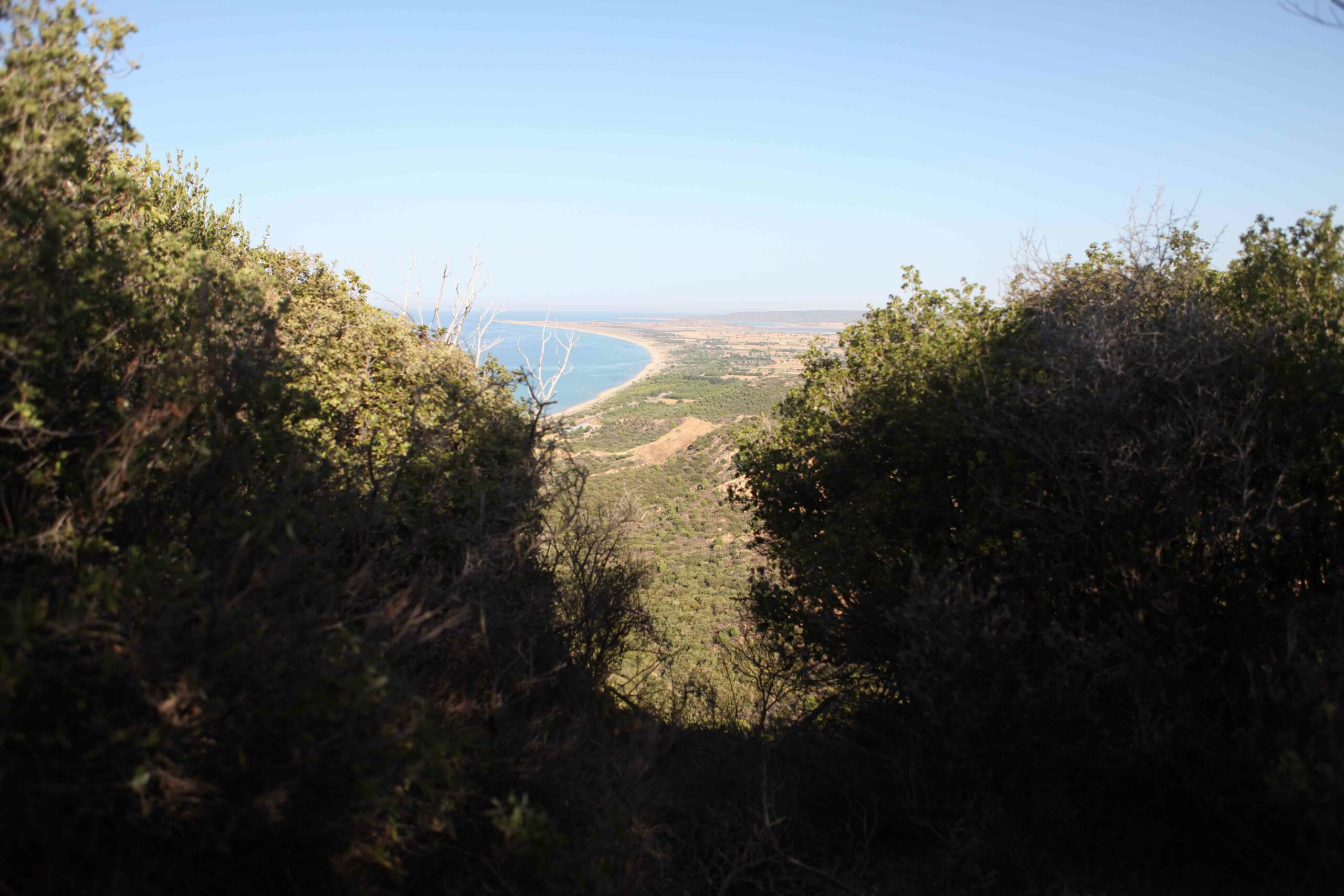
Archaeologists conduct the first-ever survey of the legendary WWI battlefield at Gallipoli
(Samir S. Patel) -
Artifacts May/June 2013
Ancient Near Eastern Figurines
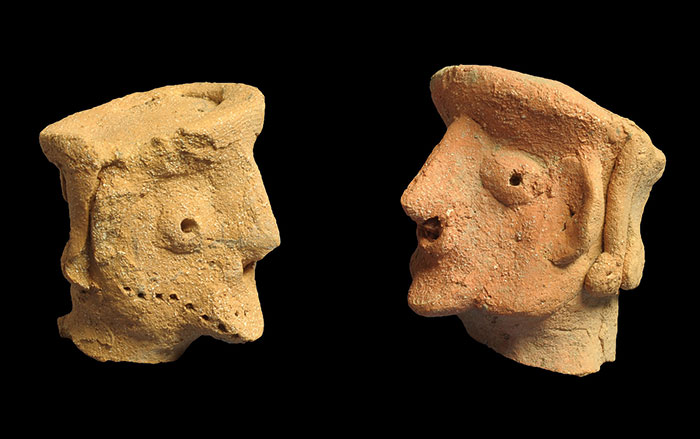
Ceramic figurines were part of a cache of objects found at an Iron Age temple uncovered at the site of Tel Motza outside Jerusalem
(Clara Amit, courtesy of the Israel Antiquities Authority)