

LONDON, ENGLAND—Mel Greaves of The Institute of Cancer Research in the United Kingdom thinks that human ancestors had pale skin when they lost their body hair some two to three million years ago. The lack of hair was “almost certainly to facilitate heat loss by sweating in physically very active hunters, especially in the more open, dry and hot Savannah” of East Africa, Greaves told Discovery News. It had been theorized that melanin, the pigment that gives skin color, evolved as an adaptation to limit damage to the skin from sun exposure. Greaves studied albinos living in Africa, who lack any pigment in their skin, hair, and eyes, and found that they are indeed highly susceptible to skin cancer. “We assume that all hominin migrants from Africa over the past 100,000 years would have been dark skinned. What happened to those migrant populations’ skin color later depended upon geography and UVR (ultraviolet radiation) exposures,” he added.
The Origins of Human Skin Colors
News February 27, 2014
SHARE:
Recommended Articles
Model Homes March/April 2026
Doorways for the Dead
LOCATION: Thebes, Egypt
DATES: Ca. 1981–1975 b.c.
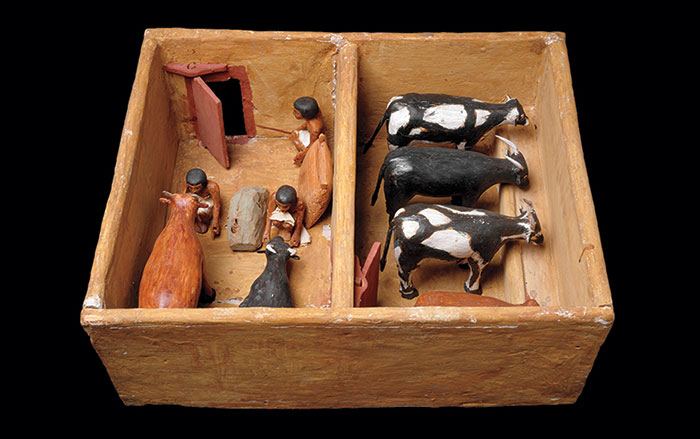
The Metropolitan Museum of Art, New York, Rogers Fund and Edward S. Harkness Gift, 1920
Model Homes March/April 2026
A Maya God’s Humble Abode
LOCATION: Copán, Honduras
DATE: Ca. a.d. 700–850
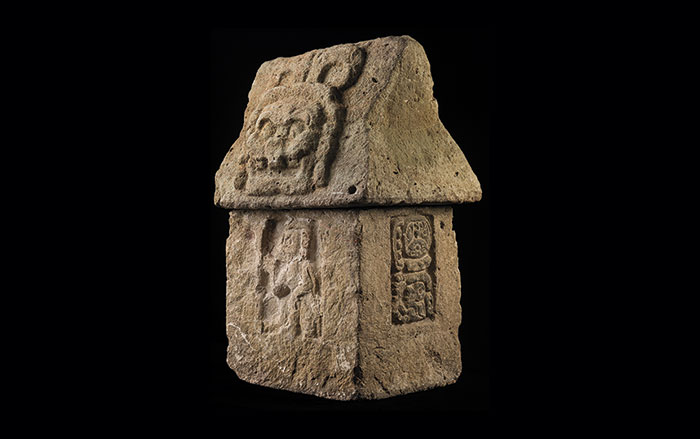
Peabody Museum Expedition, 1891-1892. Courtesy of the Peabody Museum of Archaeology and Ethnology, Harvard University, 92-49-20/C21
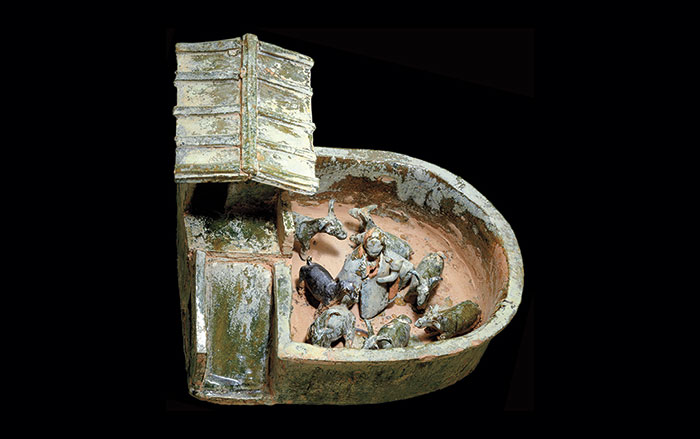
The Metropolitan Museum of Art, New York, Charlotte C. and John C. Weber Collection, Gift of Charlotte C. and John C. Weber, 1994
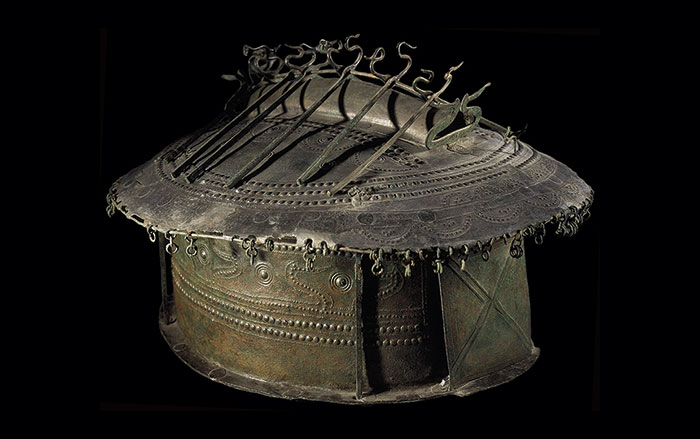
G. Dagli Orti/© NPL-DeA Picture Library/Bridgeman Images
-
Features January/February 2014
Stone Towns of the Swahili Coast
Along 2,000 miles of the East African coast, the sophisticated trading centers of the medieval Swahili reveal their origins and influences
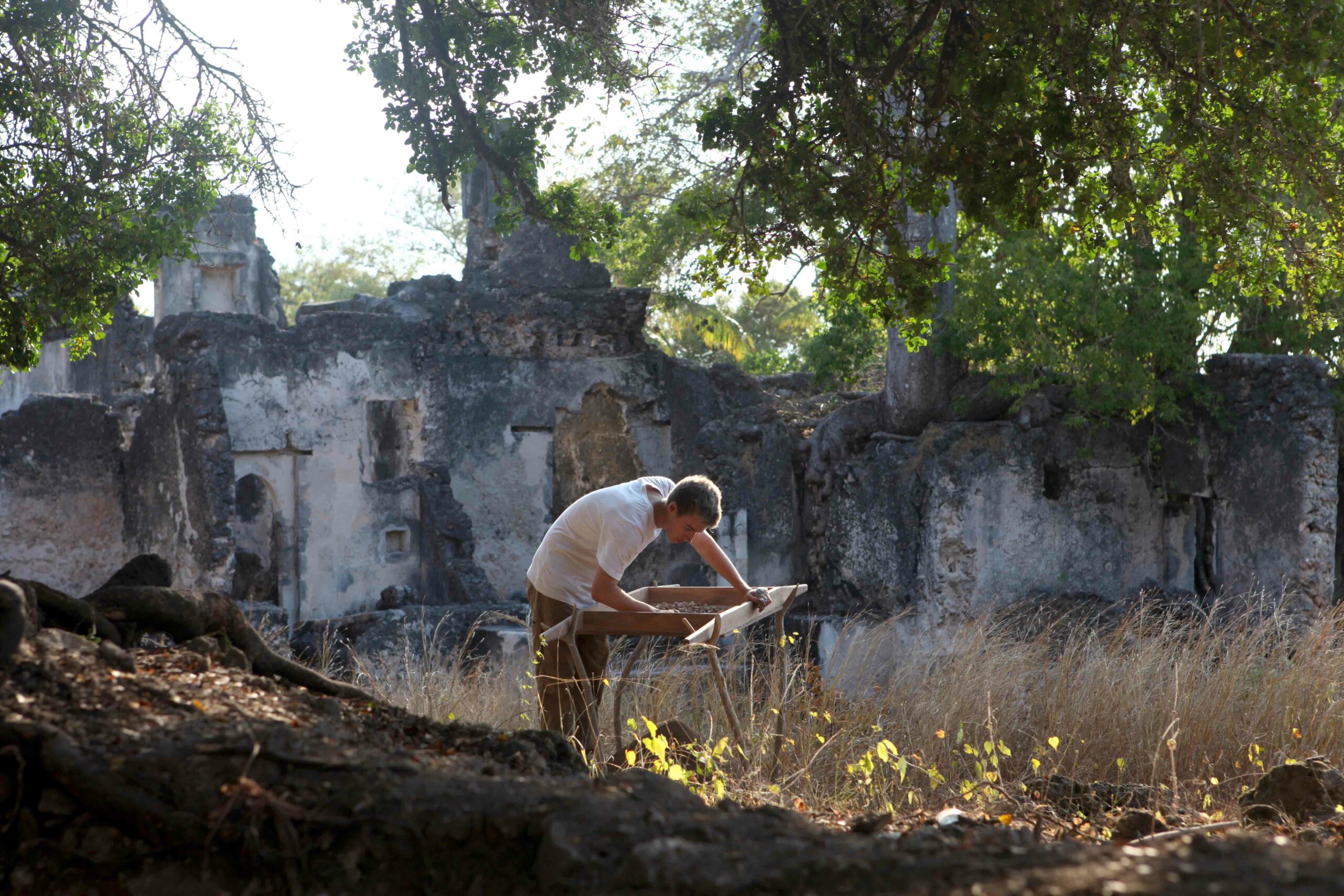 (Samir S. Patel)
 -
Letter from England January/February 2014
The Scientist's Garden
Excavations in an English garden reveal the evolution of the nation's culture across thousands of years
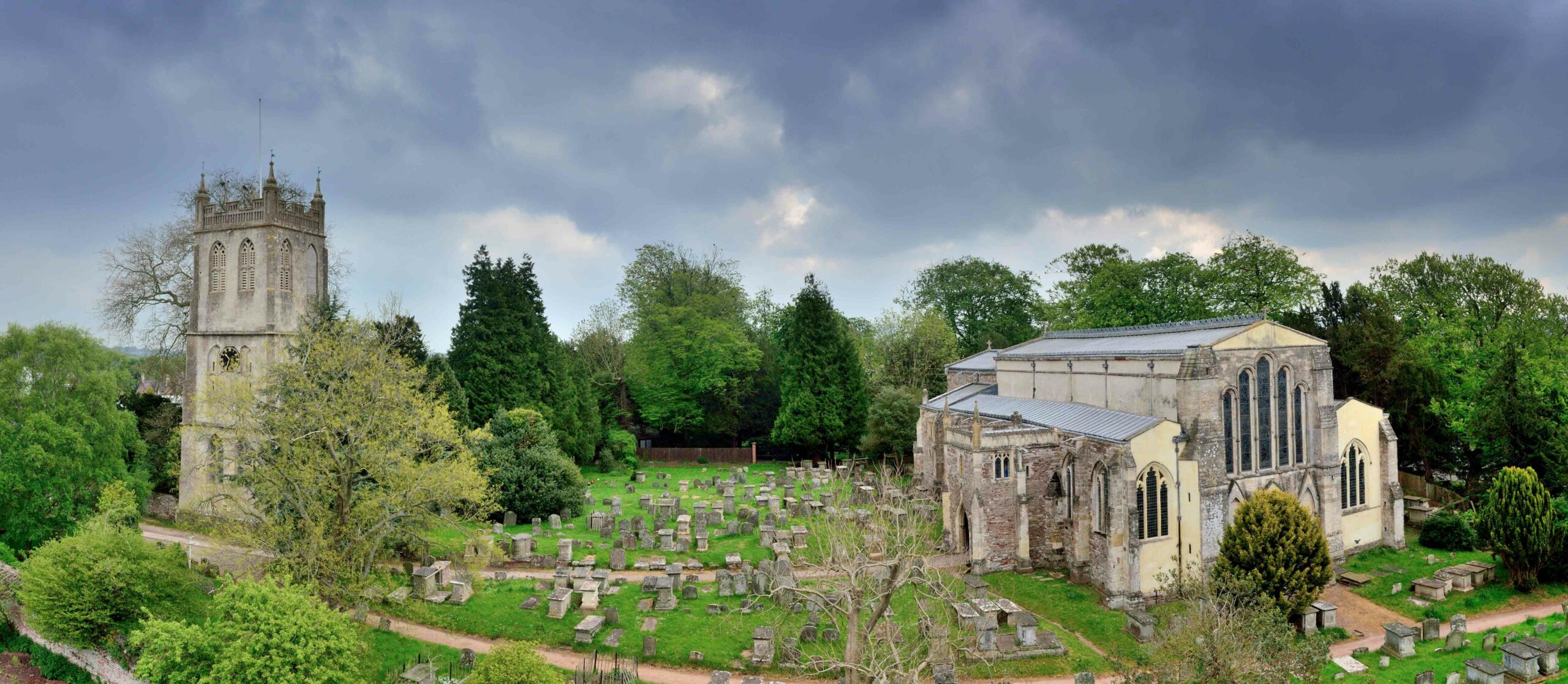 (Adam Stanford, Aerial-Cam)
 -
Artifacts January/February 2014
Limestone Eagle
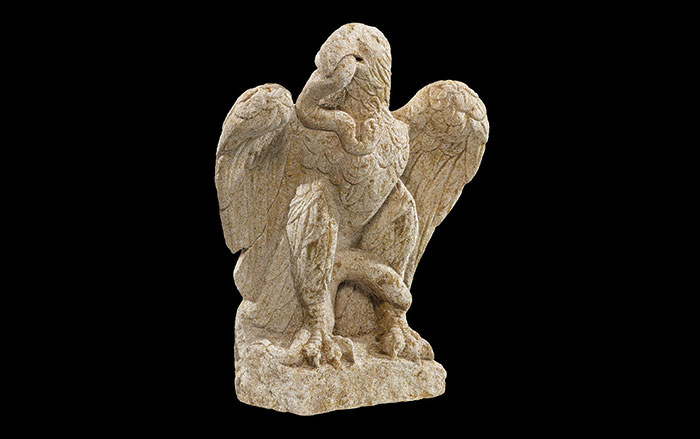 (Matthew Helmer)
 -
Digs & Discoveries January/February 2014
French Revolution Forgeries?
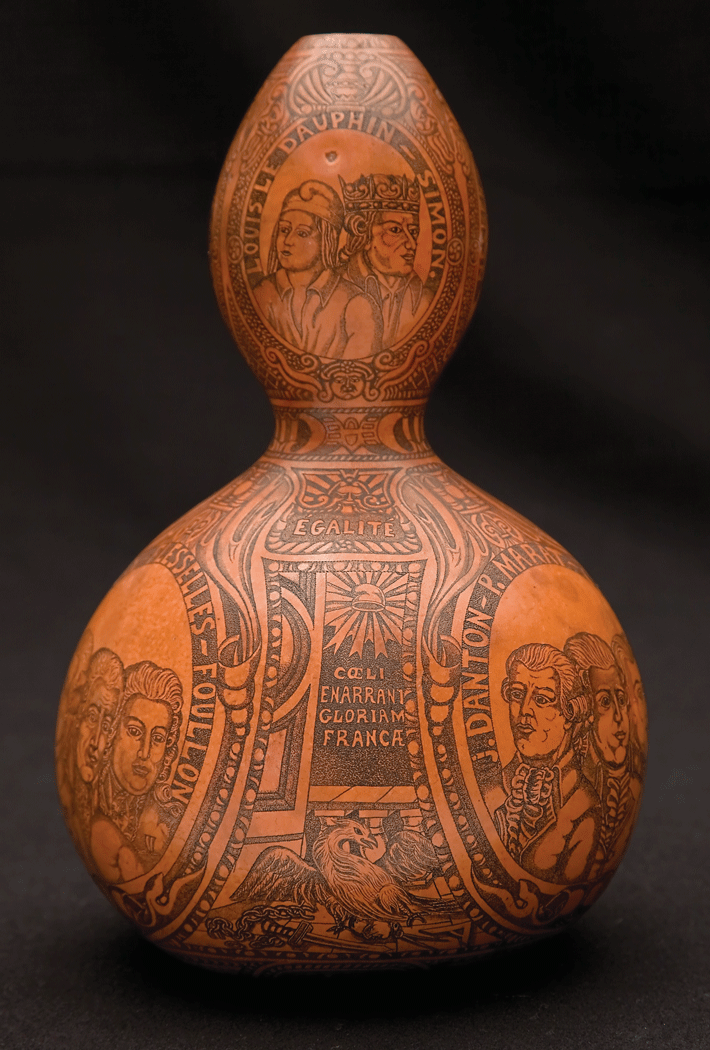 (Courtesy Davide Pettener/Paolo Garagnani)