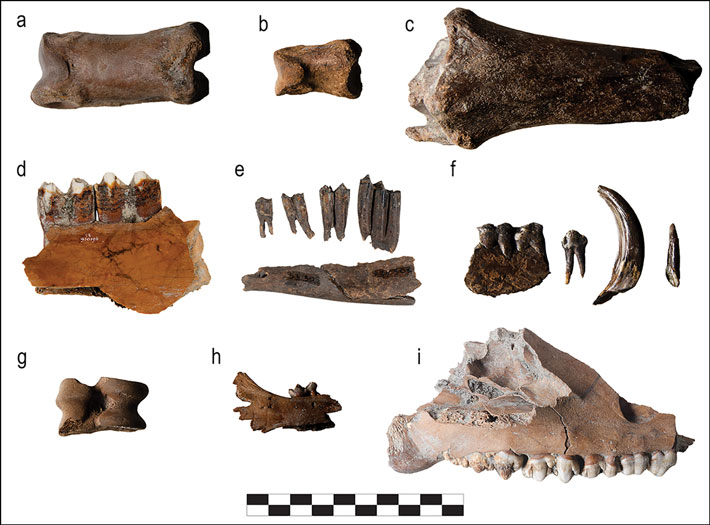
GRONINGEN, THE NETHERLANDS—According to a statement released by Antiquity, new dates and stable isotope analysis for the bones of cattle, sheep, and pigs from the Swifterbant site indicate that animal husbandry in what is now the Netherlands dates back to about 4240 B.C. “What is more, these early farmers had different herds of cattle that were fed and herded in different ways,” said Nathalie Brusgaard of Leiden University. The chemical composition of the cattle bones shows that one group had grazed in forests, while the other group had been kept on manured fields or salt marshes. “These early farmers were incredibly knowledgeable about how to manage livestock in this dynamic environment,” Brusgaard concluded. Read the original scholarly article about this research in Antiquity. To read about pre-Viking human settlement and sheep husbandry in the Faroe Islands, go to "Letter from the Faroes: Lost History of the Sheep Islands."
Bones of Early Cattle Herd in Northern Europe Analyzed
News June 6, 2024
Recommended Articles
Model Homes March/April 2026
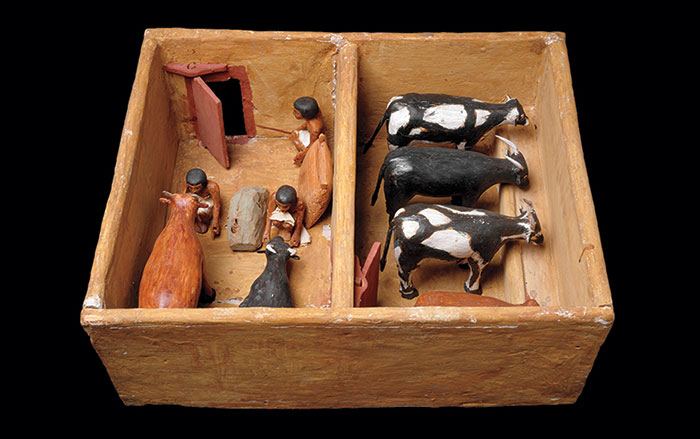
Doorways for the Dead
LOCATION: Thebes, Egypt
DATES: Ca. 1981–1975 b.c.
Model Homes March/April 2026
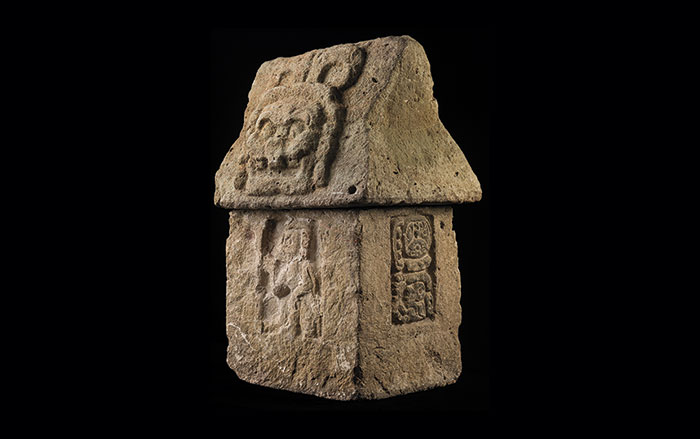
A Maya God’s Humble Abode
LOCATION: Copán, Honduras
DATE: Ca. a.d. 700–850

More to Discover
Features July/August 2024
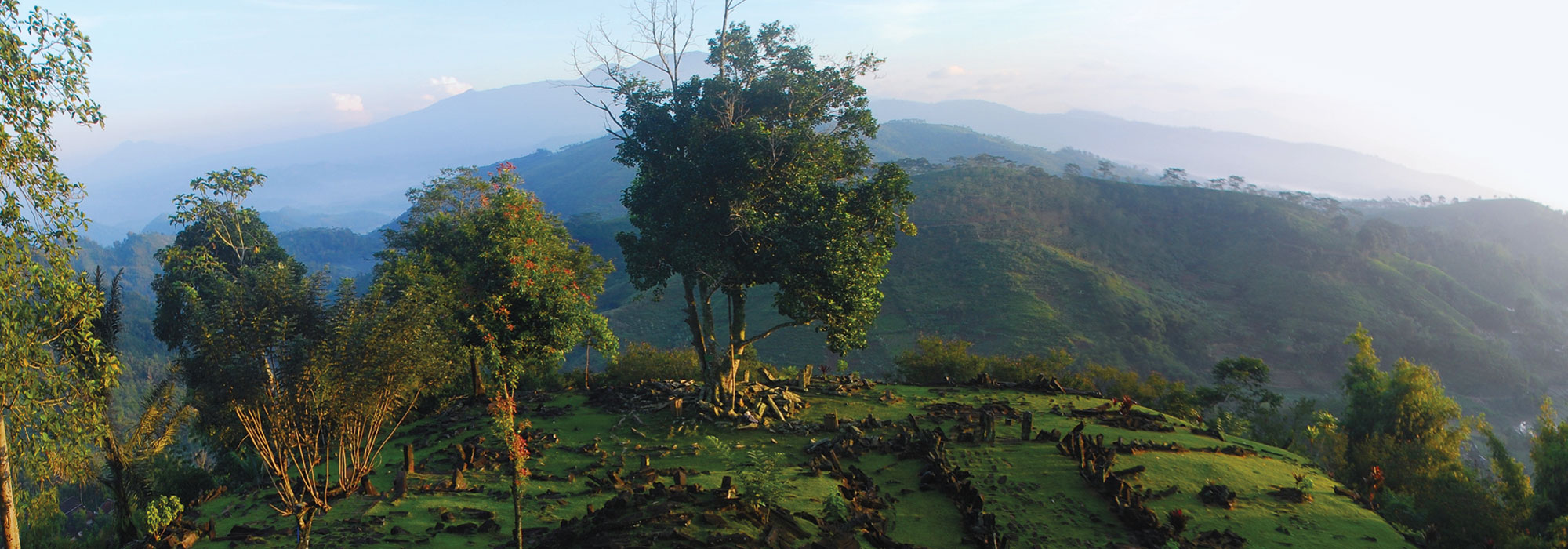
Java's Megalithic Mountain
Across the Indonesian archipelago, people raised immense stones to honor their ancestors
-
Features July/August 2024
The Assyrian Renaissance
Archaeologists return to Nineveh in northern Iraq, one of the ancient world’s grandest imperial capitals
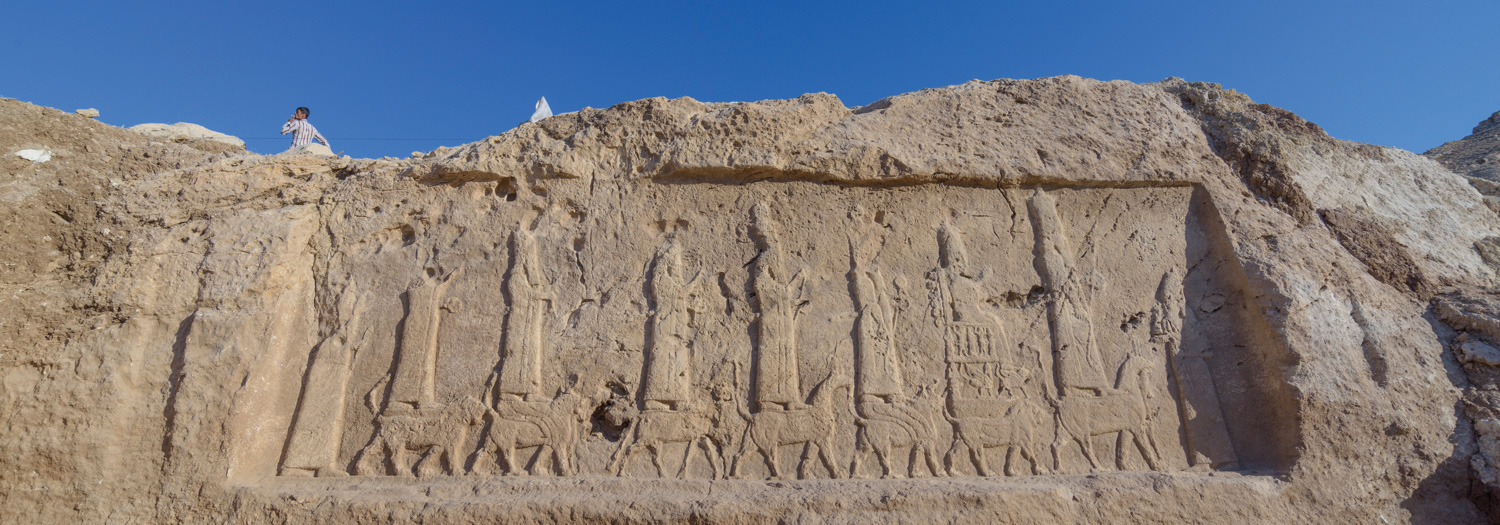 (Land of Nineveh Archaeological Project)
 -
Features July/August 2024
A Dynasty Born in Fire
How an upstart Maya king forged a new social order amid chaos
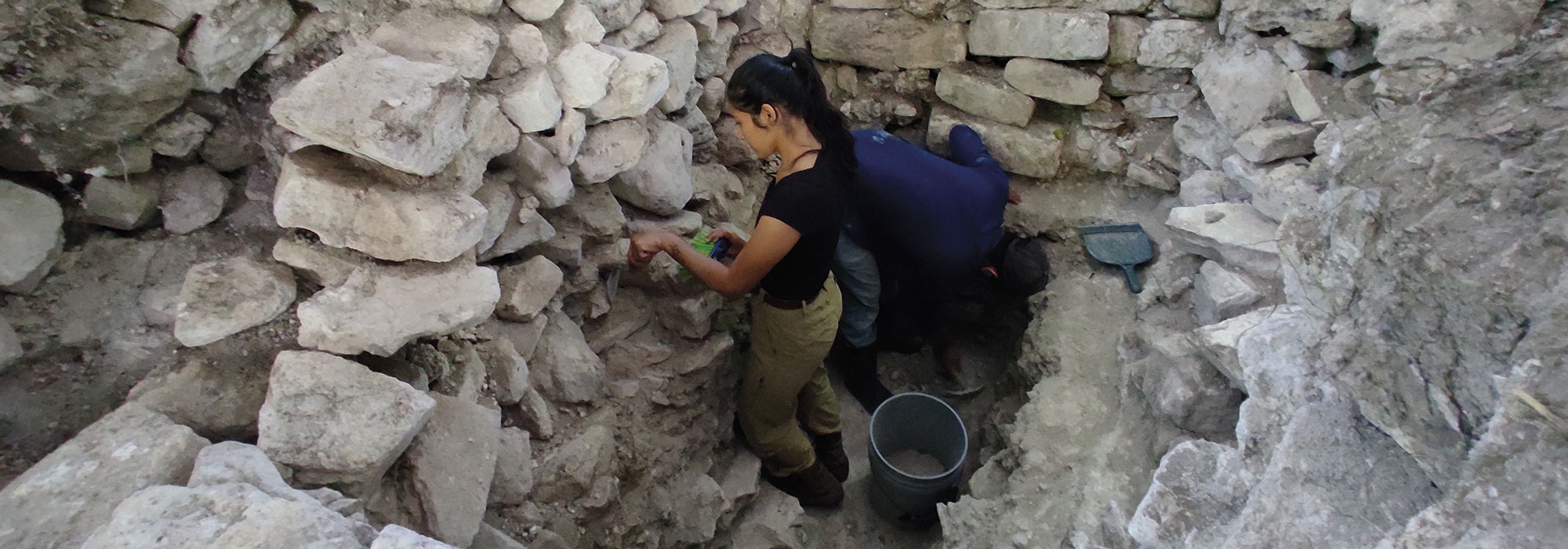 (Courtesy Proyecto Arqueológico Ucanal)
 -
Features July/August 2024
Making a Roman Emperor
A newly discovered monumental arch in Serbia reveals a family’s rise to power in the late second century a.d.
 (Serbia’s Institute of Archaeology)
 -
Features July/August 2024
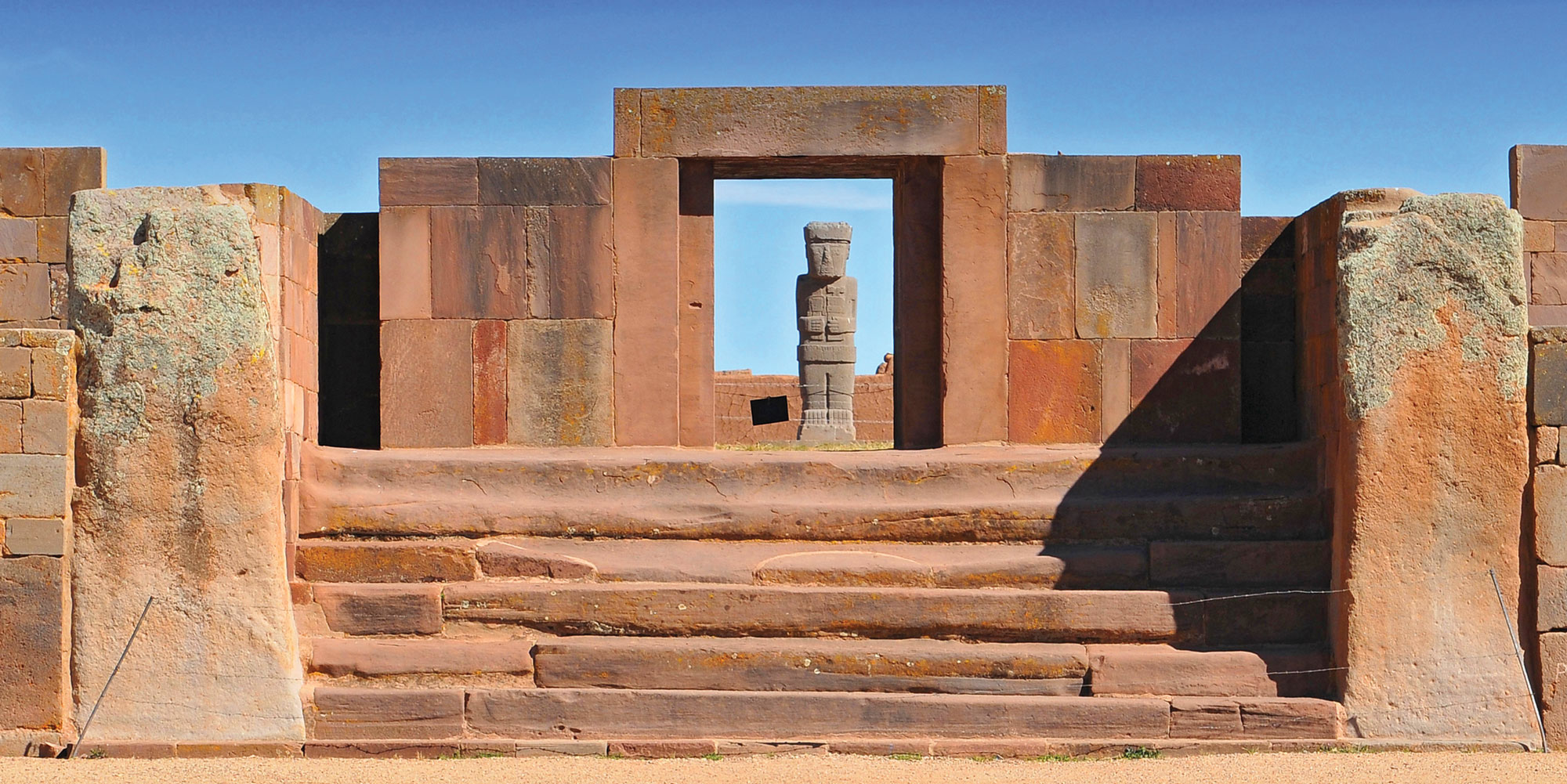
Rise and Fall of Tiwanaku
New dating techniques are unraveling the mystery of a sacred Andean city