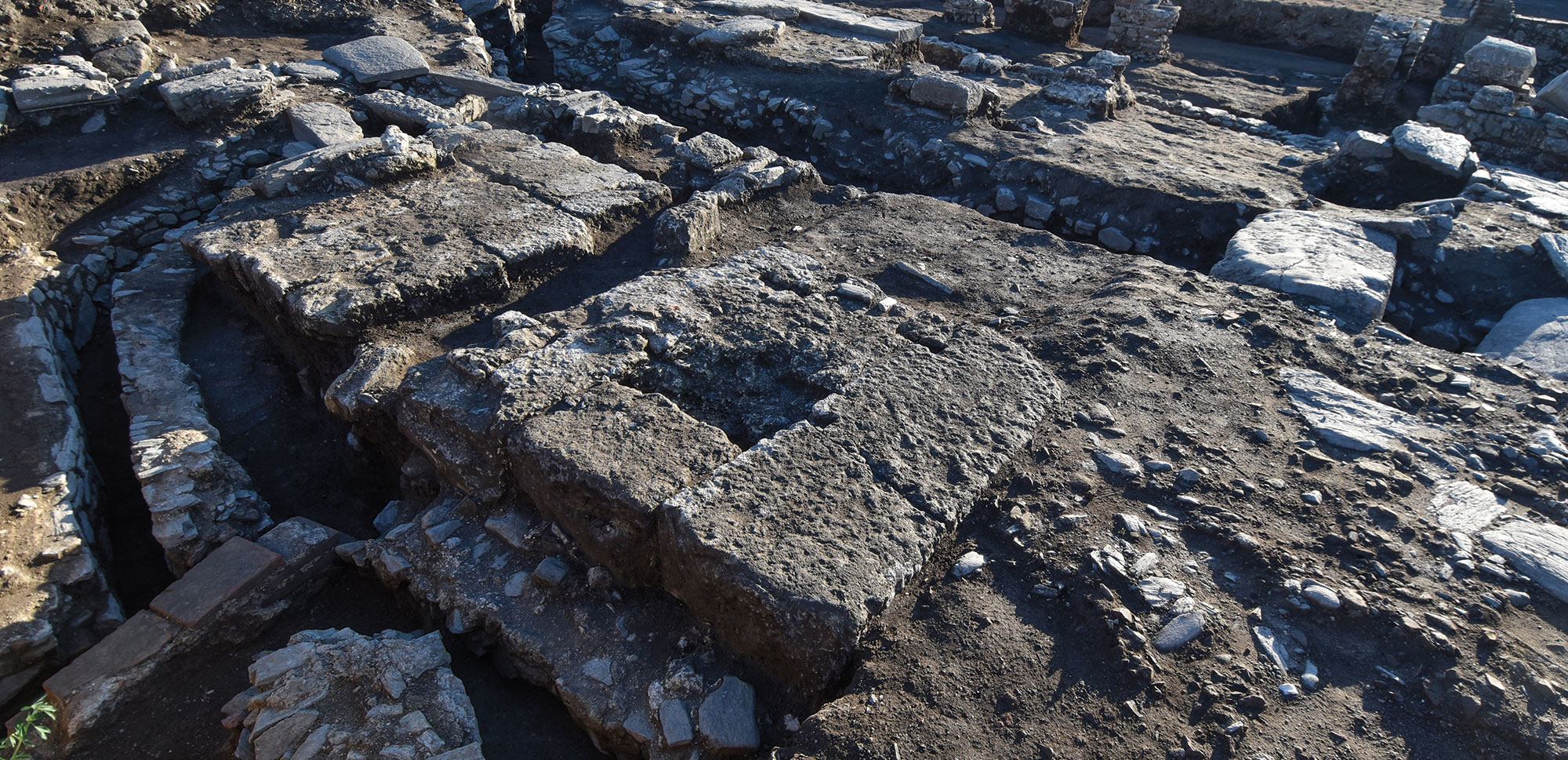
ZÁHORIE, SLOVAKIA—According to a report in The Slovak Spectator, the remains of 13 executed people have been uncovered at the Holíč gallows, a site in western Slovakia near the border with the Czech Republic. The structure is thought to have been used from the sixteenth century to the first half of the eighteenth century. “For now, we have confirmation from an anthropologist that these are mostly younger men,” archaeologist Daniel Bešina said of the skeletal remains. “The remains of women on the gallows have not yet been identified, which is not unusual, since women rarely ended up on the gallows,” he explained. Two metal buckles were found with the remains of two individuals. Remnants of textiles were found on one of the buckles. Severed cervical vertebrae on two sets of remains suggest that at least two of the executed individuals had been beheaded. The right hand of one of these men had been cut off either before or shortly after death—a punishment reserved for crimes such as perjury, or drawing a sword against a mayor. Another two sets of remains were positioned with their hands behind their backs, which suggests that they may have been hanged. Bešina and his colleagues also uncovered two stone and masonry columns connected with a wall from the gallows structure. Similar structures have been found in Austria and Switzerland, Bešina concluded. To read about an unusual mass grave uncovered at Slovakia's Neolithic site of Vráble, go to "Neolithic Mass Grave Mystery."
Gallows Burials Unearthed in Slovakia
News June 25, 2024
Recommended Articles
Digs & Discoveries May/June 2021
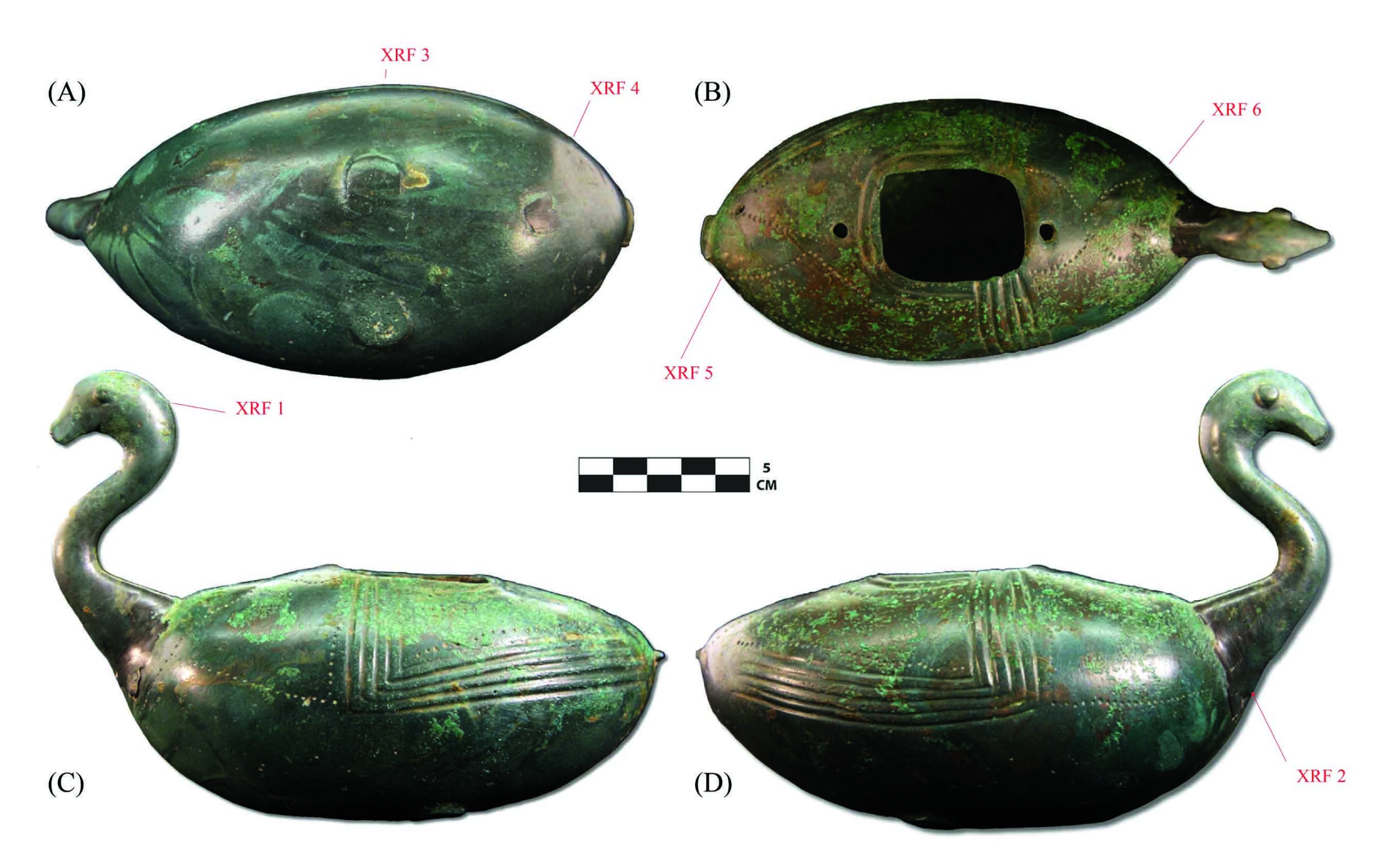
Swan Songs
Features July/August 2026
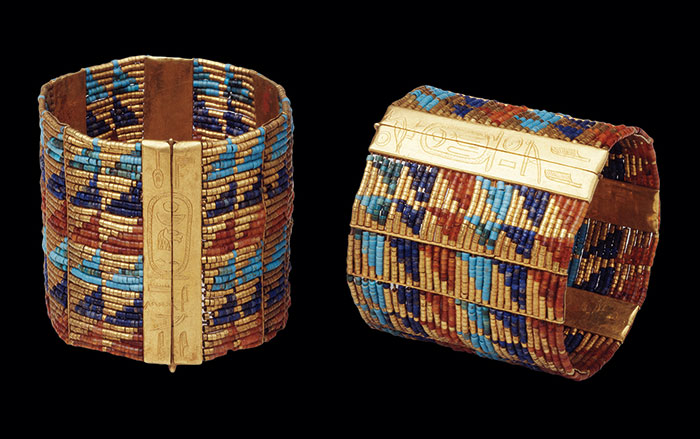
Egypt's First Queen
How a trailblazing ruler pulled her realm back from the brink
Features July/August 2026
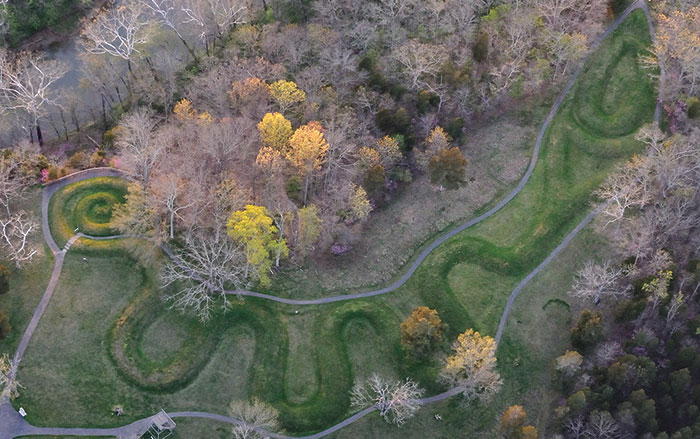
Secrets of the Serpent
Is a Native American origin story embedded in Ohio’s colossal earthwork?
Features July/August 2026
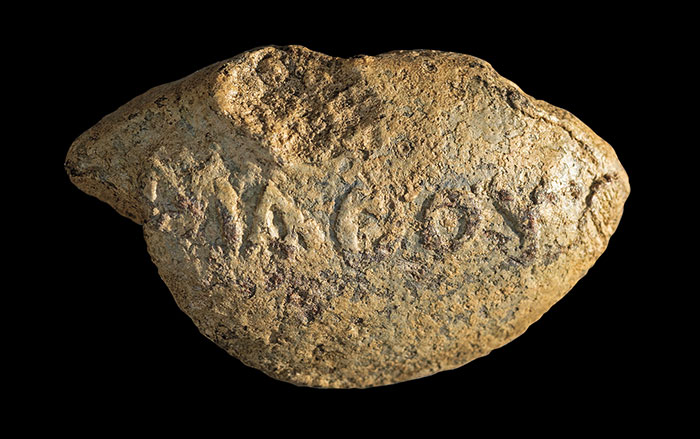
Slinging Insults
Greek and Roman soldiers fired pointed barbs at their enemies
More to Discover
Features July/August 2024
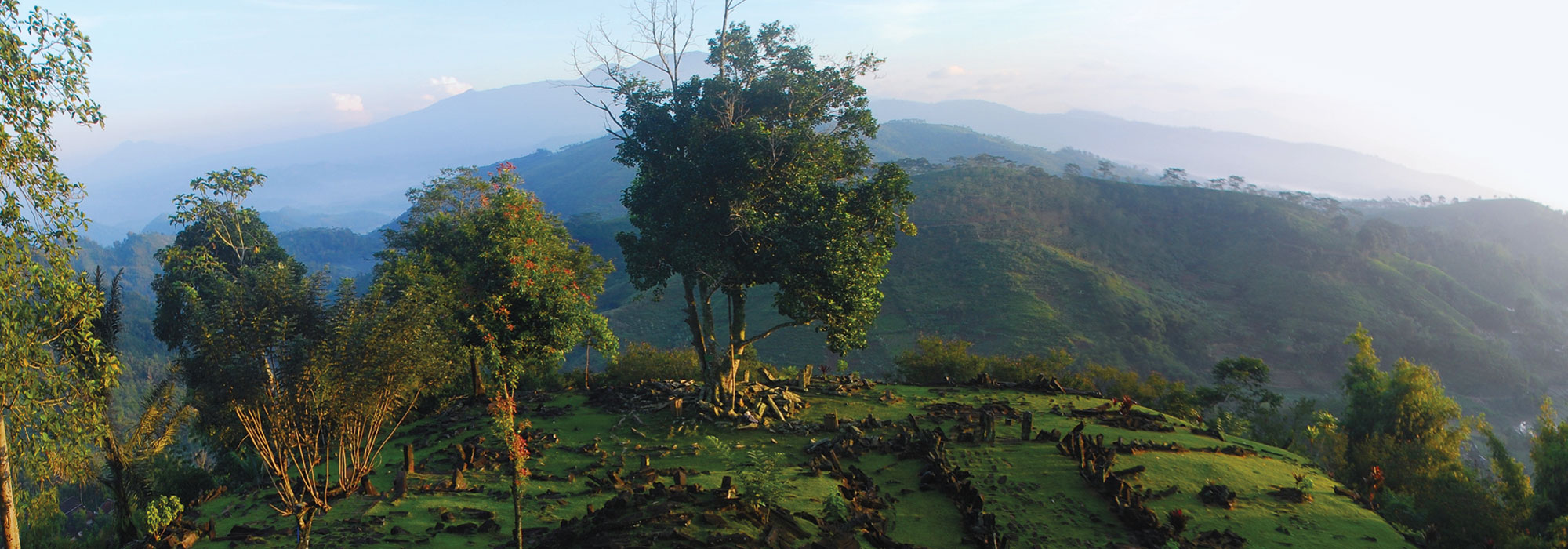
Java's Megalithic Mountain
Across the Indonesian archipelago, people raised immense stones to honor their ancestors
-
Features July/August 2024
The Assyrian Renaissance
Archaeologists return to Nineveh in northern Iraq, one of the ancient world’s grandest imperial capitals
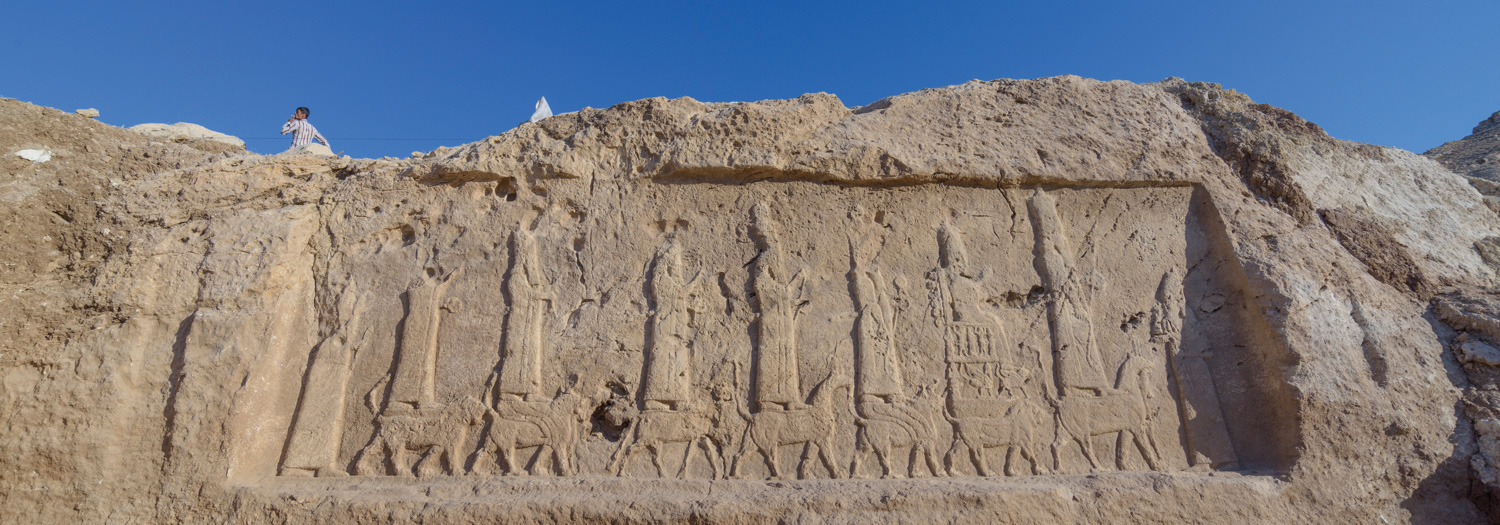 (Land of Nineveh Archaeological Project)
 -
Features July/August 2024
A Dynasty Born in Fire
How an upstart Maya king forged a new social order amid chaos
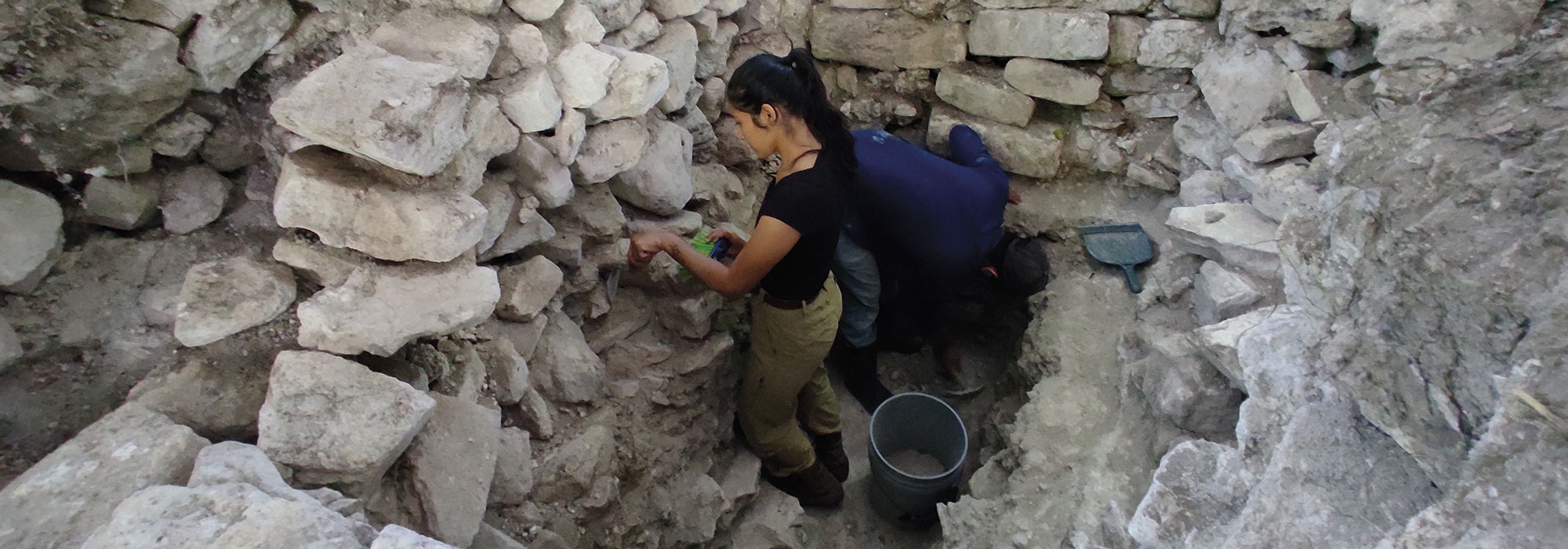 (Courtesy Proyecto Arqueológico Ucanal)
 -
Features July/August 2024
Making a Roman Emperor
A newly discovered monumental arch in Serbia reveals a family’s rise to power in the late second century a.d.
 (Serbia’s Institute of Archaeology)
 -
Features July/August 2024
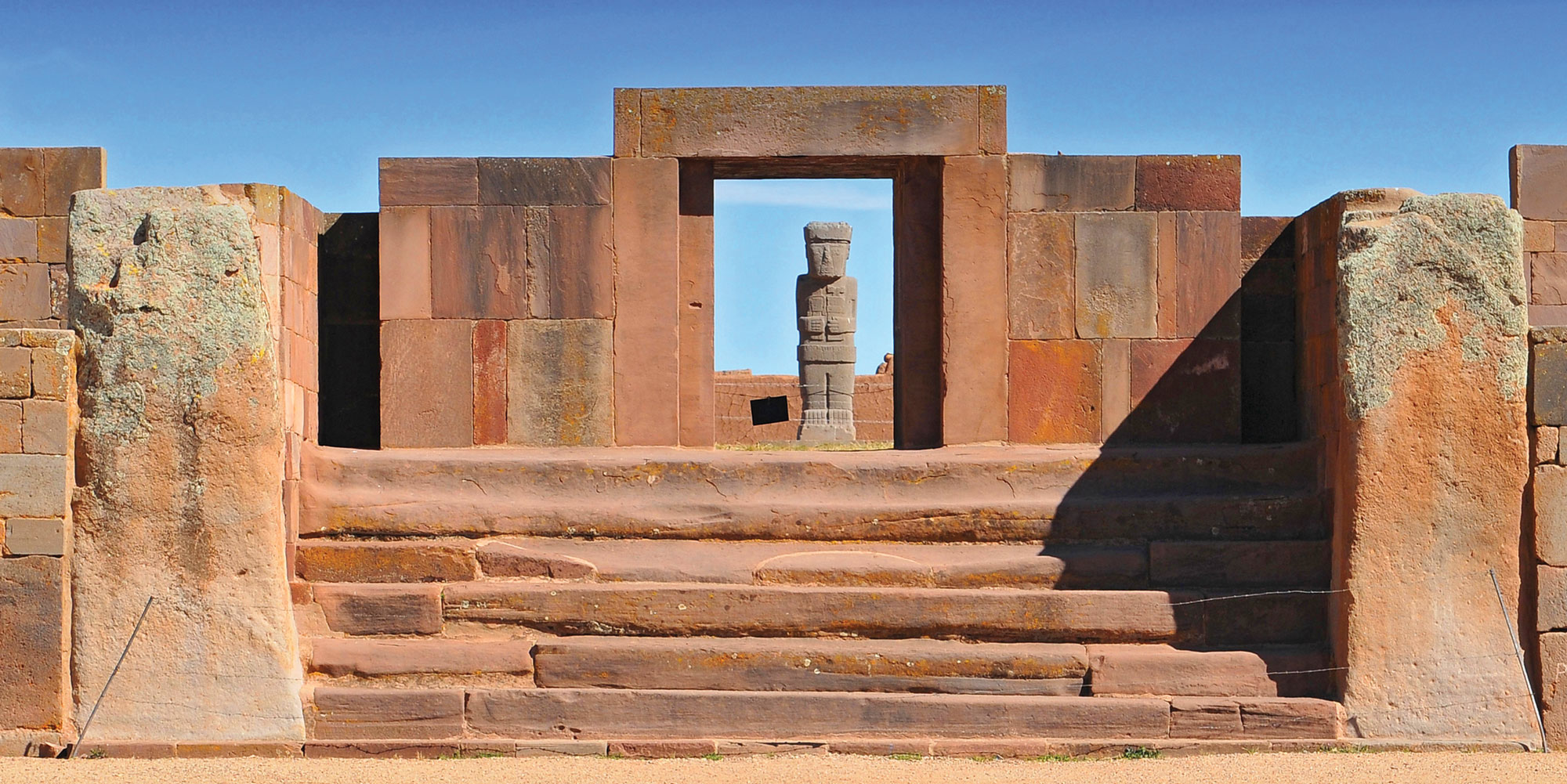
Rise and Fall of Tiwanaku
New dating techniques are unraveling the mystery of a sacred Andean city