

LEIDEN, THE NETHERLANDS—According to a report by the Anadolu Agency, descendants of western Anatolian farmers traveled through Thrace and the Balkans and mixed with local hunter-gatherers in Europe, resulting in a 70- to 100-percent turnover of the ancestry of the European population between 6500 and 4000 B.C. This new group became known as Early European Farmers. But Iñigo Olalde of the University of the Basque Country, and Eveline Altena, Quentin Bourgeois, and Harry Fokkens of Leiden University, also determined that in the wetland, riverine, and coastal zones of northwestern Europe, hunter-gatherer populations survived for another 3,000 years. In these areas of the Netherlands, Belgium, and western Germany, women with Anatolian ancestry joined local hunter-gatherer communities. The wetlands would have been a good source of wild resources but unsuitable for farming, the researchers explained. For more on hunter-gatherer population dynamics throughout Europe, go to "Ancient DNA Revolution: Danish Turnovers."
How Hunter-Gatherers Persisted in Northwestern Europe’s Wetlands
News March 4, 2026
Recommended Articles
Digs & Discoveries July/August 2022
The Great Maize Migration
Digs & Discoveries January/February 2022
Japan's Genetic History
Digs & Discoveries November/December 2016
Coast over Corridor
Letter from Bulgaria May/June 2026
Capitals of Khans and Tsars
The untold story of how the Bulgarian Empire challenged medieval Europe’s great powers
More to Discover
Features March/April 2026
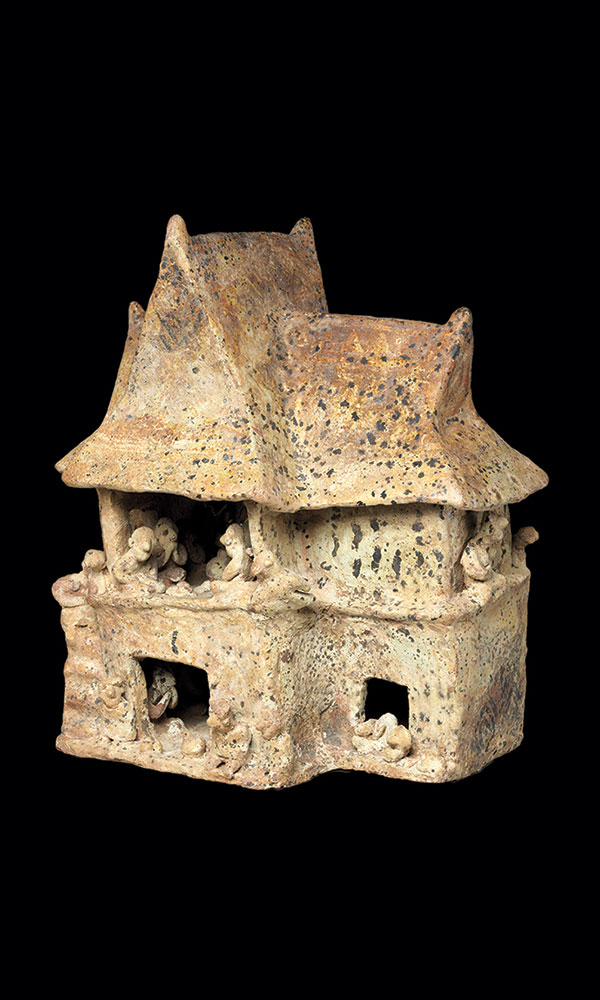
Model Homes
A look inside miniature worlds created for the living, the dead, and the divine

-
Features March/April 2026
Pompeii's House of Dionysian Delights
Vivid frescoes in an opulent dining room celebrate the wild rites of the wine god
 Courtesy Archaeological Park of Pompeii
 -
Features March/April 2026
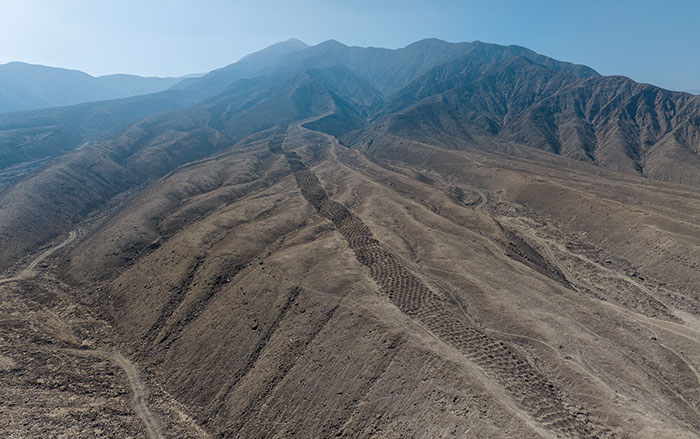
Return to Serpent Mountain
Discovering the true origins of an enigmatic mile-long pattern in Peru’s coastal desert
 Courtesy J.L. Bongers
 -
Features March/April 2026
Himalayan High Art
In a remote region of India, archaeologists trace 4,000 years of history through a vast collection of petroglyphs
 Matt Stirn
 -
Features March/April 2026
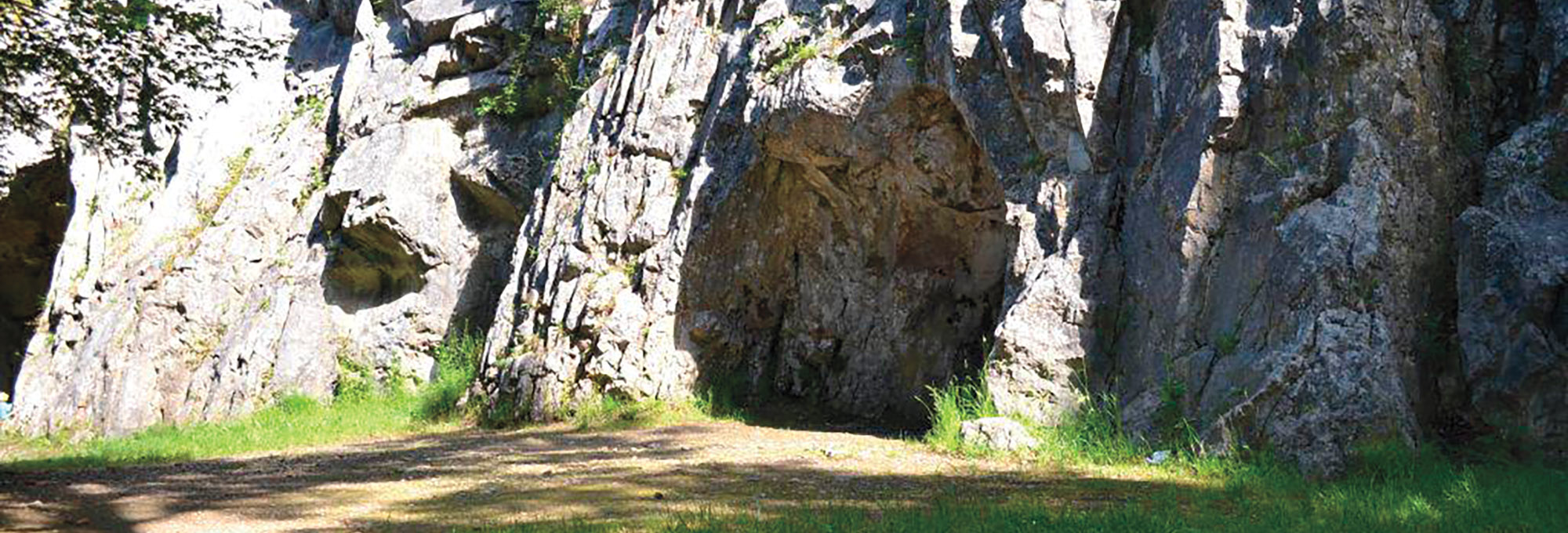
What Happened in Goyet Cave?
New analysis of Neanderthal remains reveals surprisingly grim secrets
 IRSNB/RBINSL