

NASHVILLE, TENNESSEE—According to a statement released by the Nature Publishing Group, Anopheles leucosphyrus mosquitoes may have evolved to feed on humans in Southeast Asia. Upasana Shyamsunder Singh of Vanderbilt University, Catherine Walton of the University of Manchester, and their colleagues sequenced DNA from 38 modern-day mosquitoes from 11 species in the leucosphyrus group. Then the researchers employed computer models and estimates of DNA mutation rates to reconstruct the evolution of these mosquitoes. The study suggests that the bugs switched from feeding on non-human primates to early humans in the region of Sundaland, an area including the Malay Peninsula, Borneo, Sumatra, and Java, between 2.9 and 1.6 million years ago. This timeline supports the limited fossil evidence indicating that Homo erectus lived in Southeast Asia some 1.8 million years ago, the researchers concluded. Read the original scholarly article about this research in Scientific Reports. To read about the arrival of Homo sapiens to the region, go to "Settling Southeast Asia."
Mosquitoes Hint at Homo Erectus Migration
News March 5, 2026
Recommended Articles
Digs & Discoveries July/August 2022
The Great Maize Migration
Digs & Discoveries January/February 2022
Japan's Genetic History
Digs & Discoveries November/December 2016
Coast over Corridor
Model Homes March/April 2026
Doorways for the Dead
LOCATION: Thebes, Egypt
DATES: Ca. 1981–1975 b.c.
More to Discover
Features March/April 2026
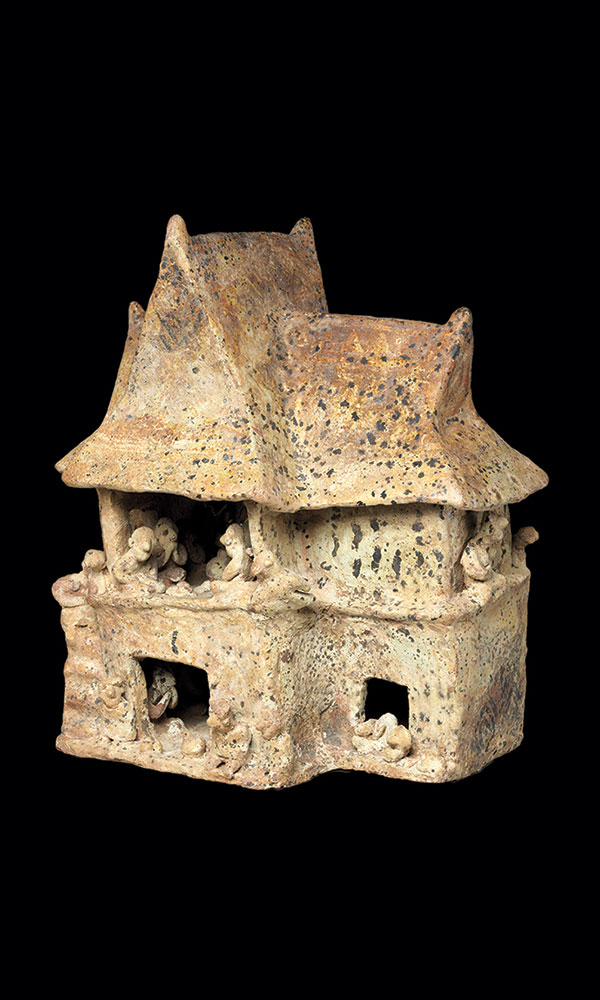
Model Homes
A look inside miniature worlds created for the living, the dead, and the divine

-
Features March/April 2026
Pompeii's House of Dionysian Delights
Vivid frescoes in an opulent dining room celebrate the wild rites of the wine god
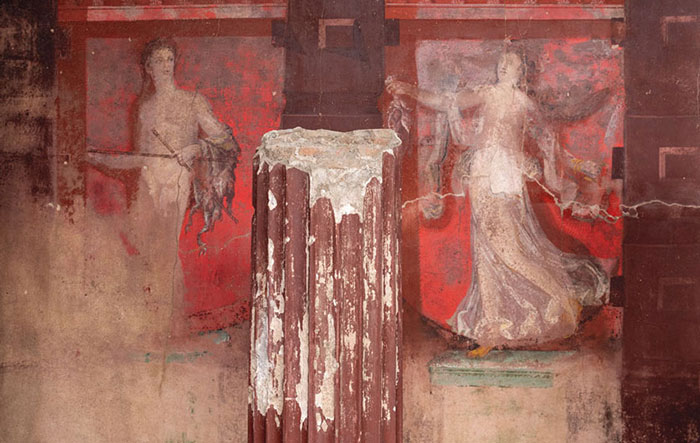 Courtesy Archaeological Park of Pompeii
 -
Features March/April 2026
Return to Serpent Mountain
Discovering the true origins of an enigmatic mile-long pattern in Peru’s coastal desert
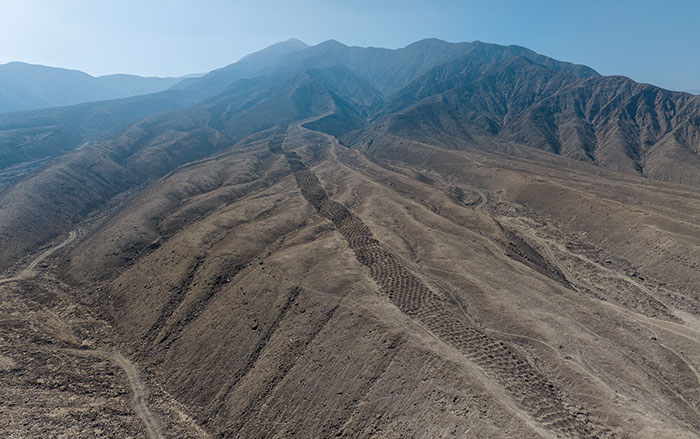 Courtesy J.L. Bongers
 -
Features March/April 2026
Himalayan High Art
In a remote region of India, archaeologists trace 4,000 years of history through a vast collection of petroglyphs
 Matt Stirn
 -
Features March/April 2026
What Happened in Goyet Cave?
New analysis of Neanderthal remains reveals surprisingly grim secrets
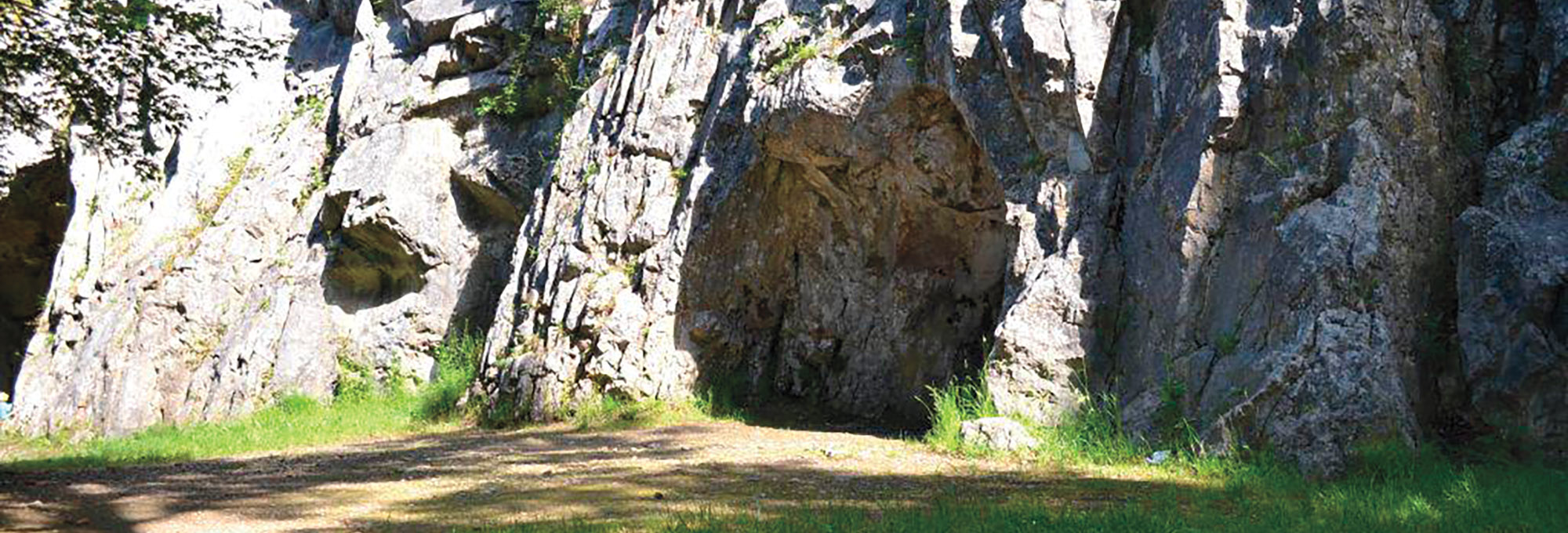 IRSNB/RBINSL