

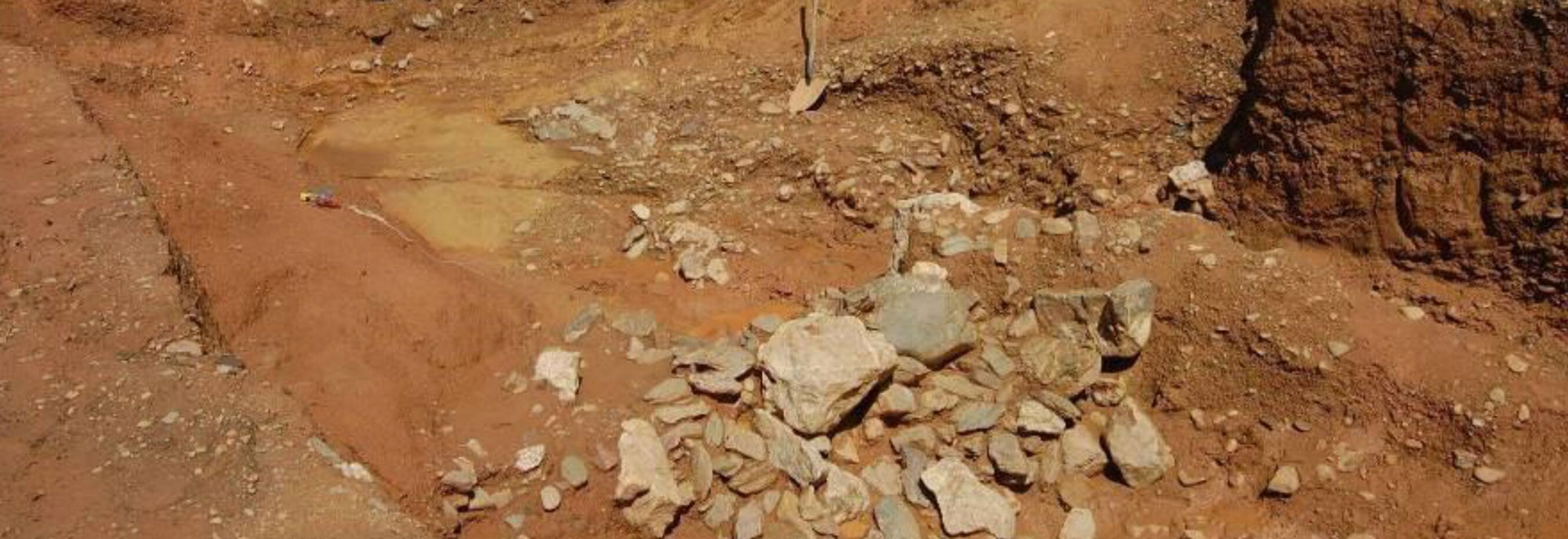
BARCELONA, SPAIN—According to a statement released by the Autonomous University of Barcelona (UAB), the Romans extracted gold from alluvial deposits in the Eastern Pyrenees. Using optically stimulated luminescence dating techniques, Oriol Olesti Vila of the UAB and Jorge Sanjurjo-Sánchez of the University of A Coruña dated two samples of fill from the remains of an ancient hydraulic structure on the Segre River to the third and fourth centuries A.D. The researchers explained that Roman miners would have eroded gold deposits from the riverbanks with water, and then washed them, either by channeling water through the sediments or flooding the sediments with pressurized water to extract the gold. The mining operation was likely supported by Iulia Livica, the only documented Roman city in the Pyrenees, which was located about six miles away. Read the original scholarly article about this research in Land. To read about Roman exploitation of Iberian silver mines, go to "Spain's Silver Boom."
Roman Gold Mining Operation Identified in Spain
News March 5, 2026
Recommended Articles
Digs & Discoveries November/December 2023
The Medusa of Mérida
Digs & Discoveries September/October 2018
Making an Entrance
Digs & Discoveries March/April 2026
Roman River Barge
Digs & Discoveries March/April 2026
Roman Gaul’s Literati
More to Discover
Features March/April 2026
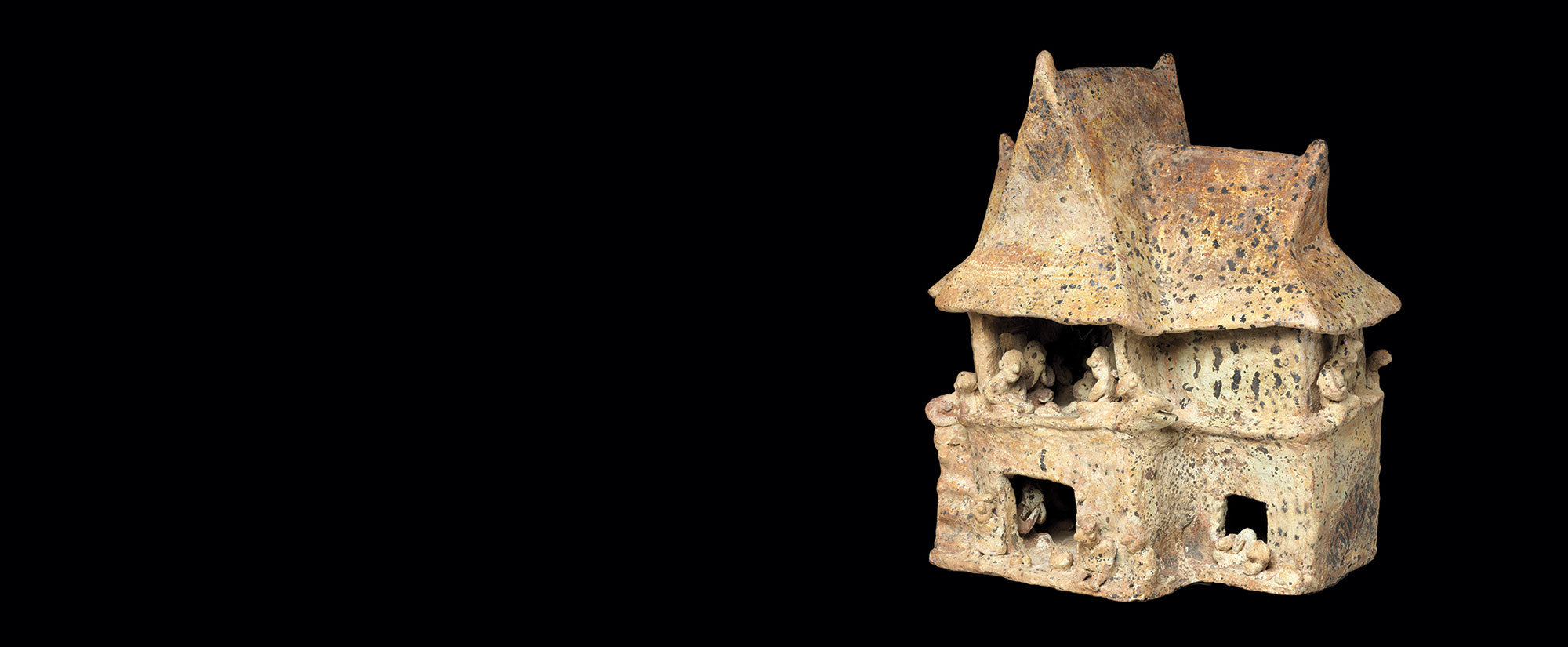
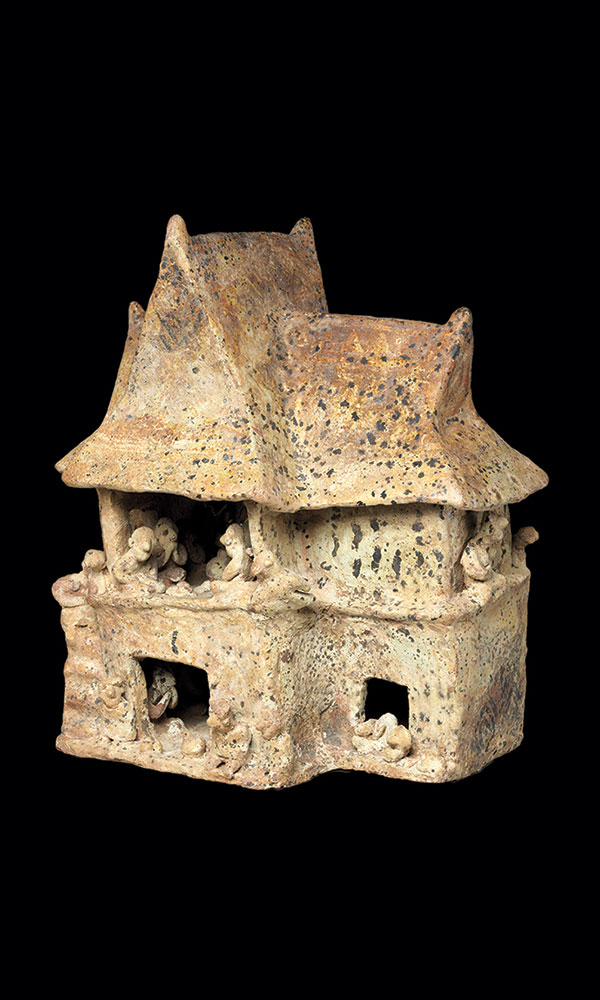
Model Homes
A look inside miniature worlds created for the living, the dead, and the divine
-
Features March/April 2026
Pompeii's House of Dionysian Delights
Vivid frescoes in an opulent dining room celebrate the wild rites of the wine god
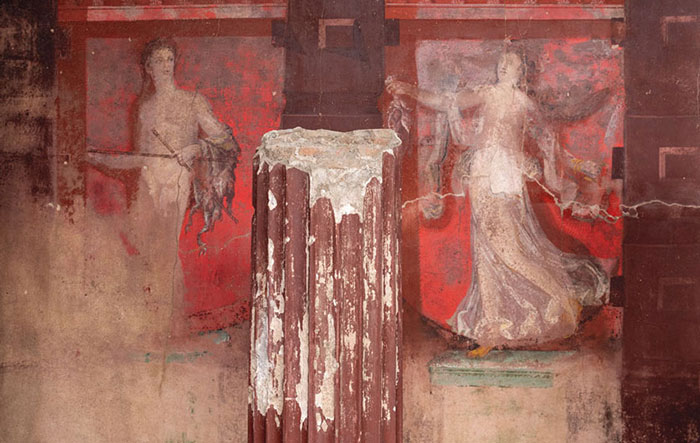 Courtesy Archaeological Park of Pompeii
 -
Features March/April 2026
Return to Serpent Mountain
Discovering the true origins of an enigmatic mile-long pattern in Peru’s coastal desert
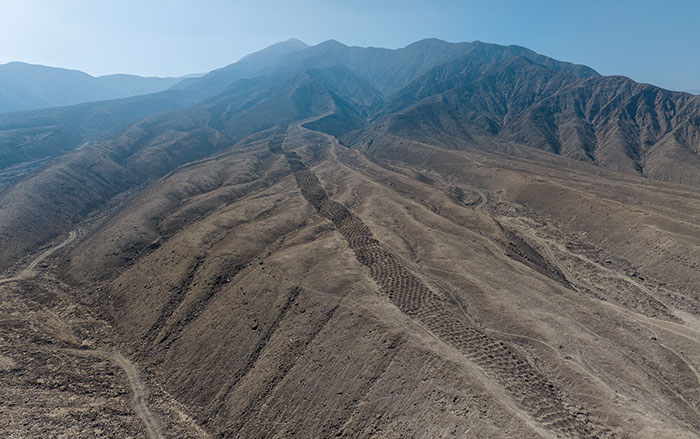 Courtesy J.L. Bongers
 -
Features March/April 2026
Himalayan High Art
In a remote region of India, archaeologists trace 4,000 years of history through a vast collection of petroglyphs
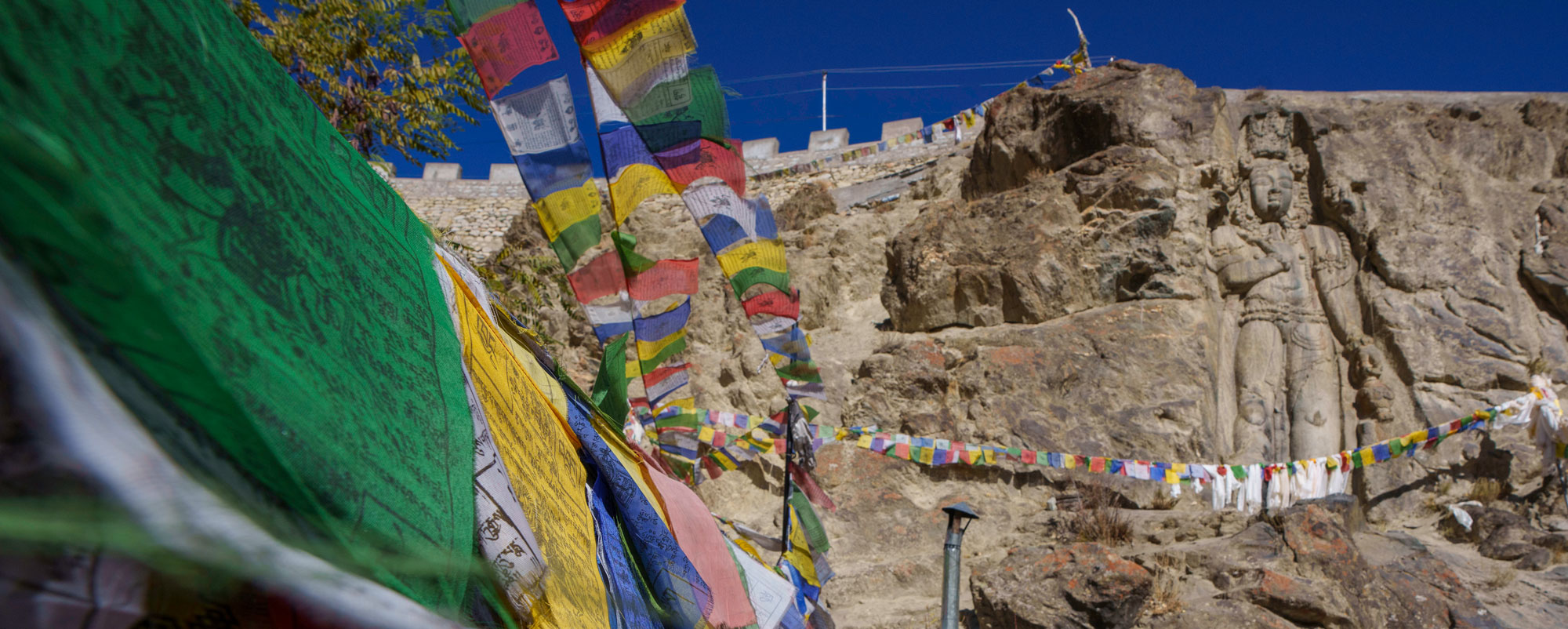 Matt Stirn
 -
Features March/April 2026
What Happened in Goyet Cave?
New analysis of Neanderthal remains reveals surprisingly grim secrets
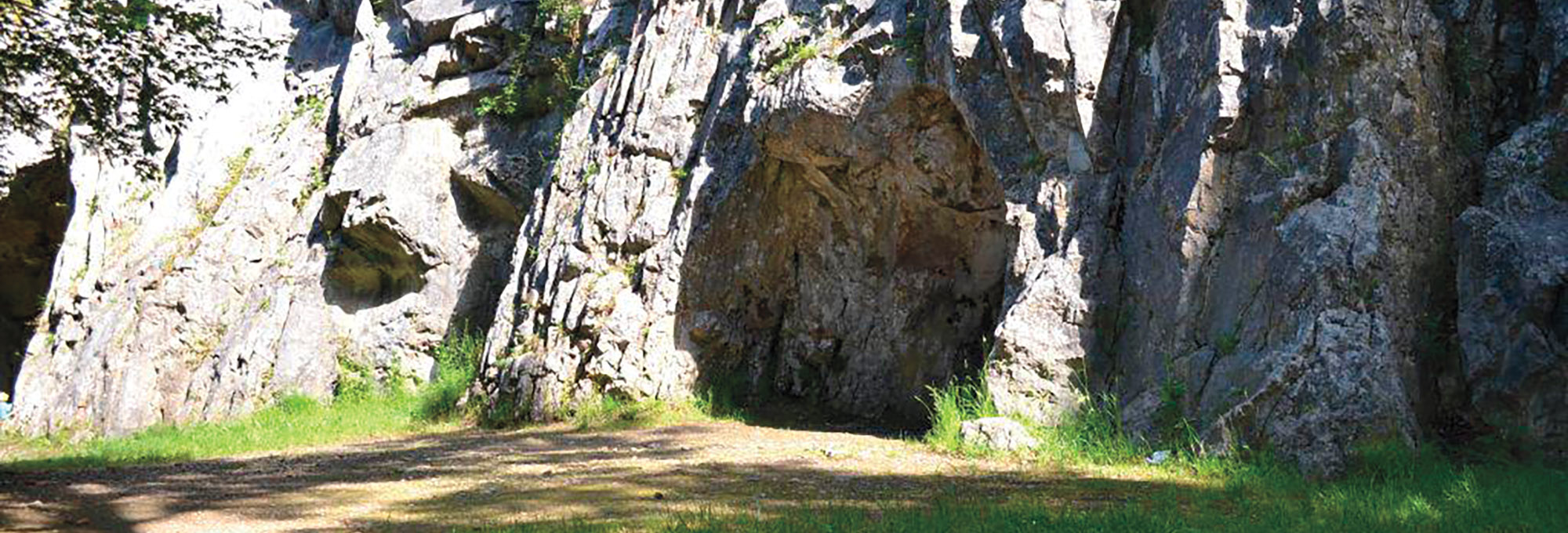 IRSNB/RBINSL