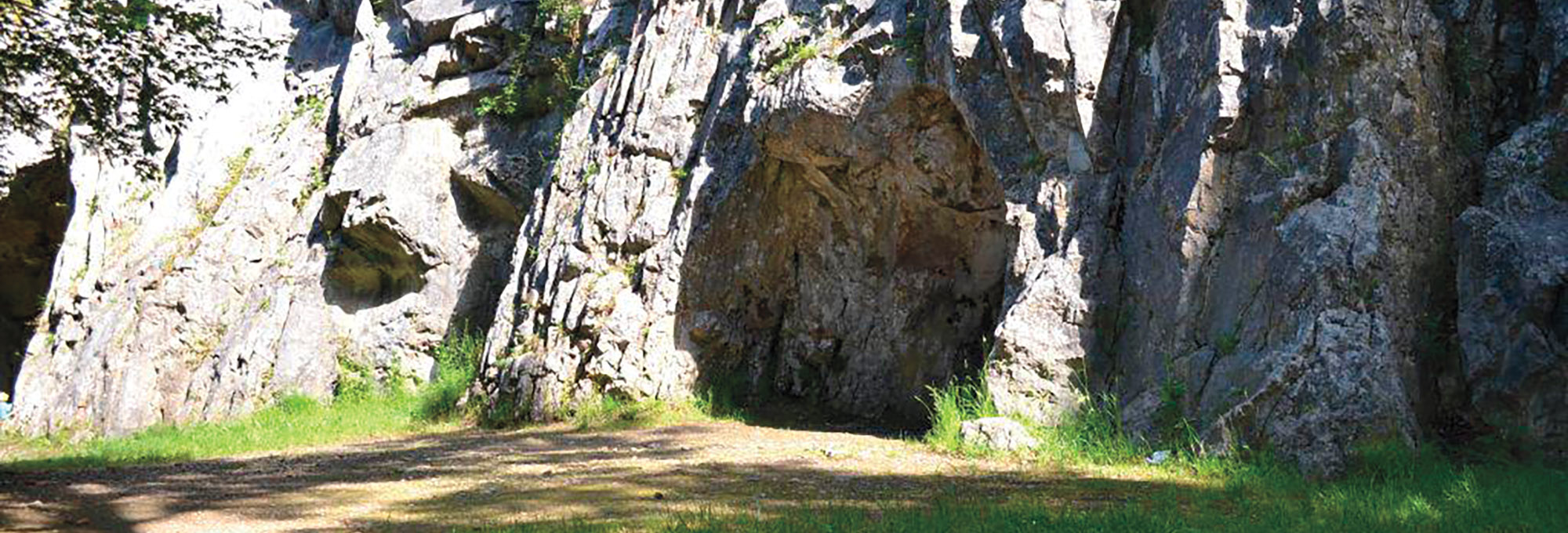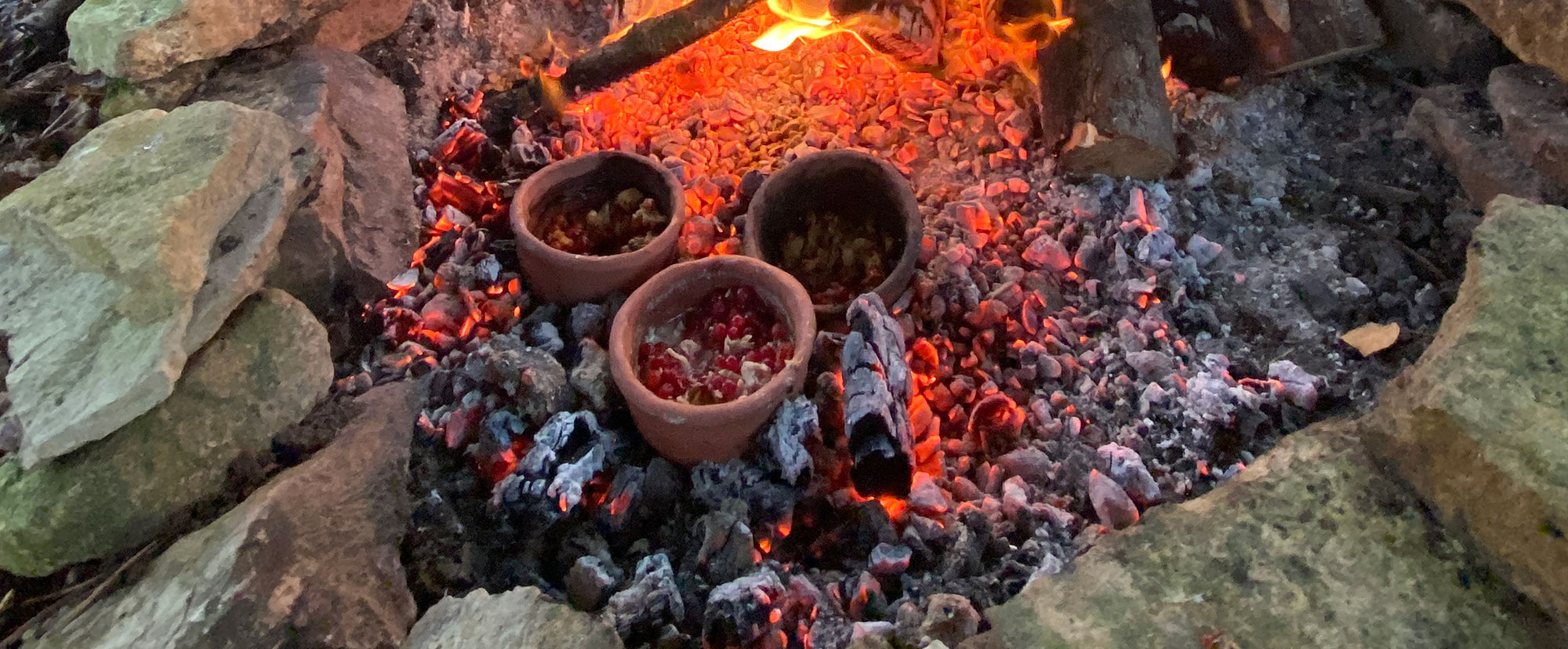
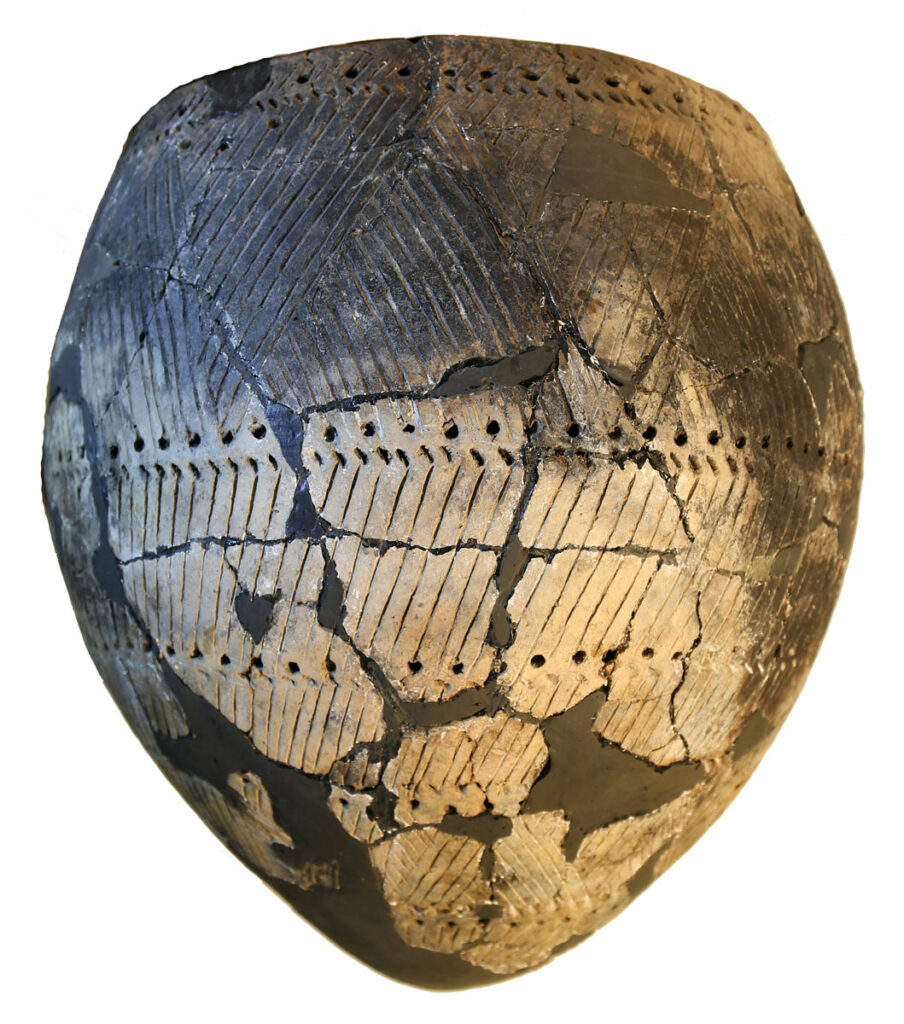
YORK, ENGLAND—According to a statement released by the Public Library of Science, Lara González Carretero of the University of York and her colleagues analyzed residues in 58 pieces of pottery unearthed at 13 different archaeological sites in northern and eastern Europe. The pottery was dated to between the sixth and third millennia B.C. The scientists employed scanning electron microscopy to look for traces of plants in addition to chemical analysis of fatty residues left behind by animal foods. They detected traces of a wide variety of plants, including grasses, berries, leaves, and seeds, that had been cooked with a variety of seafoods and meats. The ingredients in these complex meals varied by region according to what would have been locally available, González Carretero said. Read the original scholarly article about this research in PLOS One. To read about a study of food residues on pottery used by Indigenous Brazilians some 4,000 years ago, go to "Something's Fishy."