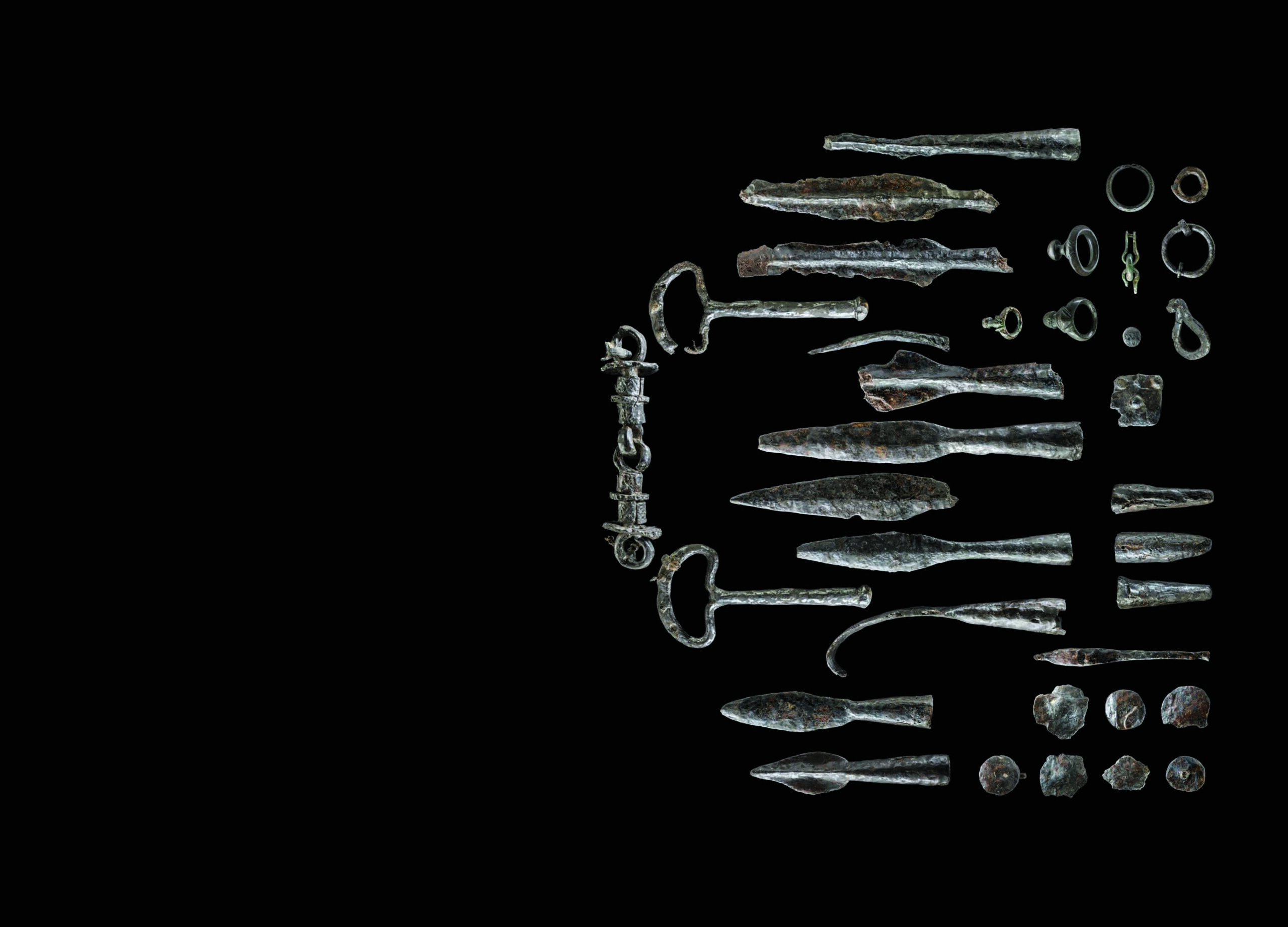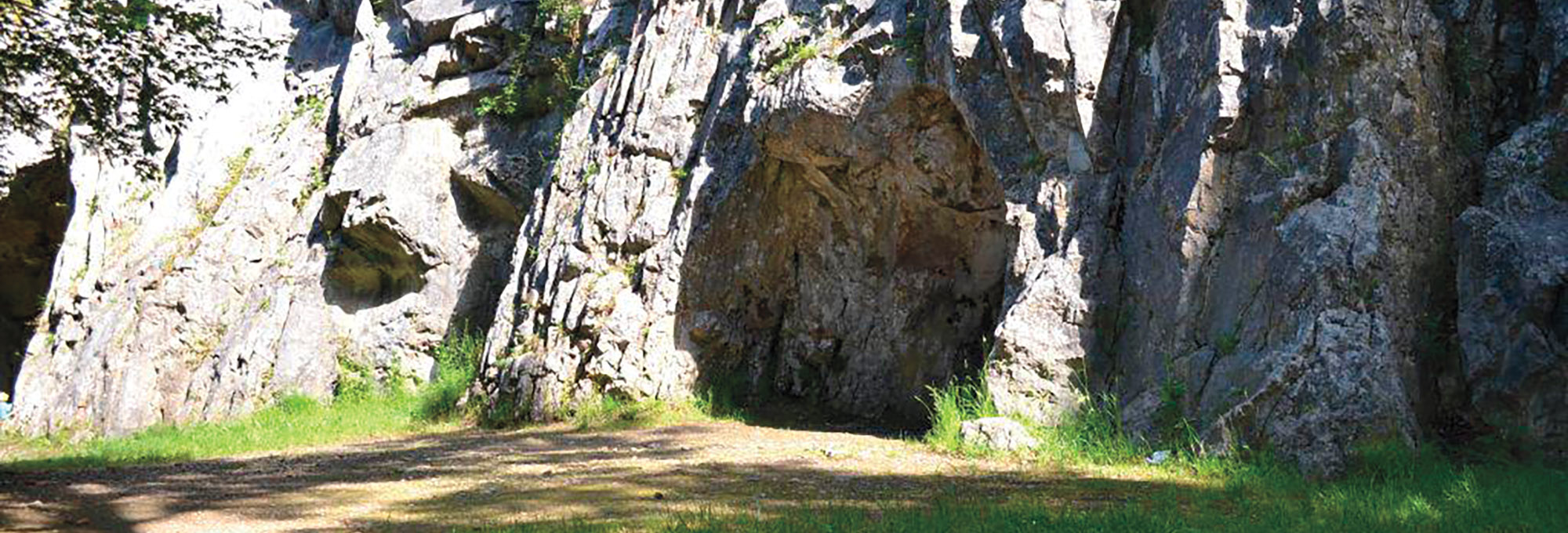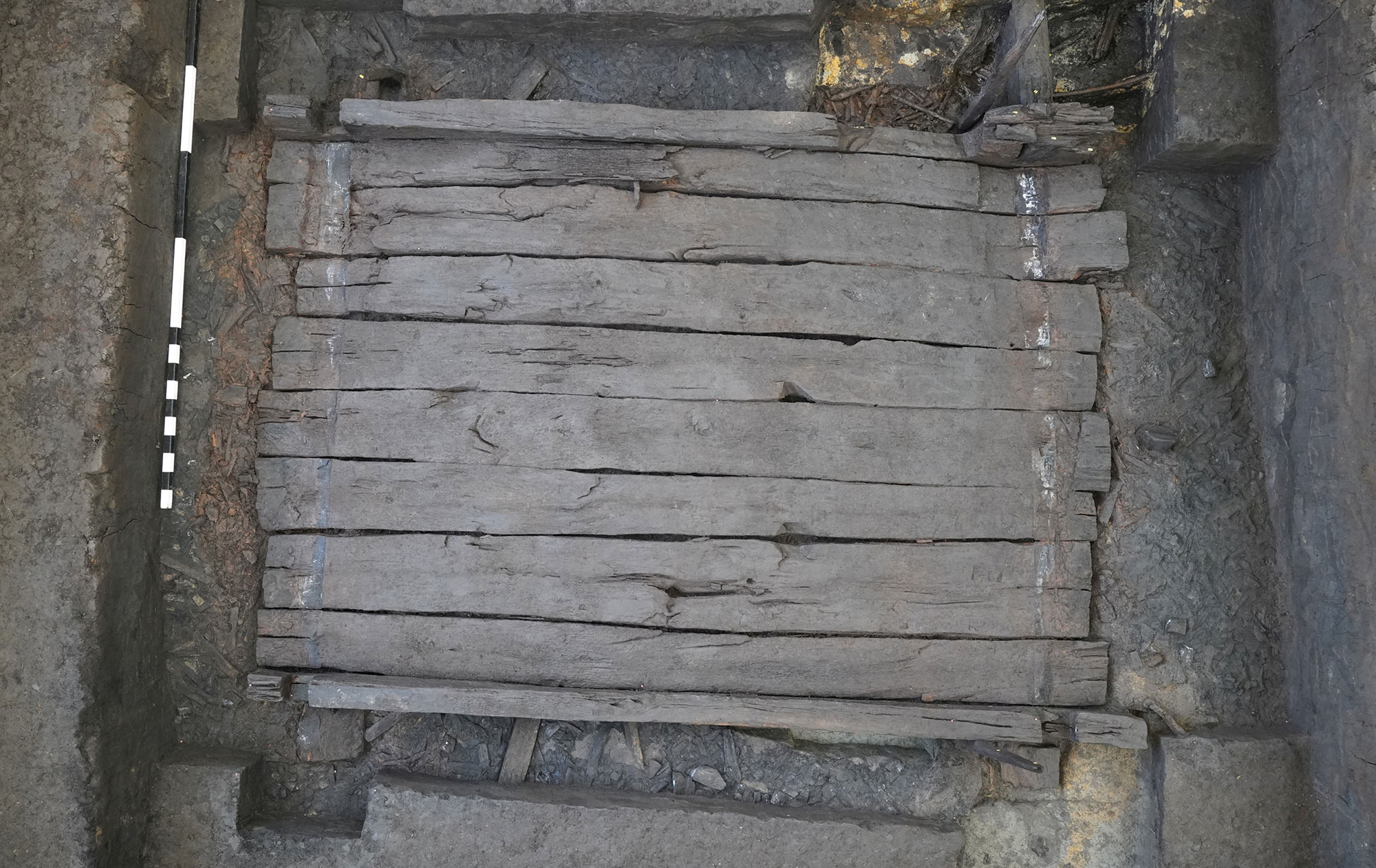
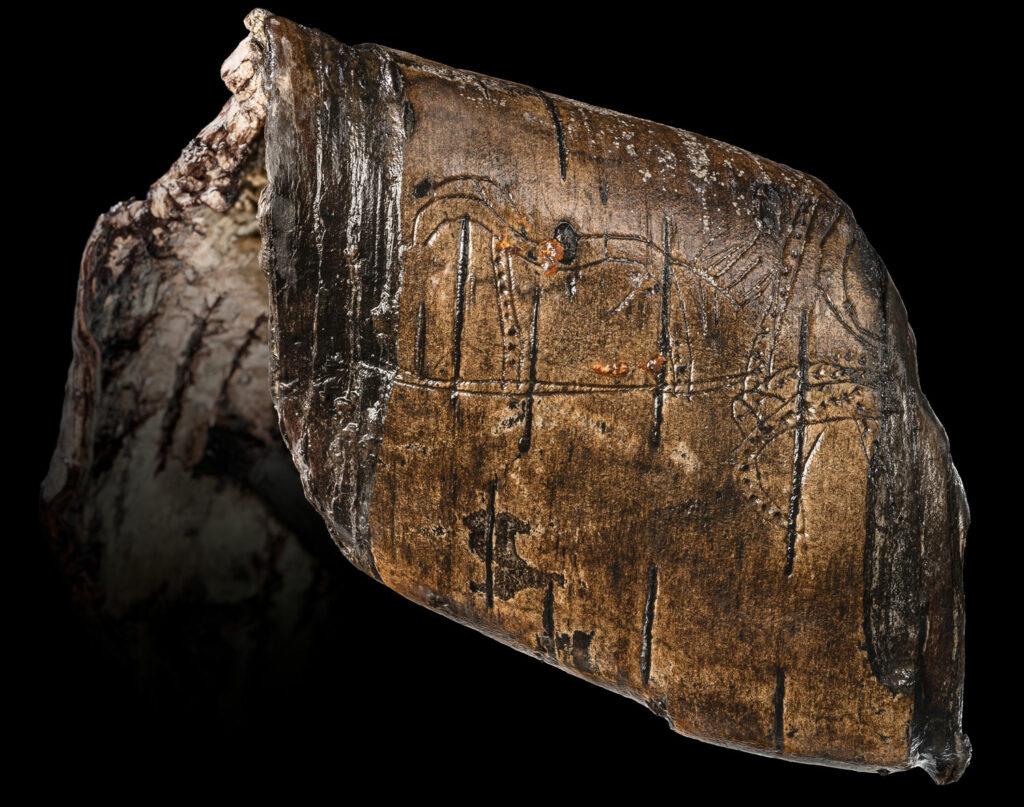
STUTTGART, GERMANY—La Brújula Verde reports that archaeologists Dirk Krausse and Roberto Tarpini have examined artifacts recovered from a Celtic burial chamber discovered in southwestern Germany in 2023. More than 2,000 years ago, grave robbers dug a shaft through the Riedlingen mound and took any gold, bronze, and iron objects that may have been interred in the wood-lined burial chamber. But Krausse and Tarpini said that when the looters’ tunnel was filled, it trapped many of the objects they had discarded in a humid, oxygen-poor environment, which contributed to their preservation. The disarticulated bones recovered from the shaft belonged to a young man between the ages of 17 and 19 at the time of death. Bones from the claws of a brown bear found among his remains suggest that the body had been wrapped in a bearskin when it was removed from the burial chamber. Wooden objects such as a fragment of birch bark incised with a stylized stallion, a stool or a small table, a circular lid, and large pieces of a cart were also recovered from the looters’ shaft. Researchers believe that smaller pieces of wood carved with geometric decorations might have been part of a seat or litter. Objects thought to have been brought to the mound by the looters include remains of torches and two large wicker baskets for carrying earth out of the tunnel. One of the baskets has been radiocarbon dated to the fourth or third century B.C., about two hundred years after the Celtic tomb was constructed. To read about a cache of Celtic coins excavated in northeastern Germany, go to "Golden Lucky Charms."