

TELAVÅG, NORWAY—According to a Science Norway report, a large band of rocks stretching for more than 82 feet has been found at the bottom of the Grindasundet strait off the western coast of Norway. Sixteenth-century sources record that a gate for trapping whales once stood in the bay, but this hunting practice has been dated to the medieval period. Such traps were used to catch minke whales, which were then killed with arrows fired with crossbows. The band of rocks in Grindasundet strait, which is nearly 200 feet wide and 50 feet deep, are thought to have been left behind in the eighteenth century during an attempt to build a stone wall to replace one made of timber and rope weighted with stones. The wooden wall required a great deal of maintenance work, but building a wall with stones became “too large an undertaking,” according to a record made by a priest named Andreas Christie. “It would have required enormous amounts of rock,” commented marine archaeologist Elling Utvik Wammer of the Norwegian Maritime Museum. He suggests that people carried rocks to the site in boats and then dumped them over the side. “It shows how much effort people were willing to invest to avoid building the [wooden] barrier. It also reflects how much work the barrier itself must have required, which in turn says something about how important whaling must have been,” Wammer explained. To read about medieval structures unearthed in Oslo, go to "Royal Wharf."
Traces of 18th-Century Whale Trap Found in Norwegian Waters
News March 18, 2026
Recommended Articles
Digs & Discoveries March/April 2026
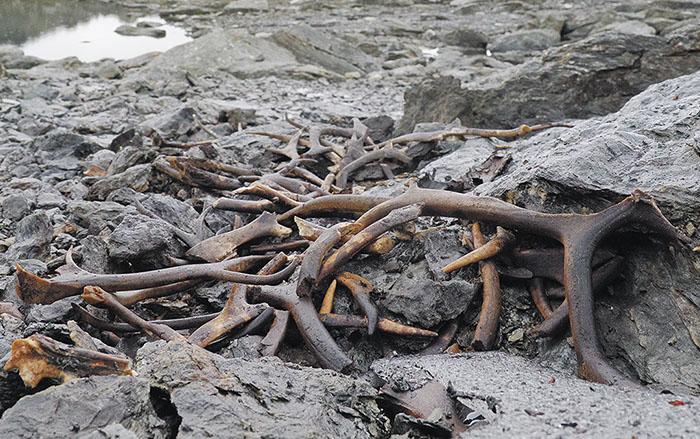
Reindeer Harvest
Digs & Discoveries March/April 2026
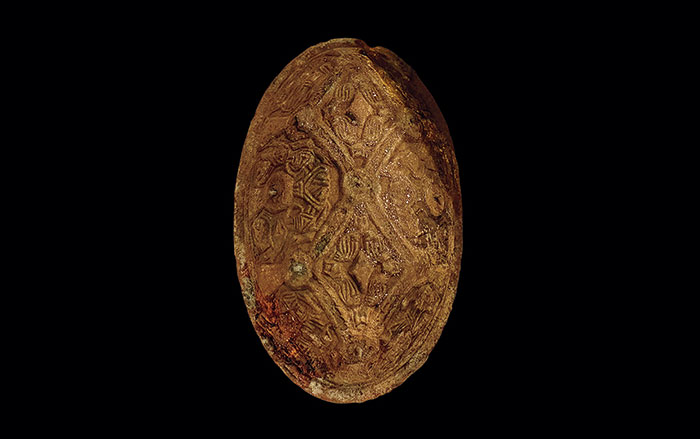
Viking Mollusk Mask
Artifacts November/December 2025
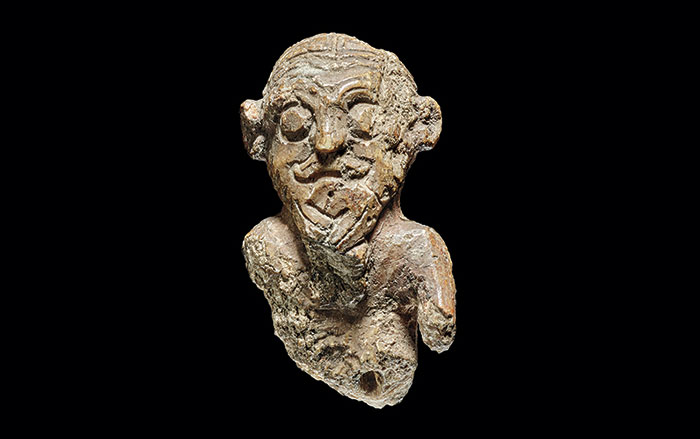
Viking Chess Piece
Digs & Discoveries September/October 2025
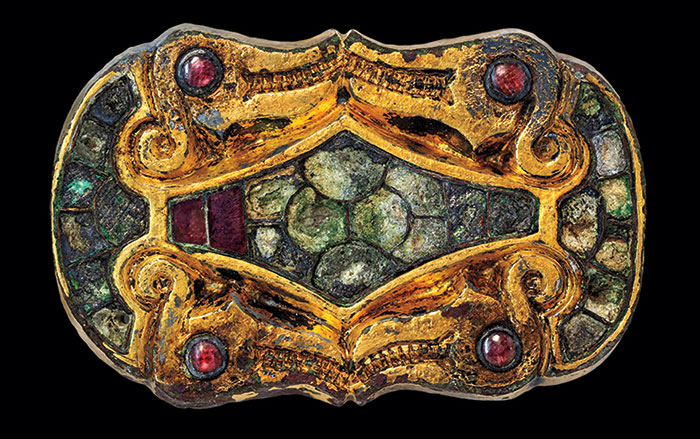
Nordic Metal
More to Discover
Features March/April 2026
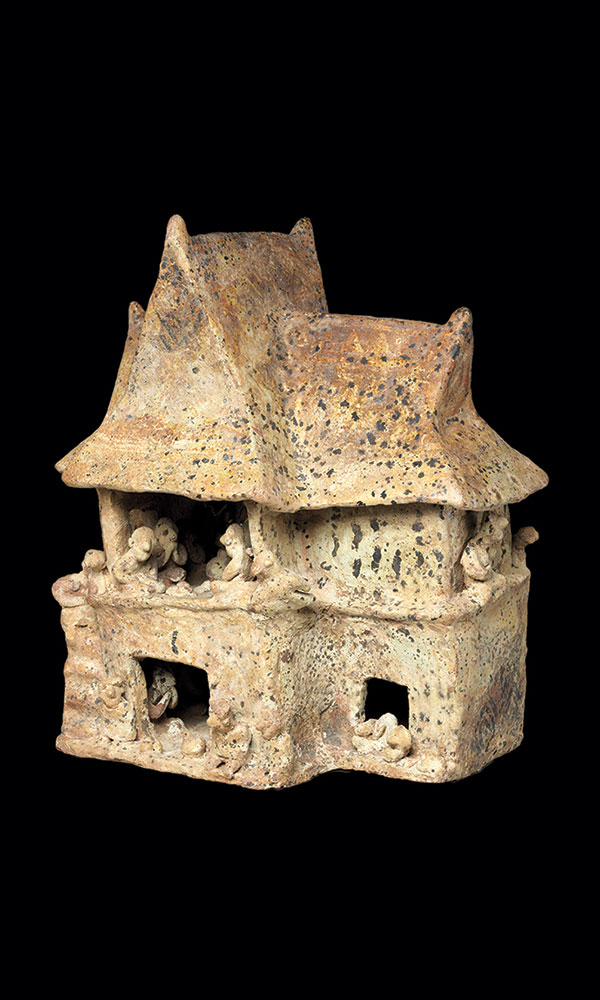
Model Homes
A look inside miniature worlds created for the living, the dead, and the divine

-
Features March/April 2026
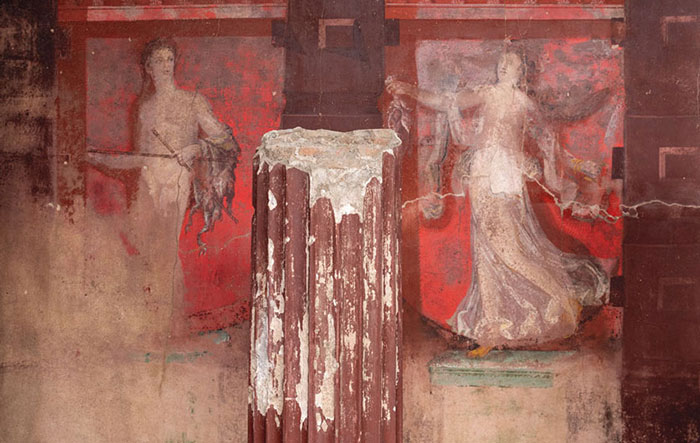
Pompeii's House of Dionysian Delights
Vivid frescoes in an opulent dining room celebrate the wild rites of the wine god
 Courtesy Archaeological Park of Pompeii
 -
Features March/April 2026
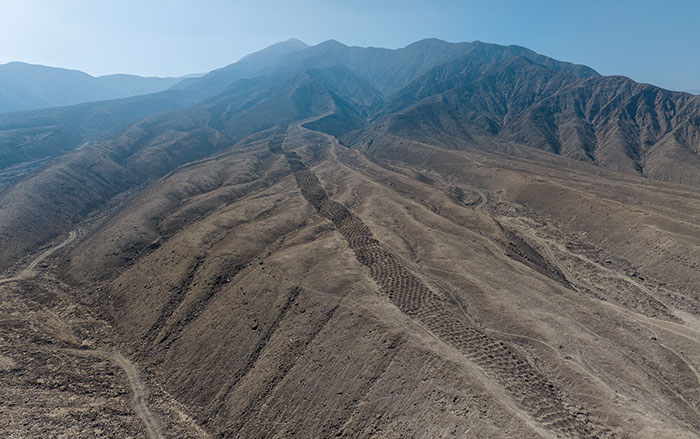
Return to Serpent Mountain
Discovering the true origins of an enigmatic mile-long pattern in Peru’s coastal desert
 Courtesy J.L. Bongers
 -
Features March/April 2026
Himalayan High Art
In a remote region of India, archaeologists trace 4,000 years of history through a vast collection of petroglyphs
 Matt Stirn
 -
Features March/April 2026
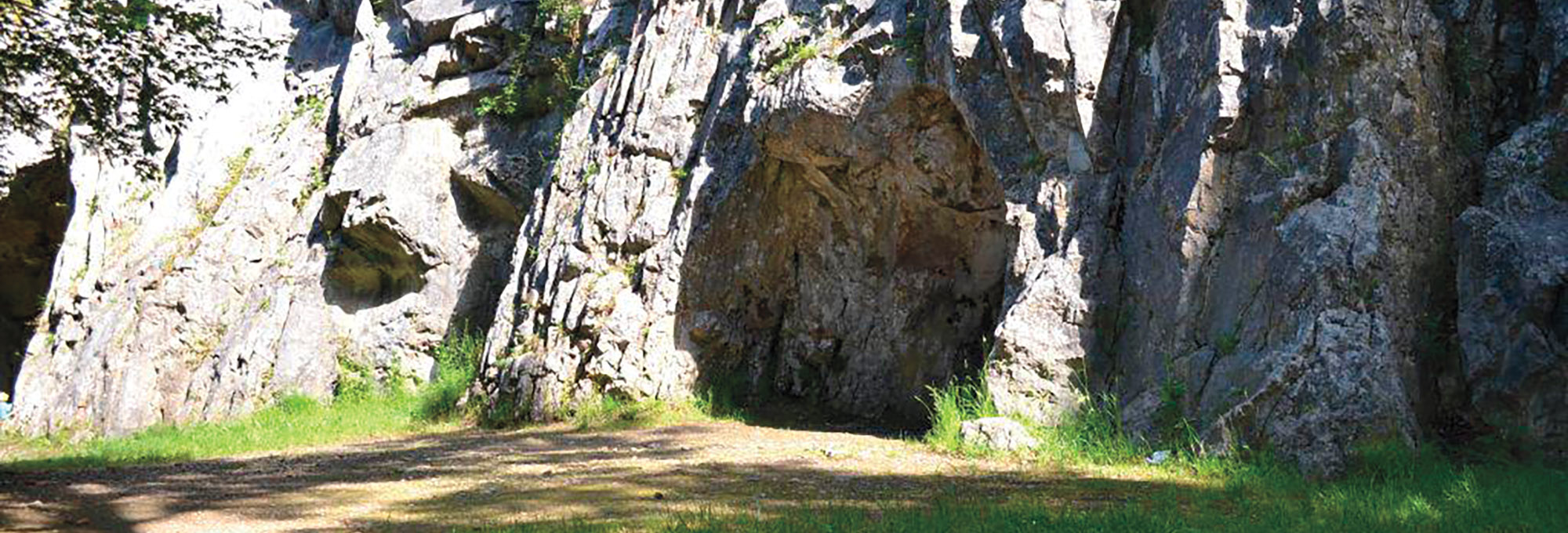
What Happened in Goyet Cave?
New analysis of Neanderthal remains reveals surprisingly grim secrets
 IRSNB/RBINSL