

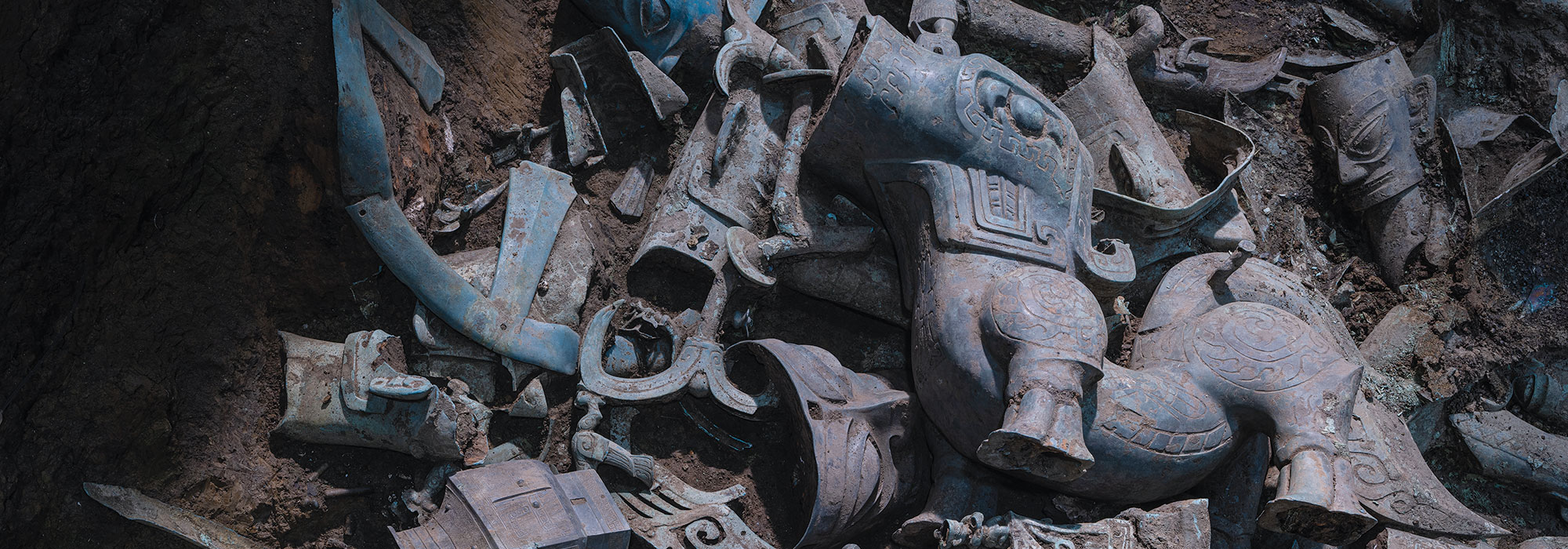
SICHUAN PROVINCE, CHINA—According to a Phys.org report, Haichao Li of Sichuan University led a team of researchers in the analysis of fragments of iron discovered in southwestern China at the Sanxingdui site, a city occupied between 2800 and 600 B.C. So far, eight sacrificial pits containing metal objects such as bronze masks, trees, and figurines have been excavated at the site. The three iron fragments, which appear to have been parts of an ax-like weapon, were discovered in Pit 7. Because this object was found in the sacrificial area, the researchers suggest that it had ritual significance. Metallographic and scanning electron microscopy-energy dispersive spectroscopy (SEM-EDS) analysis of the metal confirmed that the weapon had been made of iron before iron smelting was widely practiced in China. The researchers also noted that the chemical homogeneity of the iron used to make the weapon would have been difficult to achieve with the technology available at the time, suggesting that the iron's source was a meteorite. “While the SEM-EDS results provide preliminary insights, they are insufficient to definitively classify the specific type of meteorite…the precise classification, therefore, remains unresolved,” explained Zishu Yang of Sichuan University. The team members plan to refine their study of the metal and compare it with known meteor falls in the region. For more on Sanxingdui, go to "The Many Faces of the Kingdom of Shu."
Bronze Age Chinese Iron Weapon Fragments Analyzed
News March 27, 2026
Recommended Articles
Features November/December 2024
The Many Faces of the Kingdom of Shu
Thousands of fantastical bronzes are beginning to reveal the secrets of a legendary Chinese dynasty
Digs & Discoveries March/April 2015
Seismic Shift
Top 10 Discoveries of 2025 January/February 2026
Oldest Mummified People
Southern China and Southeast Asia
More to Discover
Features March/April 2026
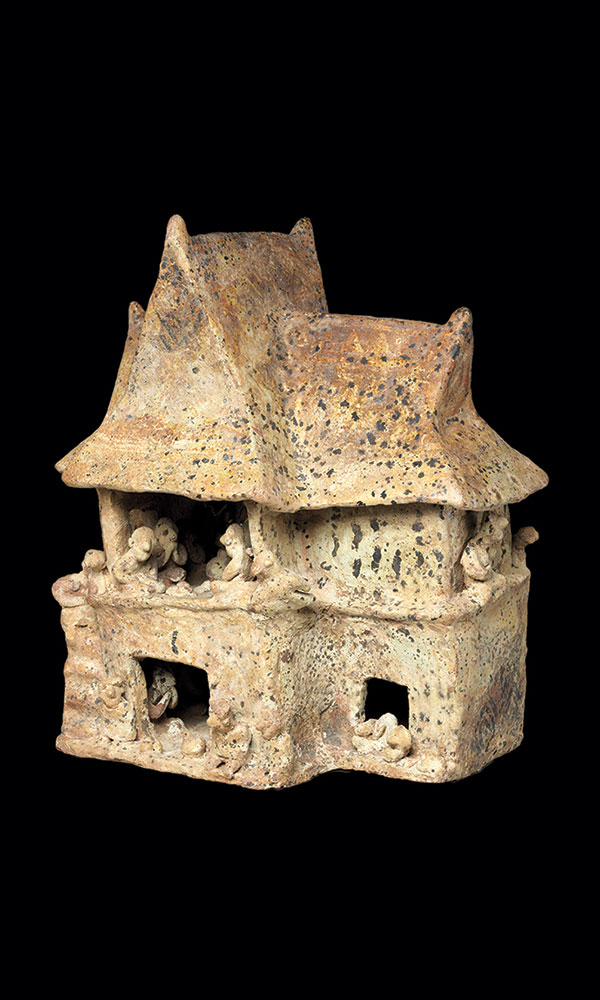
Model Homes
A look inside miniature worlds created for the living, the dead, and the divine

-
Features March/April 2026
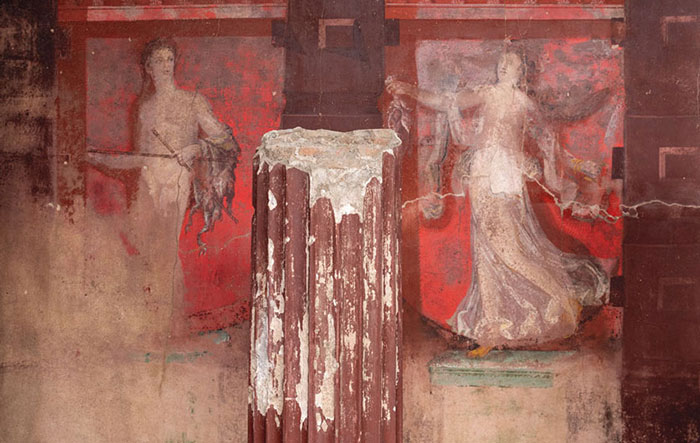
Pompeii's House of Dionysian Delights
Vivid frescoes in an opulent dining room celebrate the wild rites of the wine god
 Courtesy Archaeological Park of Pompeii
 -
Features March/April 2026
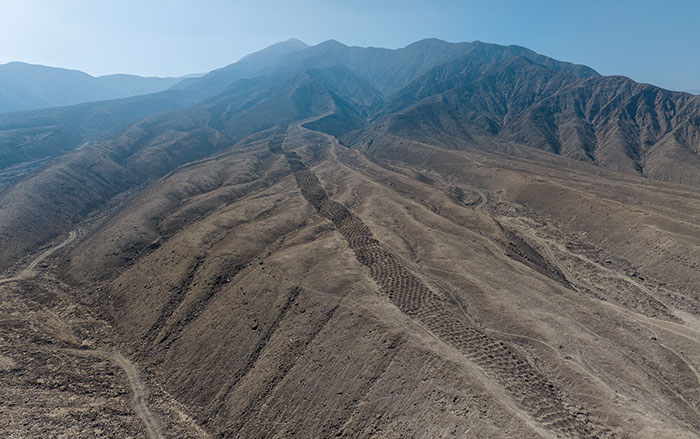
Return to Serpent Mountain
Discovering the true origins of an enigmatic mile-long pattern in Peru’s coastal desert
 Courtesy J.L. Bongers
 -
Features March/April 2026
Himalayan High Art
In a remote region of India, archaeologists trace 4,000 years of history through a vast collection of petroglyphs
 Matt Stirn
 -
Features March/April 2026
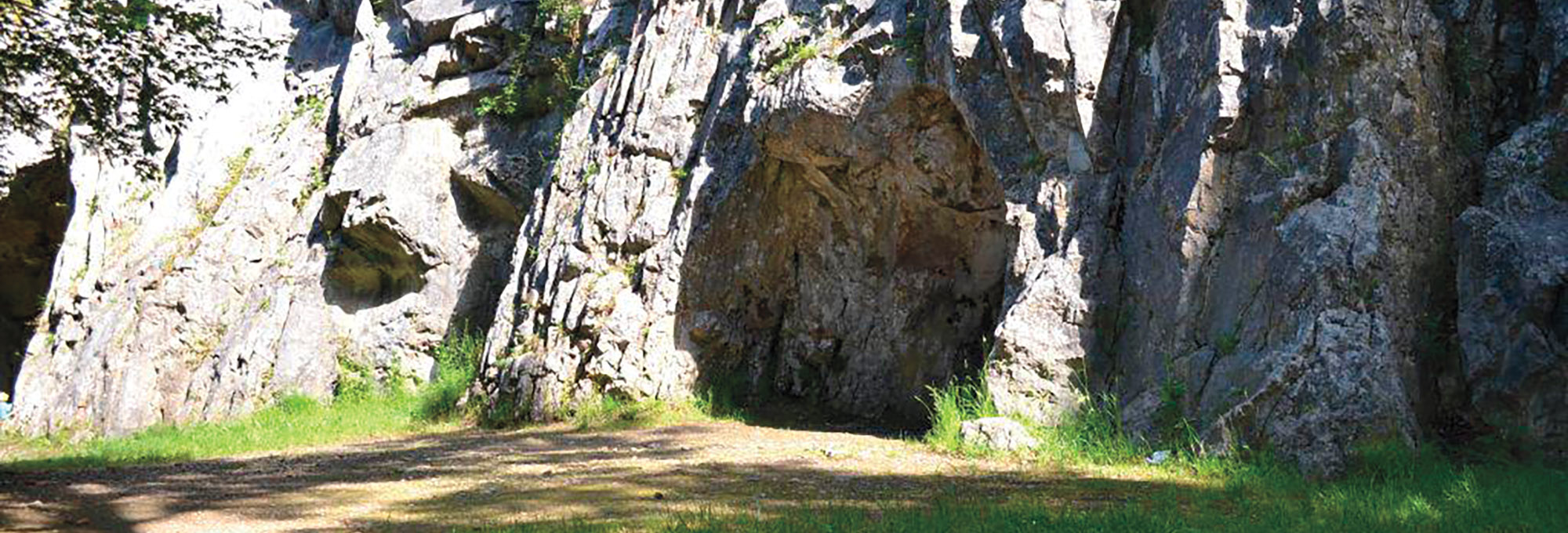
What Happened in Goyet Cave?
New analysis of Neanderthal remains reveals surprisingly grim secrets
 IRSNB/RBINSL