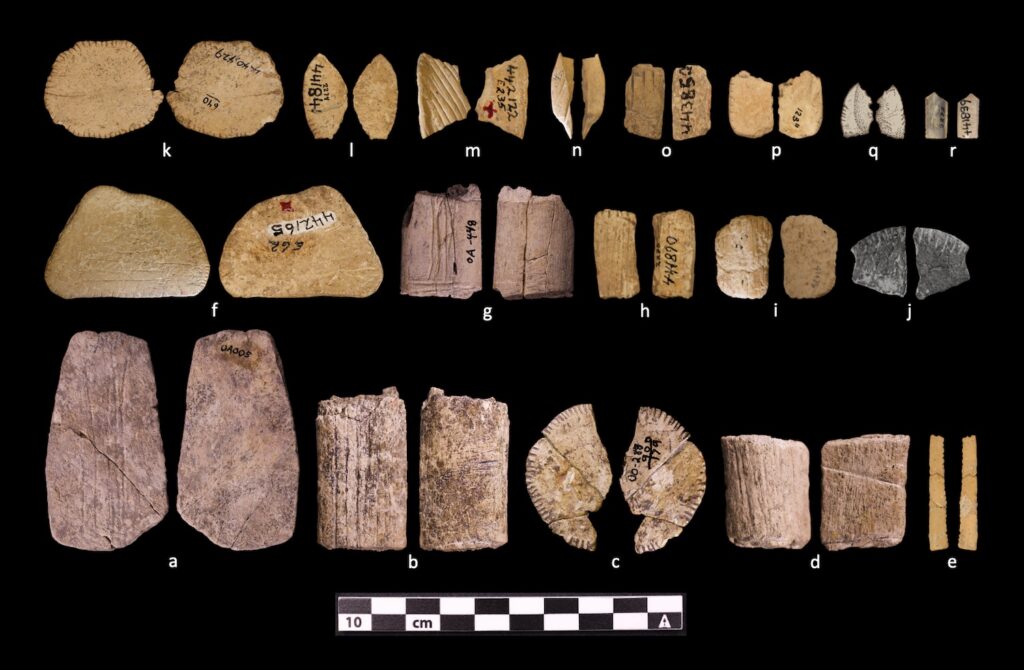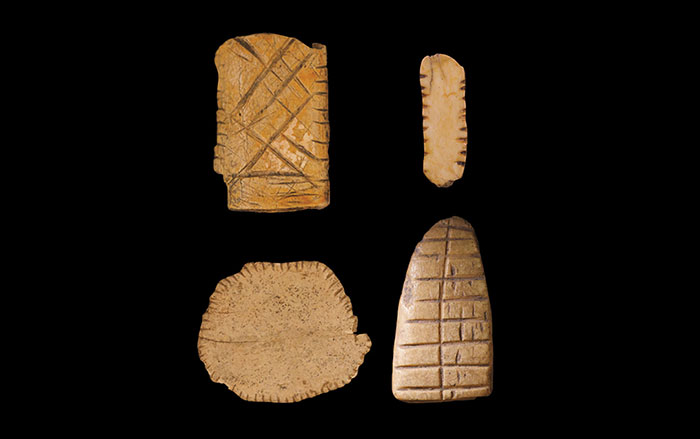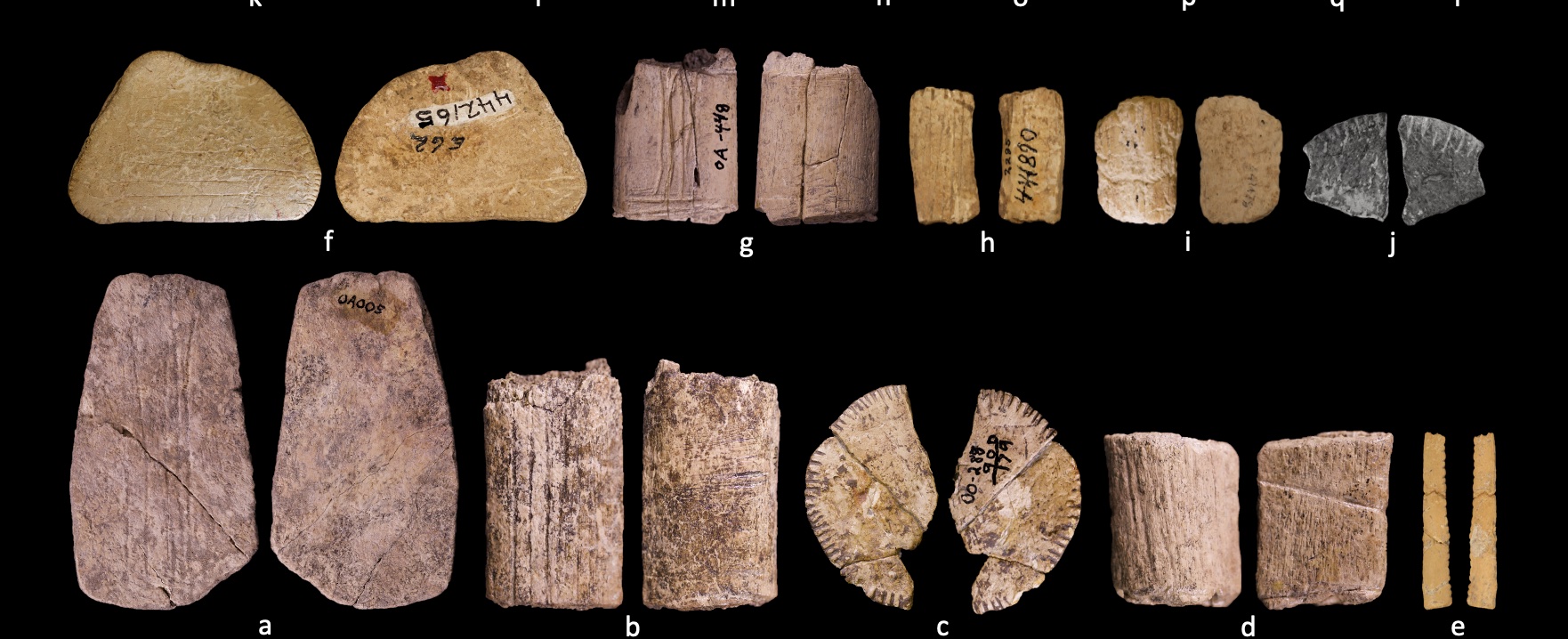
FORT COLLINS, COLORADO—People living in western North America more than 12,000 years ago played games of chance, according to a Live Science report. Robert Madden of Colorado State University identified and examined more than 600 sets of dice, or binary lots, recovered from 45 different archaeological sites in the western United States, on both sides of the Rocky Mountains. The artifacts date from 13,000 to 450 years ago. The objects can be either curved or flat, and are marked on one side while the other side is blank. Tossing a binary lot is similar to flipping a coin, Madden explained. “This is the first evidence we have of structured human engagement with the concepts of chance and randomness,” he said. Madden thinks these dice may have been used when people of different groups encountered each other and wanted to exchange goods or information. “It might have something to do with how separated these people are and the need to relate to people you don’t see very often,” he said. For example, people of the Folsom tradition, who made distinctive stone tools from flint and chalcedony, may have played games of chance when trading for valuable materials. “It’s a kind of leveling device that you see in a lot of cultures with egalitarian social structures,” Madden concluded. Read the original scholarly article about this research in American Antiquity. For more on North American hunter-gatherers who lived more than 10,000 years ago, go to "Ghost Tracks of White Sands."