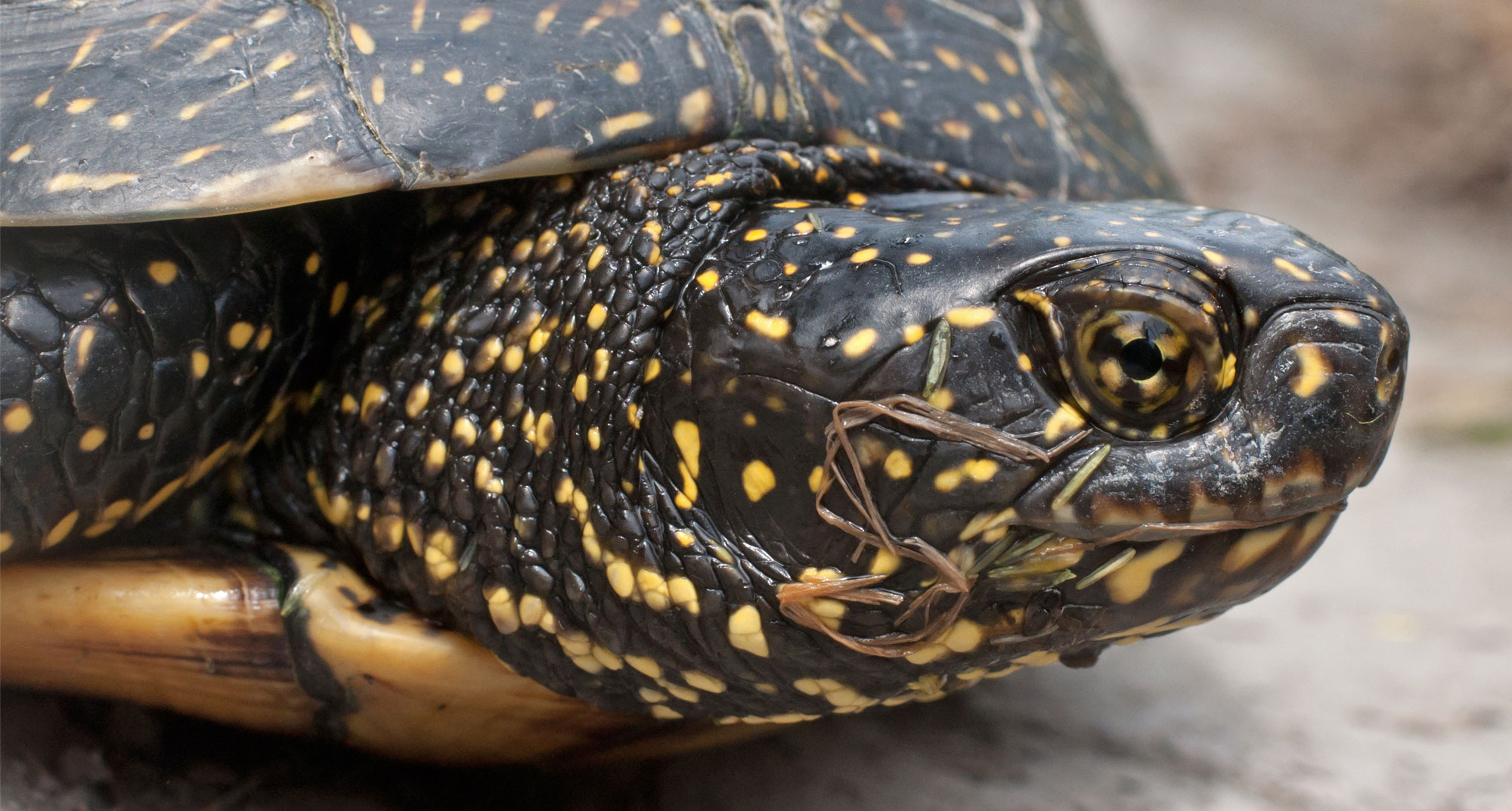
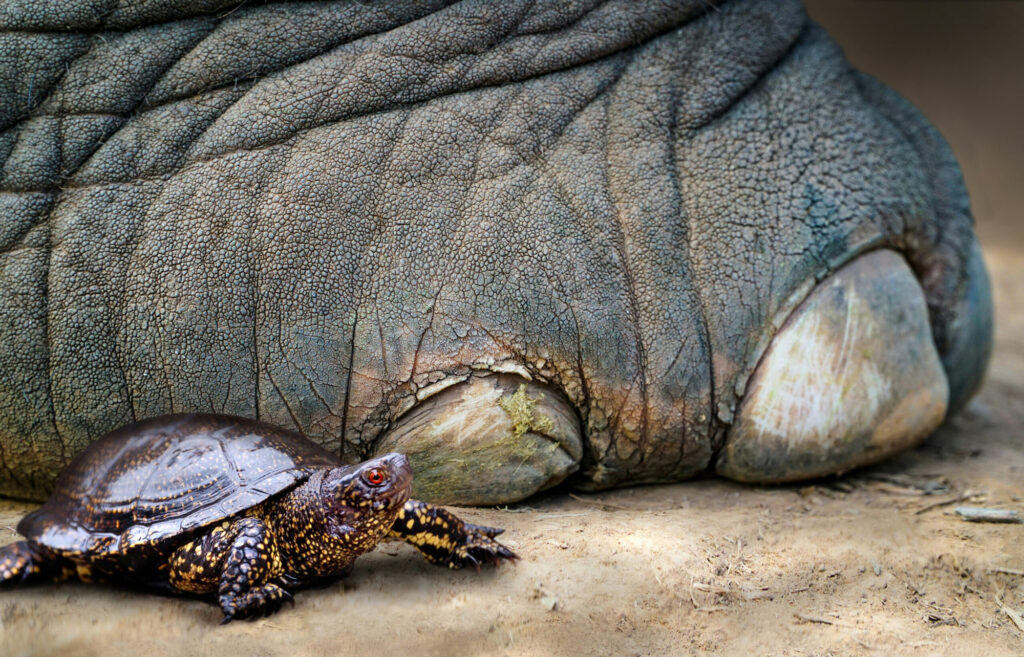
NEUMARK-NORD, GERMANY—A new analysis of turtle shell fragments unearthed at the Paleolithic site of Neumark-Nord in the German state of Saxony-Anhalt suggests Neanderthals regularly hunted the diminutive European pond turtle. A team led by archaeologist Sabine Gaudzinski-Windheuser from the Institute for Ancient Studies at Johannes Gutenberg University Mainz analyzed 92 turtle shell fragments from the site dating back 125,000 years, and found evidence that the turtles had been butchered and their shells cleaned. The team suspects Neanderthals did not eat the turtles, which grow to be no longer than eight inches and weigh around two pounds. "Pond turtles have a comparatively low nutritional value," said Gaudzinski-Windheuser. She points to other bones unearthed from the site belonging to species such as deer, horse, and the enormous European strait-tusked elephant. These suggest that Neanderthals had ample sources of meat, leaving open the question of why they would have invested time in hunting tiny turtles. "They are relatively easy to catch and may therefore have been hunted by children," says Gaudzinski-Windheuser. "Their shells may then have been processed into tools." Read the original scholarly article about this research in Scientific Reports. To learn about a grisly detective story involving Neanderthal homicide in Europe, go to "What Happened in Goyet Cave?"