

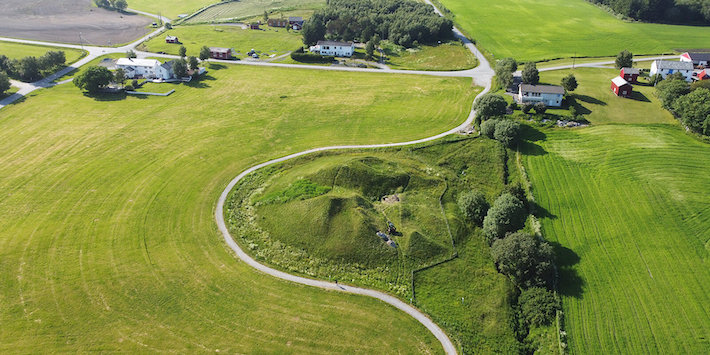
TRONDHEIM, NORWAY—According to a Phys.org report, analysis of an early ship burial in Norway is pushing back the use of monumental ship burials in Scandinavia by about 100 years. Geir Grønnesby of the Norwegian University of Science and Technology and his colleagues used metal detectors to search the Herlaugshaugen mound on the island of Leka and recovered 29 iron rivets that had been used to build the ship. Most of the wood of the ship had rotted away, but small amounts of wood that remained attached to the nails were radiocarbon dated to about A.D. 700. This new date suggests that large seagoing ships were in use before the beginning of the Viking Age around A.D. 800. Constructing such a large mound would have required the command of a powerful king or chief and plenty of labor, Grønnesby and his team members concluded. Read the original scholarly article about this research in Antiquity. For more on ship burials, go to "Setting Sail for Valhalla."
Early Ship Burial Discovered on Norwegian Island
News April 22, 2026
Recommended Articles
Features July/August 2025
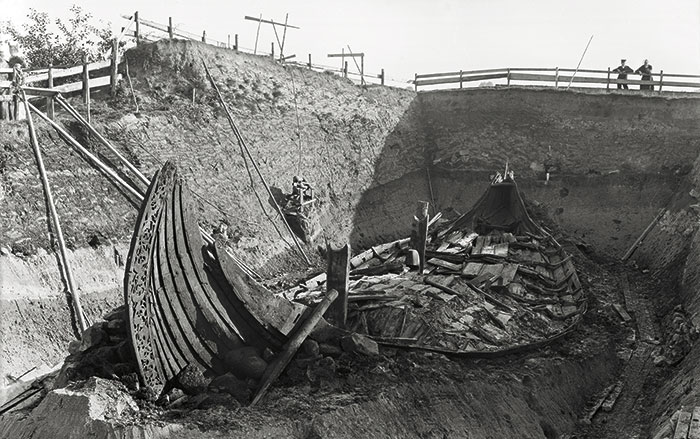
Setting Sail for Valhalla
Vikings staged elaborate spectacles to usher their rulers into the afterlife
Digs & Discoveries March/April 2020
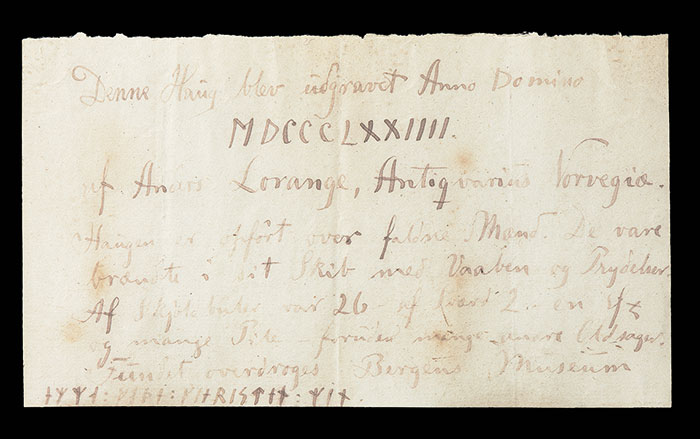
Sailing the Viking Seas
Digs & Discoveries March/April 2026
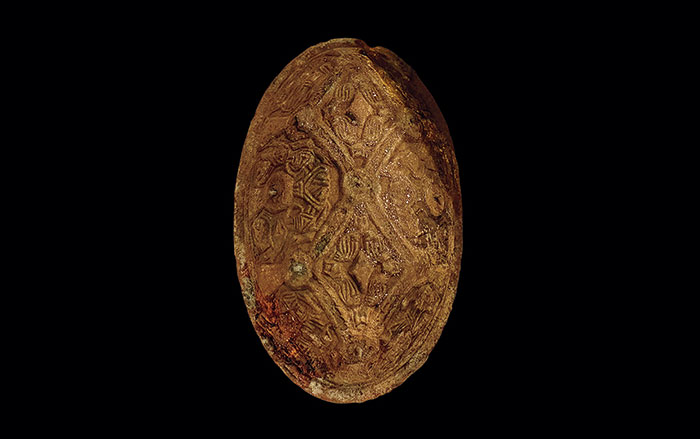
Viking Mollusk Mask
More to Discover
Features March/April 2026
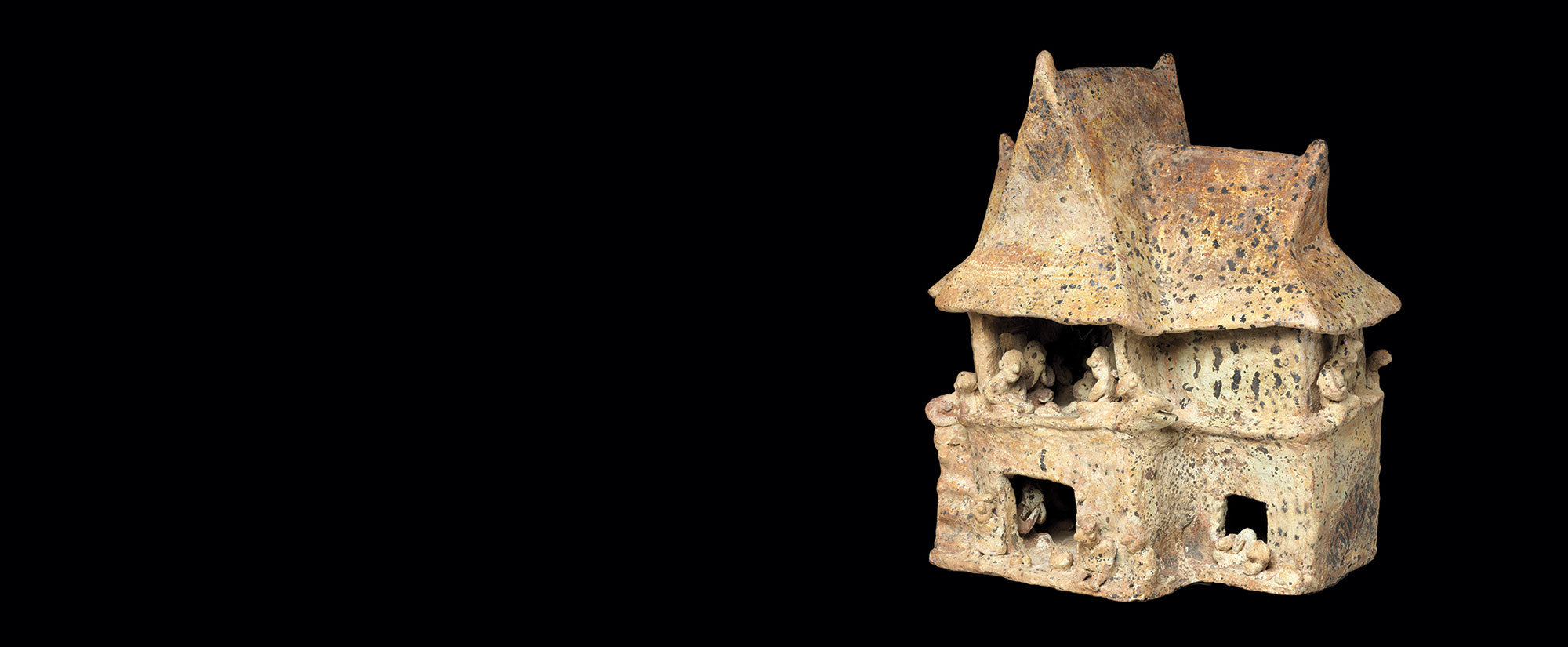
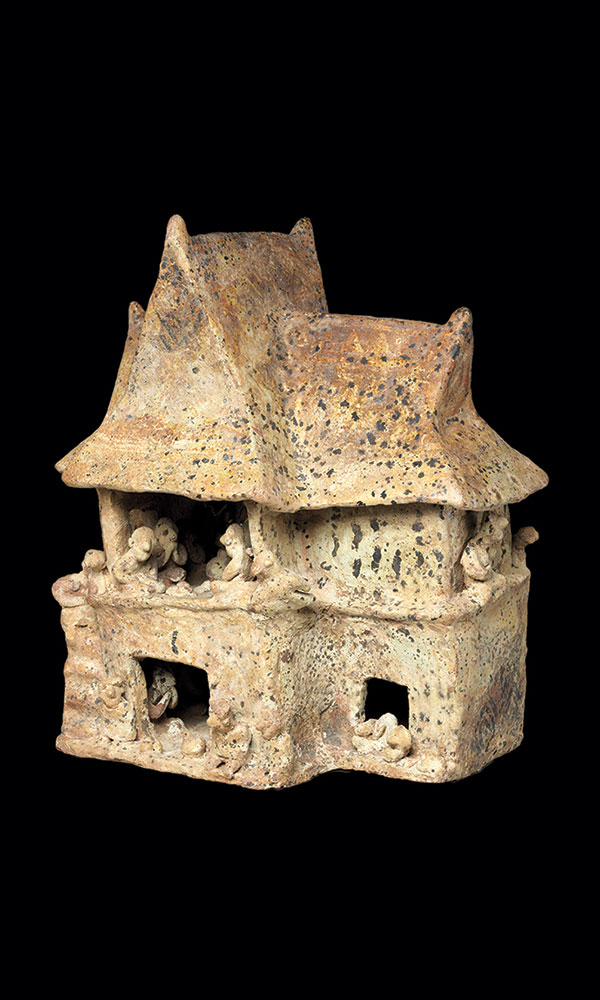
Model Homes
A look inside miniature worlds created for the living, the dead, and the divine
-
Features March/April 2026
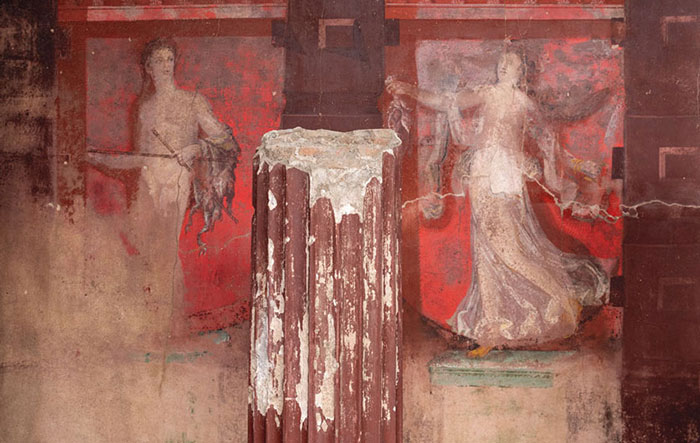
Pompeii's House of Dionysian Delights
Vivid frescoes in an opulent dining room celebrate the wild rites of the wine god
 Courtesy Archaeological Park of Pompeii
 -
Features March/April 2026
Return to Serpent Mountain
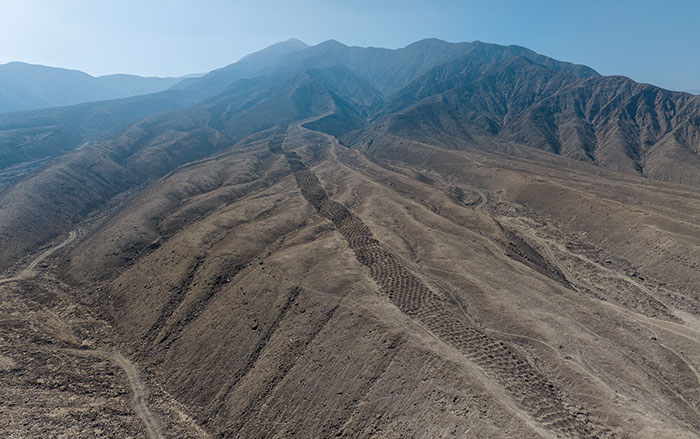
Discovering the true origins of an enigmatic mile-long pattern in Peru’s coastal desert
 Courtesy J.L. Bongers
 -
Features March/April 2026
Himalayan High Art
In a remote region of India, archaeologists trace 4,000 years of history through a vast collection of petroglyphs
 Matt Stirn
 -
Features March/April 2026
What Happened in Goyet Cave?
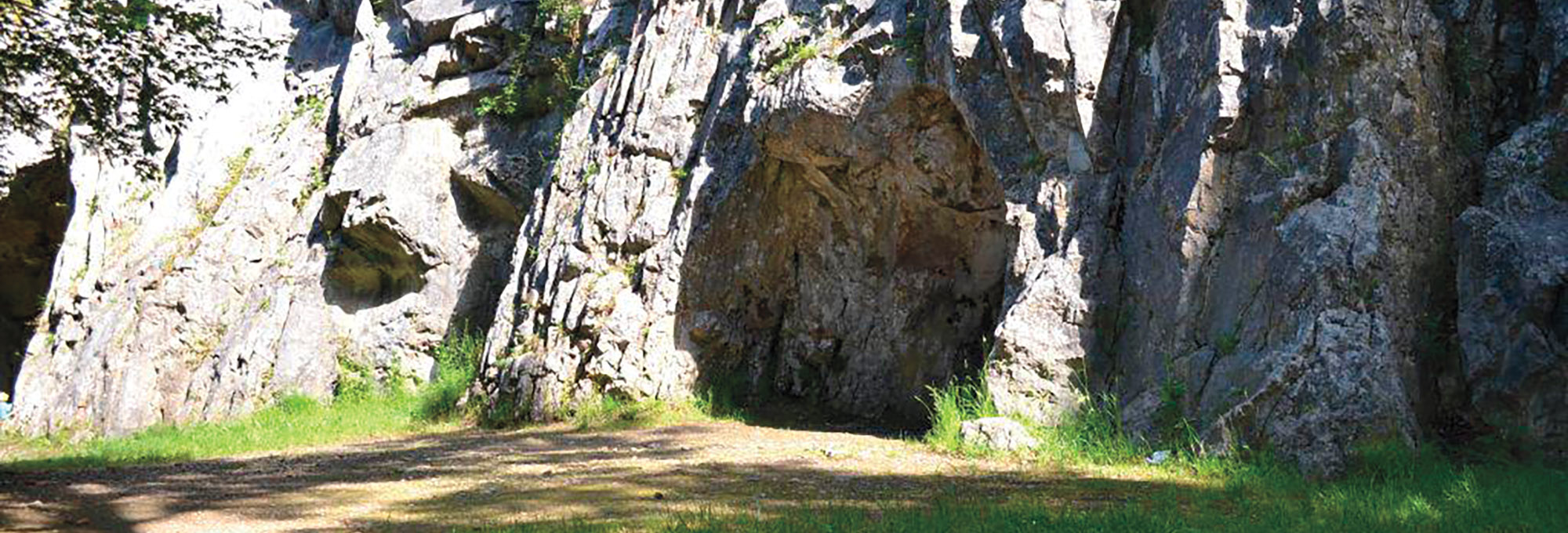
New analysis of Neanderthal remains reveals surprisingly grim secrets
 IRSNB/RBINSL