

WARSAW, POLAND—Researchers led by Elena Klenina and Andrzej B. Biernacki of Adam Mickiewicz University and their colleagues identified intestinal parasites in residues taken from four chamber pots recovered from two archaeological sites in the Roman province of Moesia Inferior, which is located in what is now Bulgaria, according to a La Brújula Verde report. Three of the pots in the study were found in a villa located near the Legio I Italica army camp, where high-ranking officials likely stayed when they visited the region. Cryptosporidium, a protozoan that can cause severe diarrhea, was one of the parasites detected in the second-century A.D. pots from the villa. These vessels also contained evidence of the intestinal tapeworm Taenia, and the amoeba Entamoeba histolytica, which causes dysentery. Inhabitants of the villa may have been infected with parasites originating in contaminated water from a reservoir on the Danube River. Sewer channels from the area are known to have discharged waste water into the Danube, and so the system may have been flooded and compromised during heavy rains. Consumption of undercooked pork or beef, and the use of human waste as fertilizer in fields around the army camp, may have also spread parasites, the researchers explained. The fourth pot, dated to the fourth century A.D., was uncovered in a pottery workshop at Marcianopolis. This vessel was likely used by the owner of the workshop and a group of potters. No traces of parasites were found in this pot, perhaps due to a better-quality water supply, or perhaps the consumption of poultry, which does not host the larval stages of worms that infect humans. Read the original scholarly article about this research in npj Heritage Science. For more about the Roman army in Bulgaria, go to "A Dutiful Roman Soldier."
Parasites Detected in Roman-Era Chamber Pots from Bulgaria
News April 27, 2026
Recommended Articles
Digs & Discoveries March/April 2021
A Dutiful Roman Soldier
Digs & Discoveries November/December 2026
Herculean Hilarity
Digs & Discoveries November/December 2026
Reclining with the River God
Digs & Discoveries September/October 2026
Hadrian’s Wall Keepsake
One Roman soldier brought home a special souvenir from his service in a faraway place
More to Discover
Features March/April 2026
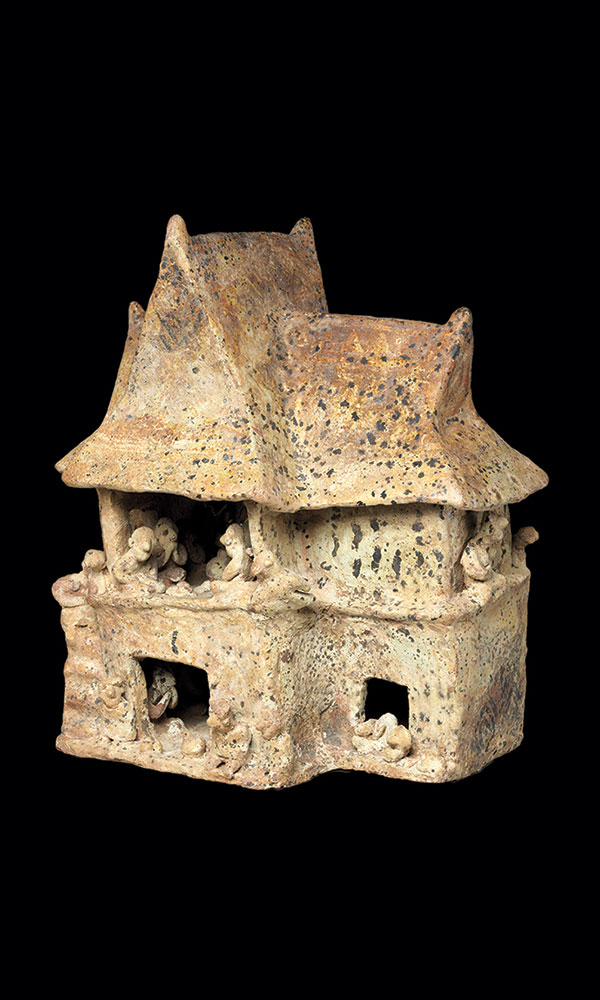
Model Homes
A look inside miniature worlds created for the living, the dead, and the divine

-
Features March/April 2026
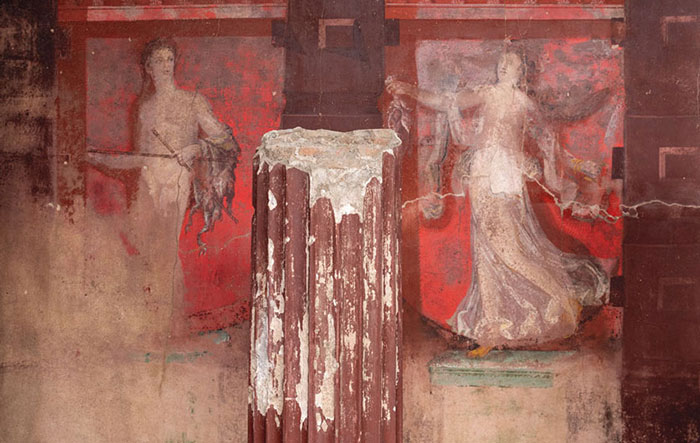
Pompeii's House of Dionysian Delights
Vivid frescoes in an opulent dining room celebrate the wild rites of the wine god
 Courtesy Archaeological Park of Pompeii
 -
Features March/April 2026
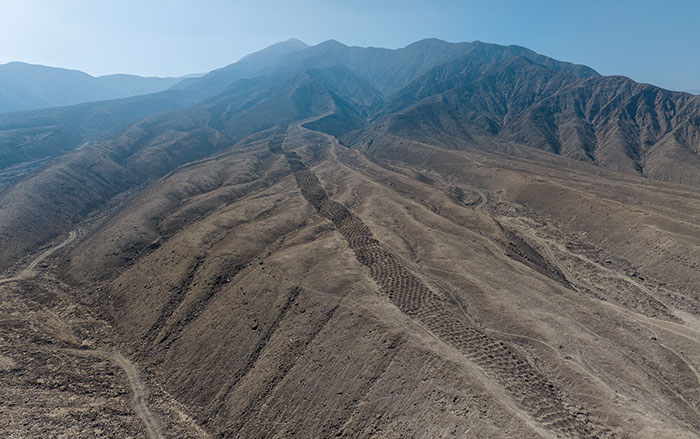
Return to Serpent Mountain
Discovering the true origins of an enigmatic mile-long pattern in Peru’s coastal desert
 Courtesy J.L. Bongers
 -
Features March/April 2026
Himalayan High Art
In a remote region of India, archaeologists trace 4,000 years of history through a vast collection of petroglyphs
 Matt Stirn
 -
Features March/April 2026
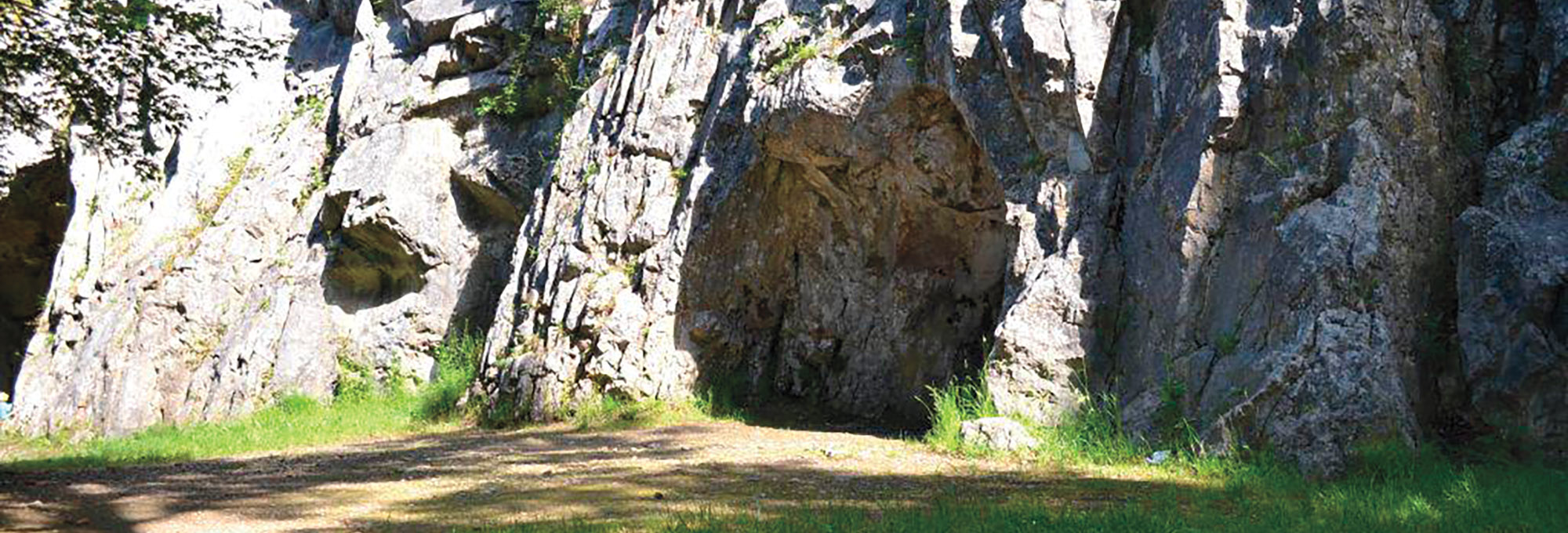
What Happened in Goyet Cave?
New analysis of Neanderthal remains reveals surprisingly grim secrets
 IRSNB/RBINSL