

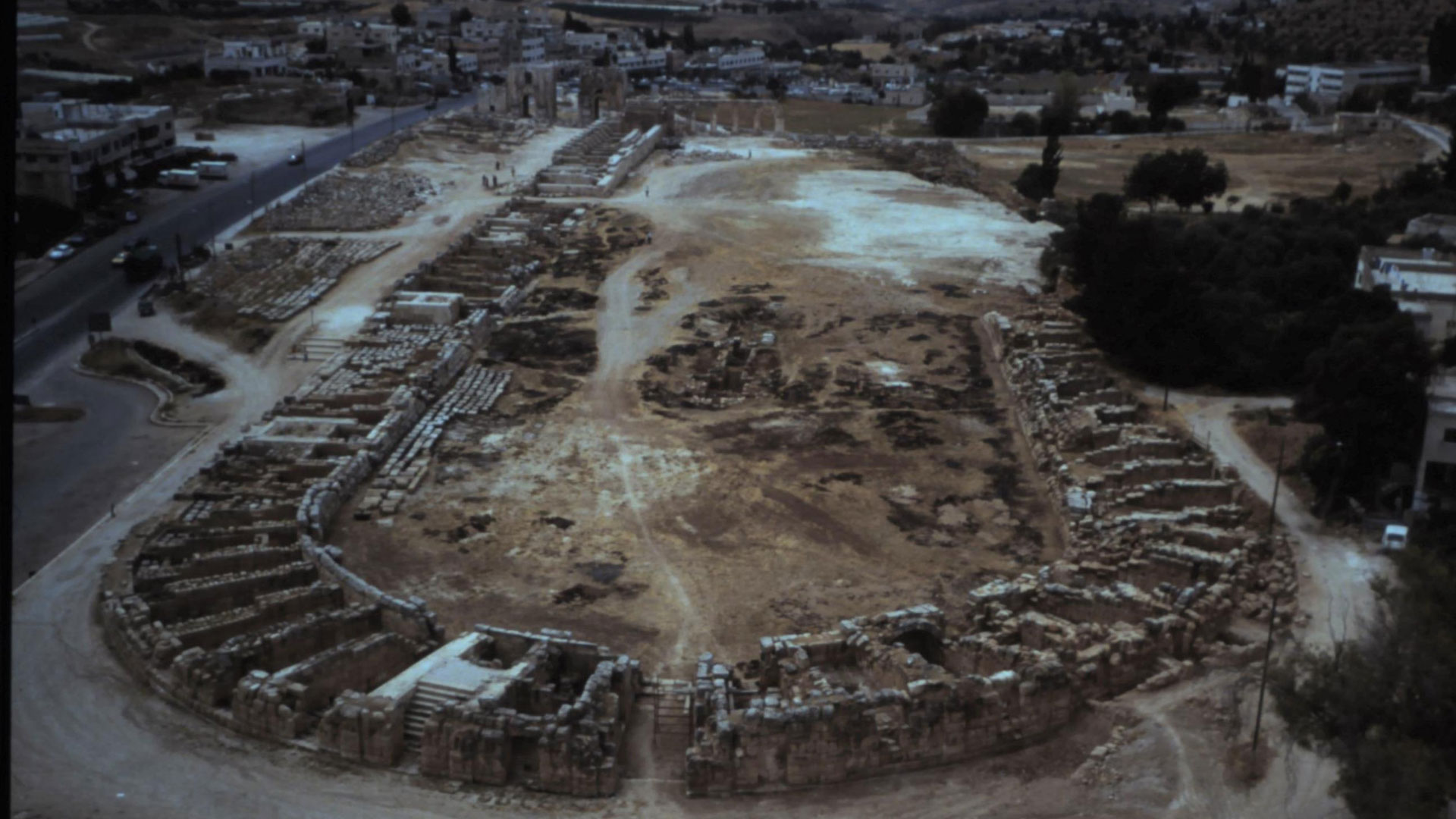
TAMPA, FLORIDA—According to a statement released by the University of South Florida, a mass grave containing the remains of victims of the Plague of Justinian (A.D. 541–750) has been identified at the site of Jerash in northern Jordan by a team of researchers led by Rays H.Y. Jiang of the University of South Florida. Hundreds of people were buried within several days in this mass grave dug in the city’s hippodrome. “By linking biological evidence from the bodies to the archaeological setting, we can see how disease affected real people within their social and environmental context,” Jiang said. Examination of the remains from the grave suggests that these individuals lived in different areas across the region, but had been brought together in a single burial. “Pandemics aren’t just biological events, they’re social events, and this study shows how disease intersects with daily life, movement, and vulnerability,” Jiang concluded. To read about an earlier form of the bacterium that caused the Justinian plague, go to "Bronze Age Plague," one of ARCHAEOLOGY's Top 10 Discoveries of 2018.
Remains of Byzantine Plague Victims Studied
News April 28, 2026
Recommended Articles
Letter from the Levant March/April 2025
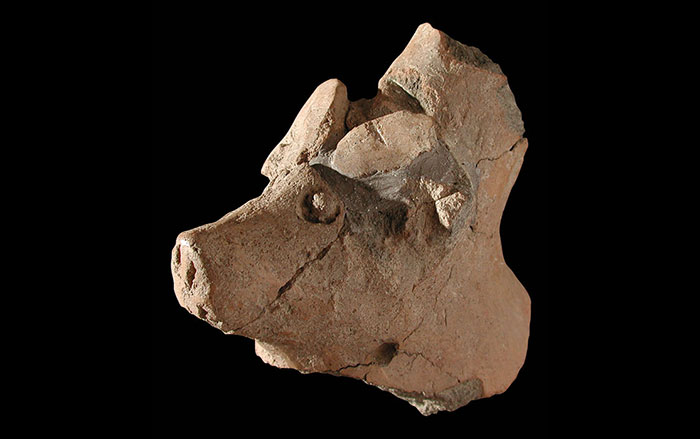
On the Origin of the Pork Taboo
Exploring ancient people’s shifting beliefs about rearing and eating pigs
Digs & Discoveries July/August 2025
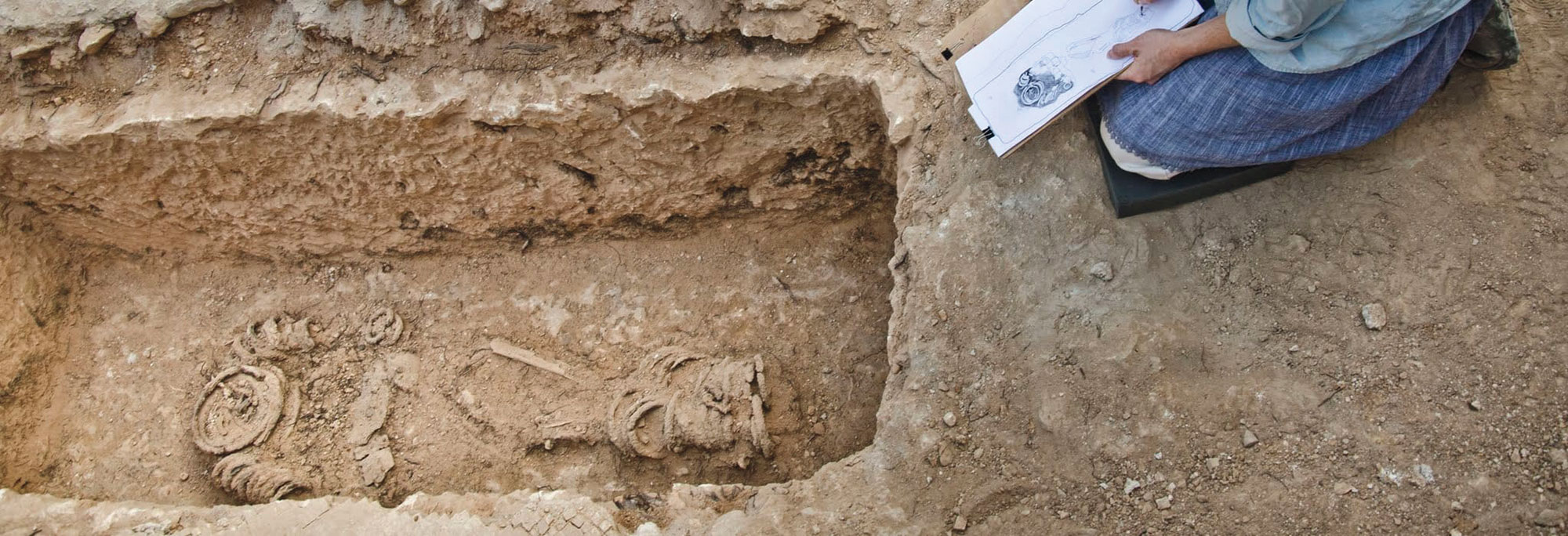
Bound for Heaven
Digs & Discoveries May/June 2025
Byzantine Boomtown

Off the Grid March/April 2025
Great Prespa Lake Islands, North Macedonia and Albania

More to Discover
Features March/April 2026
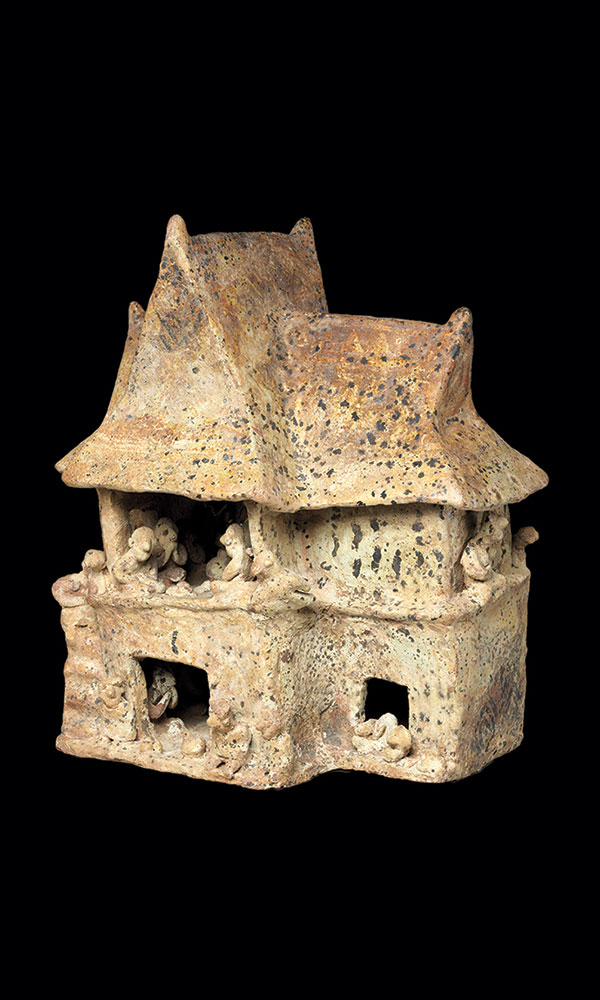
Model Homes
A look inside miniature worlds created for the living, the dead, and the divine

-
Features March/April 2026
Pompeii's House of Dionysian Delights
Vivid frescoes in an opulent dining room celebrate the wild rites of the wine god
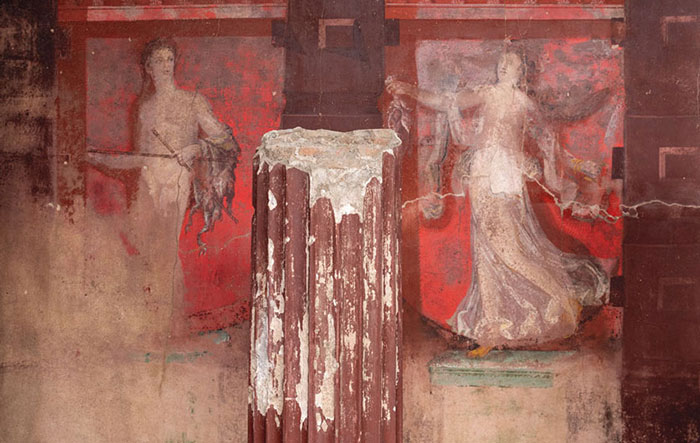 Courtesy Archaeological Park of Pompeii
 -
Features March/April 2026
Return to Serpent Mountain
Discovering the true origins of an enigmatic mile-long pattern in Peru’s coastal desert
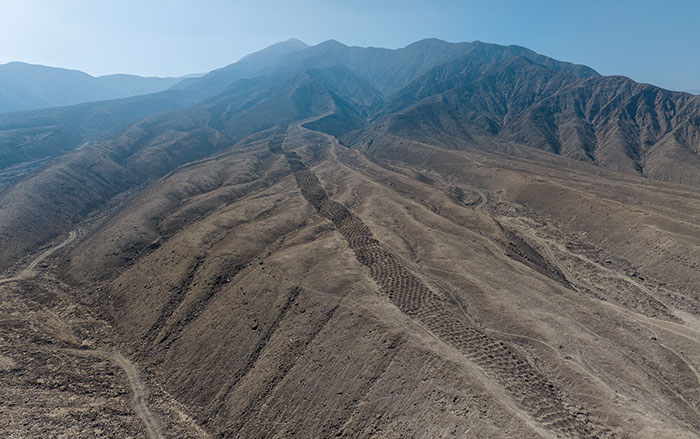 Courtesy J.L. Bongers
 -
Features March/April 2026
Himalayan High Art
In a remote region of India, archaeologists trace 4,000 years of history through a vast collection of petroglyphs
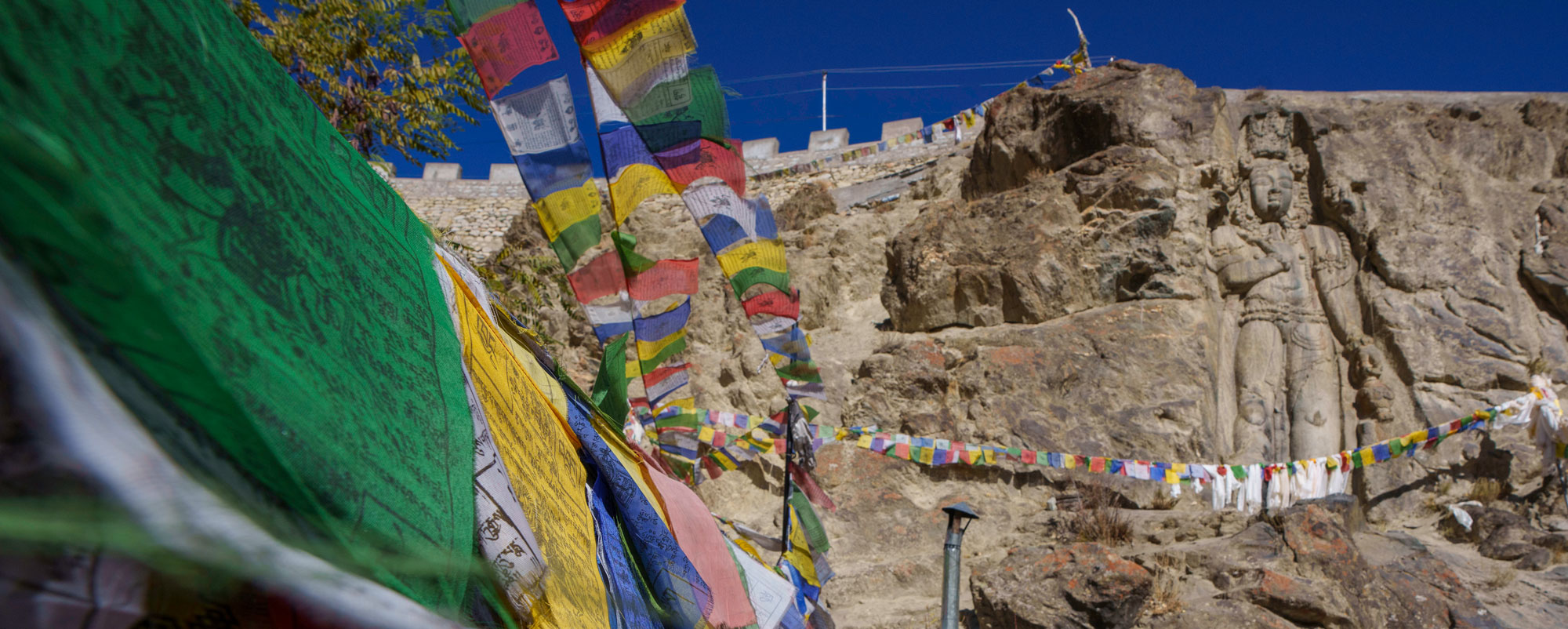 Matt Stirn
 -
Features March/April 2026
What Happened in Goyet Cave?
New analysis of Neanderthal remains reveals surprisingly grim secrets
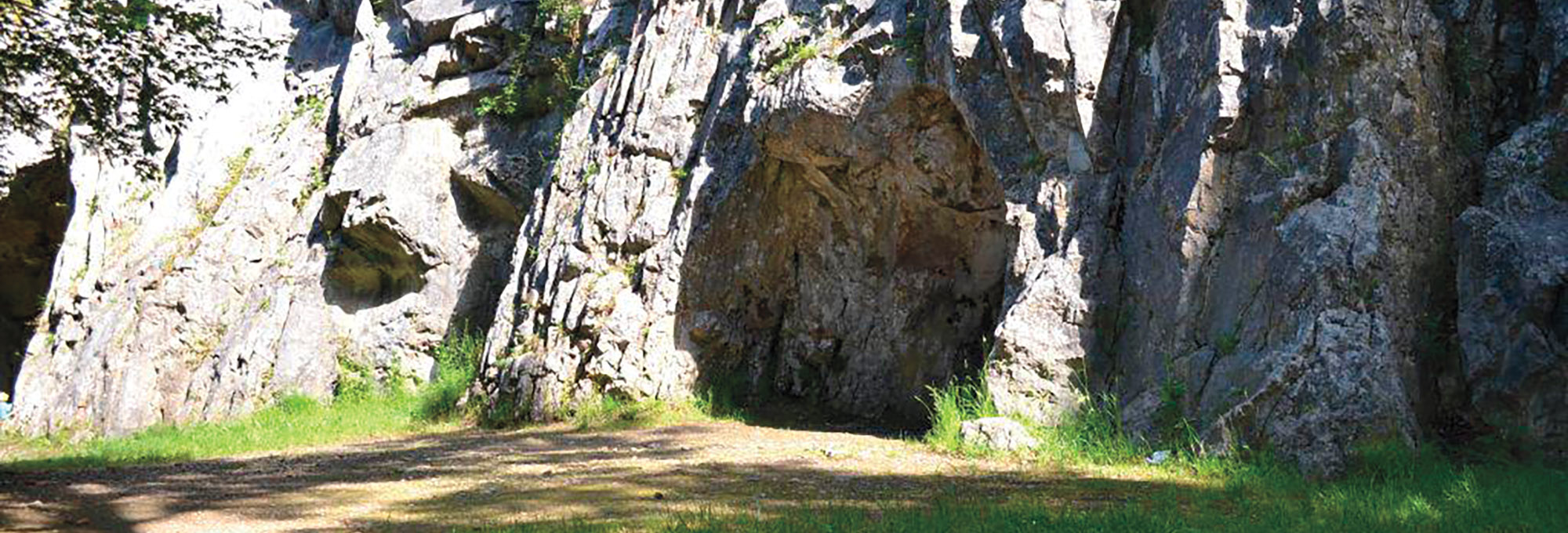 IRSNB/RBINSL