

GRONINGEN, THE NETHERLANDS—Phys.org reports that a shell midden dated to between 6,300 and 5,970 years ago has been discovered on Velanai Island in northern Sri Lanka by a team of researchers led by Thilanka Siriwardana of the University of Groningen and his colleagues. It had been previously thought that northern Sri Lanka was not occupied until the arrival of pastoralists from India in the fifth century B.C. because of its limited vegetation, lack of fresh water, and scarce raw materials for making stone tools. Analysis of the shell midden, however, indicates that prehistoric hunter-gatherers on Velanai Island relied heavily on mollusks, but also consumed sea bream, deer, wild boar, dugongs, and dolphins. Quartz and chert flakes imported from the mainland, more than 30 miles away, were also recovered. About three miles of this journey would have been over the sea, Siriwardana noted. “During the Late Pleistocene, lower sea levels would have exposed extensive coastal plains,” he said. “In semi-arid northern Sri Lanka, populations likely settled closer to these then-active shorelines. As sea levels rose during the Holocene, these landscapes were progressively submerged, effectively removing earlier sites from the visible archaeological record,” Siriwardana explained. To read about stone tools made 45,000 years ago in the country's rain forests, go to "Around the World: Sri Lanka."
Prehistoric Midden Excavated in Northern Sri Lanka
News May 12, 2026
Recommended Articles
Off the Grid November/December 2026
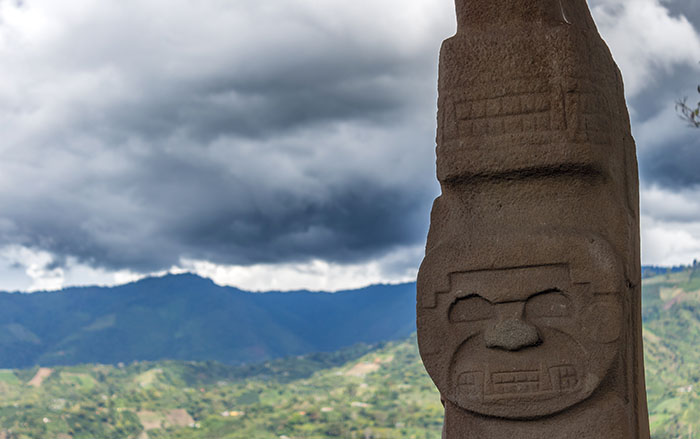
San Agustín, Colombia
Letter from Cape Canaveral November/December 2026
Dawn of the Space Age
Archaeologists have made surprising discoveries spanning 3,000 years at the birthplace of American space exploration

Features November/December 2026
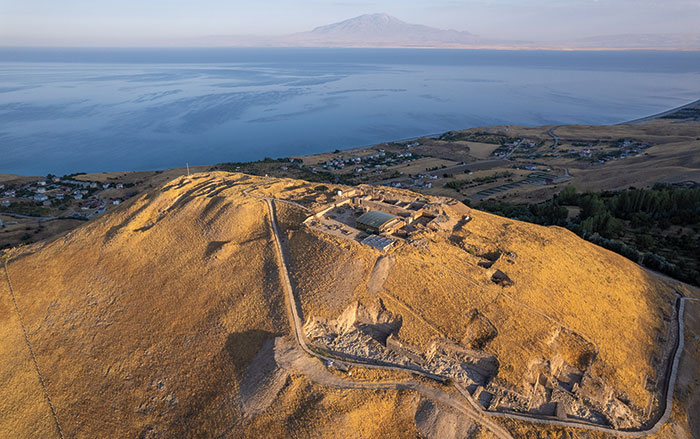
Kingdom of Fortresses
How diverse and far-flung Iron Age chiefdoms united to challenge the Assyrian Empire
Features November/December 2026
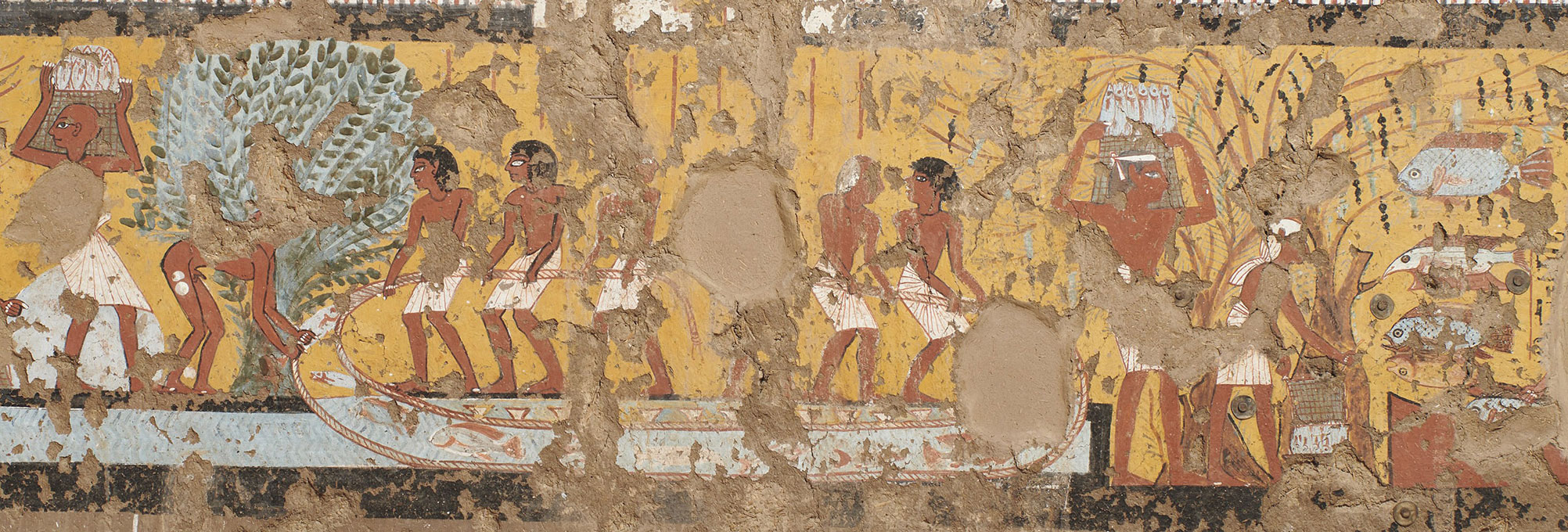
A Tomb of One's Own
Life behind the scenes in Egypt’s Valley of the Kings
More to Discover
Features May/June 2026
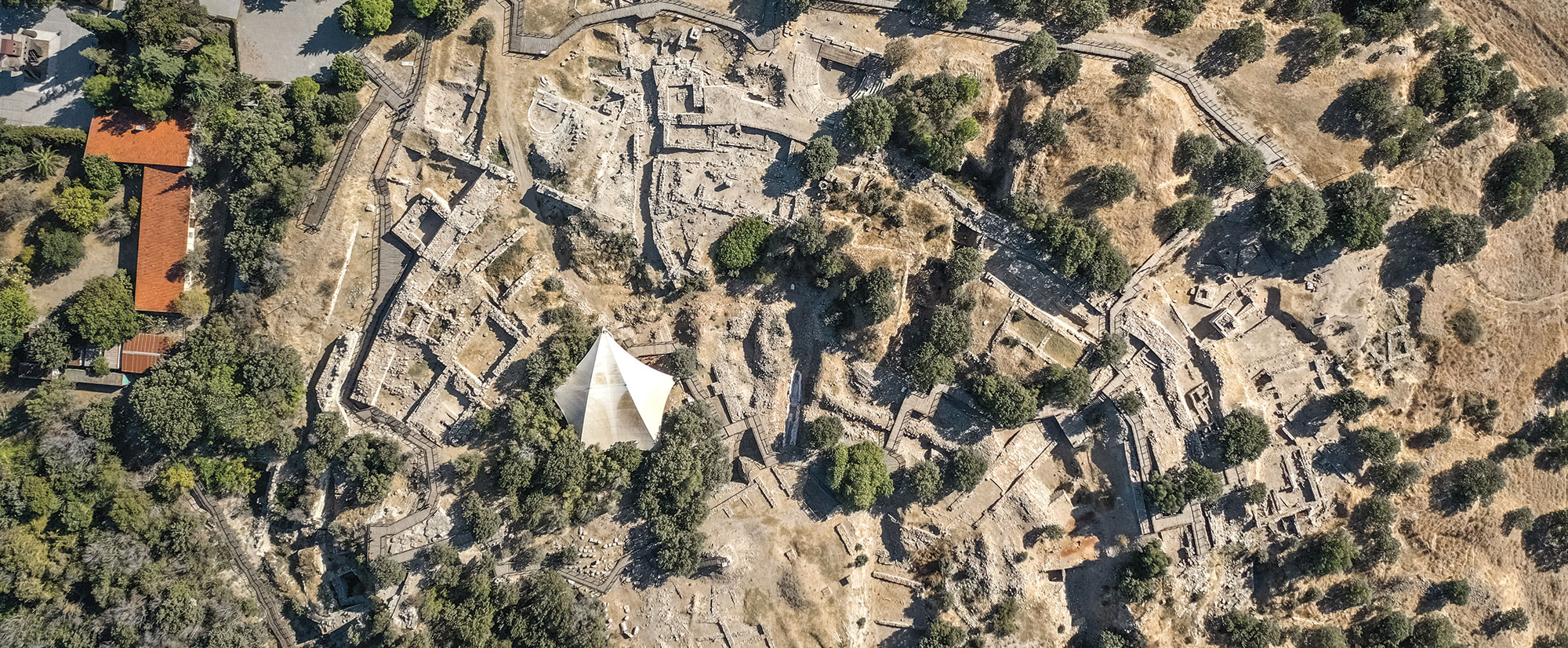
The Unexpected World of the Odyssey
Discovering the surprising inspirations behind Homer’s great tales of the Trojan War
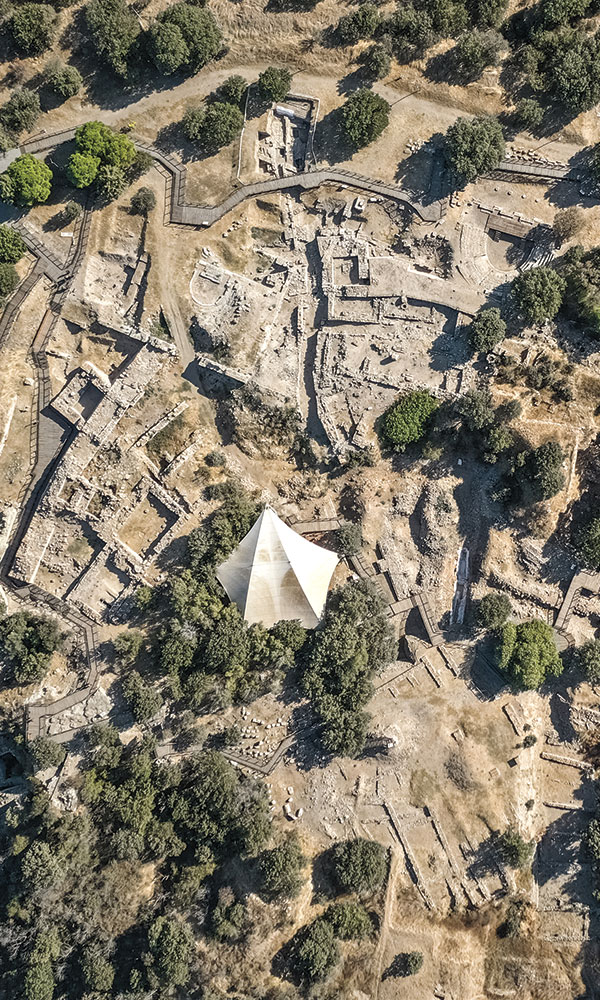
-
Features May/June 2026
Pioneers of Lakefront Living
Why Neolithic and Bronze Age farmers in the Alps built their villages on stilts
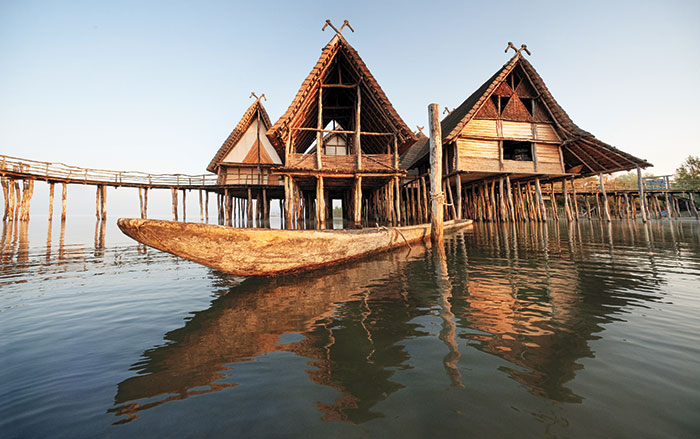 © APM/Frank Müller
 -
Features May/June 2026
The Last Maya Kingdom
On the shores of a lake in Guatemala, the Itzá people defied the Spanish for nearly 200 years
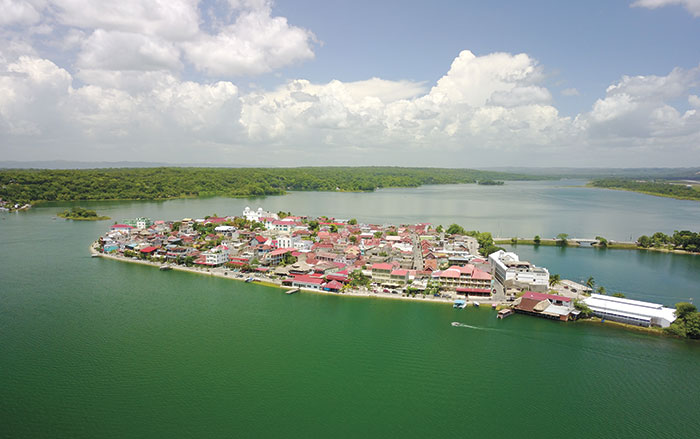 Courtesy Timothy Pugh/Itzá Archaeological Project
 -
Features May/June 2026
Art for the Ages
A surreal style of painting endured for 4,000 years in the canyonlands of West Texas
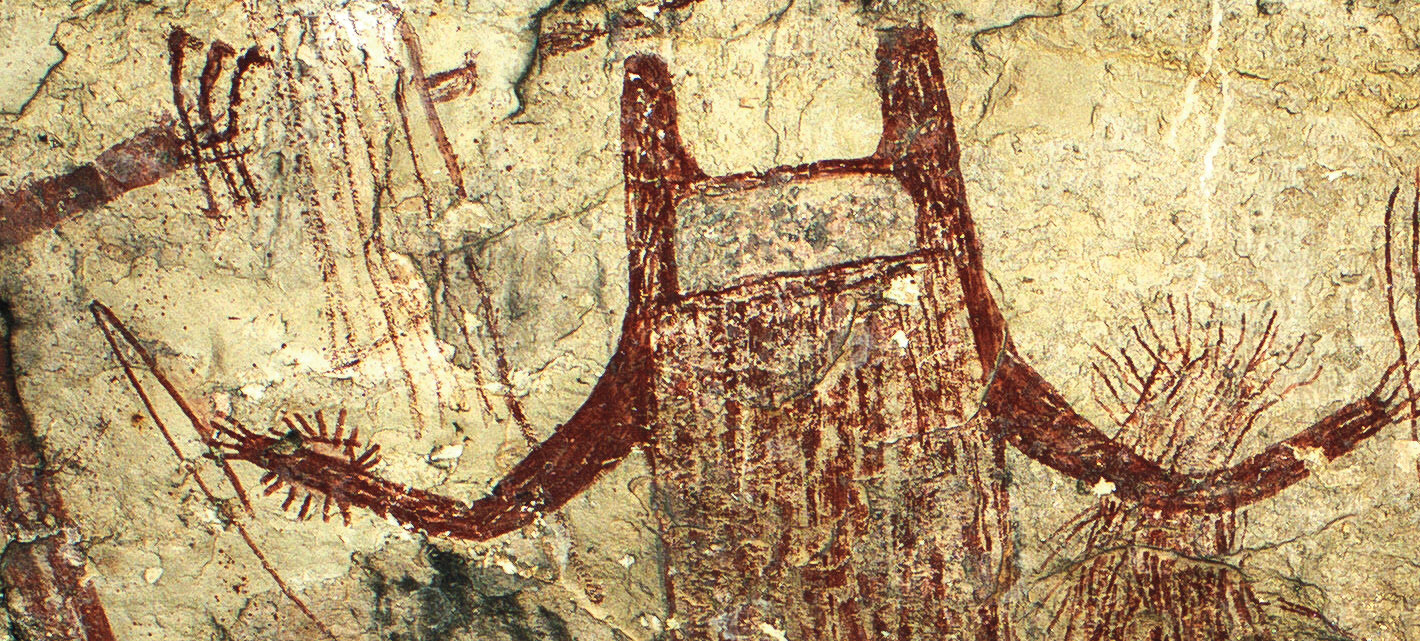 Shumla Archaeological Research and Education Center Archive
 -
Features May/June 2026
Bridge to the Past
The Yellow River brought both prosperity and calamity to China’s dazzling medieval capital
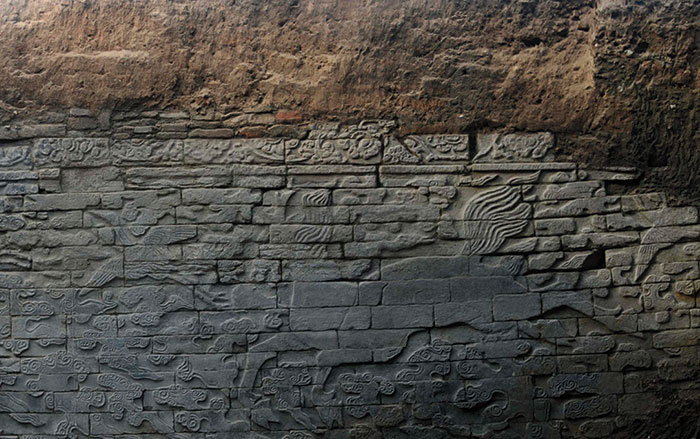 Henan Provincial Institute of Cultural Heritage and Archaeology