New Details Emerge About Pompeii Victim

News May 18, 2026

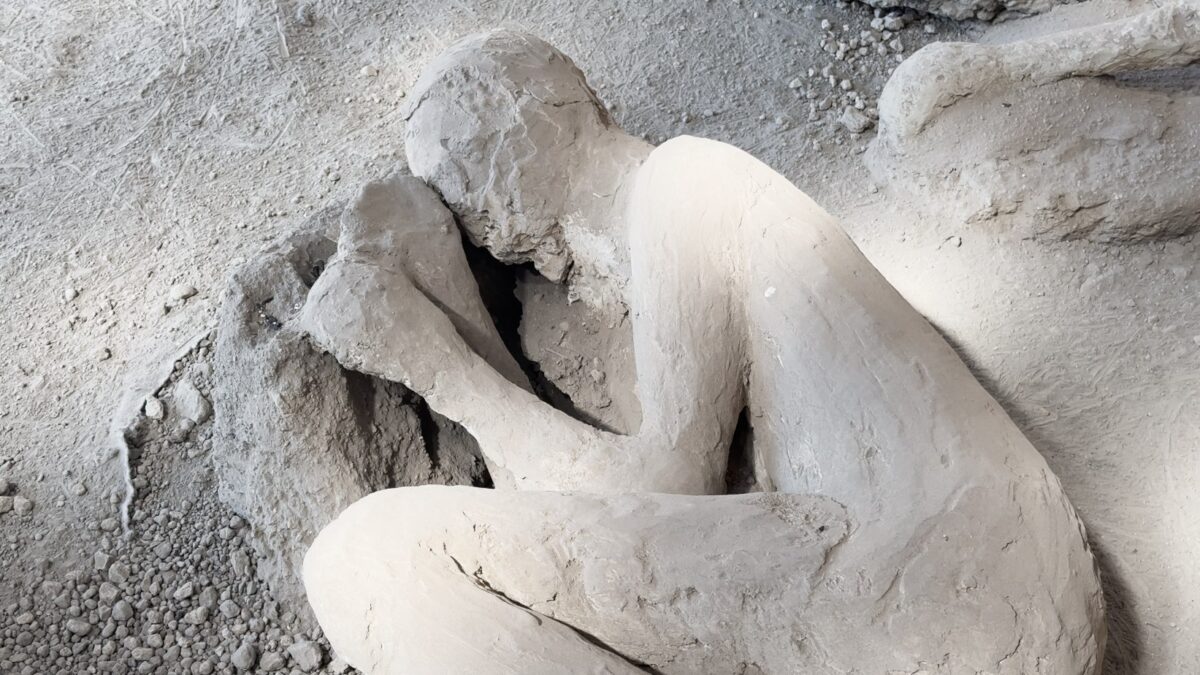
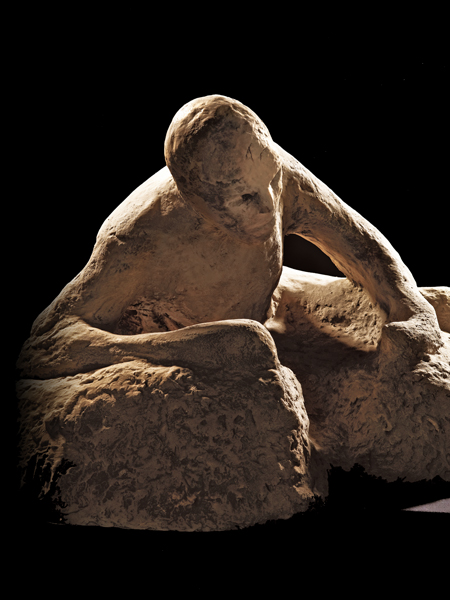
Plaster cast of victim from the Garden of the Fugitives, Pompeii, Italy
Archaeological Park of Pompeii
SHARE:

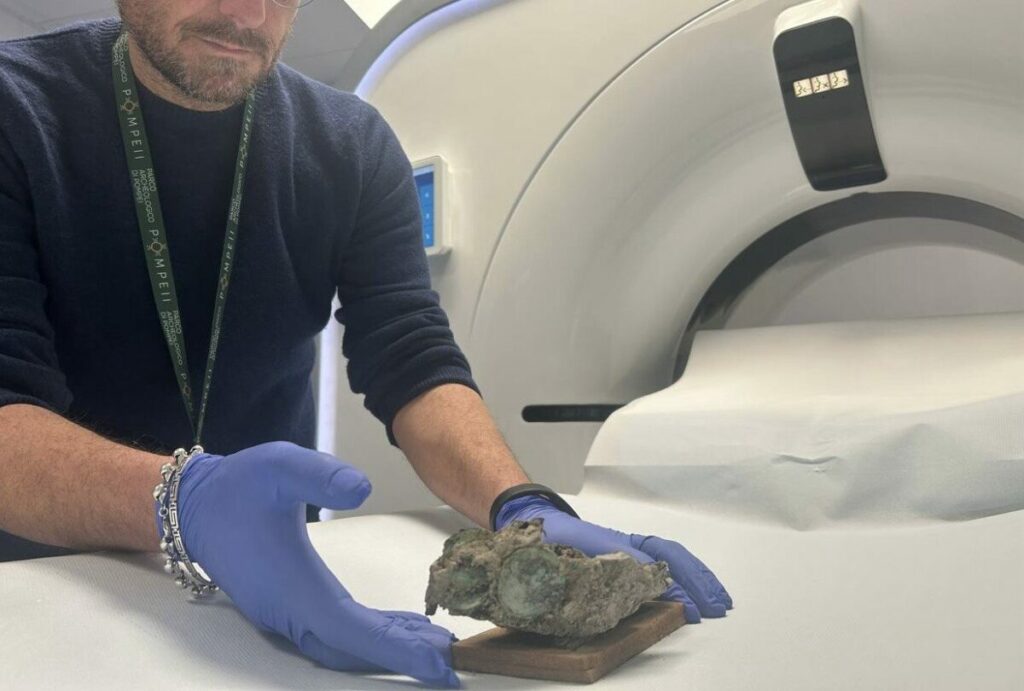
POMPEII, ITALY—In 1961, archaeologists working in a property in Pompeii known as the Garden of the Fugitives uncovered the remains of 14 victims who failed to escape the a.d. 79 eruption of Mount Vesuvius. They made plaster casts of the deceased individuals as they were being excavated that capture the victims' dramatic final poses. Now, more than six decades later, researchers have learned more about the identity of one of those people, Finestra sull’Arte reports. New X-ray and CT scanning recently revealed that one of the victims had a cloth bag by his side filled with bronze and silver coins, as well as a box containing a small slate tablet and a series of small metal instruments. Experts believe that the slate was used for preparing cosmetic or medical concoctions and the small utensils likely comprised a physician’s surgical kit. They now believe that this person was likely a doctor who was fleeing the burning city with his tools of the trade when he perished. To read about other recent research on plaster casts from the ancient city, go to "Pompeii Friend Group."
  • Features May/June 2026

    Pioneers of Lakefront  Living

    Why Neolithic and Bronze Age farmers in the Alps built their villages on stilts

    Read Article
    Modern replicas of Bronze Age houses in Lake Constance
    © APM/Frank Müller
  • Features May/June 2026

    The Last Maya Kingdom

    On the shores of a lake in Guatemala, the Itzá people defied the Spanish for nearly 200 years

    Read Article
    Flores Island, Guatemala
    Courtesy Timothy Pugh/Itzá Archaeological Project
  • Features May/June 2026

    Art for the Ages

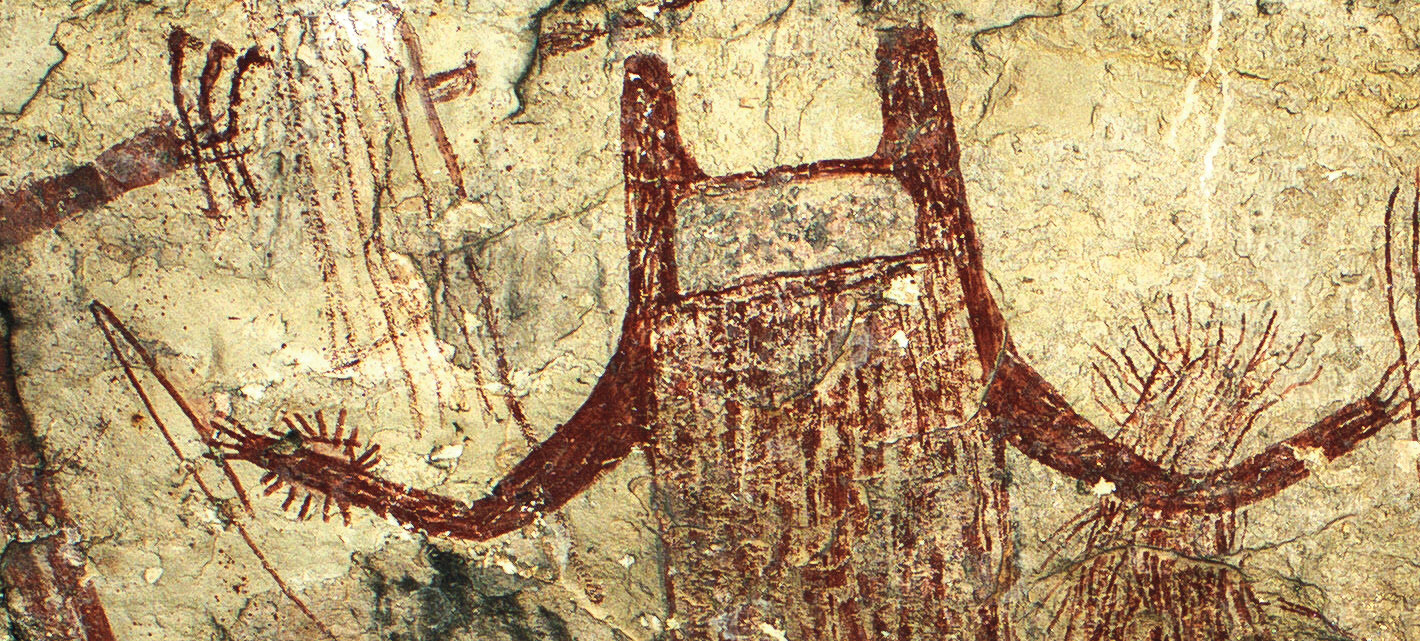
    A surreal style of painting endured for 4,000 years in the canyonlands of West Texas

    Read Article
    Shumla Archaeological Research and Education Center Archive
  • Features May/June 2026

    Bridge to the Past

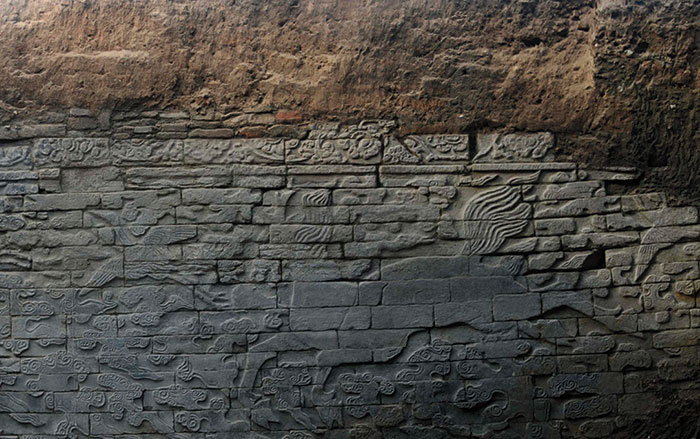
    The Yellow River brought both prosperity and calamity to China’s dazzling medieval capital By Ling Xin

    Read Article
    Henan Provincial Institute of Cultural Heritage and Archaeology