

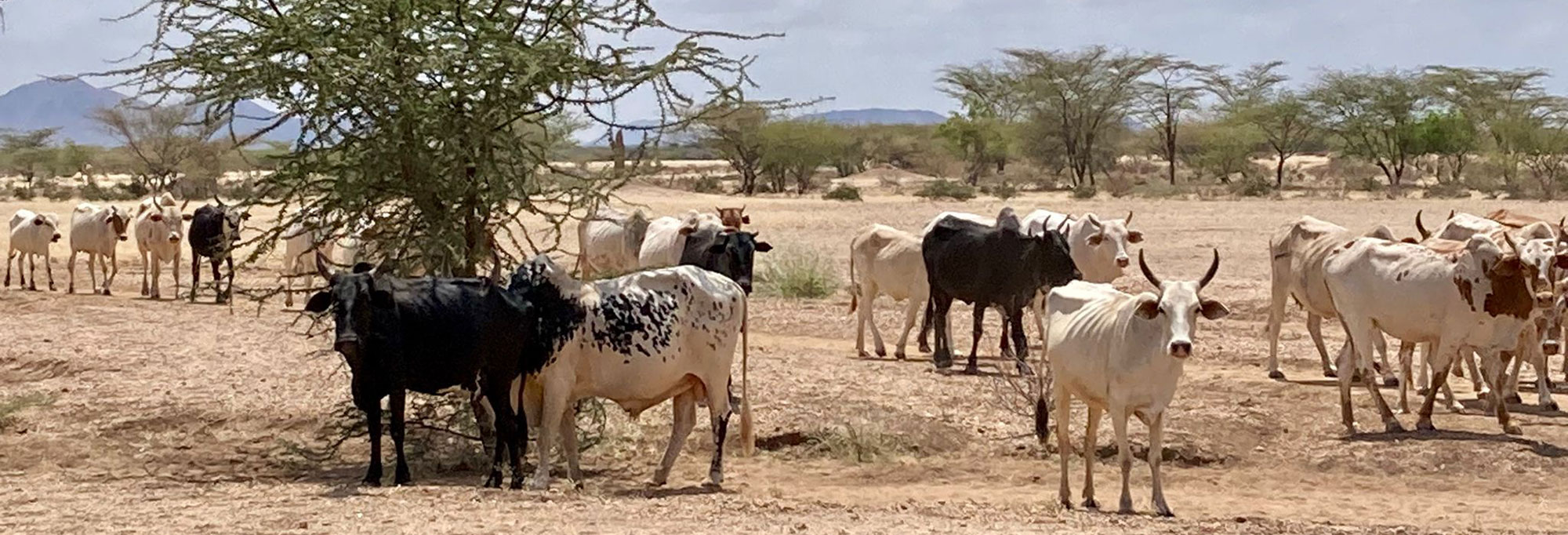
VANCOUVER, CANADA—Analysis of isotope levels in teeth from more than 100 people who lived between 9,500 and 200 years ago in Kenya and Tanzania suggests that people continued to fish, hunt wild game, and collect plants for food for more than 1,000 years after they began keeping livestock, according to a statement released by the University of British Columbia. Some 5,000 years ago, the variety of the diet consumed by the earliest herders still resembled that of hunter-gatherers, explained Kendra Chritz of the University of British Columbia. “It’s clear that fisher-foragers followed dietary strategies that were situationally specific, or even personalized,” explained Elisabeth Hildebrand of Stony Brook University. “And the first pastoralists maintained this very individualized approach, even as they began constructing communal cemeteries that involved large social networks connecting hundreds of people,” she added. The scientists think early herders may have continued to forage for food because the region around Lake Turkana was drying out. “If rainfall is unpredictable and pasture is scarce, having multiple food options can make the difference between getting by and going hungry,” Chritz said. Later pastoralists may have begun to rely more heavily on their livestock for food, as reflected in the isotope levels in their teeth, as the environment became more stable, the researchers concluded. To read about a monumental cemetery built by herders near Lake Turkana some 5,000 years ago, go to "Nomadic Necropolis."
Early Herders in East Africa Continued to Collect Wild Foods
News May 22, 2026
Recommended Articles
Digs & Discoveries March/April 2026
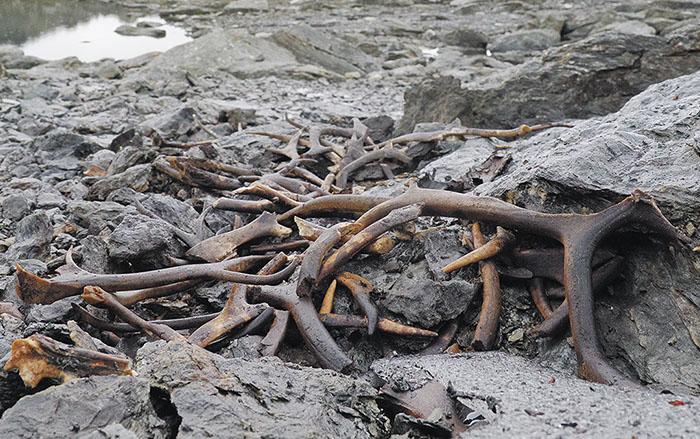
Reindeer Harvest
Top 10 Discoveries of 2024 January/February 2025
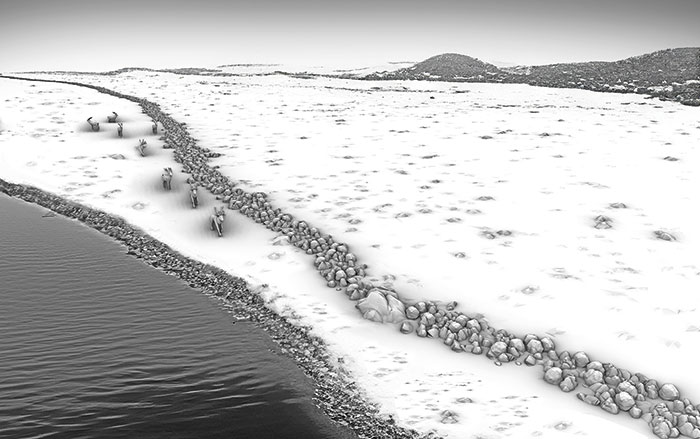
Reindeer Hunters’ Wall
Bay of Mecklenburg, Baltic Sea
Digs & Discoveries July/August 2023
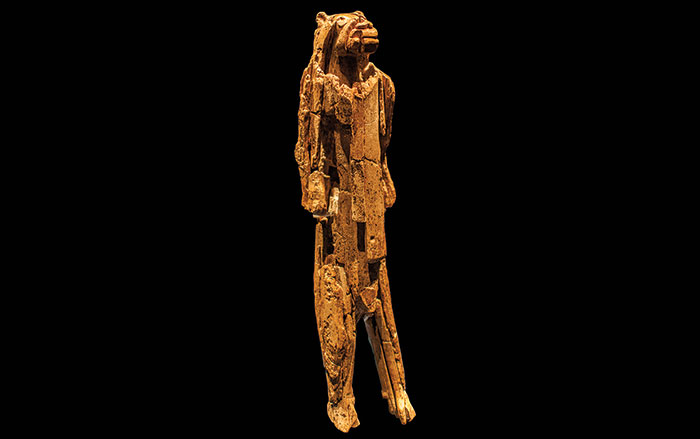
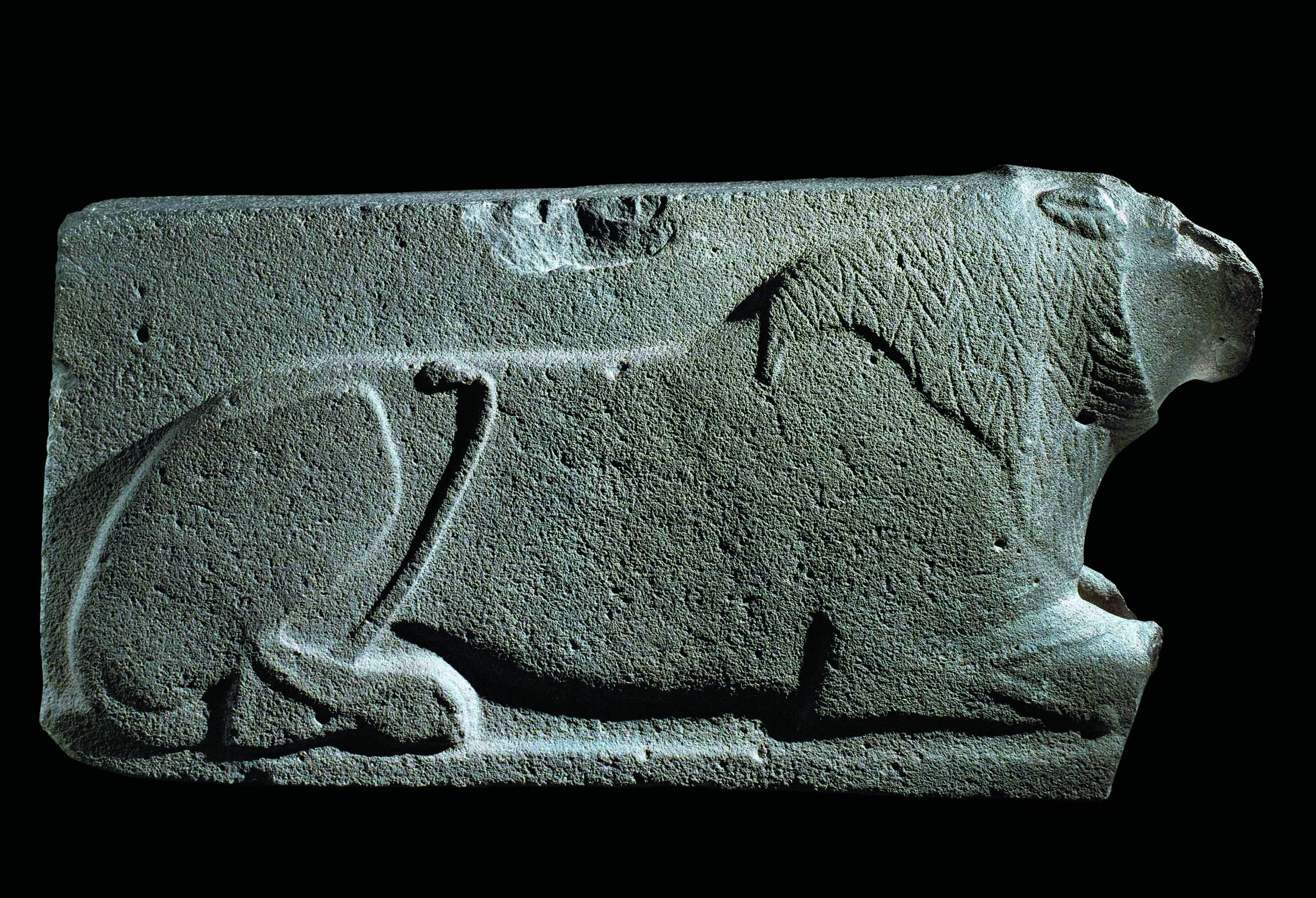
Big Game Hunting
More to Discover
Features May/June 2026
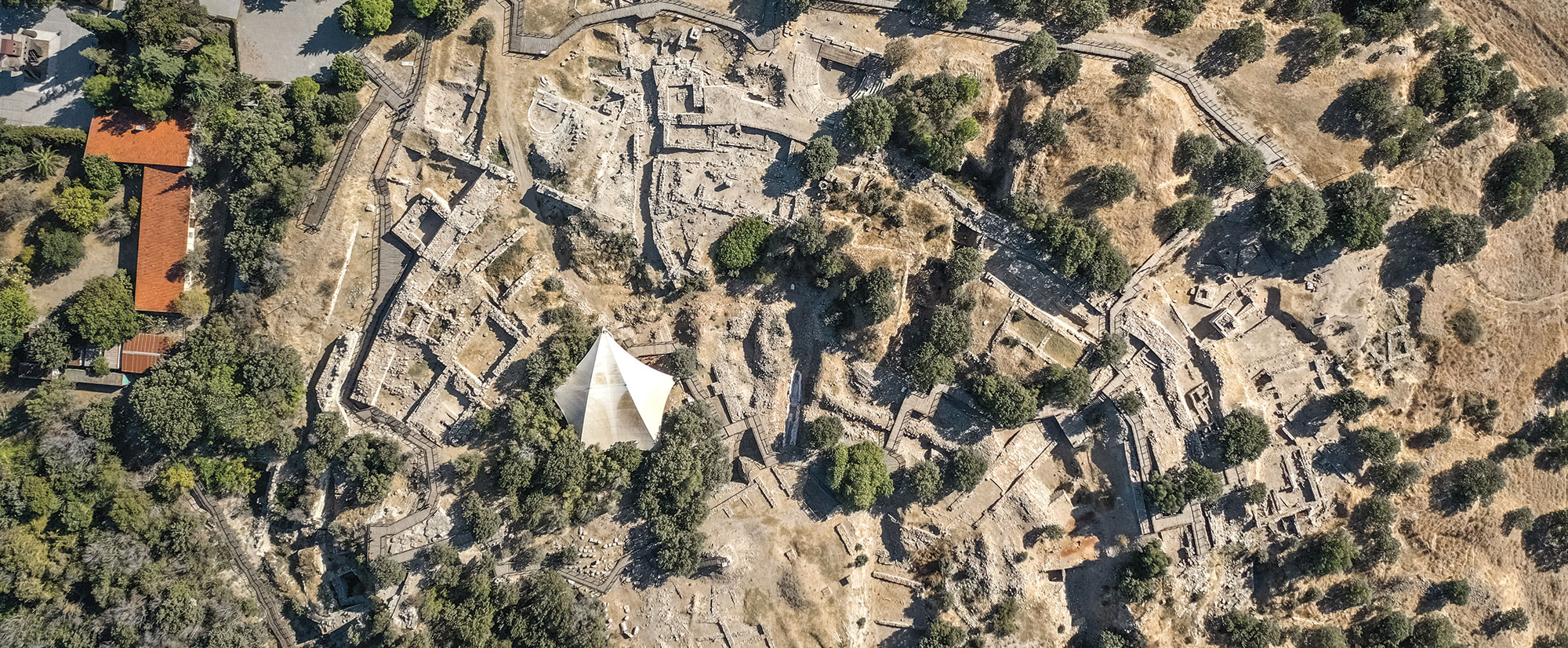
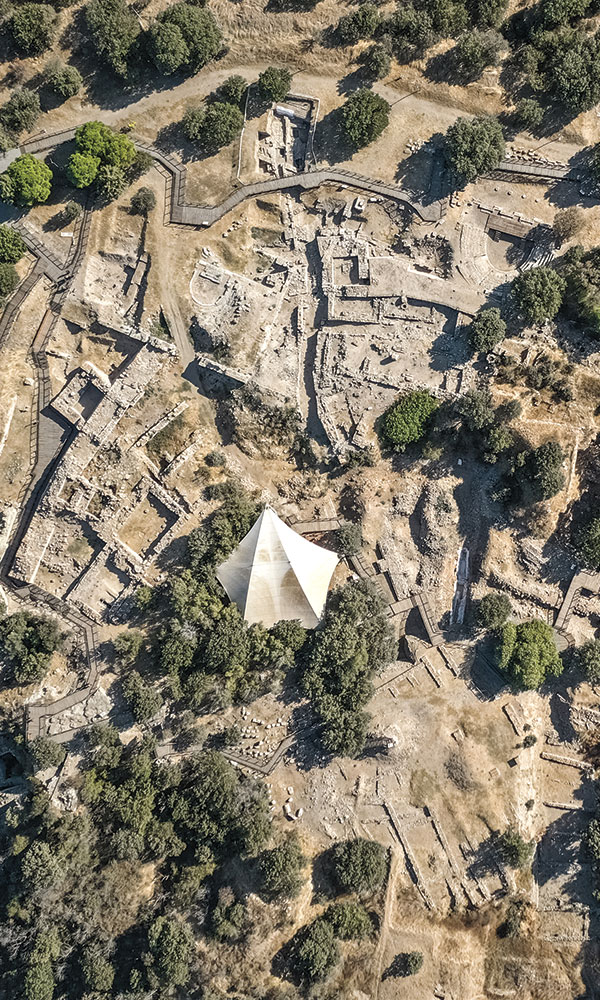
The Unexpected World of the Odyssey
Discovering the surprising inspirations behind Homer’s great tales of the Trojan War
-
Features May/June 2026
Pioneers of Lakefront Living
Why Neolithic and Bronze Age farmers in the Alps built their villages on stilts
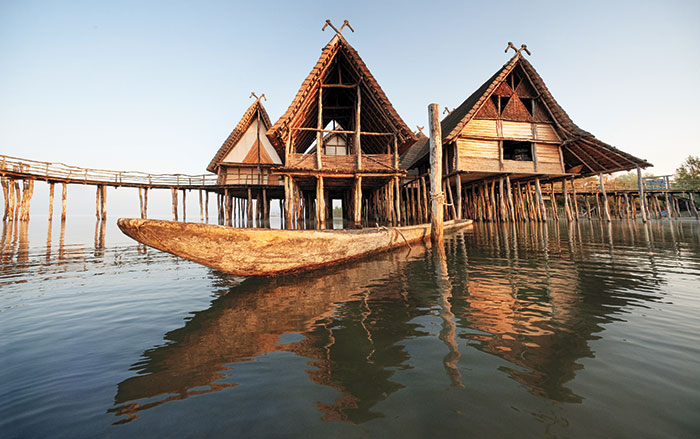 © APM/Frank Müller
 -
Features May/June 2026
The Last Maya Kingdom
On the shores of a lake in Guatemala, the Itzá people defied the Spanish for nearly 200 years
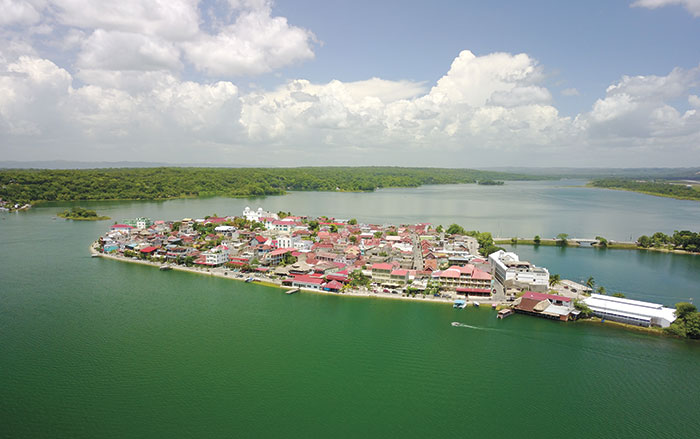 Courtesy Timothy Pugh/Itzá Archaeological Project
 -
Features May/June 2026
Art for the Ages
A surreal style of painting endured for 4,000 years in the canyonlands of West Texas
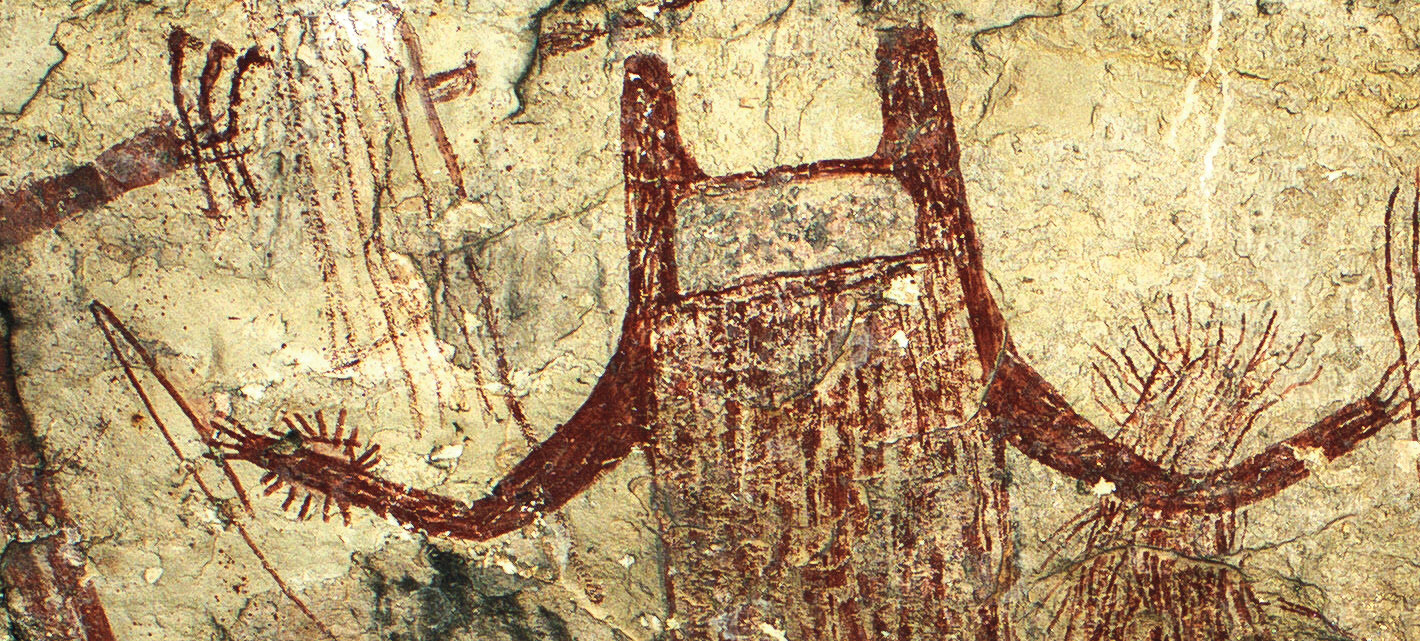 Shumla Archaeological Research and Education Center Archive
 -
Features May/June 2026
Bridge to the Past
The Yellow River brought both prosperity and calamity to China’s dazzling medieval capital
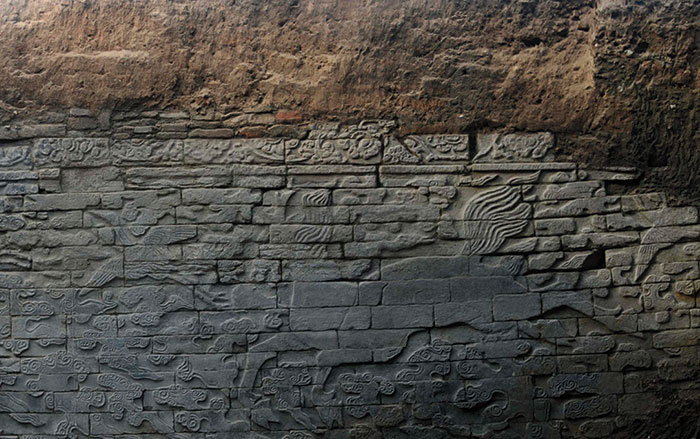 Henan Provincial Institute of Cultural Heritage and Archaeology