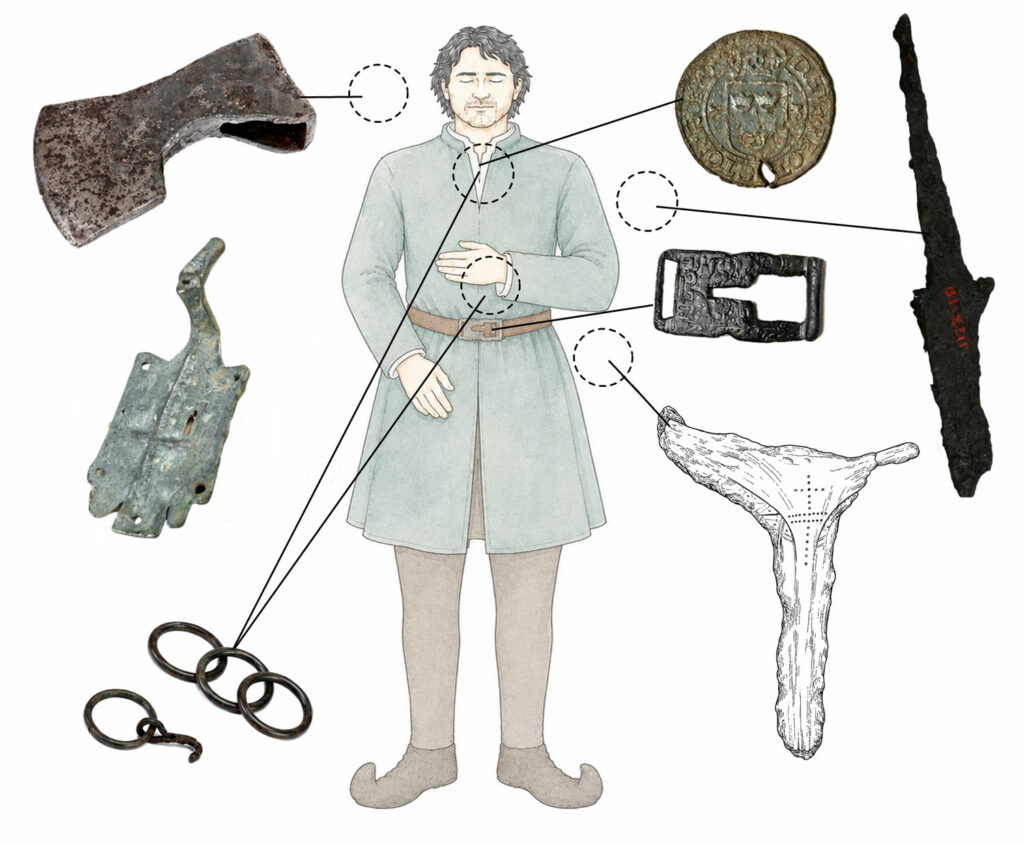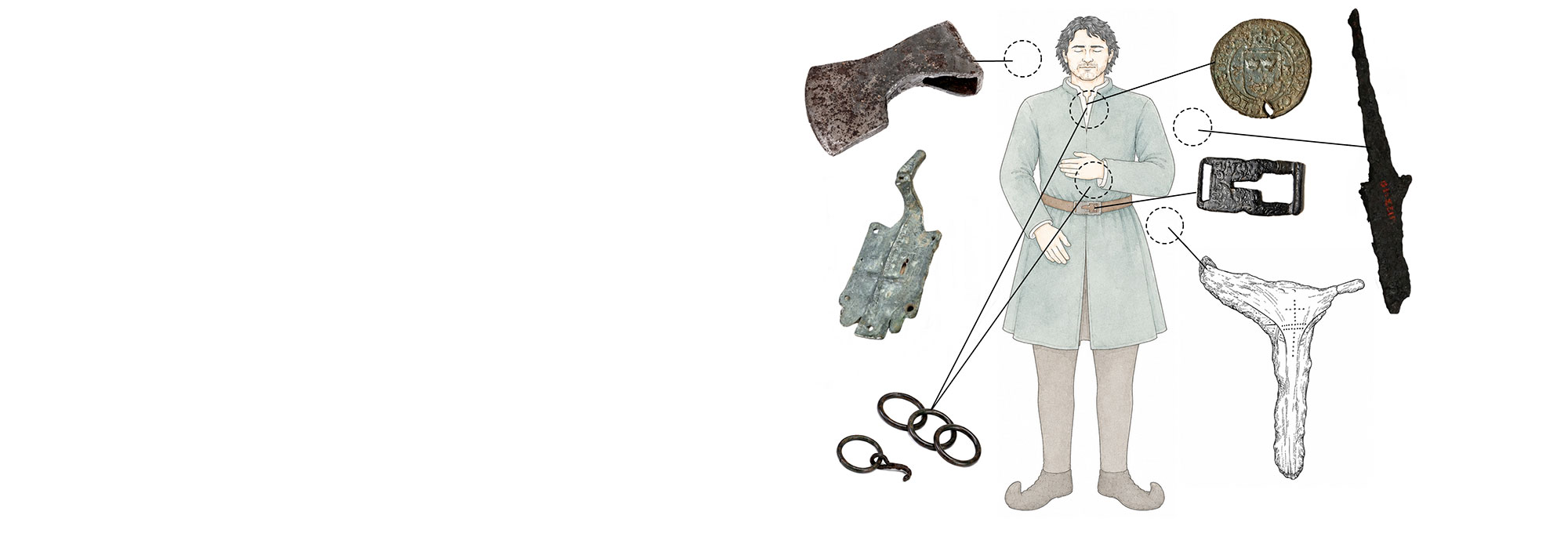
KUUSAMO, FINLAND—According to a statement released by the University of Turku, researchers from the University of Turku, including Sanni Peltola and Ulla Nordfors, have analyzed the remains of a 40-year-old man who was buried near eastern Finland’s Lake Kitka at the turn of the seventeenth century. Discovered in the 1970s, the grave has been linked to Sámi cultural heritage. The Sámi live in northern parts of Norway, Sweden, and Finland, and engage in coastal fishing, fur trapping, sheep herding, and reindeer herding. DNA extracted from the man’s teeth indicates that he is related to present-day and historical Sámi. Short DNA segments from his sample are also found in the larger population of Finland, reflecting historical interaction and mixing between the Sámi and Finnish populations, Peltola explained. But isotope analysis of the man’s teeth shows that he lived in the area where he was buried for just a short time before his death. During his childhood, his diet consisted of land animals, freshwater fish, and marine resources. The analysis also indicates that as a teenager, he drank water from an area with volcanic bedrock, such as Iceland, Nordfors added. Later in life, he ate more marine foods and little freshwater fish, which was a staple near Lake Kitka. “The results show that historical Sámi communities and their social roles do not correspond to the images presented in older research literature,” Nordfors said. Read the original scholarly article about this research in BMC Genomics. To read about another discovery from Finland, go to "Snake Guide."