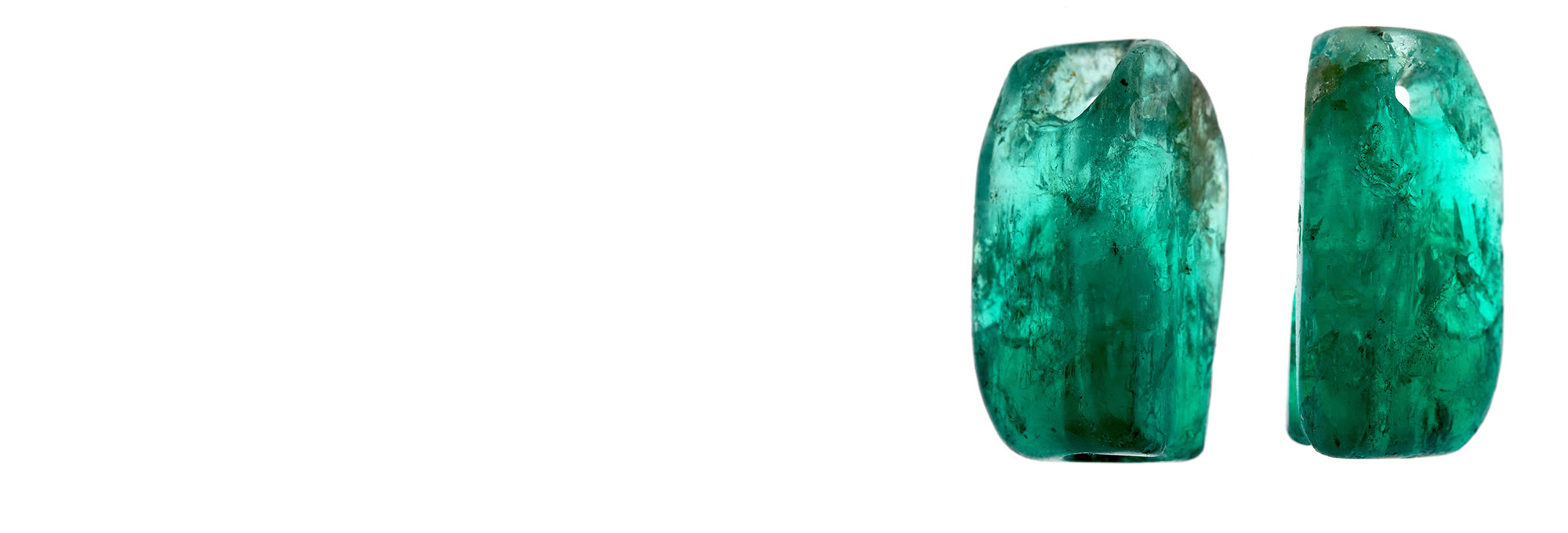
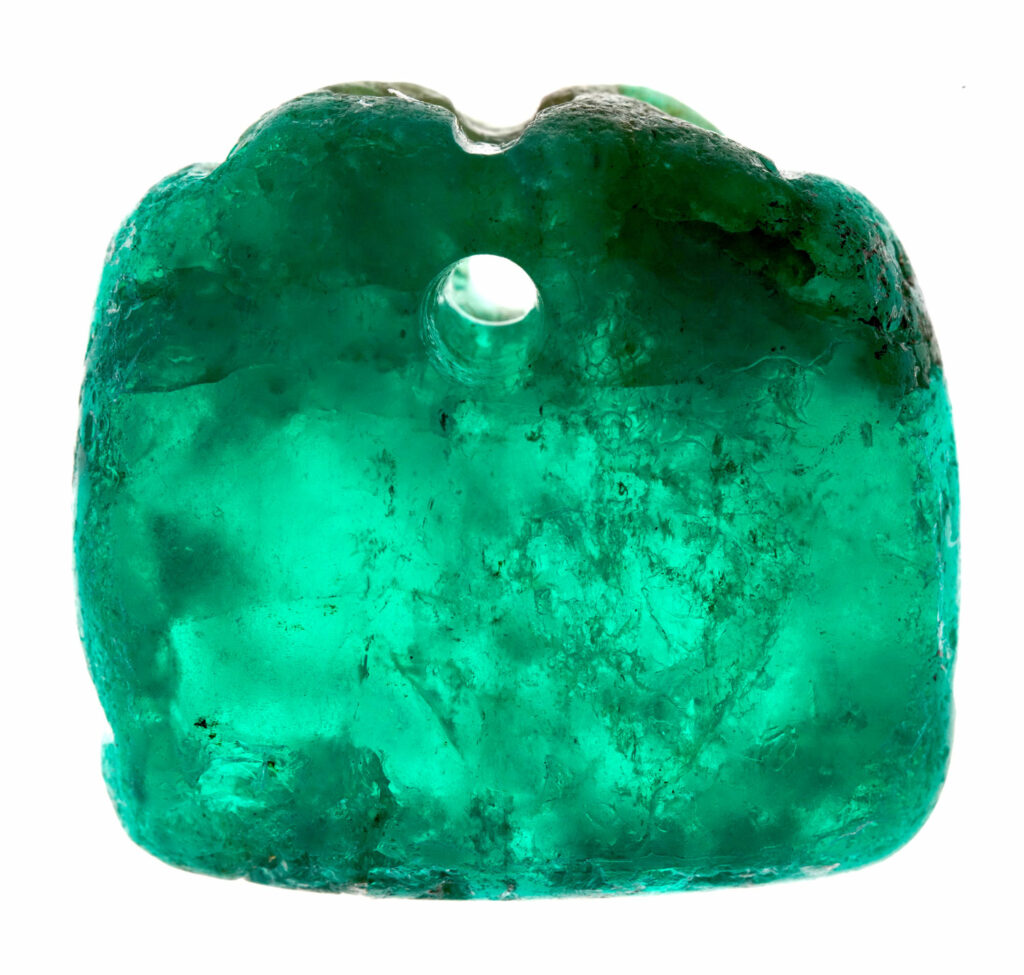
PANAMA CITY, PANAMA—Phys.org reports that X-ray fluorescence, infrared spectroscopy, and photoluminescence have been used to confirm that five green stones found at two archaeological sites on Panama’s Pacific coastline are emeralds that were mined in Colombia more than 1,000 years ago. The emeralds were recovered from elite burials in the Gran Coclé region, at the sites of El Caño and Sitio Conte, which have been dated to around A.D. 800 to 1000. These tombs also contained artifacts such as gold, pyrite mirrors, and fossilized megalodon teeth. The chemical composition of the green stones from the tombs was then compared with the makeup of 22 emeralds from Ecuador and Colombia. The testing indicates that the five stones were likely carried some 435 miles north from Colombia’s Western Emerald Belt and Eastern Emerald Belt. “These objects were not exchanged directly between the inhabitants of the Colombian mining regions and the Coclé chiefdoms,” said Carlos Mayo Torné of Fundación El Caño. Rather, he suggests that the stones were repeatedly traded by peoples living along coastal and river communities. Some of them had been cut and finished before they arrived in Panama, while others were drilled and cut by local artisans, Torné added. “These repairs and reworkings demonstrate the great importance of emeralds for ancient Coclé societies and the strong symbolic value these objects held,” he explained. Torné and his colleagues plan to investigate possible routes along which the emeralds may have been transported. To read more about tombs excavated at El Caño, go to "A Golden Shaman," one of ARCHAEOLOGY's Top 10 Discoveries of 2024.