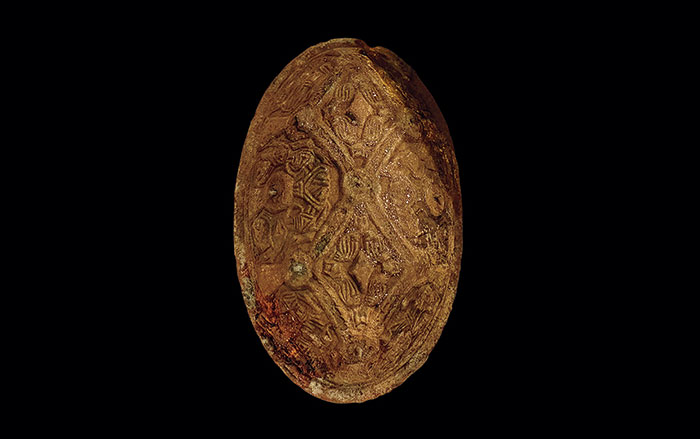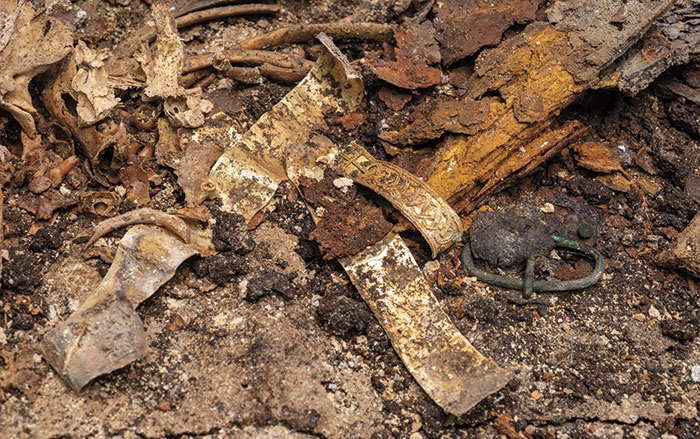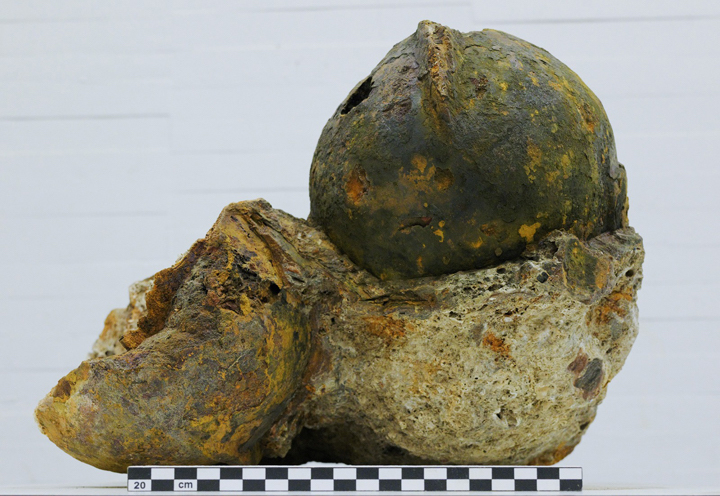
SAN VINCENTE DEL RASPEIG, SPAIN—According to a Gizmodo report, a new evaluation, including radiocarbon dating, of five of the 43 helmets discovered under about 20 feet of water off the northeastern coast of Spain in 1990 indicates that they were made between the late fourteenth and early fifteenth centuries, and not during the Roman period as had been previously thought. “At the beginning, it was difficult to place them in a specific era because they featured traits that recalled both Late Roman models and potential medieval pieces inspired by classical traditions,” said Manuel Frallicciardi of the University of Alicante. Political turmoil from the late fourteenth through the early fifteenth centuries may have increased the production of military items. These helmets are thought to have been produced in minor workshops for export. “We are looking at direct evidence of large-scale arms trading,” explained team member Raimon Gaells of the University of Alicante. Read the original scholarly article about this research in Antiquity. To read about the reevaluation of a helmet unearthed in northeastern England in the 1950s, go to "An Enduring Design."