

BUFFALO, NEW YORK—A new study suggests that Indigenous Andeans in Peru have more copies of the gene for amylase, a saliva-based digestive enzyme, than any other population in the world, according to a Live Science report. Amylase breaks down complex starches into simple sugars, making starches easier to digest. Omer Gokcumen of the University of Buffalo and his colleagues examined data from more than 3,700 people to track the average number of salivary amylase genes in 85 populations from around the world. The team members determined that Andeans in Peru and the Akimel O’odham people of southern Arizona and northern Mexico had the highest average numbers of the genes. The researchers focused on the Peruvians because there were too few Akimel O’odham individuals in the sample to test for signs of natural selection in the population. Gokcumen said that being able to produce more amylase could have been a great advantage to ancient Peruvians when it came to consuming potatoes, which were domesticated in the Andes some 10,000 years ago. People who did not have the added copies of salivary amylase genes may not have had successful pregnancies, or people who had inherited the additional copies of the gene may have had more children, Gokcumen said. “It’s actually a life-or-death kind of situation,” he explained. The functional advantage of having more salivary amylase copies is not yet completely understood by the scientists, but the genes may affect the microbiome, metabolism, and immune system. Read the original scholarly article about this research in Nature Communications. To read more about Andean societies of the past, go to "Return to Serpent Mountain."
Genetic Study Offers Clues to Survival in the Peruvian Andes
News June 12, 2026
Recommended Articles
Features January/February 2026
Stone Gods and Monsters
3,000 years ago, an intoxicating new religion beckoned pilgrims to temples high in the Andes

Features May/June 2025
Peru’s Timeless Threads
More than 1,000 years ago, master weavers kept the ancient traditions of the Moche culture alive
Features May/June 2023
Peru's Great Urban Experiment
A millennium ago, the Chimú built a new way of life in the vast city of Chan Chan
Artifacts March/April 2023
Andean Wind Instruments
More to Discover
Features May/June 2026
The Unexpected World of the Odyssey
Discovering the surprising inspirations behind Homer’s great tales of the Trojan War
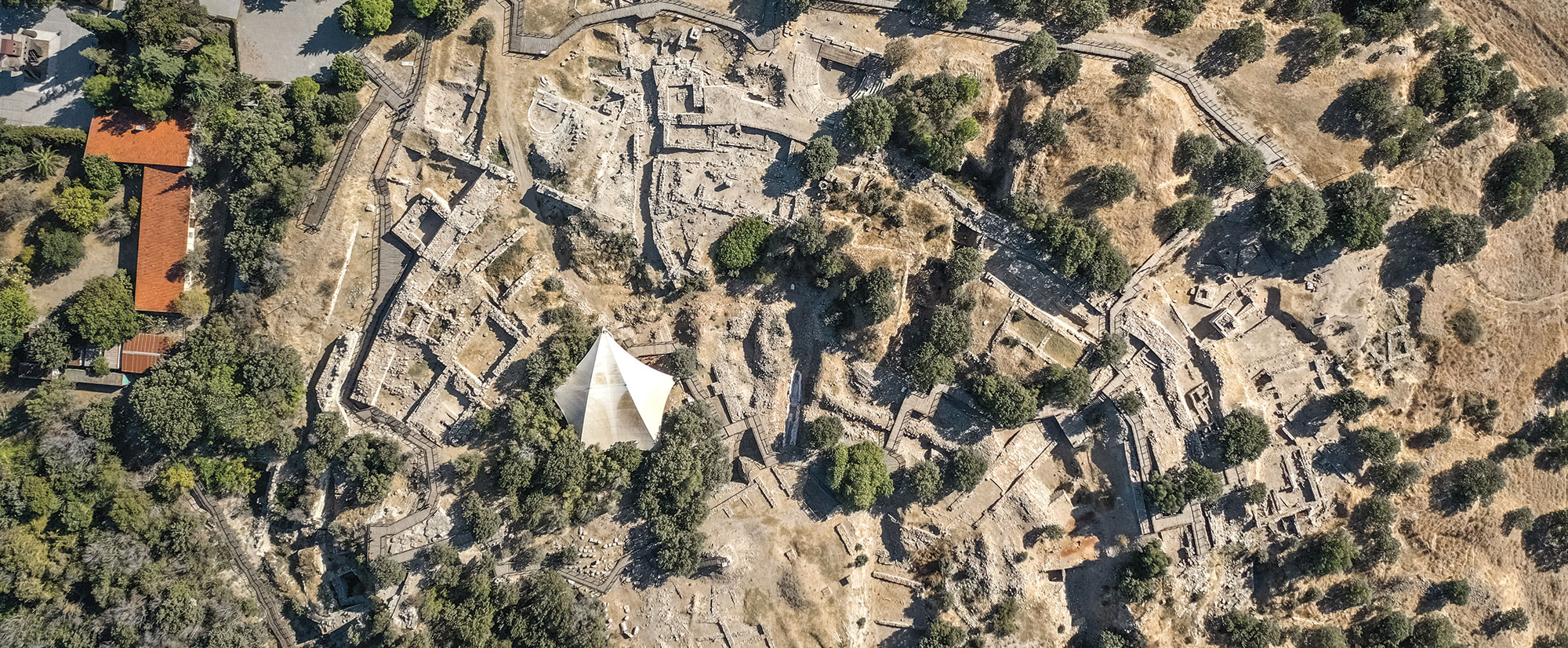
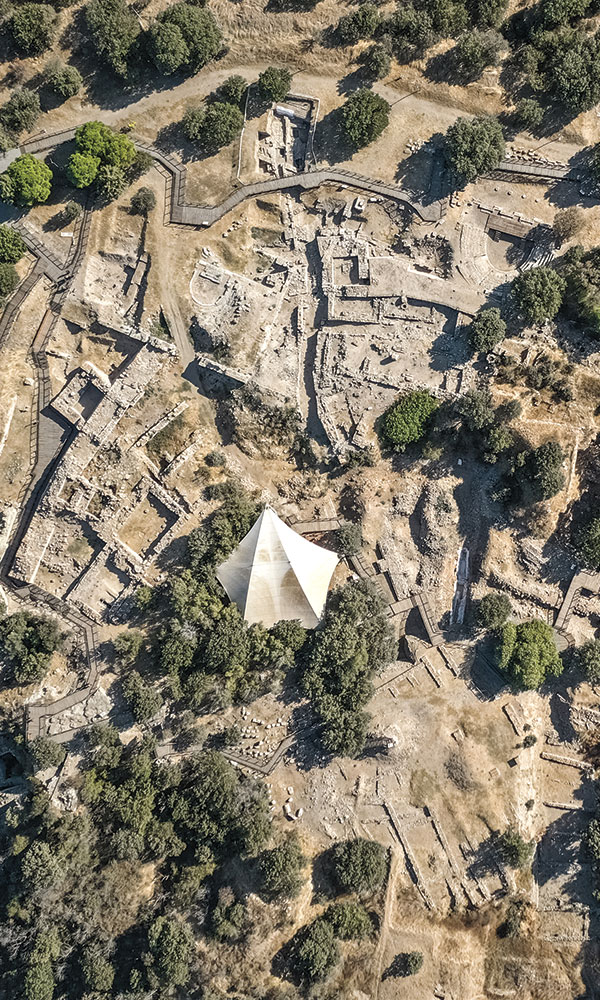
-
Features May/June 2026
Pioneers of Lakefront Living
Why Neolithic and Bronze Age farmers in the Alps built their villages on stilts
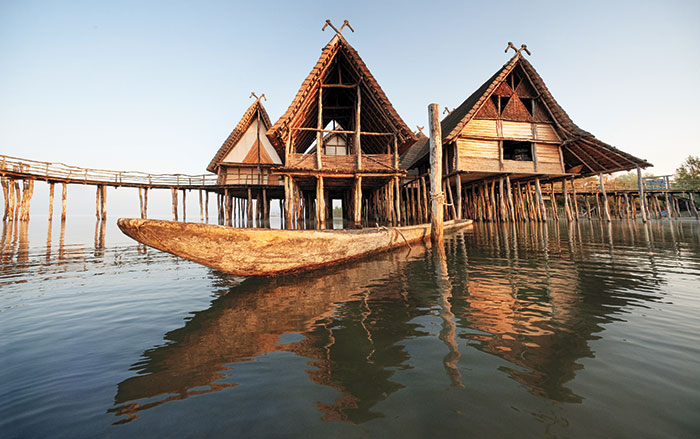 © APM/Frank Müller
 -
Features May/June 2026
The Last Maya Kingdom
On the shores of a lake in Guatemala, the Itzá people defied the Spanish for nearly 200 years
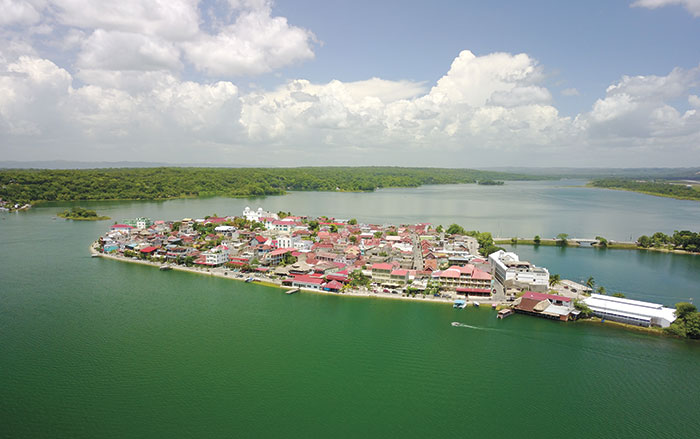 Courtesy Timothy Pugh/Itzá Archaeological Project
 -
Features May/June 2026
Art for the Ages
A surreal style of painting endured for 4,000 years in the canyonlands of West Texas
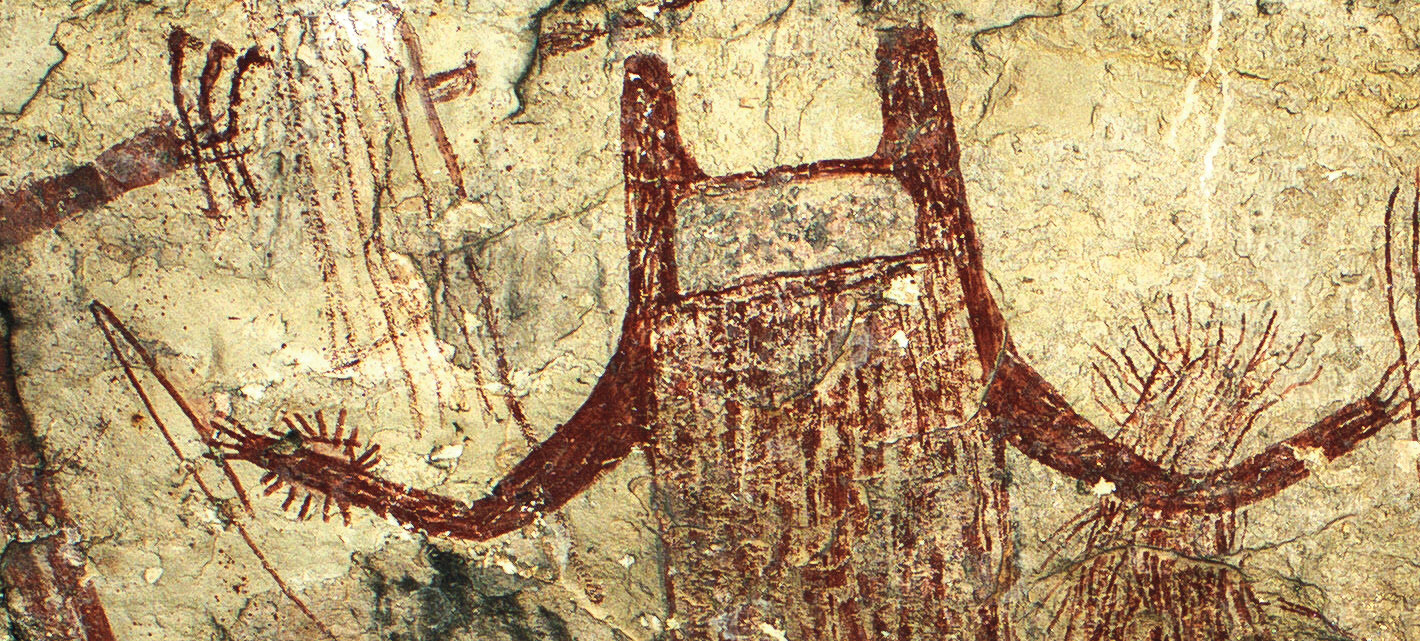 Shumla Archaeological Research and Education Center Archive
 -
Features May/June 2026
Bridge to the Past
The Yellow River brought both prosperity and calamity to China’s dazzling medieval capital
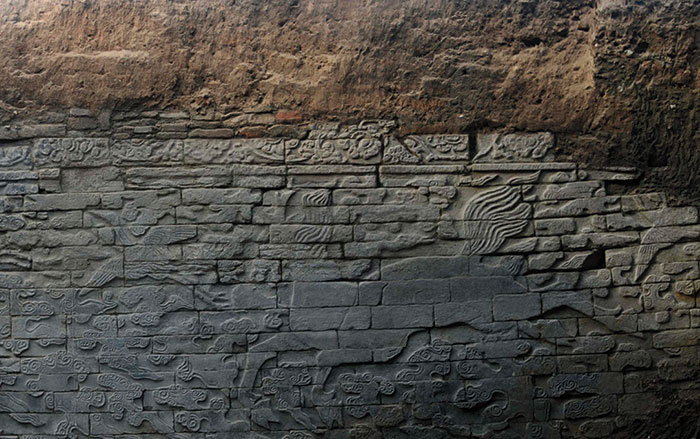 Henan Provincial Institute of Cultural Heritage and Archaeology