300,000-Year-Old Cave Site Explored in Northern Israel

News June 18, 2026

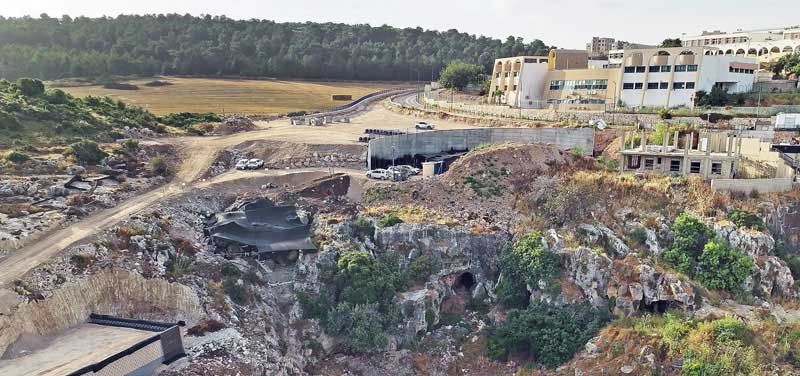
© Emil Aladjem, Israel Antiquities Authority
SHARE:

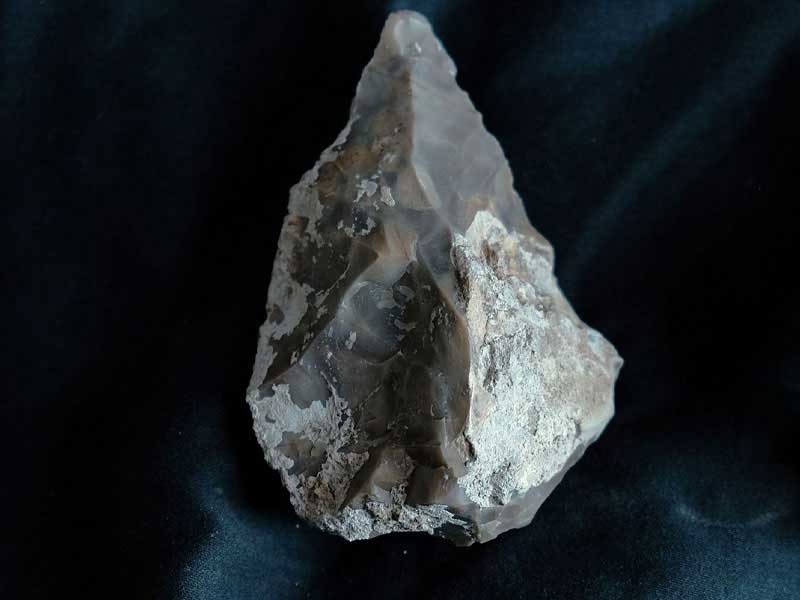
HAIFA, ISRAEL—Flint scrapers and handaxes; the bones of fallow deer, gazelle, and ancient horses; and evidence for the controlled use of fire some 300,000 years ago have been discovered in northern Israel’s Fureidis Cave by researchers from the Israel Antiquities Authority and the University of Haifa, according to a report in La Brújula Verde. The well-preserved site was occupied by members of the Acheulo-Yabrudian culture, before the arrival of Neanderthals and modern humans in the region. Sites of similar age have been found at Qesem Cave in central Israel and Tabun Cave in northern Israel. Study of the intact site at Fureidis Cave could reveal more information about the mobility, hunting strategies, and social interactions between these early humans. To read more about a recent Paleolithic discovery, go to "What Happened in Goyet Cave?"
  • Features May/June 2026

    Pioneers of Lakefront  Living

    Why Neolithic and Bronze Age farmers in the Alps built their villages on stilts

    Read Article
    Modern replicas of Bronze Age houses in Lake Constance
    © APM/Frank Müller
  • Features May/June 2026

    The Last Maya Kingdom

    On the shores of a lake in Guatemala, the Itzá people defied the Spanish for nearly 200 years

    Read Article
    Flores Island, Guatemala
    Courtesy Timothy Pugh/Itzá Archaeological Project
  • Features May/June 2026

    Art for the Ages

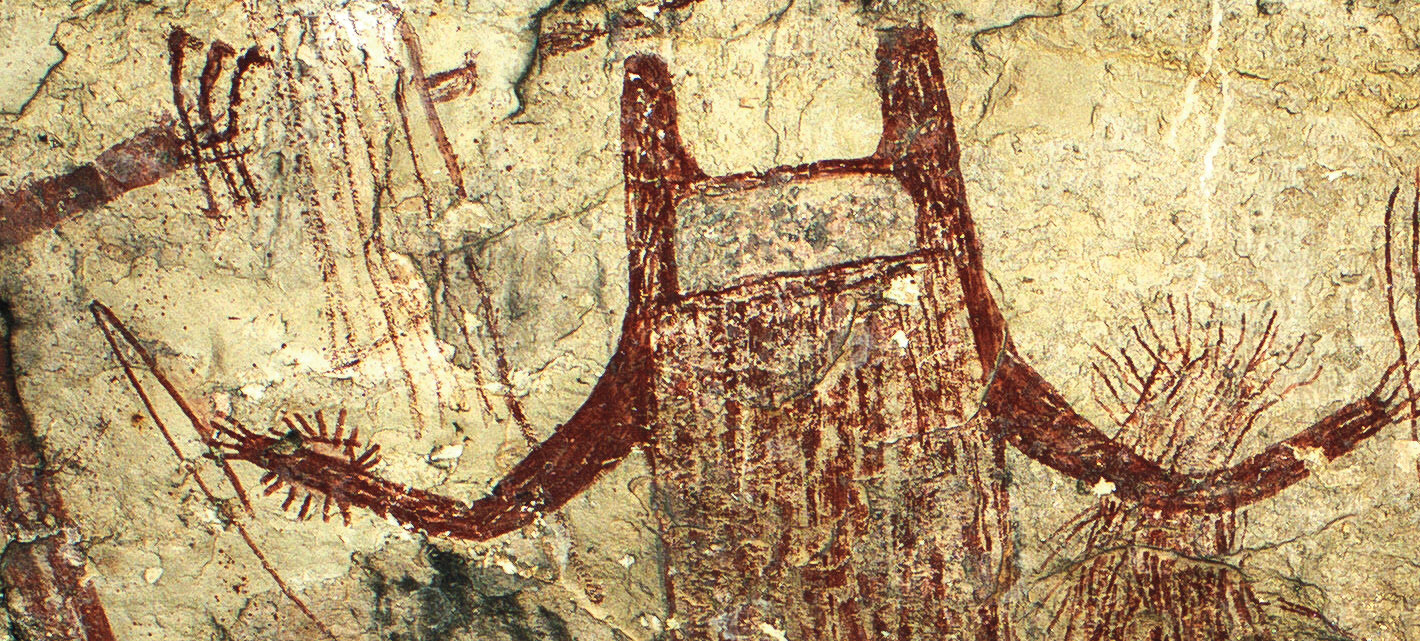
    A surreal style of painting endured for 4,000 years in the canyonlands of West Texas

    Read Article
    Shumla Archaeological Research and Education Center Archive
  • Features May/June 2026

    Bridge to the Past

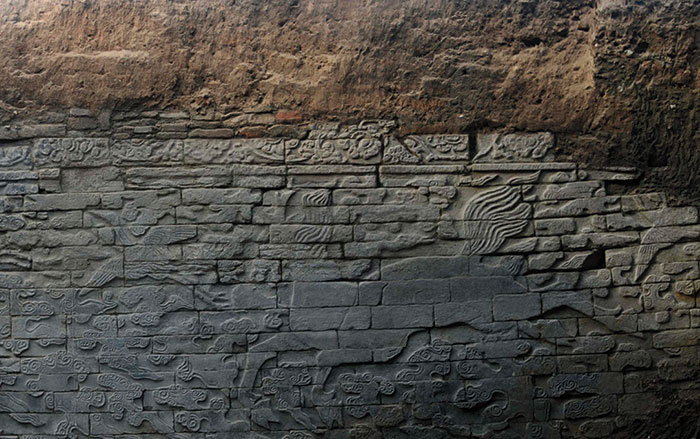
    The Yellow River brought both prosperity and calamity to China’s dazzling medieval capital

    Read Article
    Henan Provincial Institute of Cultural Heritage and Archaeology