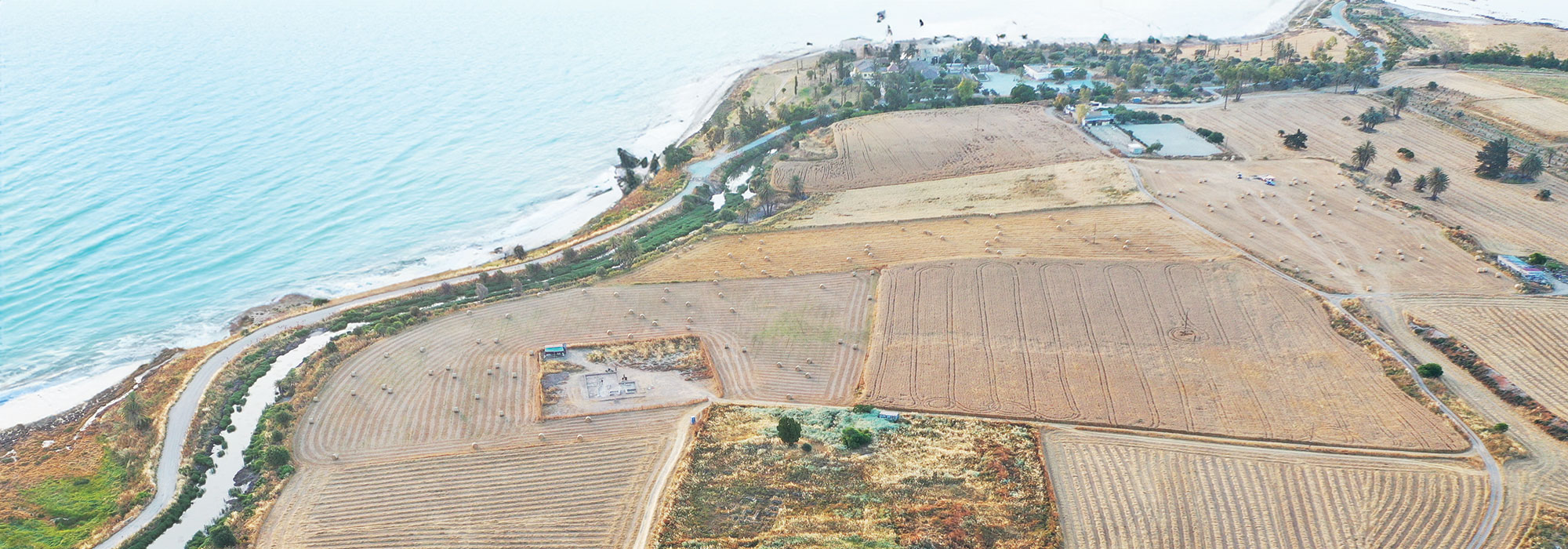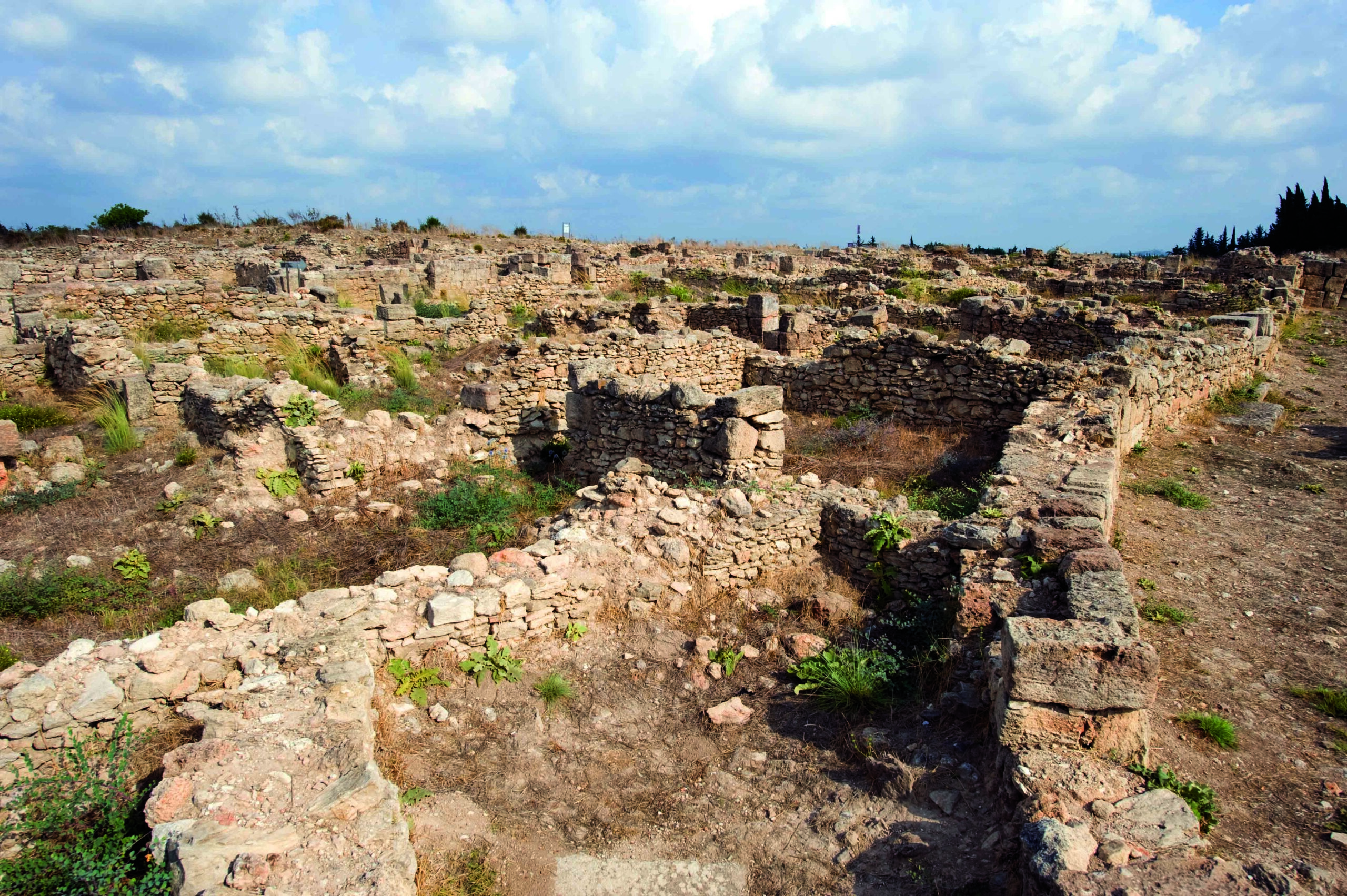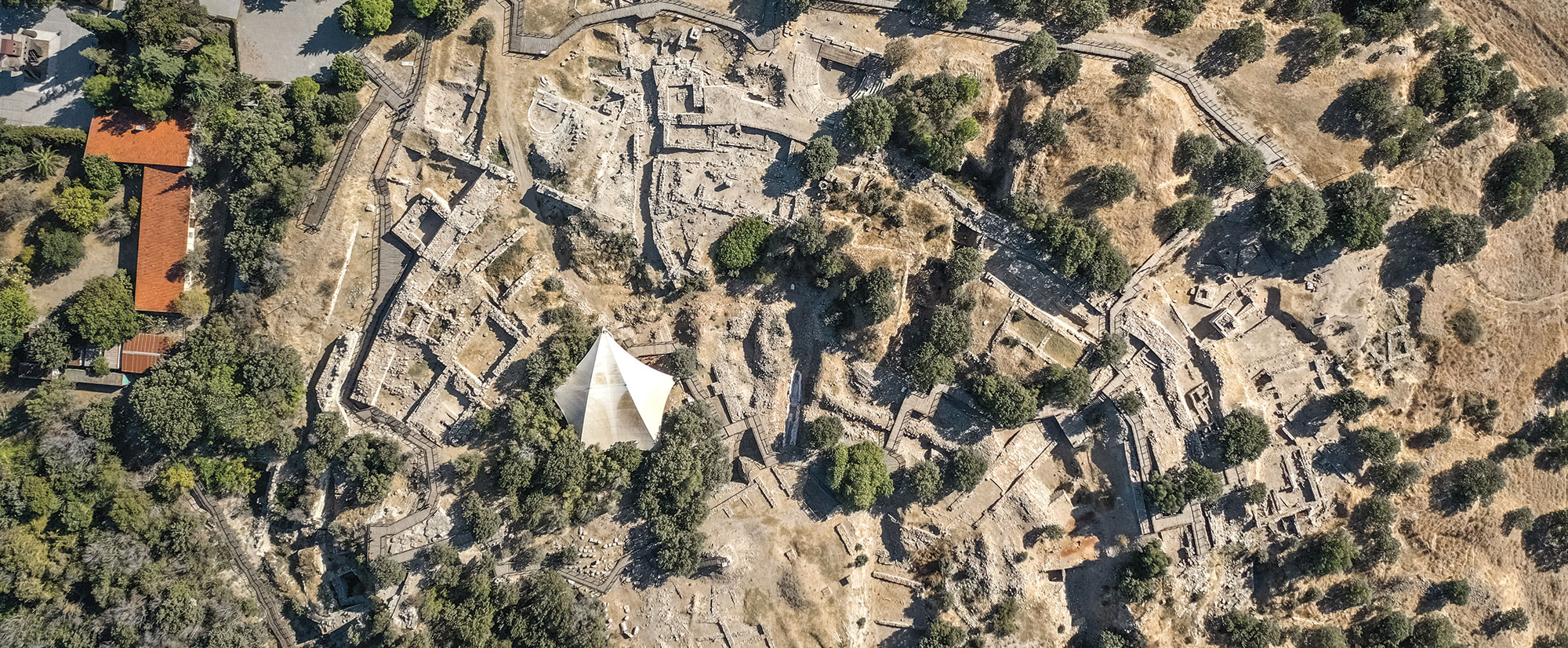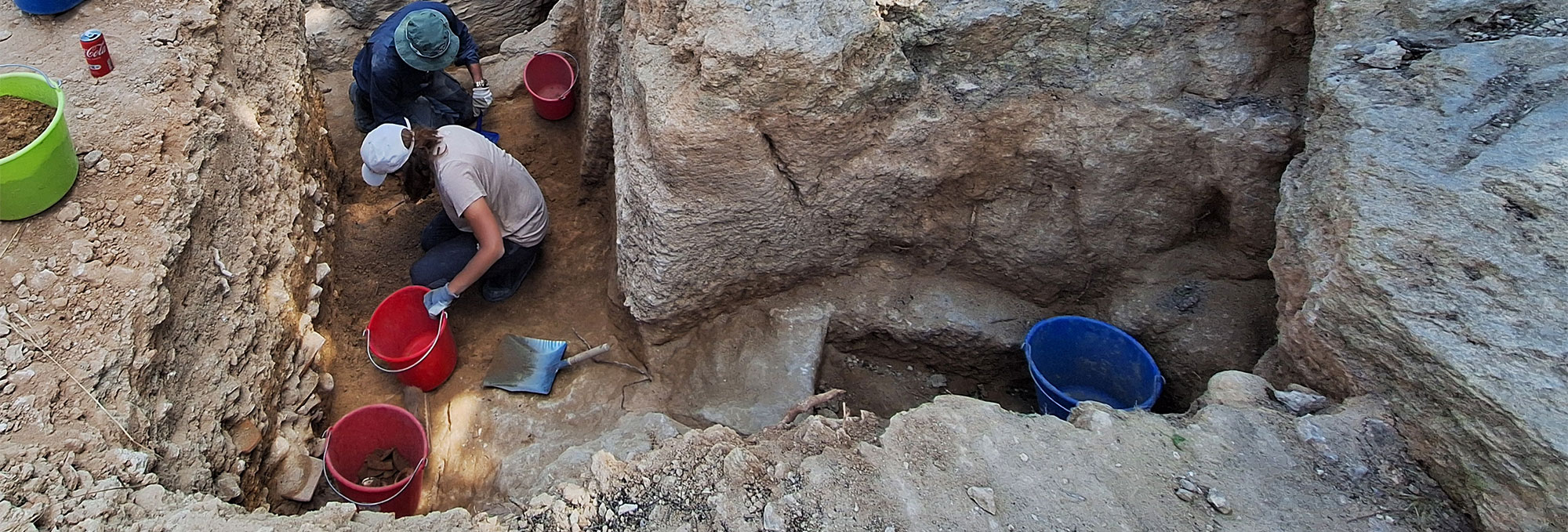
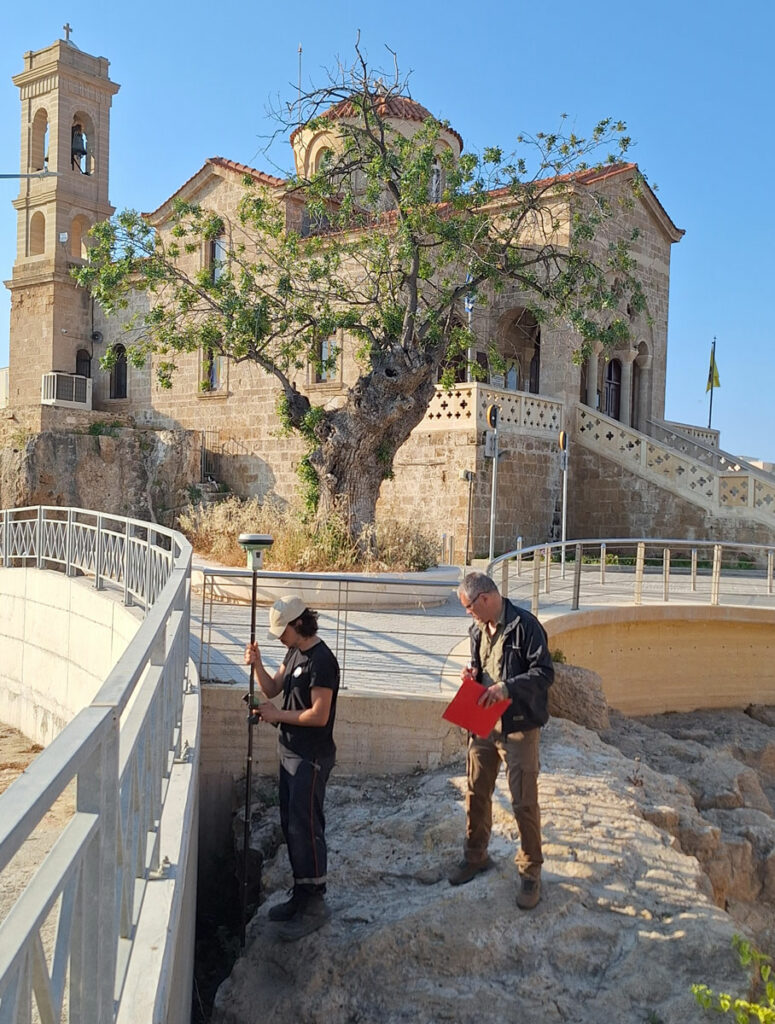
PAPHOS, CYPRUS—The Cyprus Mail reports that Claire Balandier of Avignon University led a team of researchers who investigated the second-century b.c. defense system of the ancient city of Nea Paphos, which is located in southwestern Cyprus. First, the team members identified traces of a square tower carved into bedrock on Fabrika Hill in Kato Paphos, the city’s port. They also found the floor of a second defensive tower near what had been the city’s northwestern gate. An underground water system was unearthed near the city’s theater. Water flowed in a rock-cut channel situated over an underground storage gallery. This system was altered during the Roman period, when a well was added and water was redirected into underground storage, and then a nearby cistern. The researchers also recovered fragments of a large terracotta pipe. The water system is thought to have been abandoned after a possible earthquake left a crack in the gallery wall, which would have allowed water to escape. To read about a ritual object previously found at the site, go to "Artifact: Late Roman Amulet."