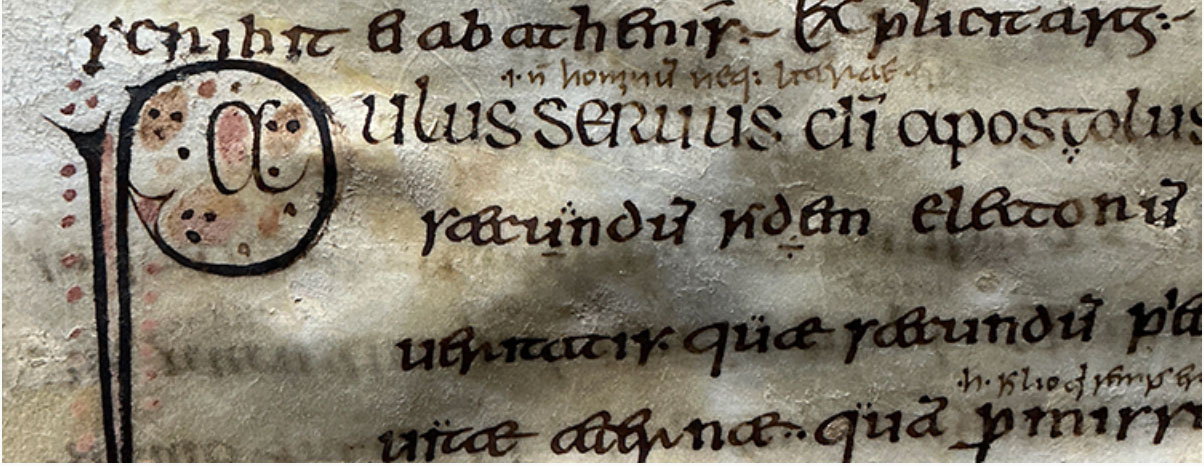
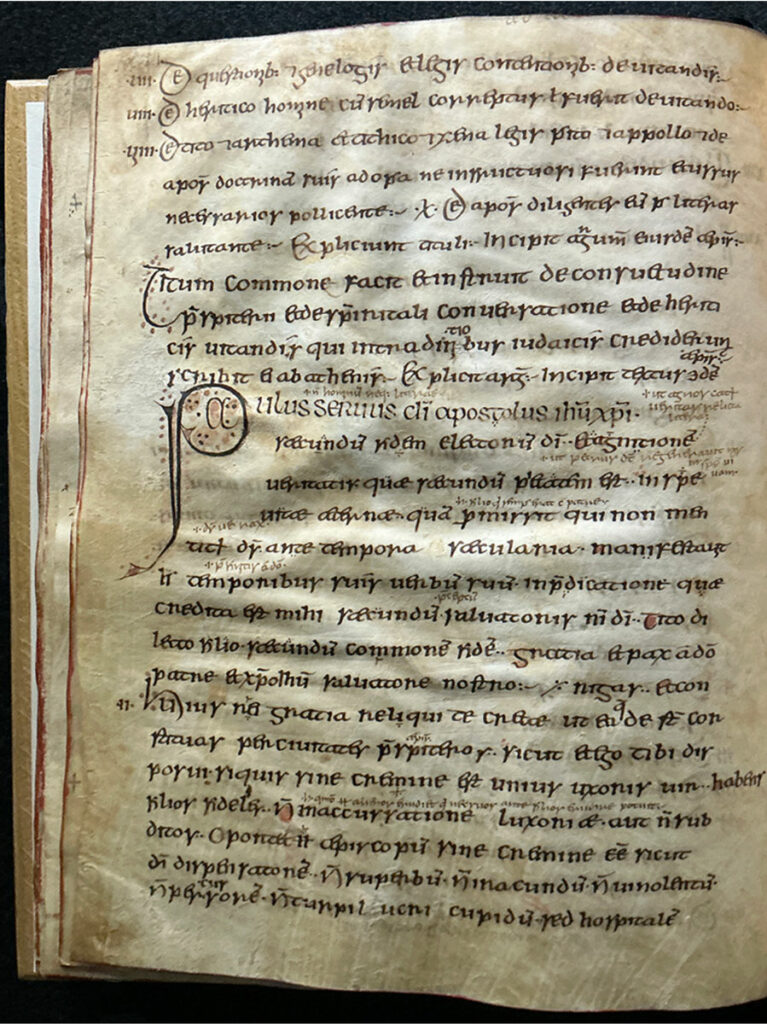
DUBLIN, IRELAND—According to a statement released by University College Dublin (UCD), DNA samples obtained from the parchment pages of historic manuscripts have been used to track the sheep pox virus. Sheep pox is a highly contagious disease with high mortality rates. It can also damage the wool of sheep and reduce yields of milk and meat. “The recovery of ancient DNA of pathogens has completely changed our understanding of infectious disease in the past, and here we show that parchment can also preserve animal pathogen DNA,” said Louis L’Hôte of UCD. “It is possible that archives and libraries around the world also contain the genetic traces of disease outbreaks in animals in the past,” he continued. In all, L’Hôte and his colleagues tracked the sheep pox virus back more than 3,700 years. The team extracted samples from sheep teeth and detected the virus in medieval manuscripts, such as a 1,000-year-old illuminated manuscript called the York Gospels and an early English dictionary known as the Corpus Glossary. Sheep pox was also found in parchment made from calfskin and goatskin. This may have been due to cross-species transmission or contamination that occurred during the parchment-making process, L’Hôte explained. Read the original scholarly article about this research in Science Advances. To read about an English tannery where parchment was likely made, go to "Medieval Leather, Vellum, and Fur."