

CAIRO, EGYPT—Ahram Online reports that a pyramid-shaped tomb dated to the late third or early fourth century A.D. has been unearthed at the site of Bir Al-Shaghala in the Dakhleh Oasis by archaeologists from Egypt’s Supreme Council of Antiquities. Bir Al-Shaghala was part of the necropolis of Mothis, the oasis' capital during the Ptolemaic and Roman periods. Underneath the pyramid superstructure, the researchers uncovered a mudbrick hall with a vaulted ceiling. Two mudbrick burial chambers were set to the right of the hall. The staircase and the sandstone entrance to the tomb were built in the Egyptian style, with hieroglyphic inscriptions of funerary spells and protections. A cornice decorated with a winged sun disk and two cobras, and a funerary scene from the Egyptian Books of the Netherworld on the lintel, also reflect Egyptian style. A sandstone offering table, a sandstone purification basin, pottery, and a bronze coin bearing an image of the emperor Constantine were also found. Greek influence is shown in the 19 lines of Greek text inscribed on a stone funerary stele. The text is dedicated to a man named Pisechtes, who is thought to have been a judge. The archaeologists suggest that the tomb may have been reused, with a mudbrick chapel and a shrine with four square mudbrick columns added to the main entrance at that time. To read about Ptolemaic-era mining in Egypt's Eastern Desert, go to "Miners' Misfortune."
Pyramid-Shaped Tomb Unearthed in Egypt’s Dakhleh Oasis
News September 25, 2026
Recommended Articles
Digs & Discoveries November/December 2018
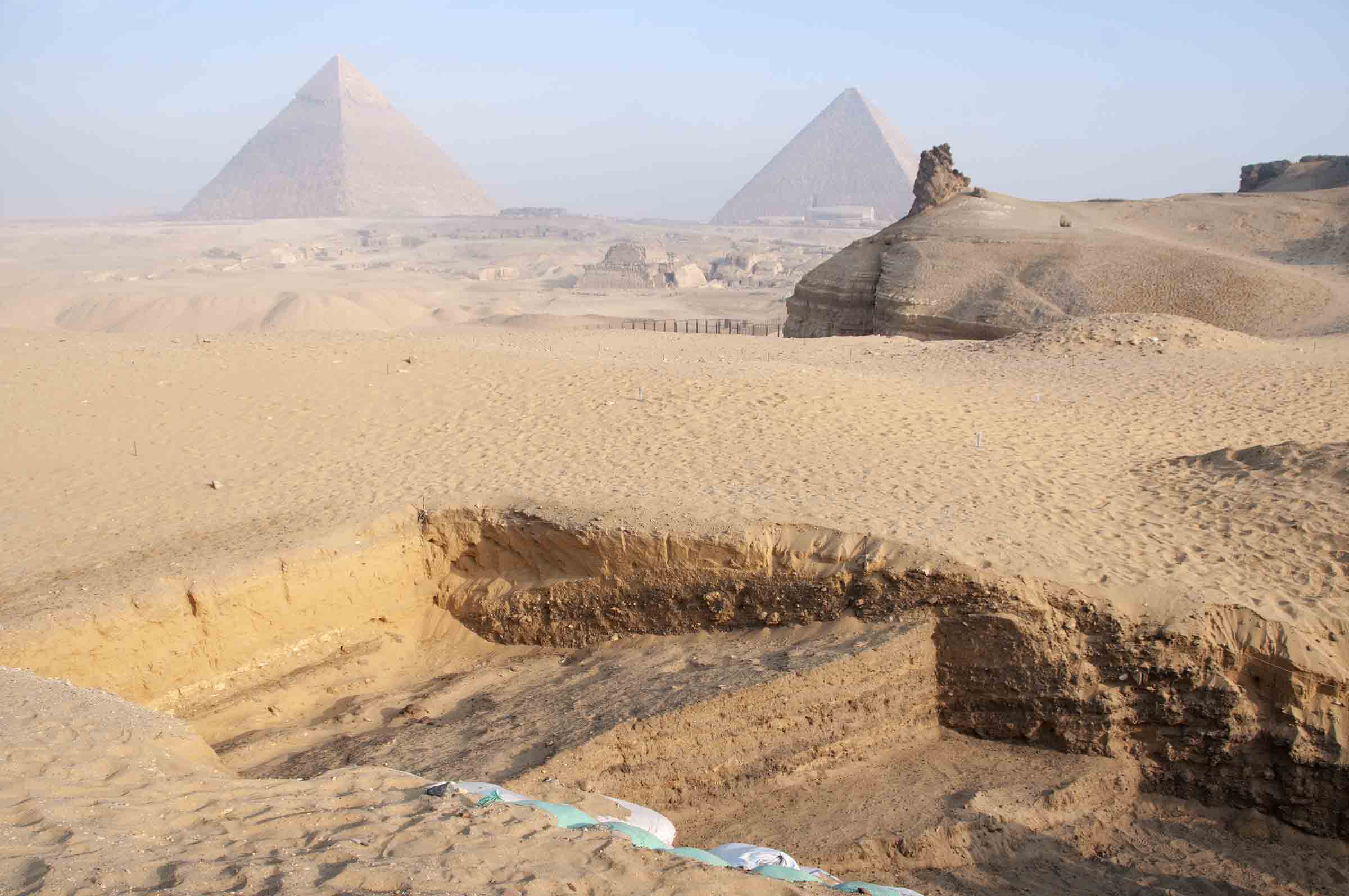
Let Them Eat Soup
Digs & Discoveries May/June 2013
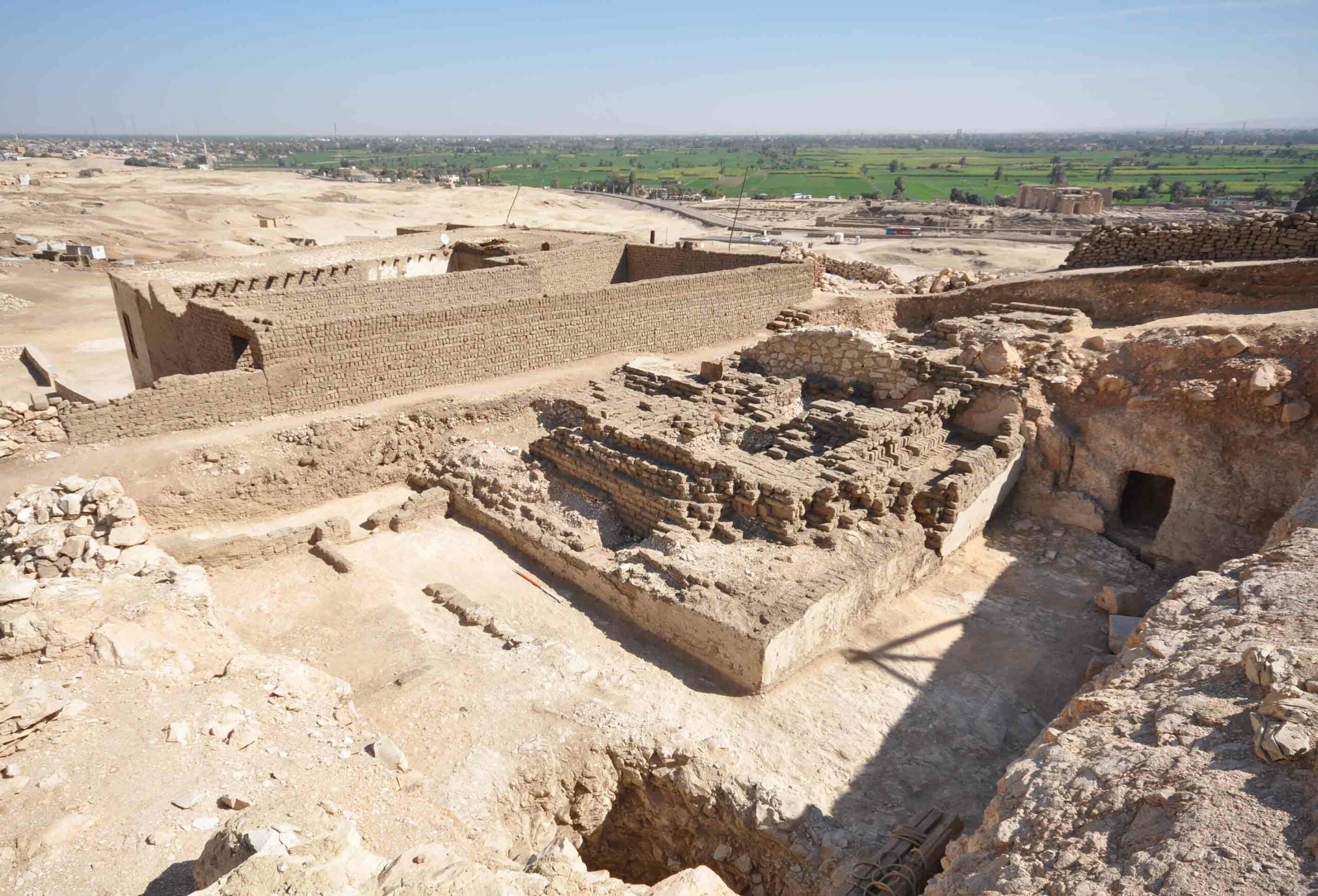
A Pyramid Fit for a Vizier
Features November/December 2026
A Tomb of One's Own
Life behind the scenes in Egypt’s Valley of the Kings
Digs & Discoveries November/December 2026
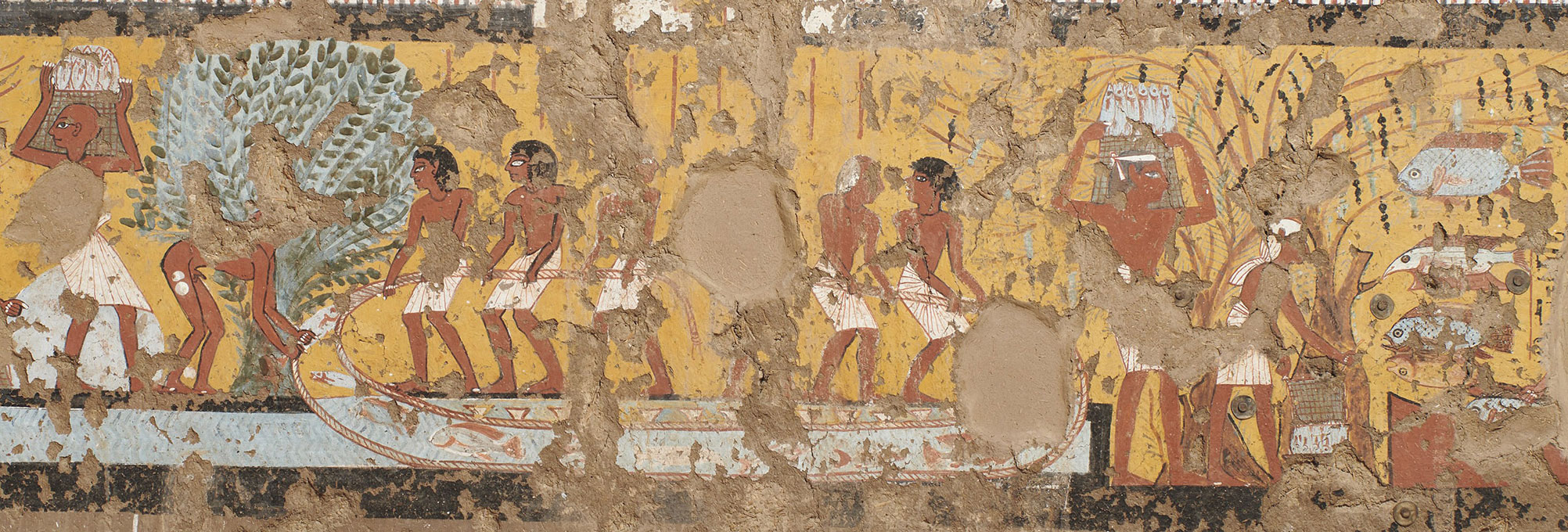
Egyptian Warrior Women
More to Discover
-
Features September/October 2026
A Change in Fashion
Hoards of lavish gold and silver neck rings buried on an English hill reflect dramatic social change
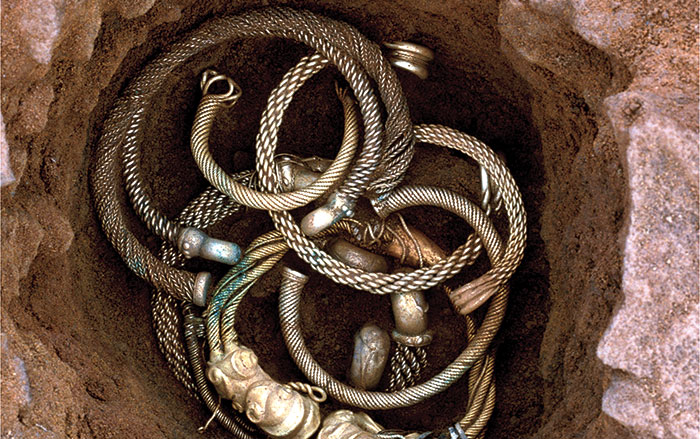 Photo © 2026 The Trustees of the British Museum
 -
Features September/October 2026
Cultivating Fields of Stone
Peru’s ancient farmers used intricate rock maps to plan for the future
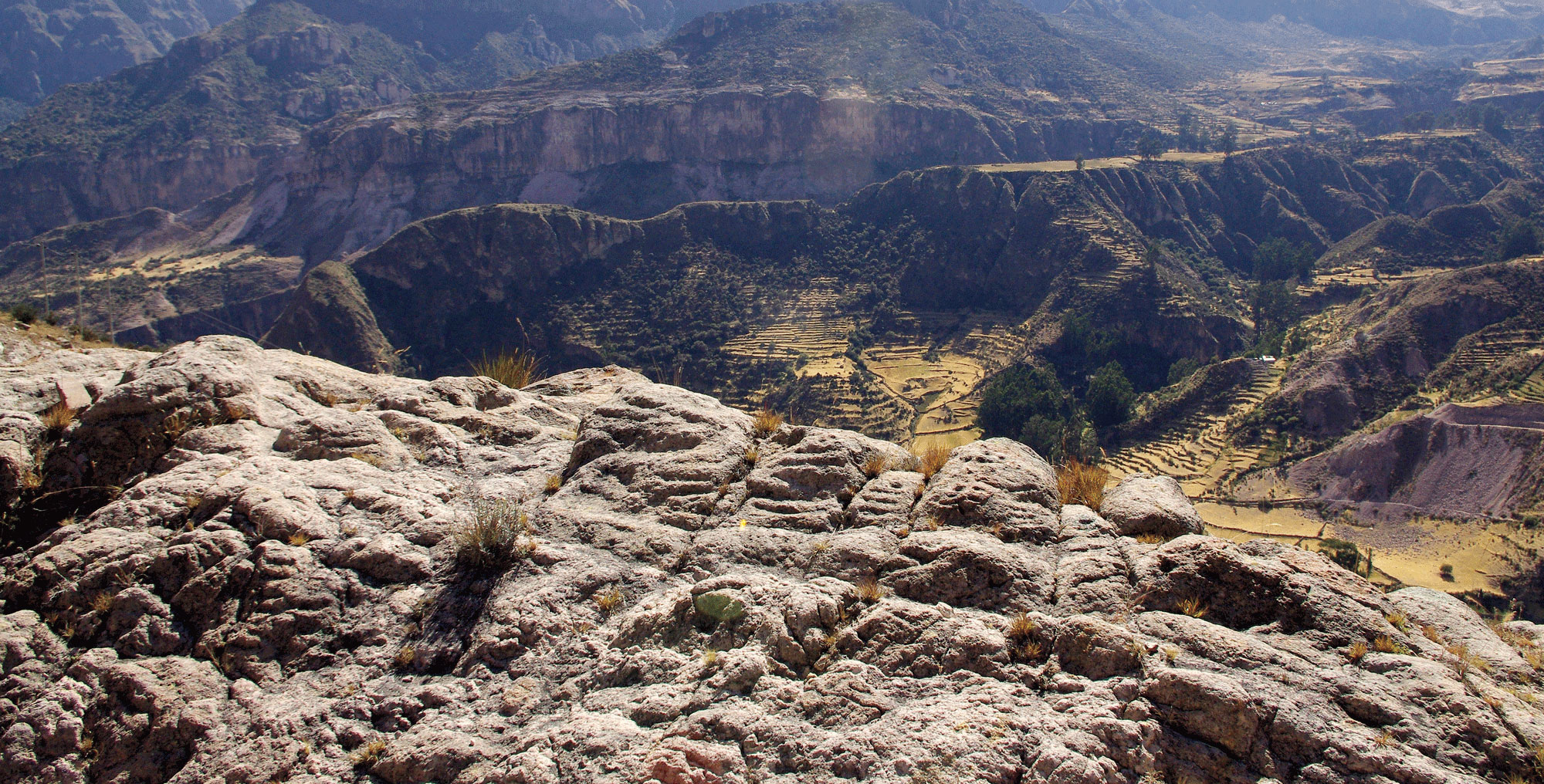 Courtesy Patricia Aparicio Martínez
 -
Features September/October 2026
Where Was Ancient Egypt Born?
Archaeologists are reimagining a time before the first pharaohs
 Courtesy Robert Słaboński/Tell el-Farkha Expedition
 -
Features September/October 2026
2,000 Years Under the Sea
The story of Greece’s famed Antikythera wreck is finally being revealed
 © ESAG/UNIGE