
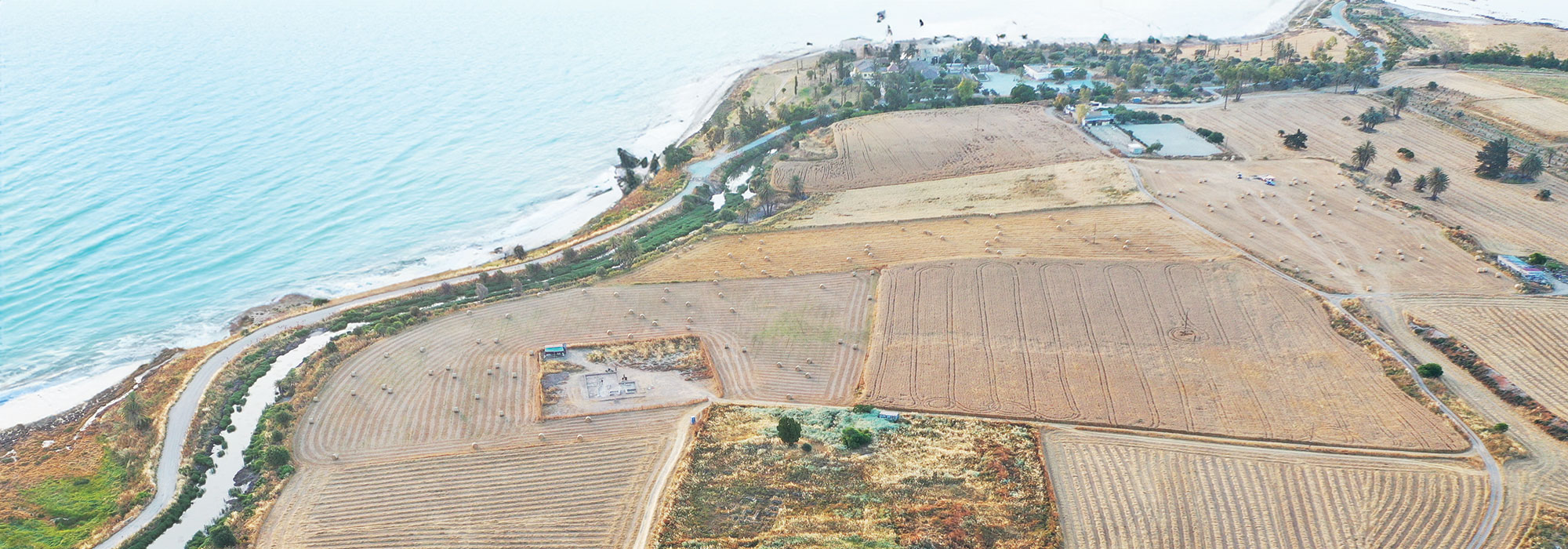
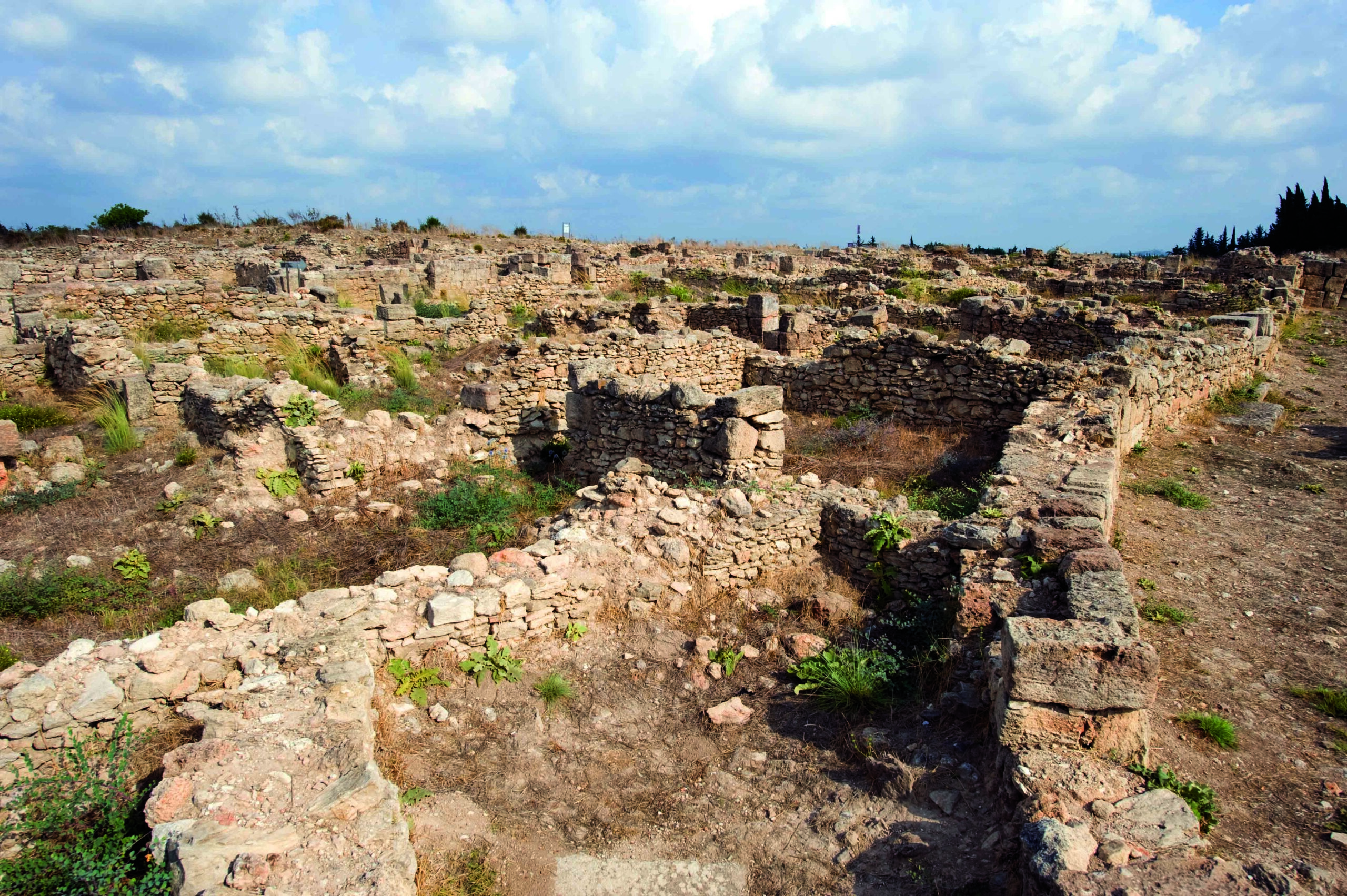
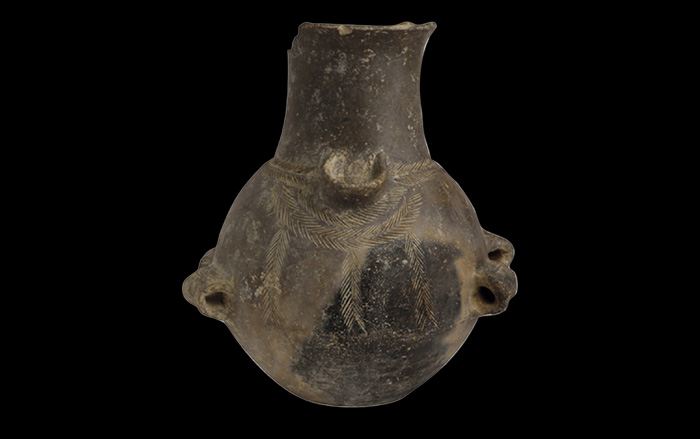
NICOSIA, CYPRUS—Mourners living in Cyprus some 3,400 years ago may have burned bouquets of whole plants during burial ceremonies, according to the Greek Reporter. Charred plant remains were found in four tombs at Hala Sultan Tekke, the site of an ancient harbor city on the island's southeastern coast. Teresa Bürge of the Austrian Academy of Sciences and her colleagues detected burnt plant remains in two ceramic jugs recovered from one of the tombs. Analysis of the residues determined that one of the vessels held barley, several varieties of wheat, figs, lentils, marigold, chrysanthemum, mallow, and viola. A Mycenaean-style jar in another tomb contained evidence of cereals, wild grasses, and flowering plants such as poppy and centaury. Traces of edible plants, including barley, olives, and grapes, were found in the other two tombs. Cedar and cypress wood found in one of the graves may have been burned for smoke and scent during the funeral. For more on excavations at Hala Sultan Tekke, go to "In the Time of the Copper Kings."
Ancient Cypriots May Have Burned Funeral Bouquets
News October 12, 2026
Recommended Articles
Features January/February 2024
In the Time of the Copper Kings
Some 3,500 years ago, prosperous merchants on Cyprus controlled the world’s most valuable commodity
Features July/August 2021
The Ugarit Archives
Thousands of cuneiform tablets written in a distinctive script tell the dramatic story of a Bronze Age merchant city in Syria
Digs & Discoveries September/October 2026
Sardinian Ritual Summit
The Unexpected World of the Odyssey May/June 2026
Maritime Mycenaeans
More to Discover
-
Features September/October 2026
A Change in Fashion
Hoards of lavish gold and silver neck rings buried on an English hill reflect dramatic social change
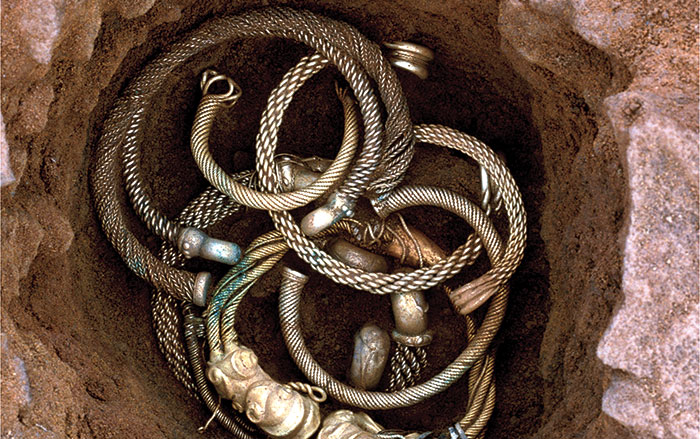 Photo © 2026 The Trustees of the British Museum
 -
Features September/October 2026
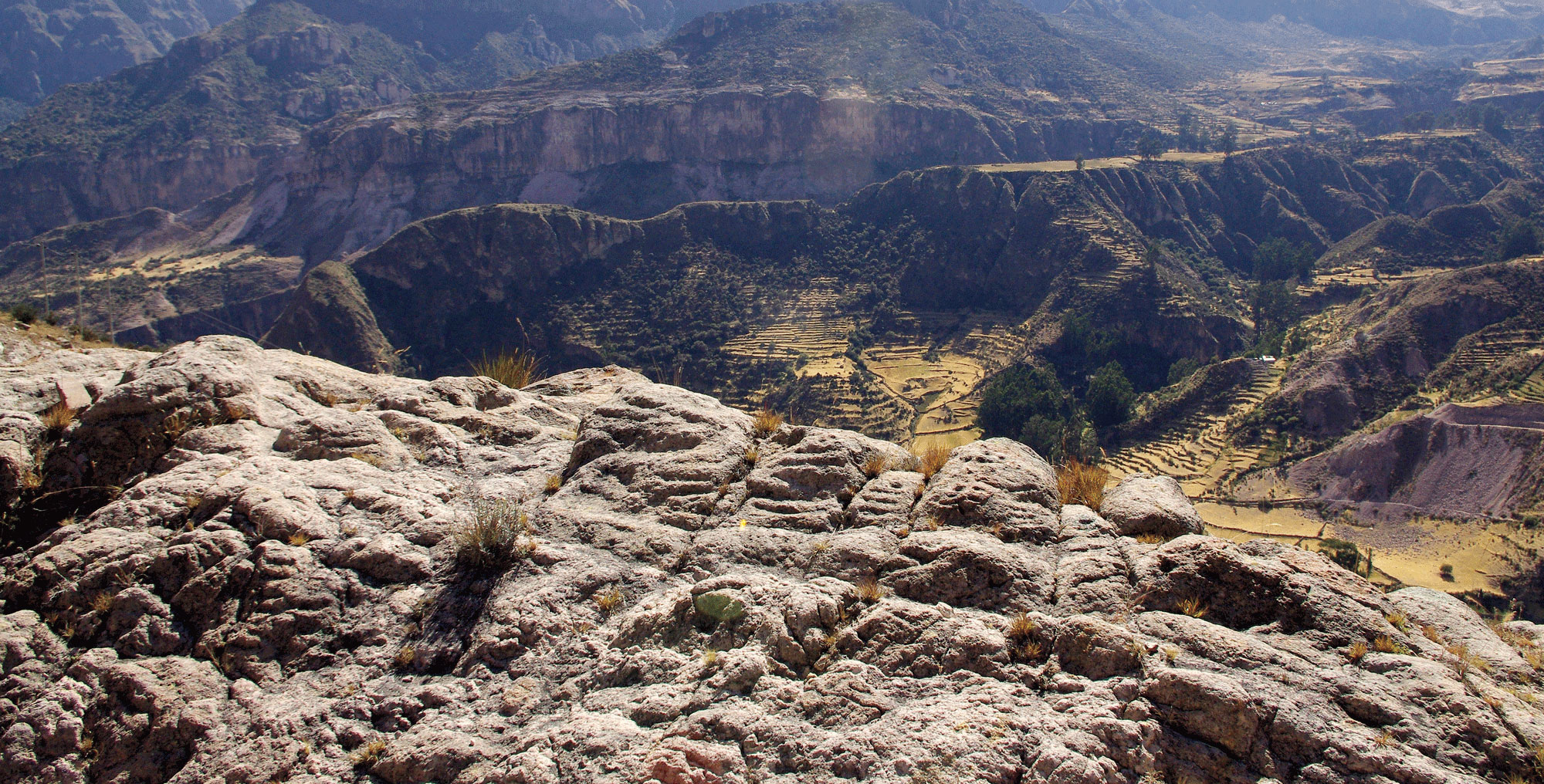
Cultivating Fields of Stone
Peru’s ancient farmers used intricate rock maps to plan for the future
 Courtesy Patricia Aparicio Martínez
 -
Features September/October 2026
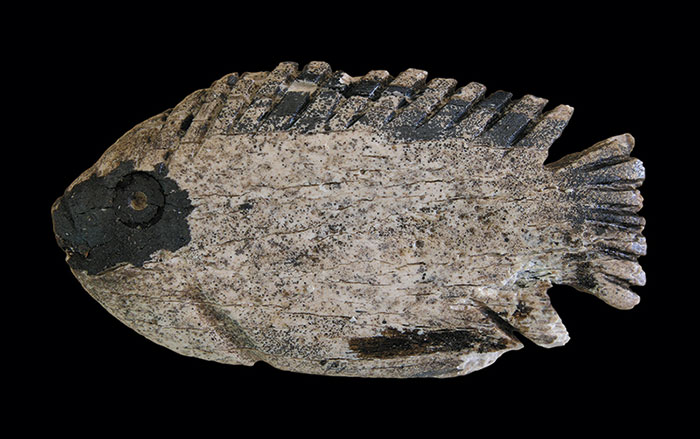
Where Was Ancient Egypt Born?
Archaeologists are reimagining a time before the first pharaohs
 Courtesy Robert Słaboński/Tell el-Farkha Expedition
 -
Features September/October 2026
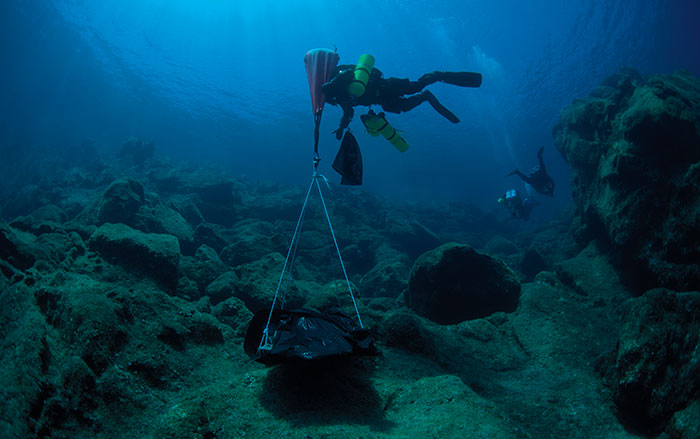
2,000 Years Under the Sea
The story of Greece’s famed Antikythera wreck is finally being revealed
 © ESAG/UNIGE