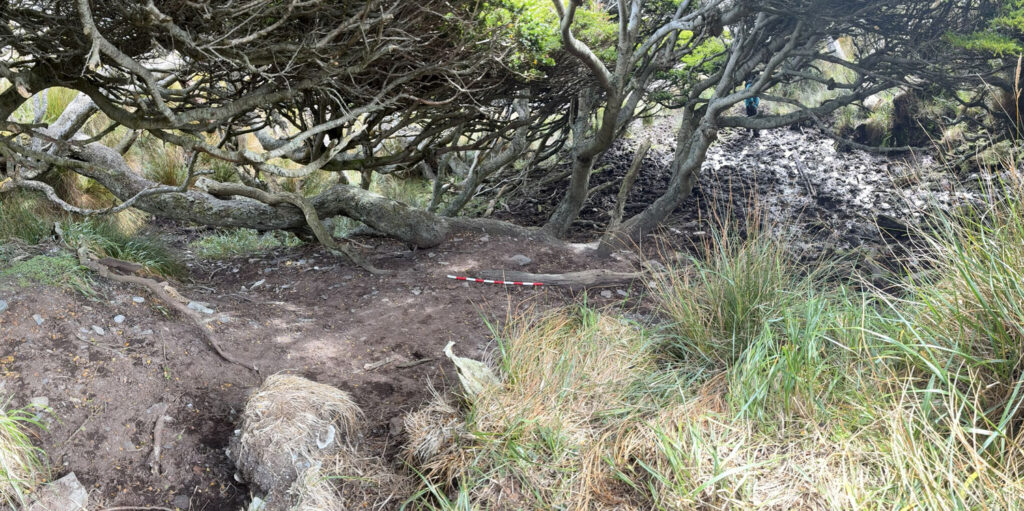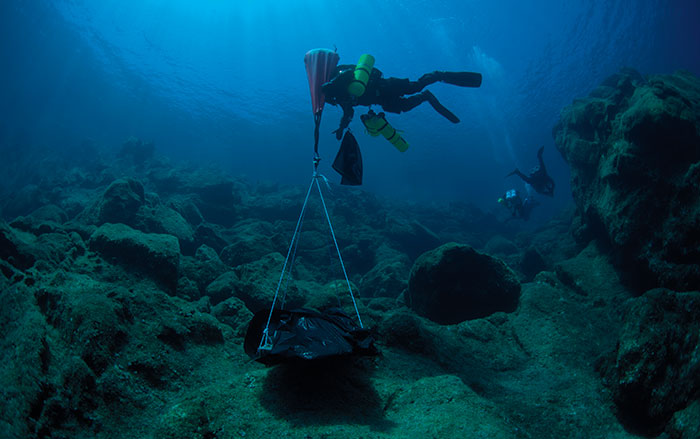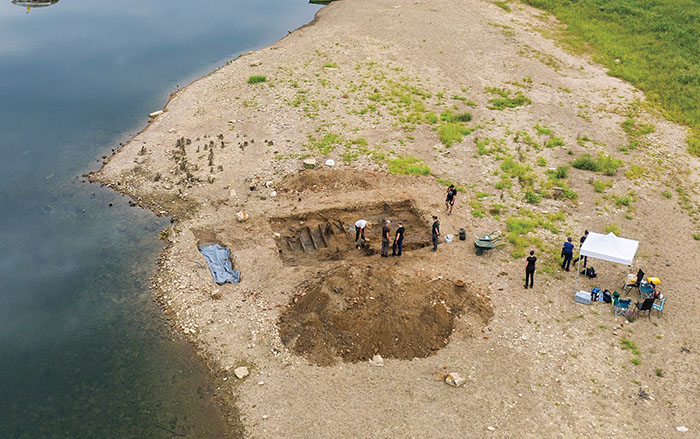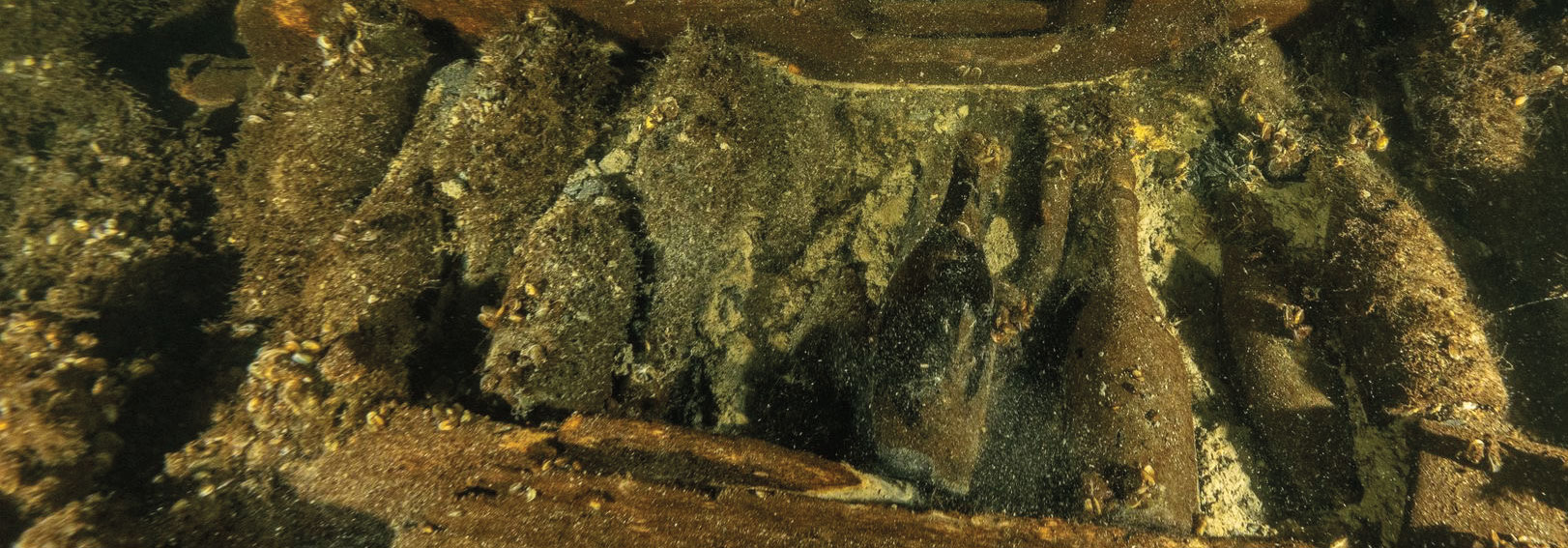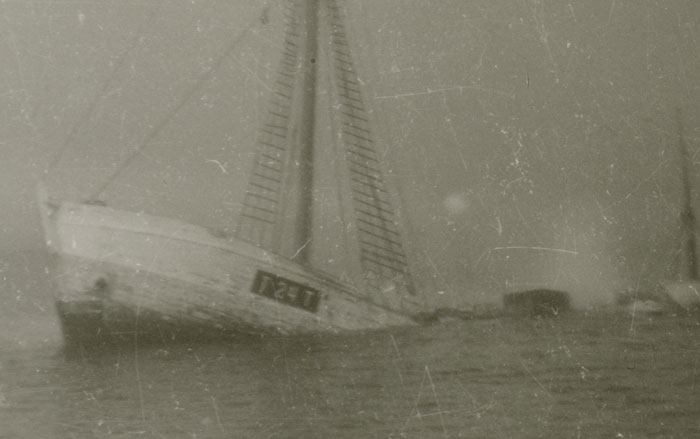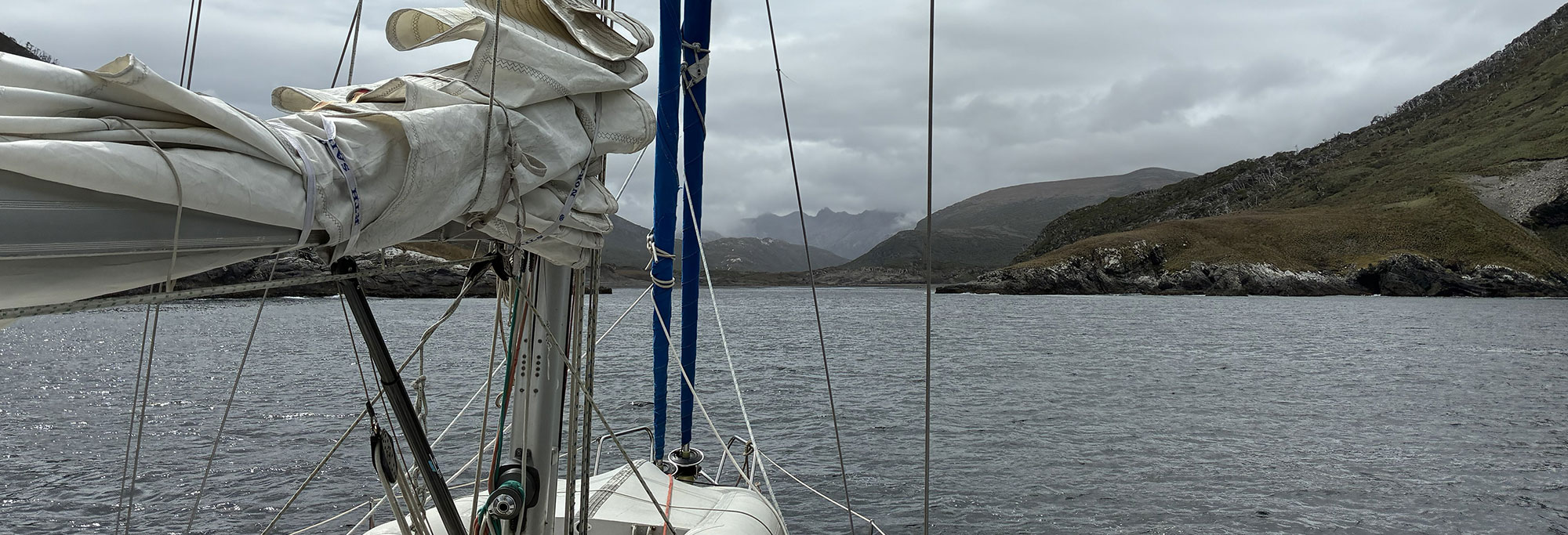
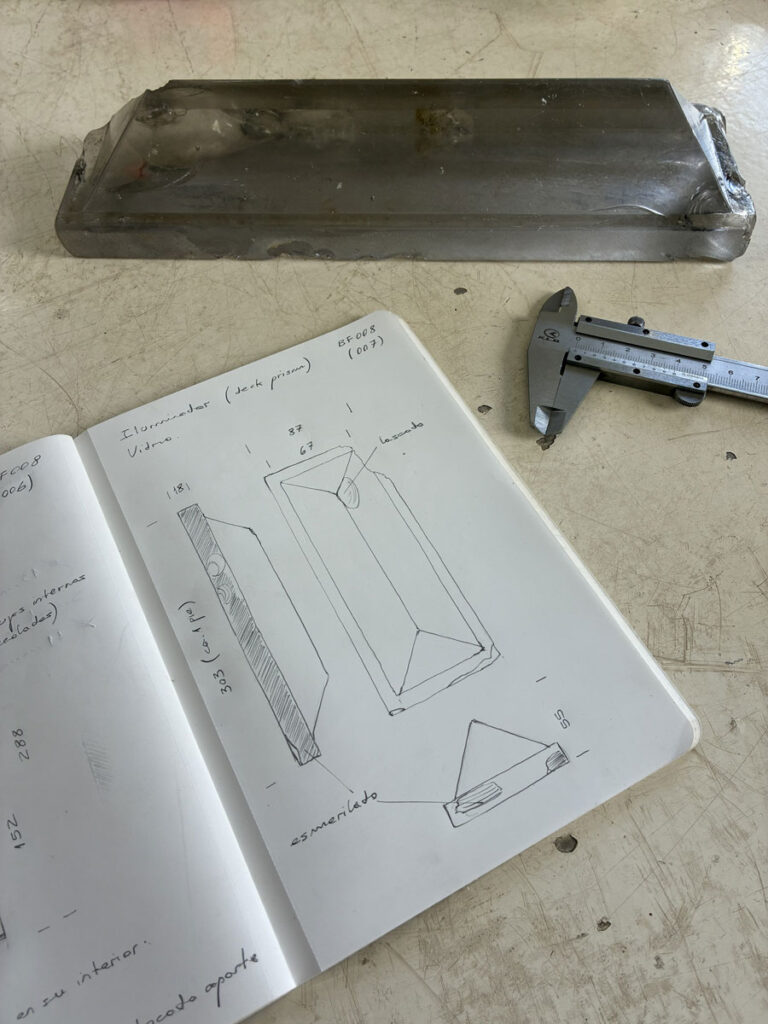
CADIZ, SPAIN—IFL Science reports that a team of researchers from the University of Cadiz and Argentina’s National Scientific and Technical Research Council (CONICET) has discovered fragments of a nineteenth-century ship and traces of a camp that may have been left behind by Luis Piedra Buena and his crew. In 1873, Piedra Buena attempted to cross the dangerous Strait of Le Maire off the southern tip of South America in order to hunt penguins on the nearby Isla de los Estados. Piedra Buena wrote that his ship, the Espora, sank in a region of Isla de los Estados known as Lacroix Inlet, or Franklin Bay. The hunters camped on the island while they built another vessel, and eventually sailed to Punta Arenas in Chile. The researchers, led by Nicolás C. Ciarlo of the University of Cadiz, found three wooden structures buried in the sand on the coast of Isla de los Estados. These fragments will be evaluated to see if they could be parts of the same vessel. The team members also uncovered beads, buttons, a bottle, and nautical tools including a deck prism and a rudder hinge. “The location and material culture of the temporary occupation at Lacroix Inlet point to a connection between this site and the nearby shipwreck remains and thus, possibly with the Espora and her crew,” Ciarlo and his colleagues concluded. Read the original scholarly article about this research in Antiquity. For more on archaeology in the region, go to “Letter from Patagonia: Surviving a Windswept Land.”