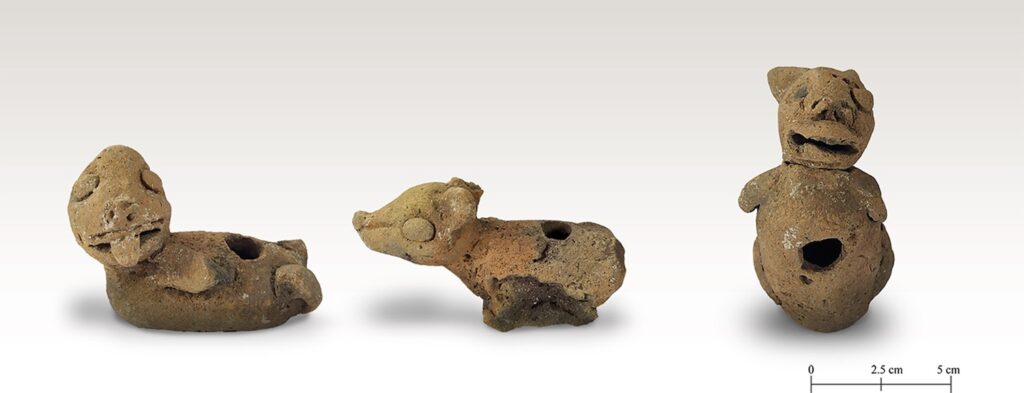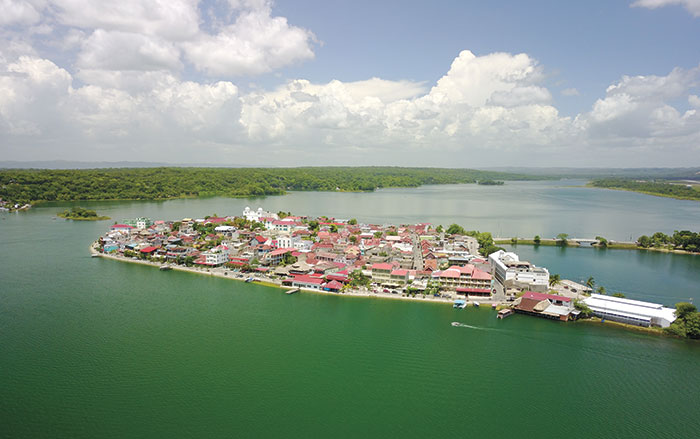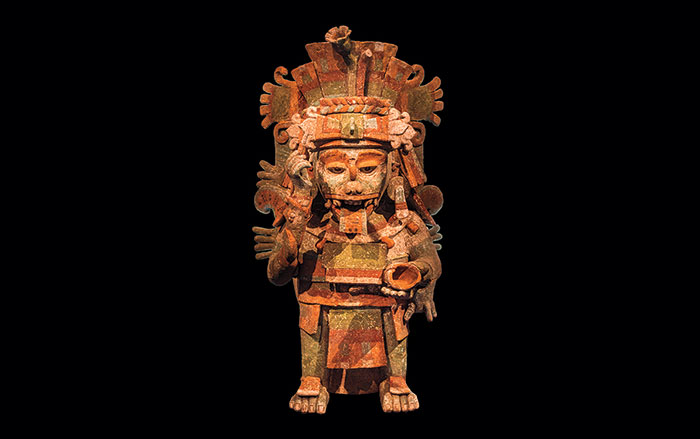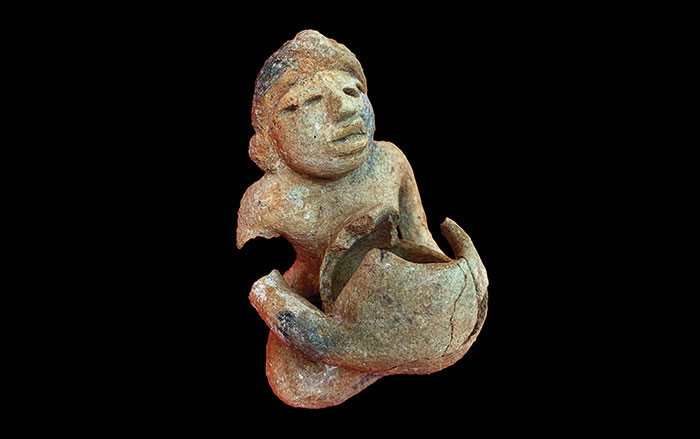

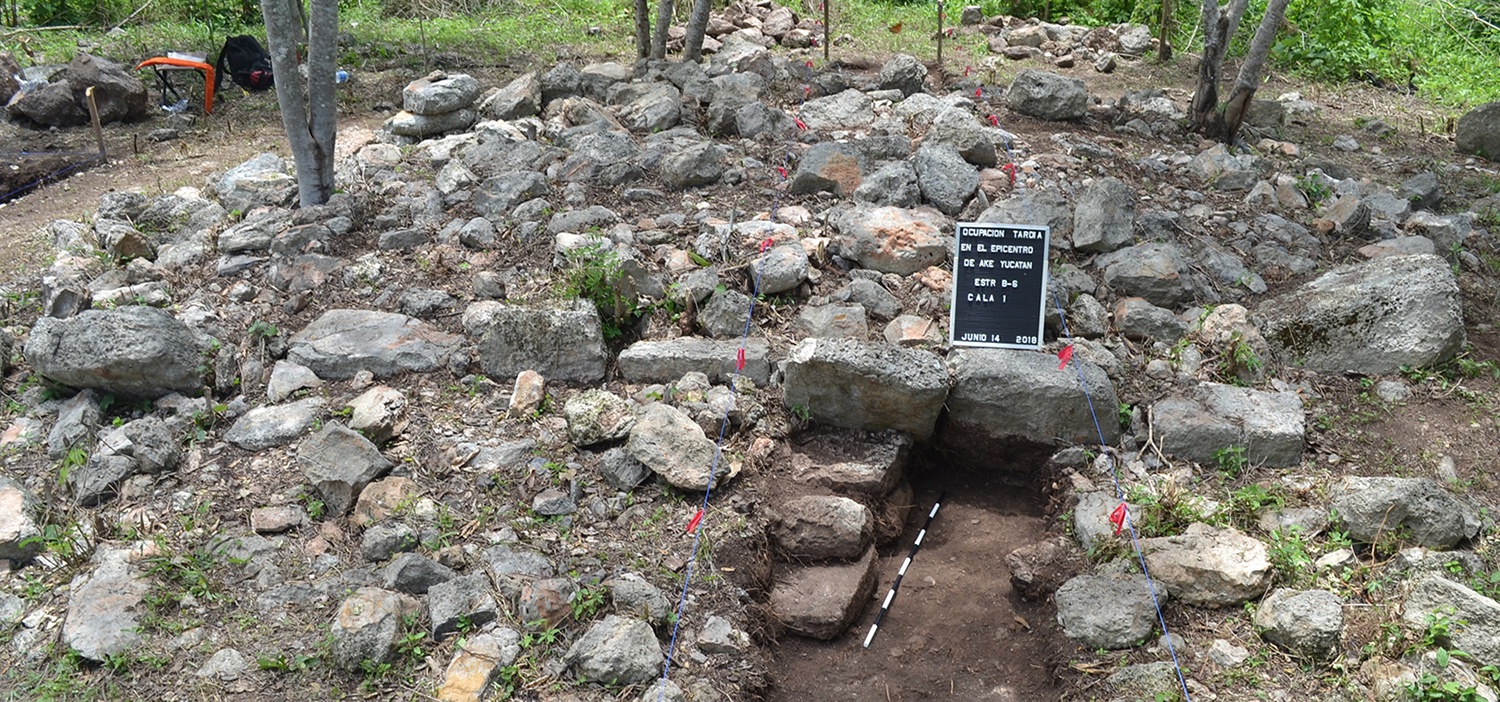
CHARLOTTESVILLE, VIRGINIA—According to the Greek Reporter, traces of 96 small structures have been found at the Maya site of Ake in Mexico’s Yucatán by Roberto Rosado-Ramirez of the University of Virginia and his colleagues. It had been previously thought that the city was abandoned after its political collapse, but these structures indicate that people continued to live in the area for hundreds of years thereafter. Rosado-Ramirez said that as many as 19,000 people lived in Ake around A.D. 900, but drought, conflict, and violence led to political upheaval and the city’s demise. The structures, made with poles and thatched roofs, were found on mounds within the city’s walled center. Some of these buildings, set on top of old plazas, roads, and collapsed structures, incorporated large stones from the city’s collapsed buildings. Pottery uncovered in the mounds and a refuse pit have allowed researchers to date the occupation of these dwellings from about A.D. 1100 to 1550. Grinding stones, stone tools, spindle whorls, and animal bones indicate that food preparation, cooking, weaving, and household work were conducted around the dwellings. Five small shrine-like structures containing ceramic incense burners, animal figurines, and vessels were also unearthed. The later residents of Ake are thought to have been removed by the Spanish between 1567 and 1580. Read the original scholarly article about this research in Latin American Antiquity. To read about a Maya people in Guatemala who defied the Spanish for nearly 200 years, go to “The Last Maya Kingdom.”