

TUCSON, ARIZONA—Phys.org reports that a team of researchers led by Charlotte Pearson of the University of Arizona has refined the timeline for historical events in ancient Mesopotamia. First, the team members radiocarbon dated individual tree rings and analyzed tree ring data from timbers unearthed at archaeological sites in Turkey, in order to calculate precise dates for when the trees were felled. These dates helped the researchers to determine when the buildings had been constructed. Then those dates were linked to historical records from the sites that were tied to specific years in the Assyrian calendar. The scientists also evaluated Babylonian records of Venus, noting that sometimes the planet was hard to see because of haze in the atmosphere. They compared these observations with evidence of volcanic eruptions preserved in polar ice cores. The strongest match was found to be an eruption of the Aniakchak volcano in Alaska around 1628 or 1628 B.C. Combining the data, the researchers suggest that Babylon fell around 1587 B.C., while severe drought between 1194 and 1192 B.C. may have contributed to the collapse of the Hittite Empire. “Single-year measurements of radiocarbon from calendar-dated tree rings offer new opportunities to refine and improve chronologies,” the researchers concluded. To read about evidence of spy craft in Mesopotamia, go to “In His Majesty’s Secret Service.”
Mesopotamian Chronology Refined with Tree Rings and Ice Cores
News November 17, 2026

Recommended Articles
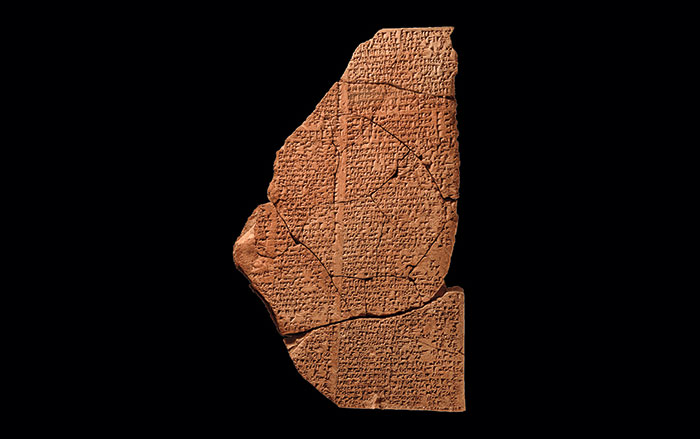
Digs & Discoveries November/December 2025
In His Majesty's Secret Service
Features March/April 2022
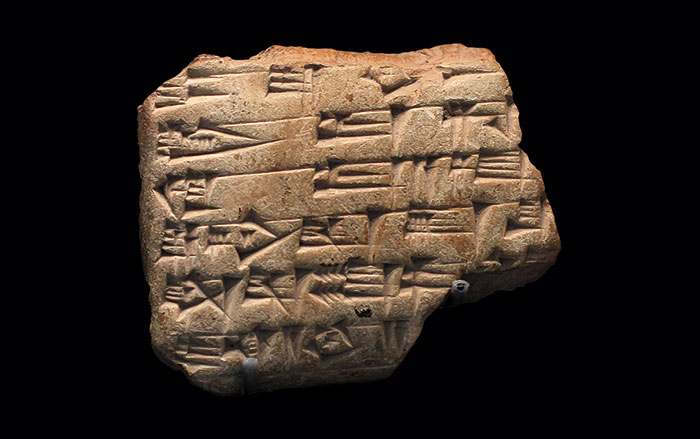
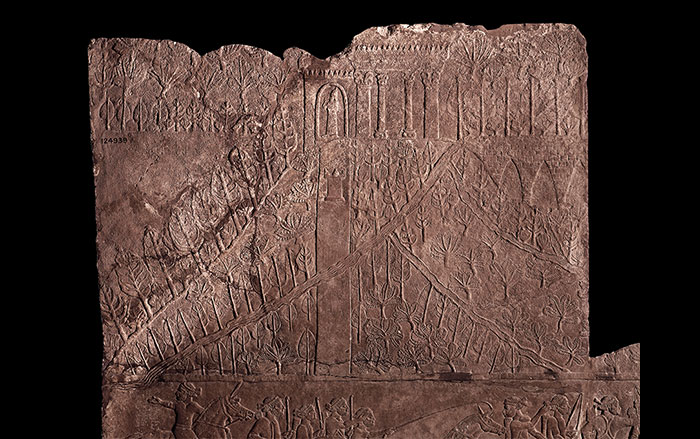
The Last King of Babylon
Investigating the reign of Mesopotamia’s most eccentric ruler
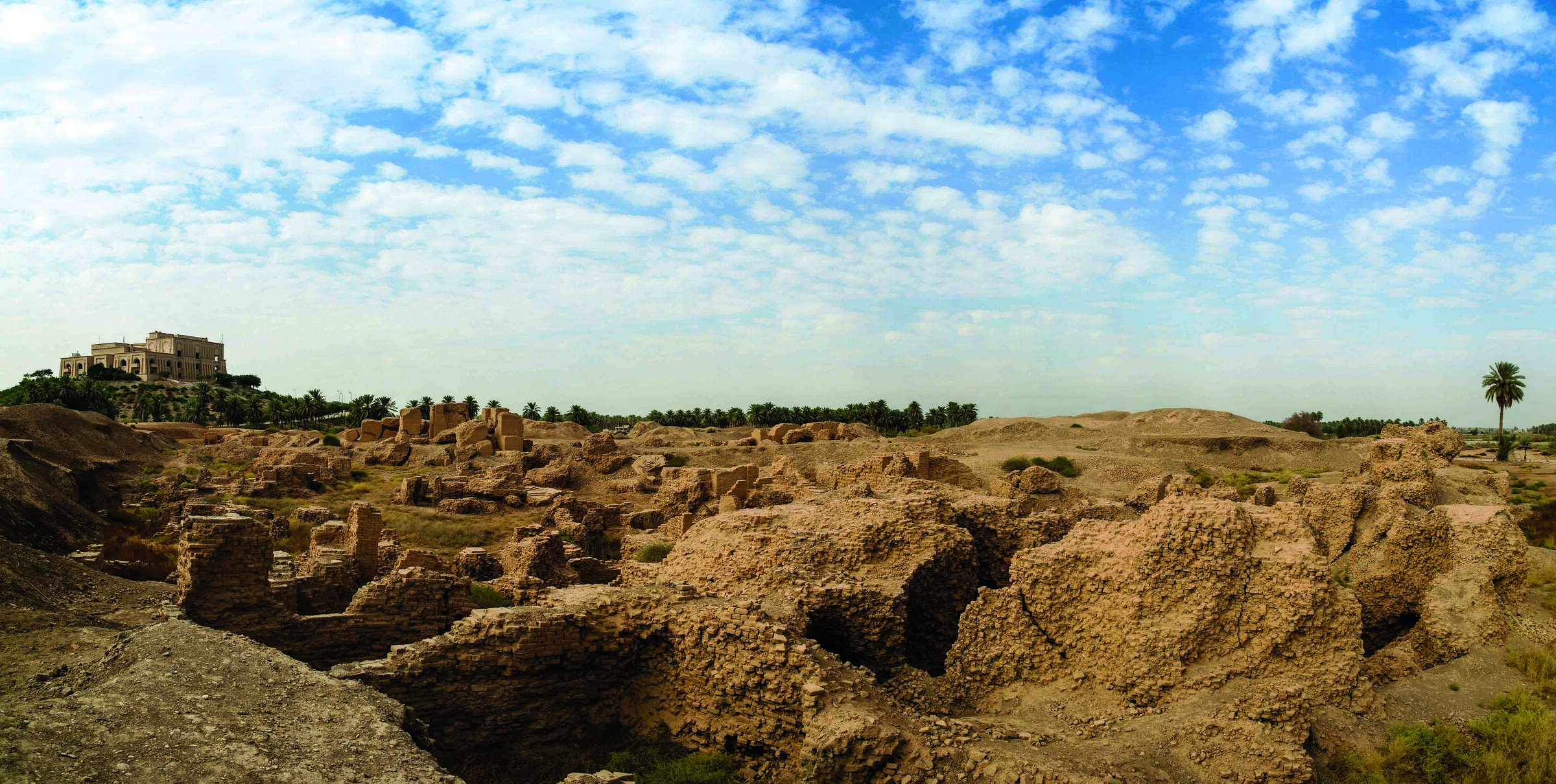
More to Discover
Features November/December 2026
Kingdom of Fortresses
How diverse and far-flung Iron Age chiefdoms united to challenge the Assyrian Empire
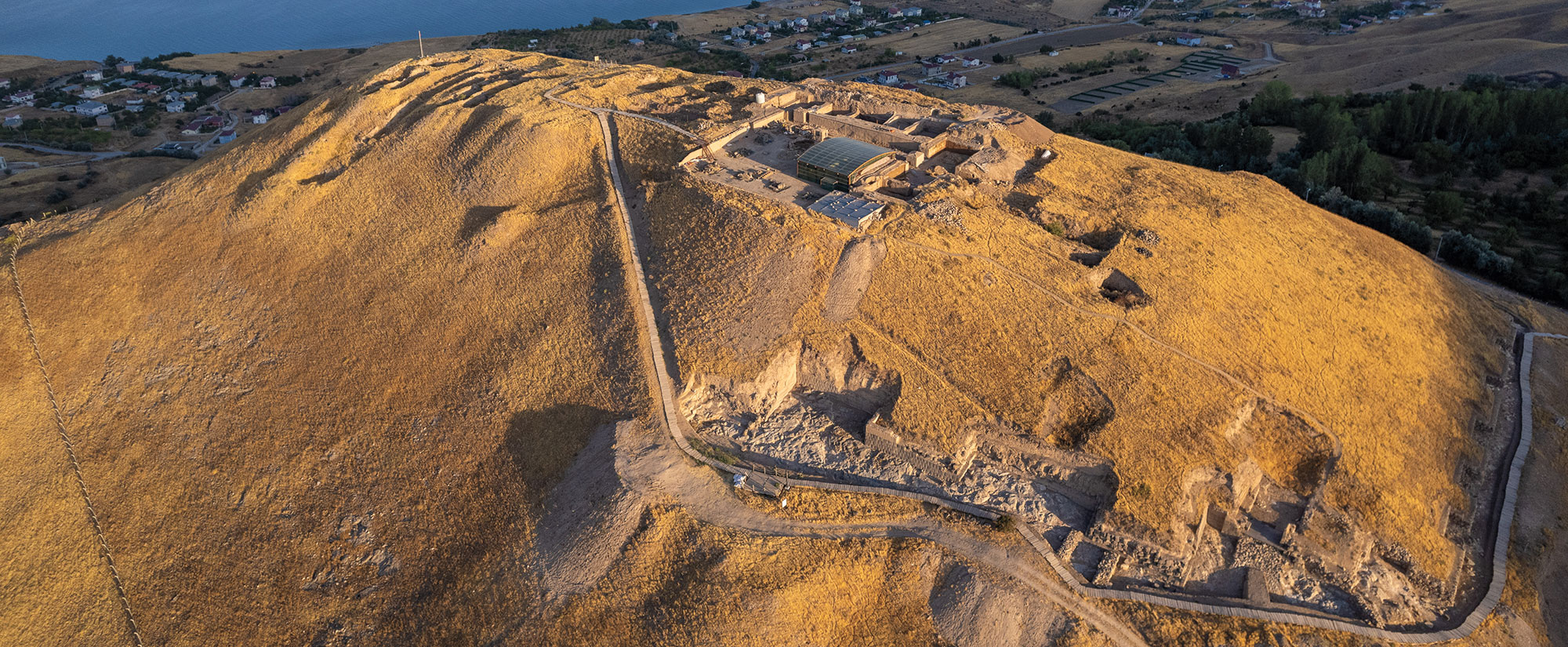
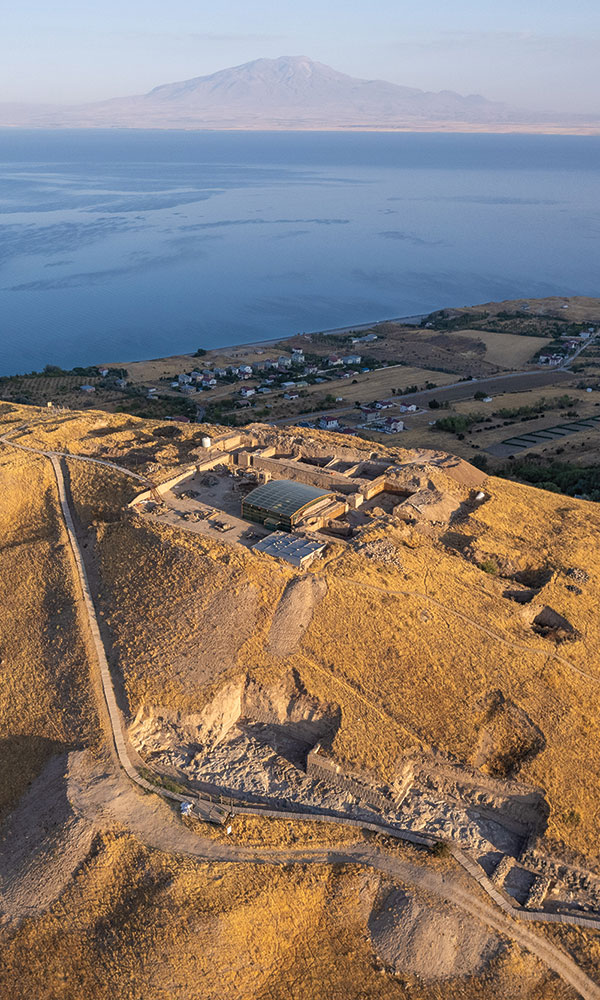
-
Features November/December 2026
A Tomb of One’s Own
Life behind the scenes in Egypt’s Valley of the Kings
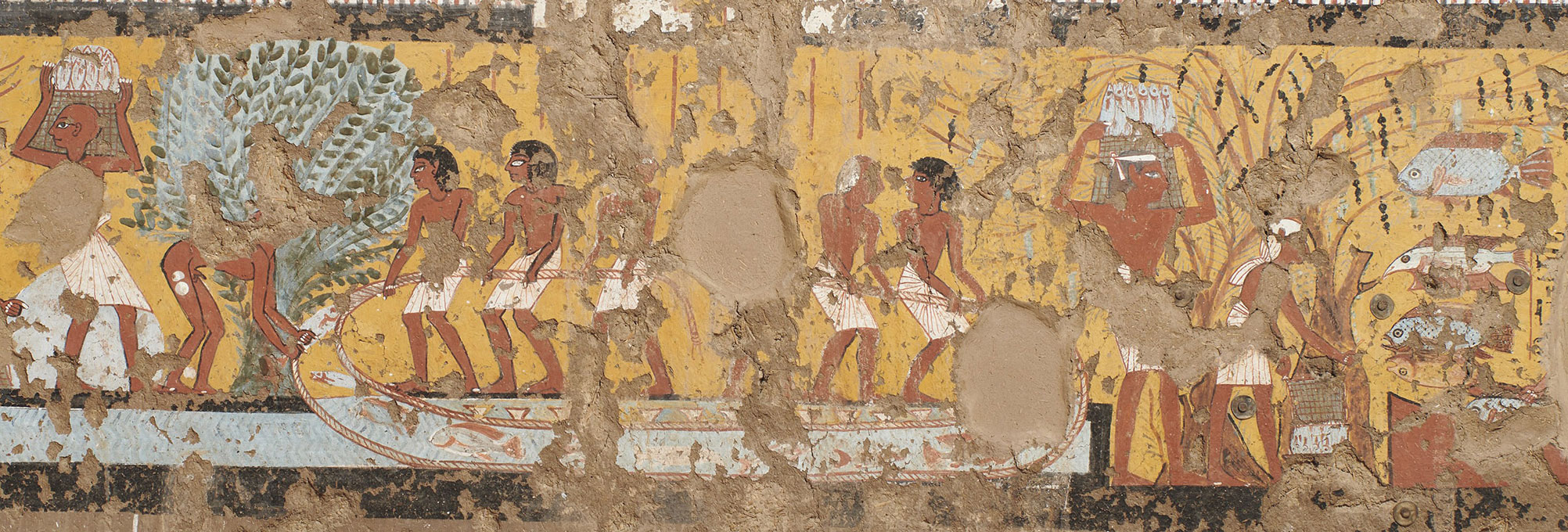 © Matjaz Kacicnik/Project TT 217–The Tomb of the Sculptor Ipuy in Context (JGU Mainz, IFAO Cairo)
-
Features November/December 2026
Outfitting Viking Voyagers
In Denmark, archaeologists have discovered a massive factory that equipped an innovative fleet
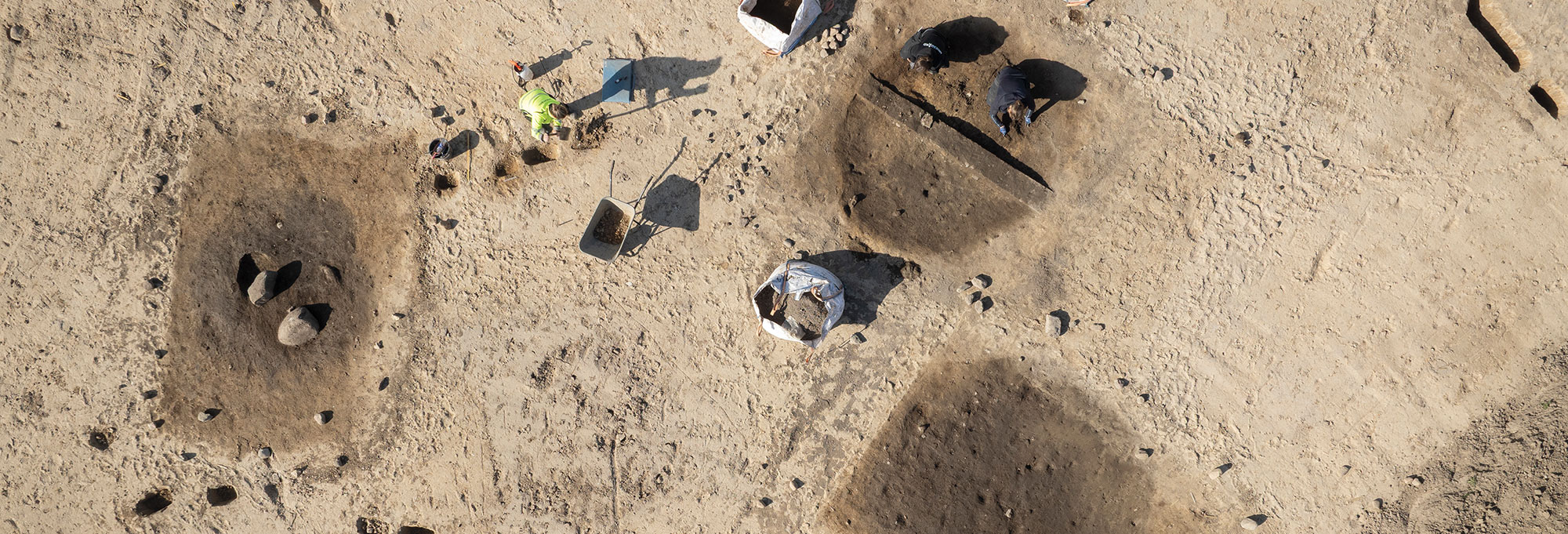 Moesgaard Museum
-
Features November/December 2026
Stone Age Stargazers
Did artists 12,000 years ago illuminate a cave in Tajikistan with their vision of the Milky Way?
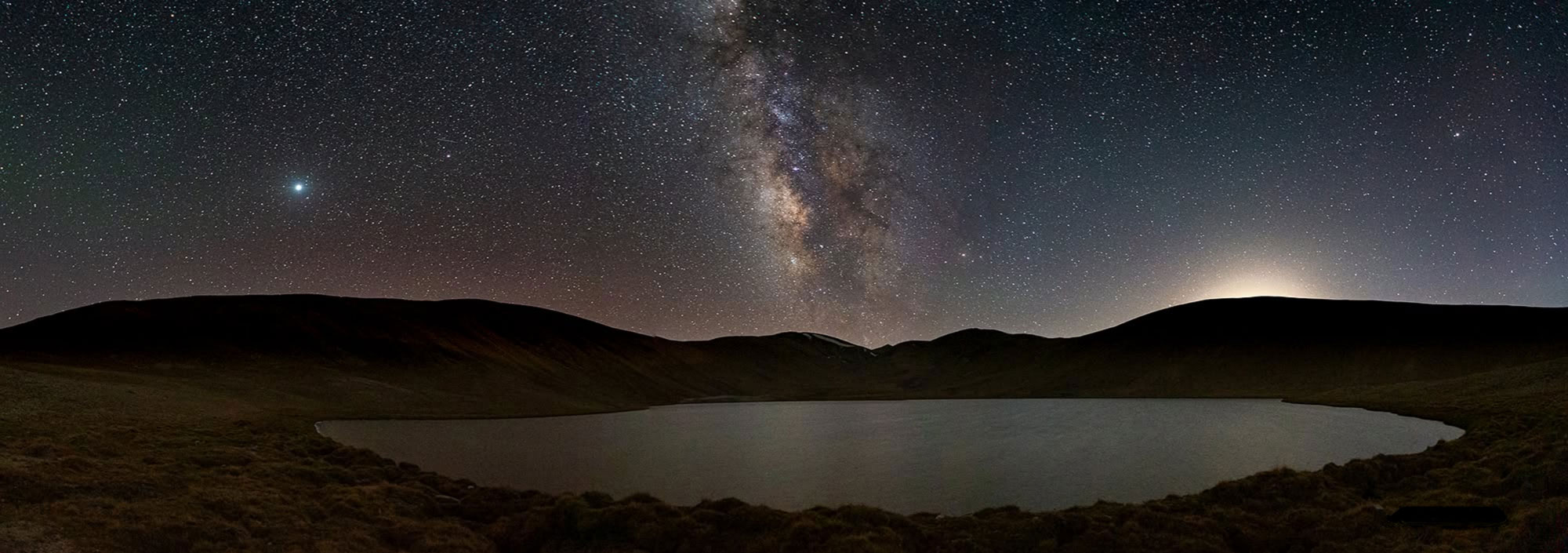 ˝© Nodir Tursun-Zade
-
Features November/December 2026
Unearthing the Outlanders
New discoveries challenge ancient prophecies about the peoples living on China’s borders three millennia ago
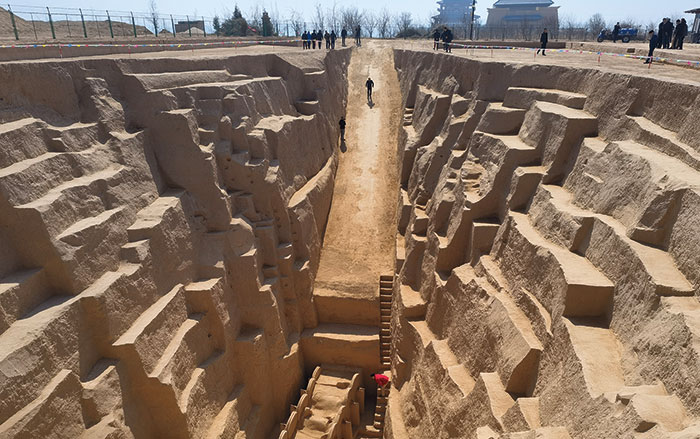 Courtesy Shaanxi Provincial Institute of Archaeology