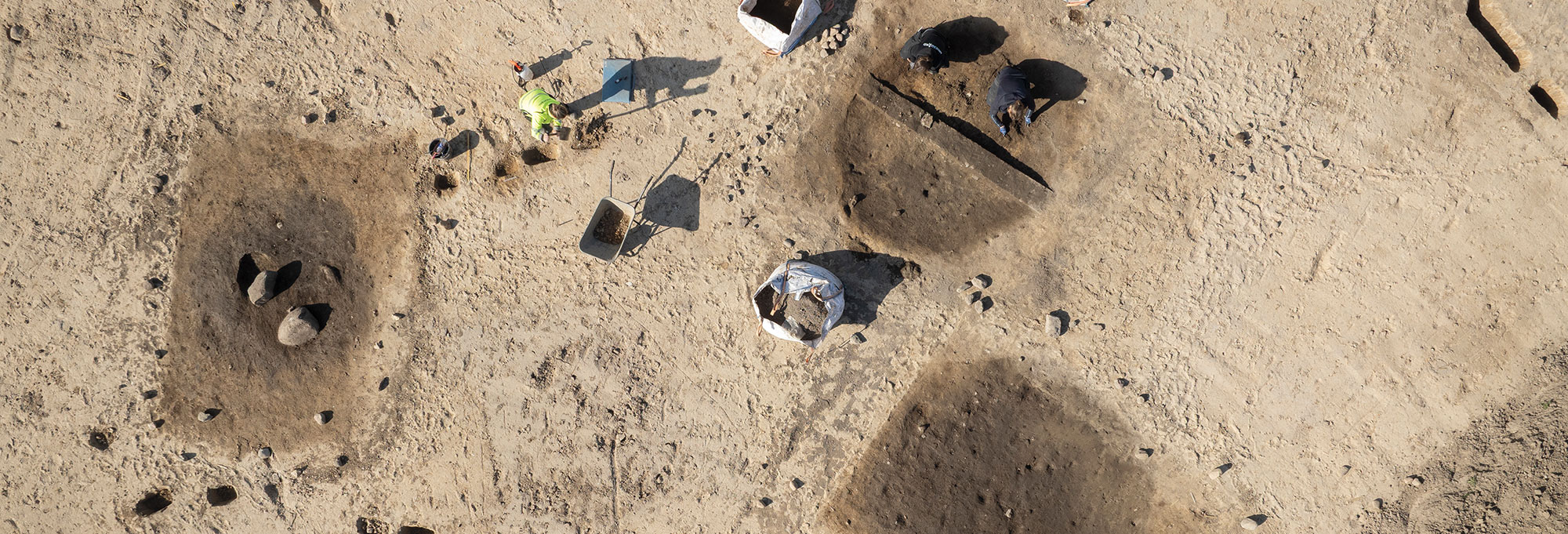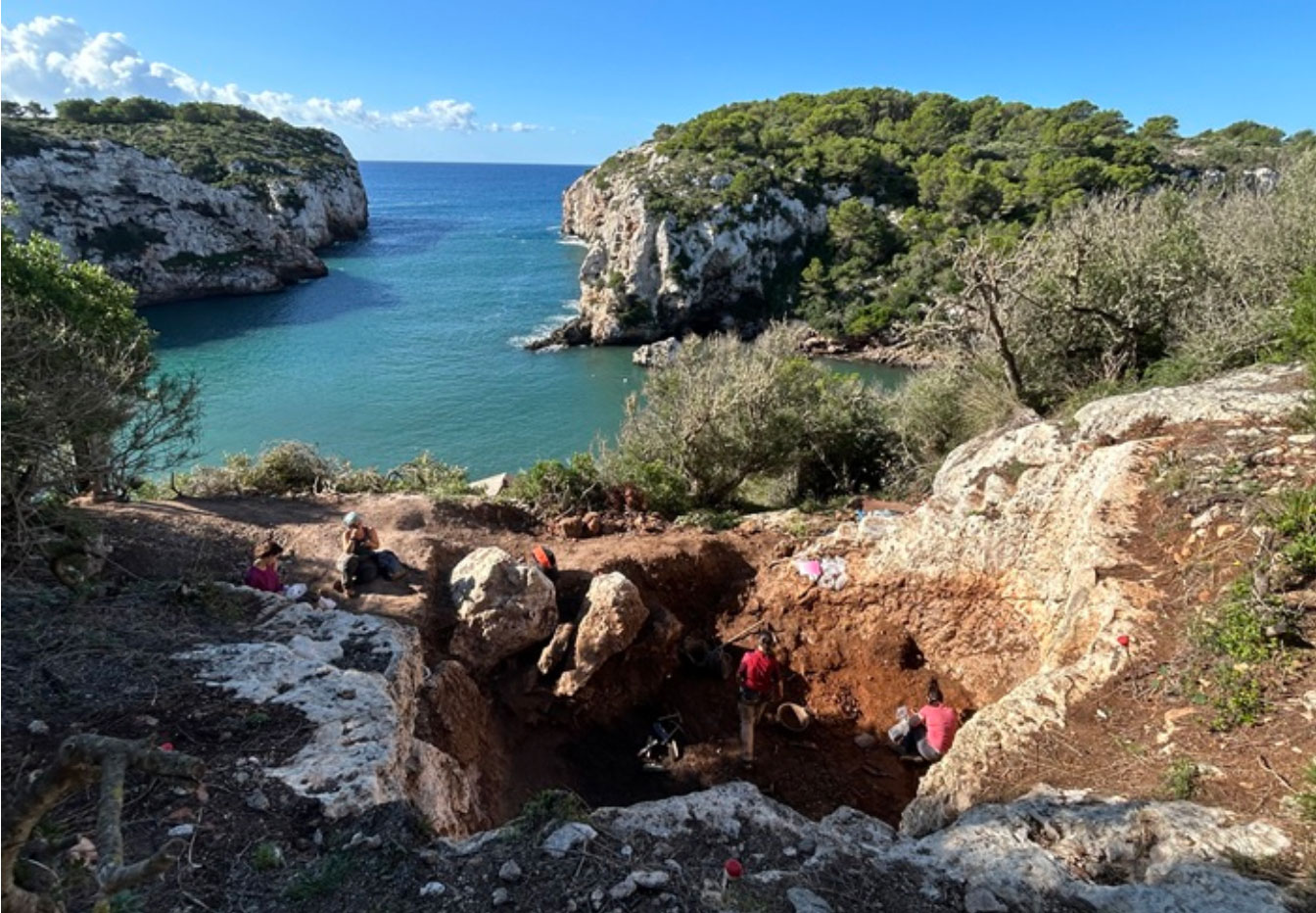
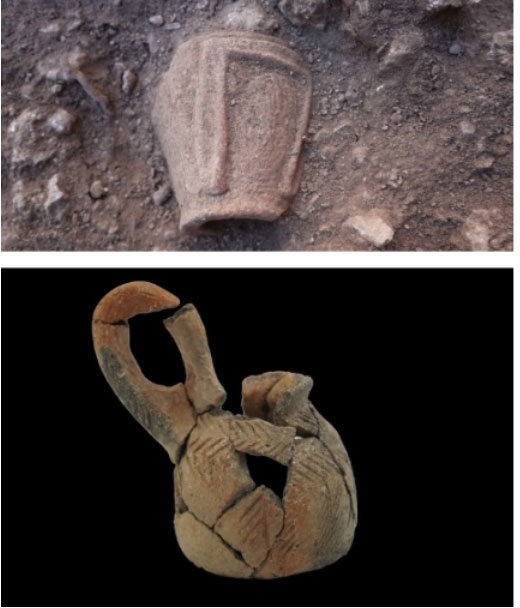
BARCELONA, SPAIN—According to a statement released by the Autonomous University of Barcelona, residues in 34 ceramic vessels recovered from a cave complex on the island of Menorca indicate that most of the pots contained dairy products some 2,000 years ago. These vessels were made in the characteristic Menorcan style, with a high bottom and a limited capacity. Residues of imported wine were detected on a few pottery fragments that had been made locally, but also in vessels of styles that originated in other Mediterranean cultures. “These findings reveal the complex, interwoven relationships between local communities and people from other regions,” said Sònia Carbonell of the Barcelona Supercomputing Center. “While the island’s inhabitants adopted foreign ceramic forms, they continued to use them for wine—the very substance for which these vessels were originally designed,” she explained. Animal fats and vegetable oils were also identified in the residues. The vessels were found in the courtyard at the cave’s entrance, and are thought to have been used as offerings, in shared meals, or as part of commemorative practices. Milk was also identified in a vessel thought to have been used as a baby bottle. This vessel was found inside the cave’s burial chamber. “This baby bottle speaks to us of child-rearing and care: of people feeding infants, and of practices that were also incorporated into funerary rituals,” said Margalida Coll of Pompeu Fabra University. Read the original scholarly article about this research in the Journal of Archaeological Science. To read about ancient baby bottles found in Germany, go to “Artifact: Bronze and Iron Age Drinking Vessels.”