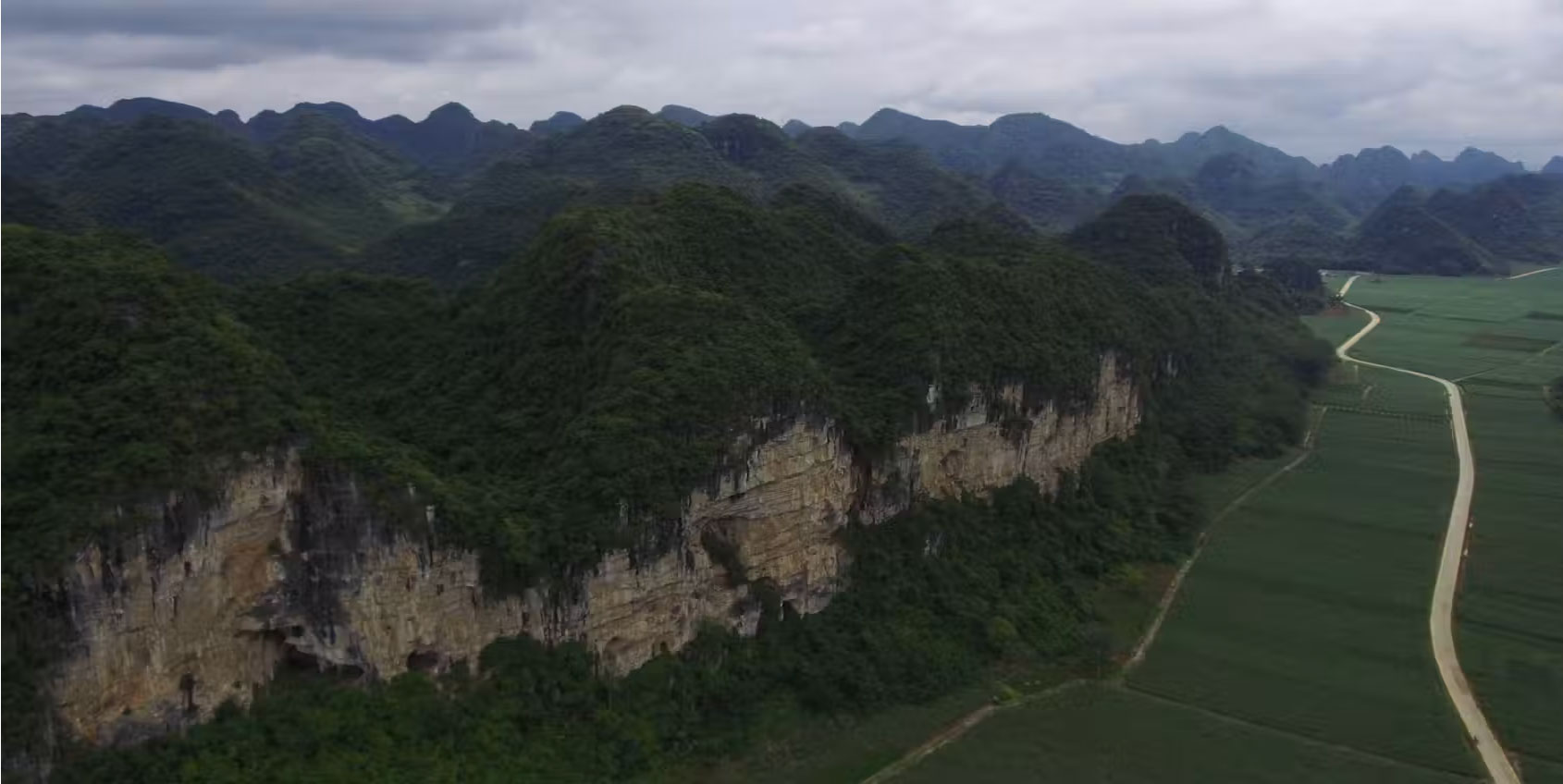
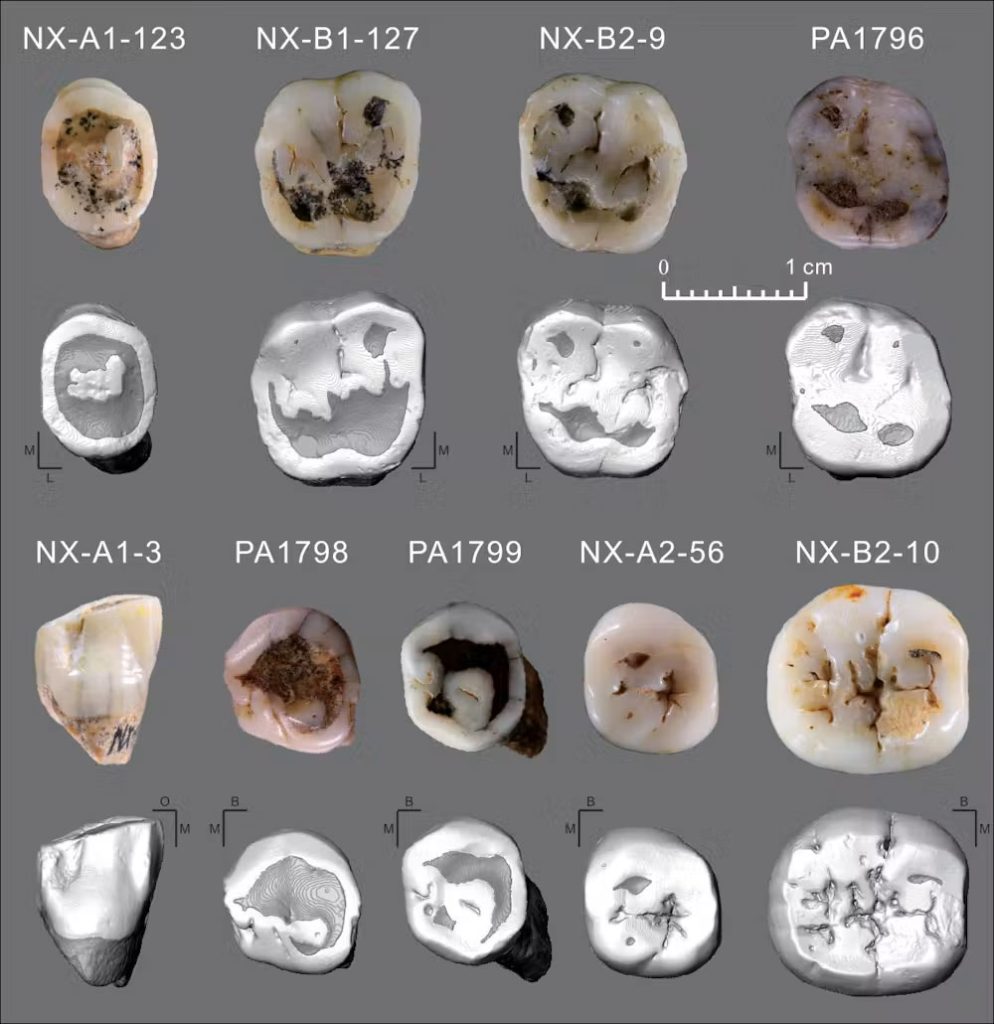
SYDNEY, AUSTRALIA—According to a statement released by Macquarie University, Homo erectus lived in dense tropical forests in southern China between 324,000 and 184,000 years ago, at a time when it was thought such hominins were regionally extinct. It had been previously thought that Homo erectus relied solely upon open grasslands or woodlands, and that only modern humans had been able to survive in harsh rainforest environments. An international team of scientists examined eight teeth and other fossils recovered from Baxian and Naxian, two caves about nine miles apart in an area of southern China with steep limestone hills, caves, and tropical vegetation. The teeth were identified as belonging to Homo erectus through their physical characteristics and their genetic signatures. The teeth were then dated along with the cave sediments in which they were recovered and the surrounding mineral formations in the caves. Chemical analysis of strontium isotopes in the teeth confirmed that these Homo erectus individuals lived in a rainforest ecosystem and roamed over a large area. “This is a fascinating discovery because it confirms the presence of Homo erectus in a location we were not expecting and at a time we hadn’t considered,” said Kira Westaway of Macquarie University. “This has huge implications for the timeline of Homo erectus as we attempt to understand the causes of its extinction,” she explained. Read the original scholarly article about this research in Nature. For more on hominins in the area, go to “China’s New Human Species.”