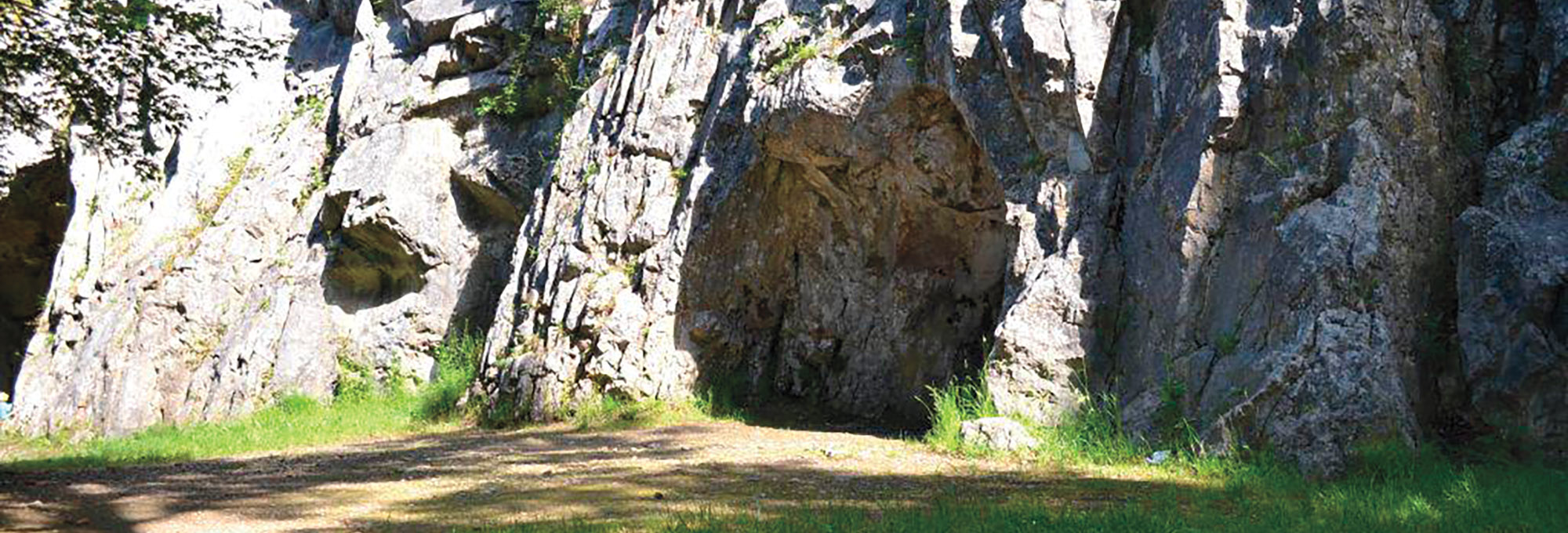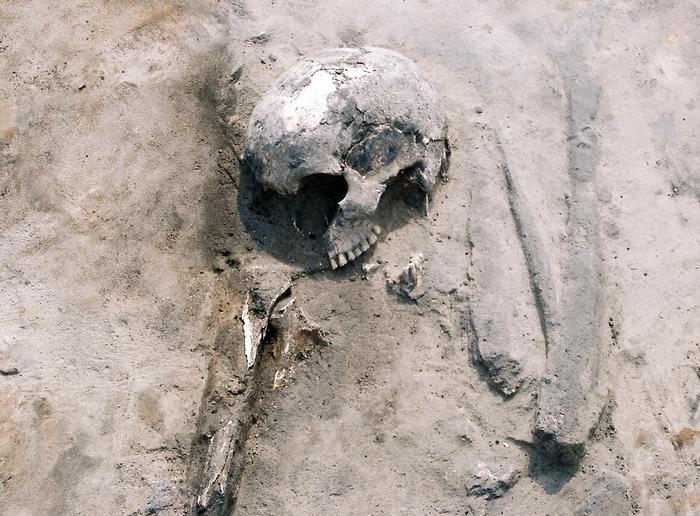
GDANSK, POLAND—According to a statement released by the University of Gdansk, evaluation of the remains of people who lived in what is now north-central Poland between 4100 and 1230 B.C. has revealed how their diets changed from the Neolithic period to the Bronze Age. Using radiocarbon dating, DNA analysis, and stable isotope measurements of carbon and nitrogen, a team led by Łukasz Pospieszny of the University of Gdansk suggests that Corded Ware communities of the late Neolithic period herded their animals in forests and wet river valleys. After several hundred years, however, their diet began to resemble that of nearby farmers, who kept their animals on open grasslands. The chemical composition of bone collagen from the remains shows that some communities began to consume broomcorn millet as a staple crop around 1200 B.C. These people also buried their dead differently than other communities living in the region who did not rely on millet, suggesting that food choice may have been tied to local identity. Analysis of bone collagen from people who lived during the Early Bronze Age detected variations in nitrogen isotopes, indicating that some people ate more animal protein than others. This could reflect the emergence of a ruling elite, the researchers concluded. Read the original scholarly article about this research in Royal Society Open Science. For more on the Corded Ware culture, go to "Canine Couture."