Firearm Fragments Found in Germany May Date to Castle Siege

News March 16, 2026

SHARE:

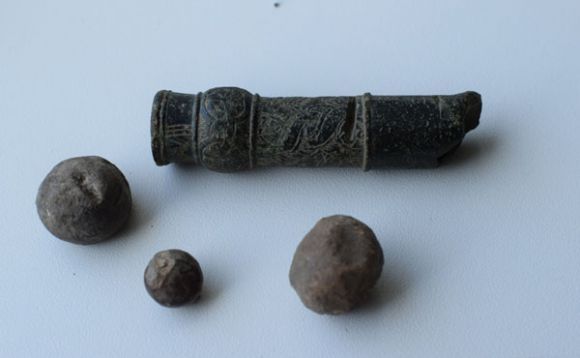
BRANDENBURG, GERMANY—Fragments of a handgun discovered in 2023 in northeastern Germany may date to a.d. 1390, which would push back the use of a portable gunpowder weapon in Europe by nine years, according to a Live Science report. The pieces of bronze were unearthed at Kletzke Castle by a volunteer, who took them to Gordon Thalmann of the Lower Monument Protection Authority of Prignitz. Researchers now think the weapon may be linked to a foiled attack on the castle that took place in 1390. Christof Krauskopf of the Brandenburg State Office for Heritage Management said that if the “hand cannon” had been used in the siege of Kletzke Castle, it was likely carried there by the attackers and not made locally. A bronze weapon discovered at the site of Germany’s Tannenberg Castle, which was destroyed in 1399, is considered by many to be the oldest handheld firearm in Europe. To read about early metal cannons discovered in China, go to "Weapons of the Ancient World: Fire Lances and Cannons."
  • Features March/April 2026

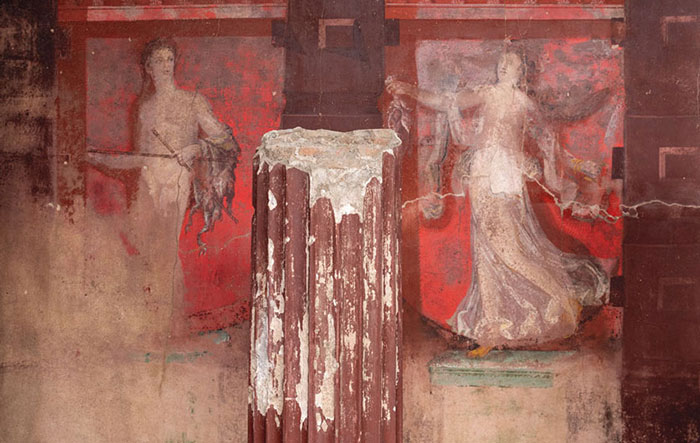
    Pompeii's House of Dionysian Delights

    Vivid frescoes in an opulent dining room celebrate the wild rites of the wine god

    Read Article
    Frescoed panels in the House of the Thiasus portray a satyr (left) and a woman (right)
    Courtesy Archaeological Park of Pompeii
  • Features March/April 2026

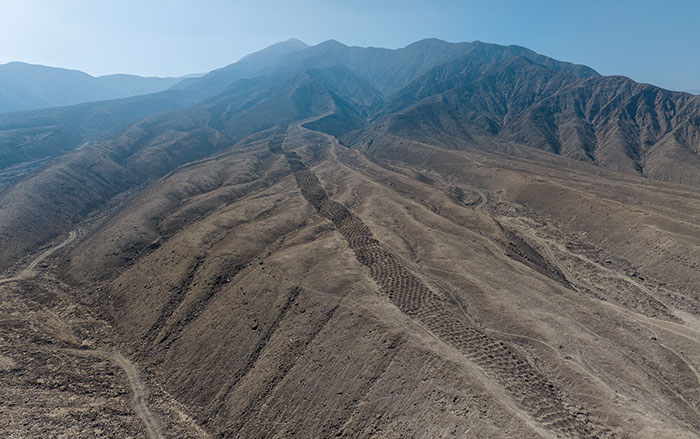
    Return to Serpent Mountain

    Discovering the true origins of an enigmatic mile-long pattern in Peru’s coastal desert

    Read Article
    Courtesy J.L. Bongers
  • Features March/April 2026

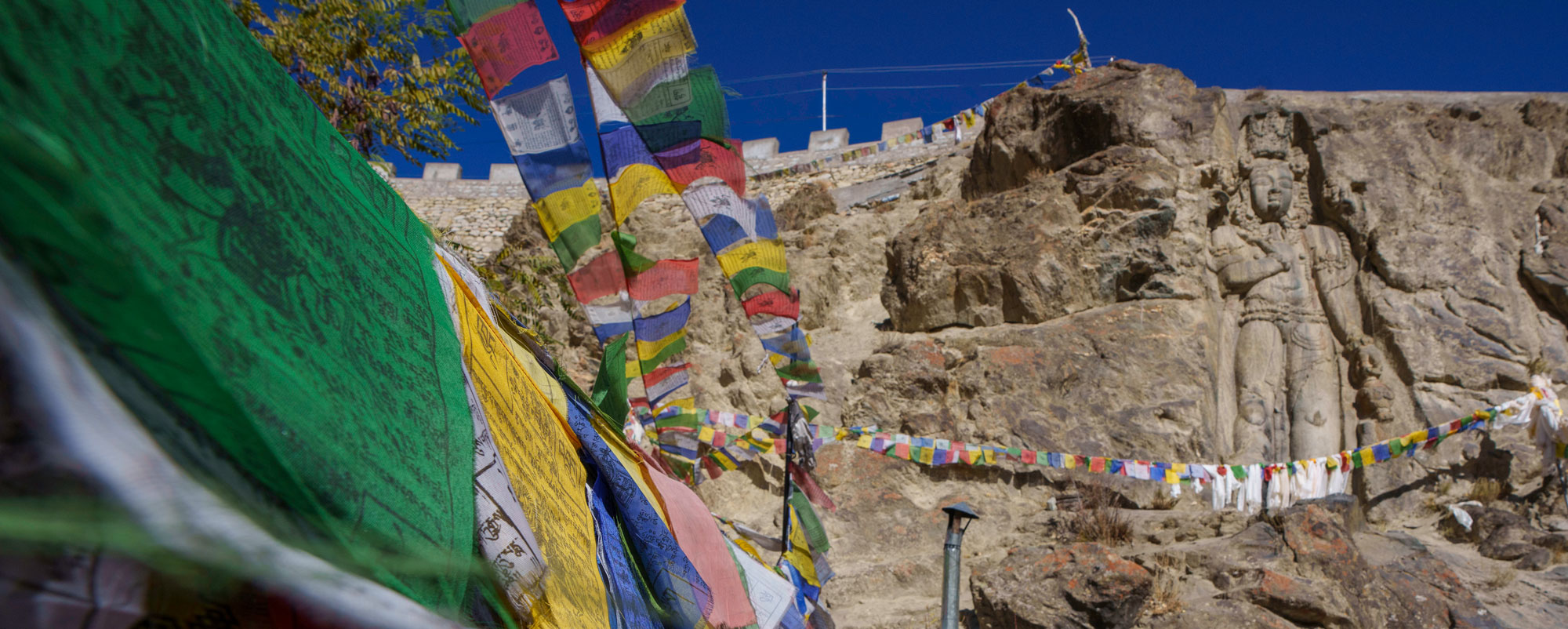
    Himalayan High Art

    In a remote region of India, archaeologists trace 4,000 years of history through a vast collection of petroglyphs

    Read Article
    Matt Stirn
  • Features March/April 2026

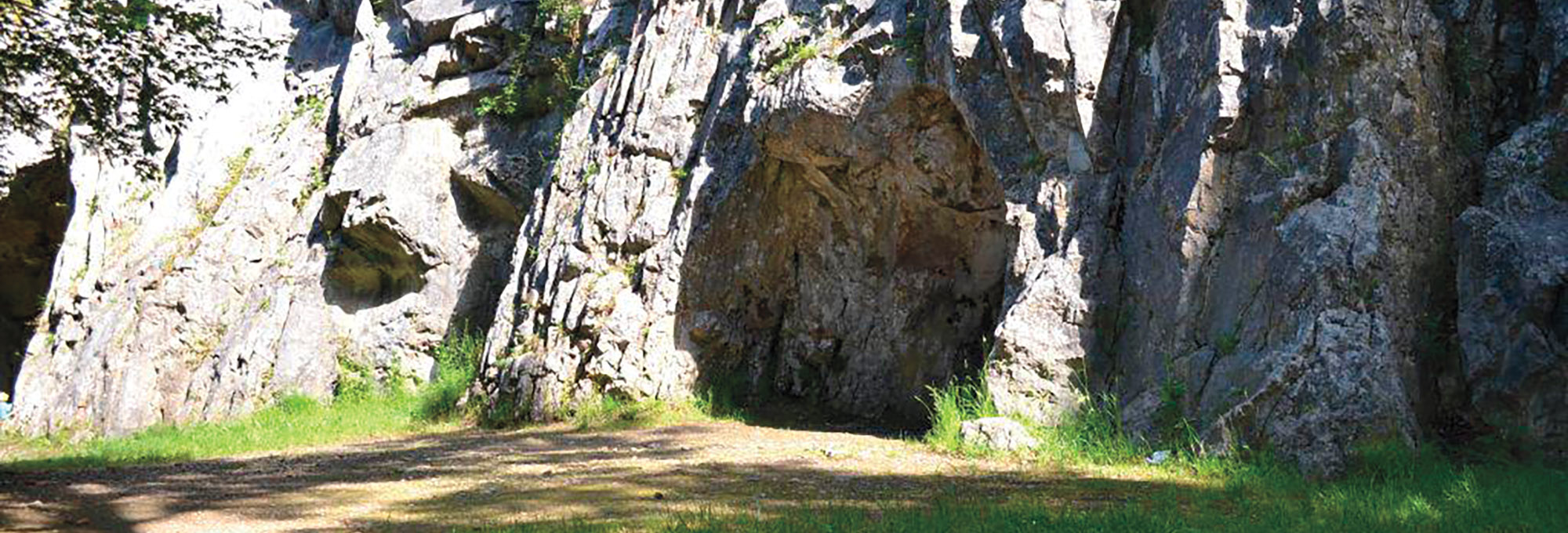
    What Happened in Goyet Cave?

    New analysis of Neanderthal remains reveals surprisingly grim secrets

    Read Article
    The Third Cave, one of the galleries in a cave system in central Belgium known as the Goyet Caves
    IRSNB/RBINSL