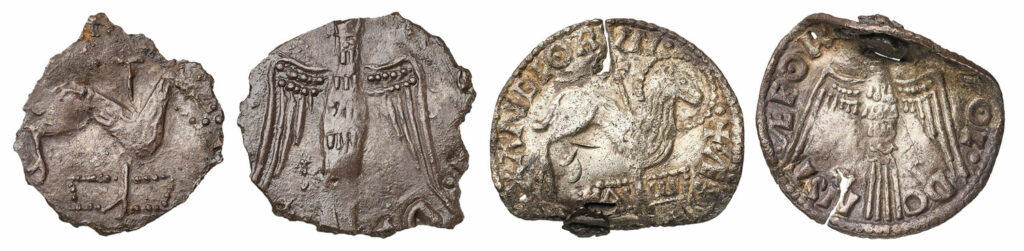
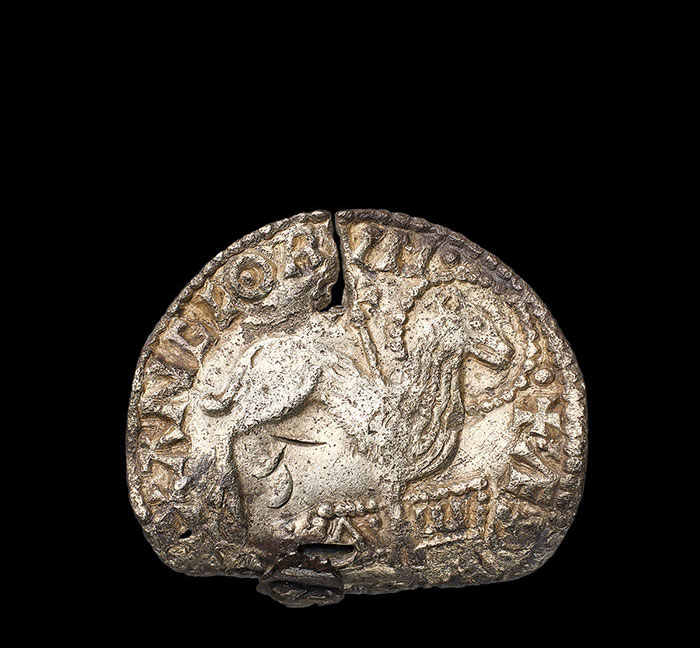
Two extremely rare early eleventh-century a.d. silver coins produced by an English king desperate to repel Viking marauders have been discovered at separate locations in Denmark. The king, Æthelred II, also known as Æthelred the Unready, made multiple attempts to buy off the Viking aggressors, but nothing worked. In a.d. 1009, the king ordered a nationwide three-day exercise of penance to solicit divine assistance.
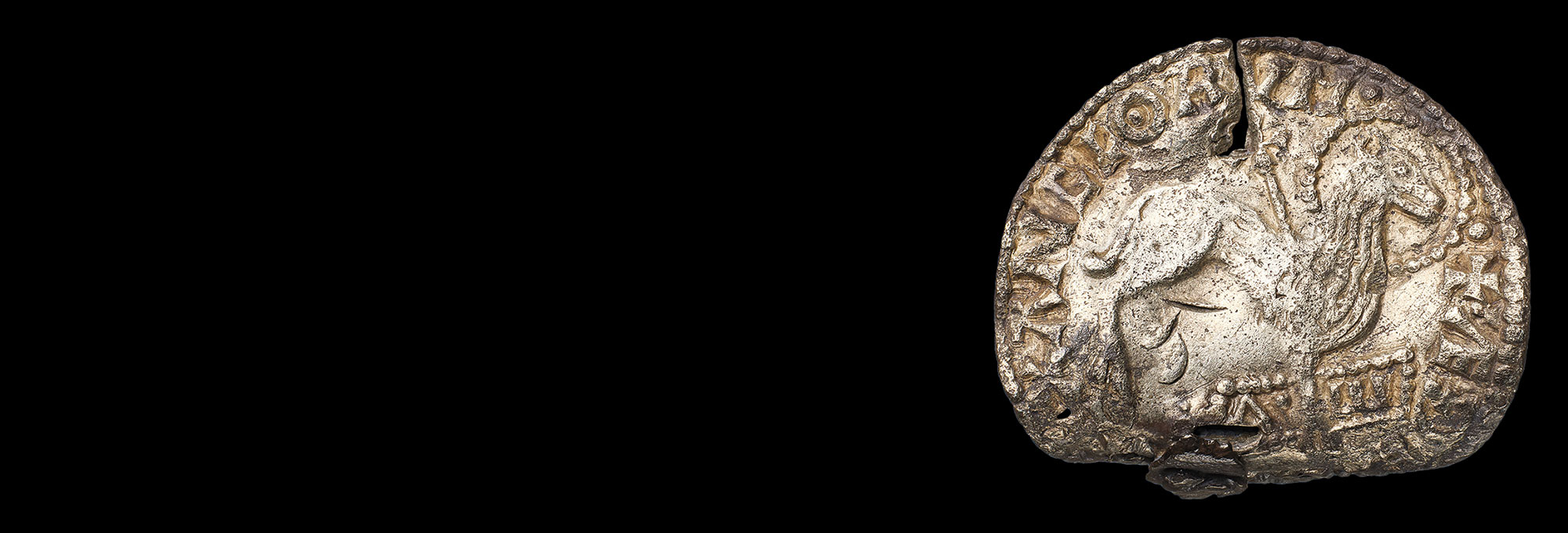
As part of this exercise, Æthelred minted a special set of coins. The front depicted a lamb pierced by a cross, a symbol of Christ’s sacrifice, and the back an ascending dove, a symbol of the Holy Spirit. “These coins were a kind of prayer, a part of the broader religious response to these awful Viking attacks,” says archaeologist Gitte Tarnow Ingvardson of the National Museum of Denmark. The penance—and the special Lamb of God coins—failed in its mission. A Viking leader named Thorkell the Tall continued to attack England, that is until Æthelred mollified him with a massive payment of 48,000 pounds of silver in a.d. 1012. The reprieve lasted only until the next year, when Sweyn Forkbeard renewed the Viking assault.
Including the two newly discovered examples, only 30 Lamb of God coins have been found, almost all in Scandinavian and Baltic countries. Archaeologists believe that the Vikings, far from being warded off by the coins, took a shine to them and turned them into amulets. Ingvardson suggests the Vikings may have been attracted by the coins’ artistry as well as their symbolism. “Some Vikings were beginning to adopt at least part of the Christian faith at this point,” she says, “so they may have understood and appreciated them as Christian symbols.”