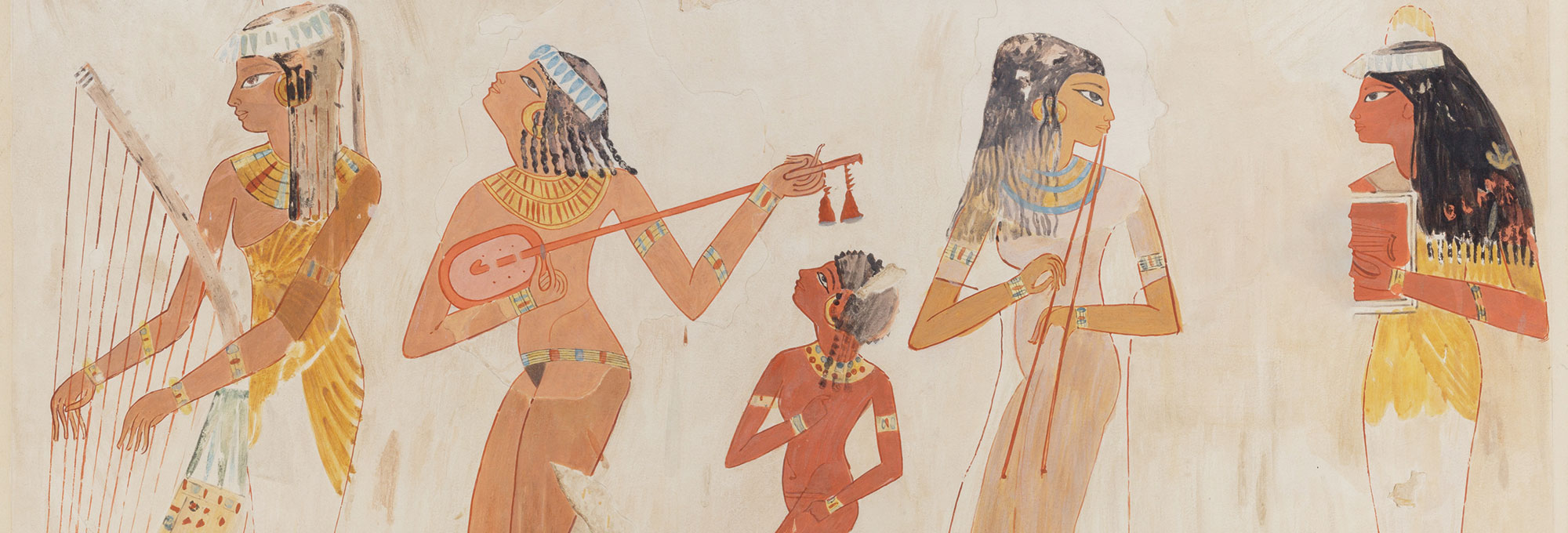
Features From the Issue
-
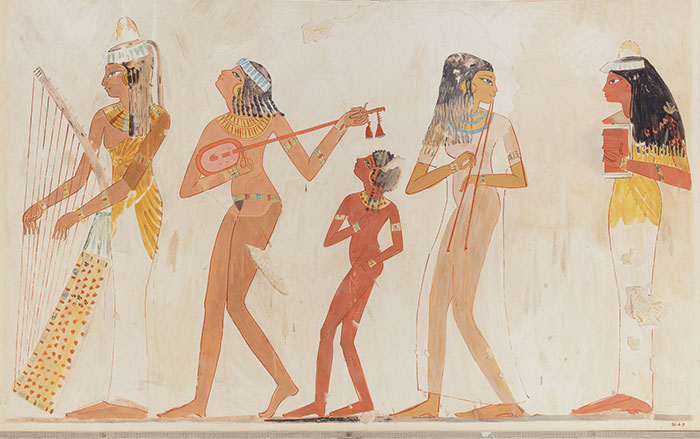 The Metropolitan Museum of Art, New York, Rogers Fund, 1930
 -
Features
A Change in Fashion
Hoards of lavish gold and silver neck rings buried on an English hill reflect dramatic social change
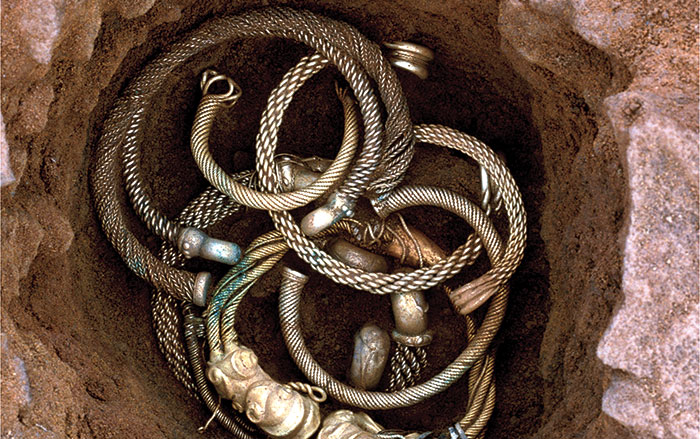 Photo © 2026 The Trustees of the British Museum
 -
Features
Cultivating Fields of Stone
Peru’s ancient farmers used intricate rock maps to plan for the future
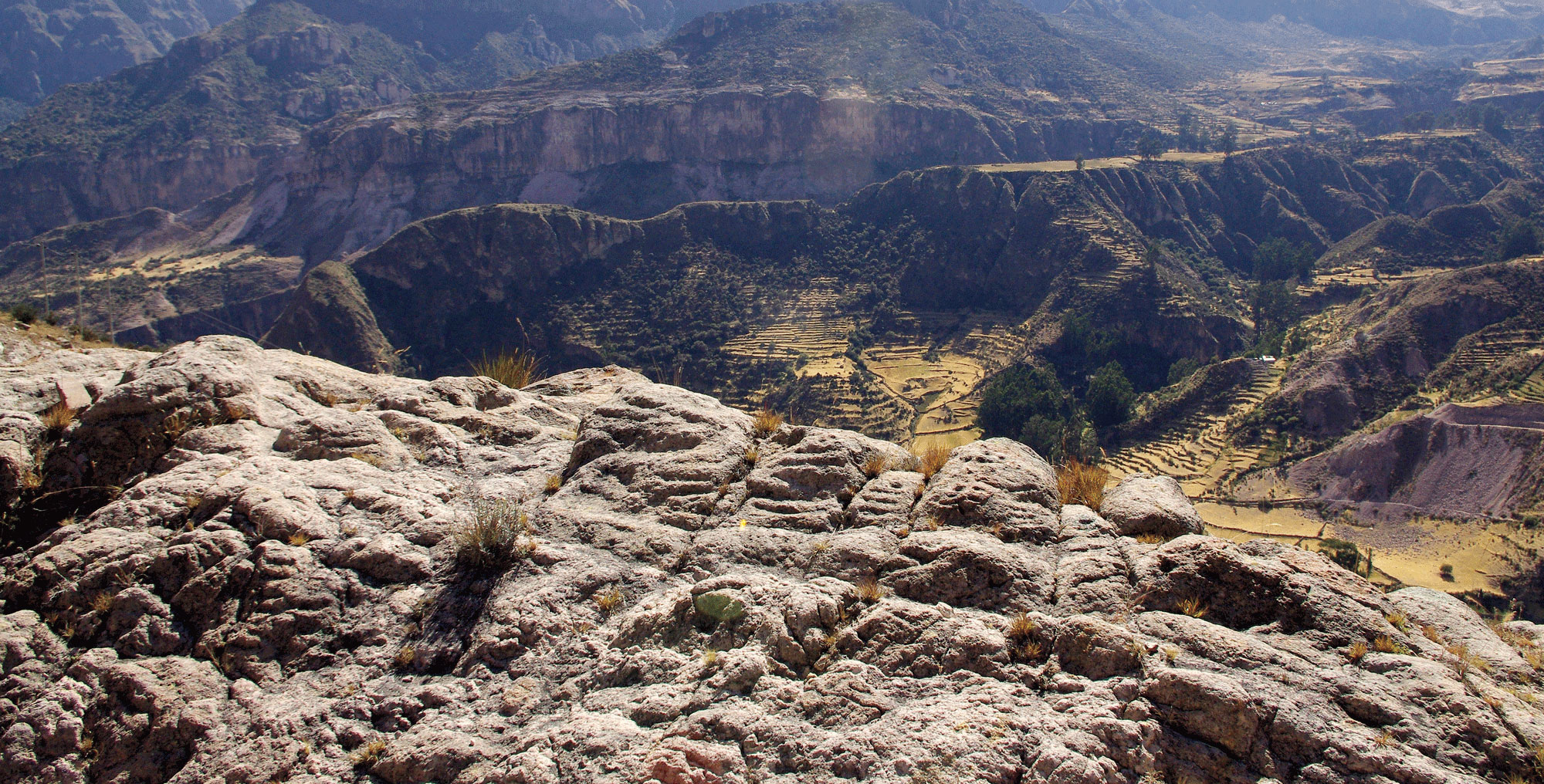 Courtesy Patricia Aparicio Martínez
 -
Features
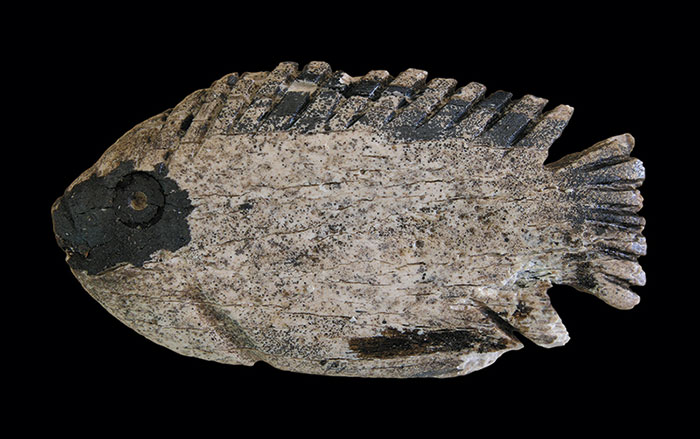
Where Was Ancient Egypt Born?
Archaeologists are reimagining a time before the first pharaohs
 Courtesy Robert Słaboński/Tell el-Farkha Expedition
 -
Features
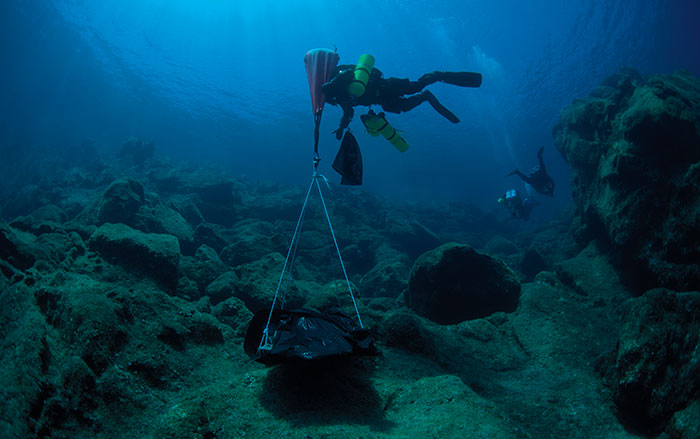
2,000 Years Under the Sea
The story of Greece’s famed Antikythera wreck is finally being revealed
 © ESAG/UNIGE
Letter from Ireland
Letter from Ireland
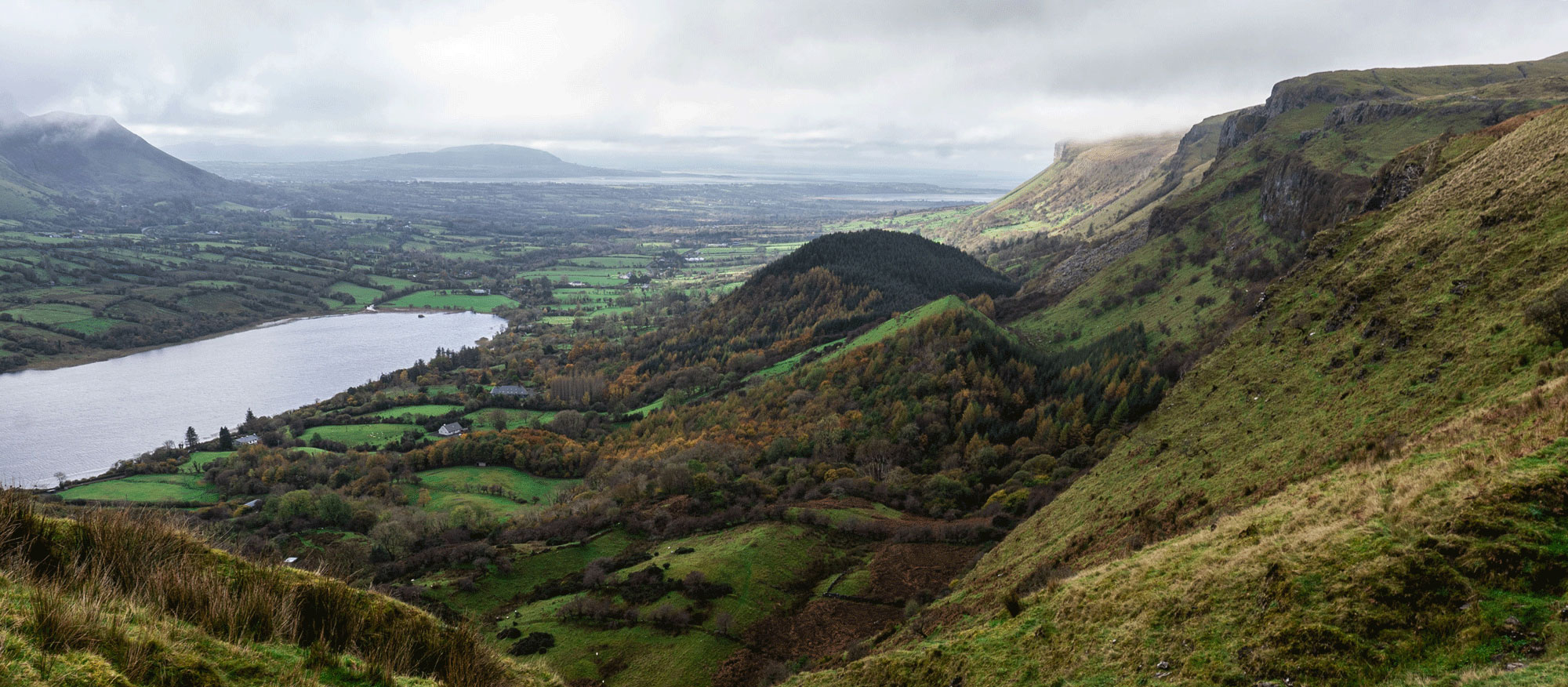
A War Between Friends
How IRA volunteers survived the Irish Civil War in a secret mountain hideout
Artifact
Artifacts
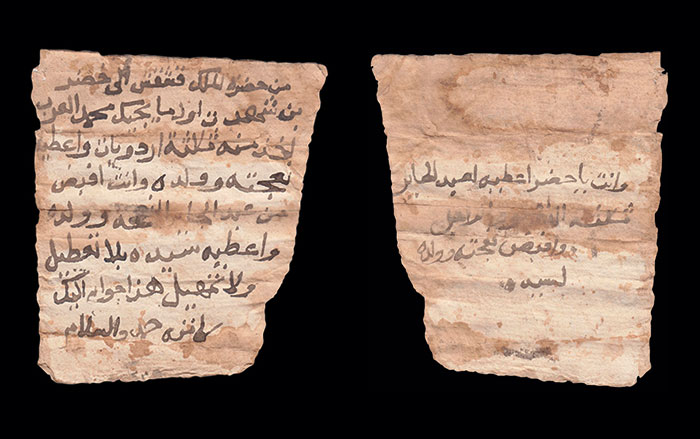
Post-Makurian Letter (from Dongola)
Digs & Discoveries
-
Digs & Discoveries
Gyrfalcons Over Baghdad
Dozens of birds gifted to medieval Abbasid caliphs were likely imported from Iceland
 Tony Baggett/AdobeStock
 -
Digs & Discoveries
Game On
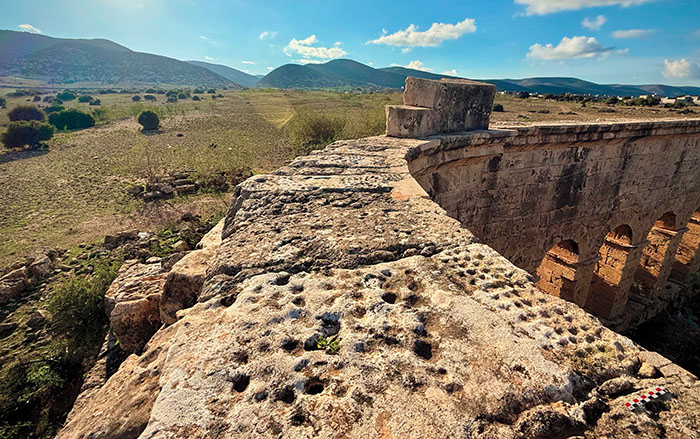 Zosia Kowarska
 -
Digs & Discoveries
Meet the Manatees
 Sobuj/AdobeStock
 -
Digs & Discoveries
The Best Place to Read
How did a rare medieval wood notebook and pieces of silk tissue end up in a toilet?
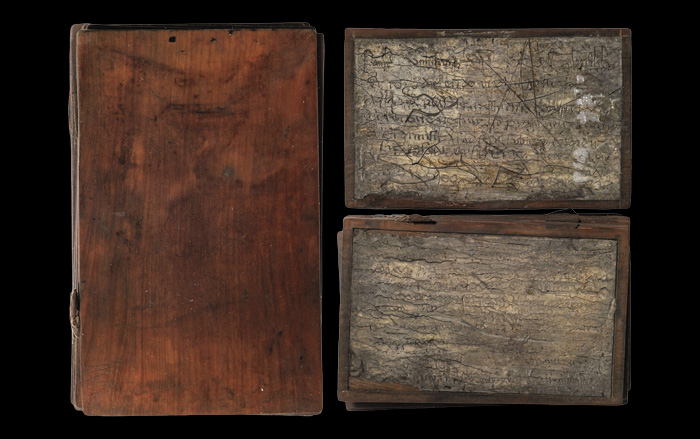 LWL/S. Brentführer
 -
Digs & Discoveries
Sardinian Ritual Summit
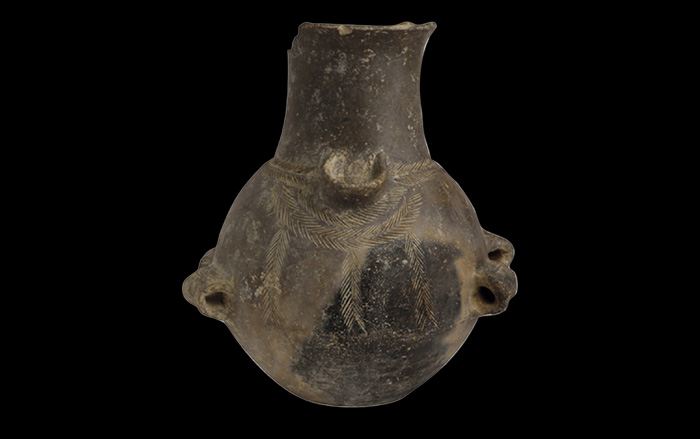 After Pilo and Usai 2020, in Notizie e Scavi della Sardegna Nuragica
 -
Digs & Discoveries
Foot Notes
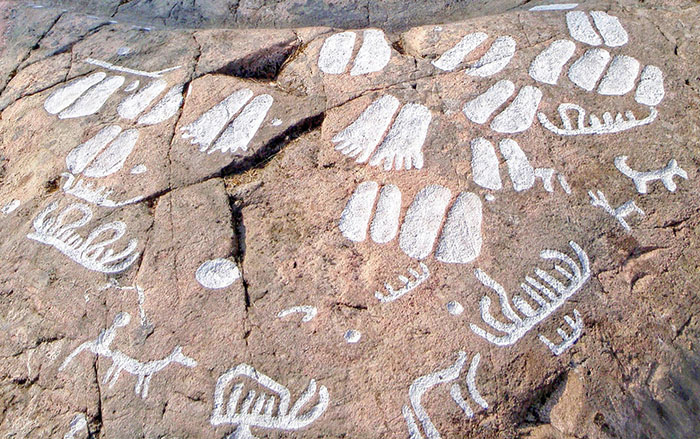 A. Toreld, SHFA
 -
Digs & Discoveries
Hadrian’s Wall Keepsake
One Roman soldier brought home a special souvenir from his service in a faraway place
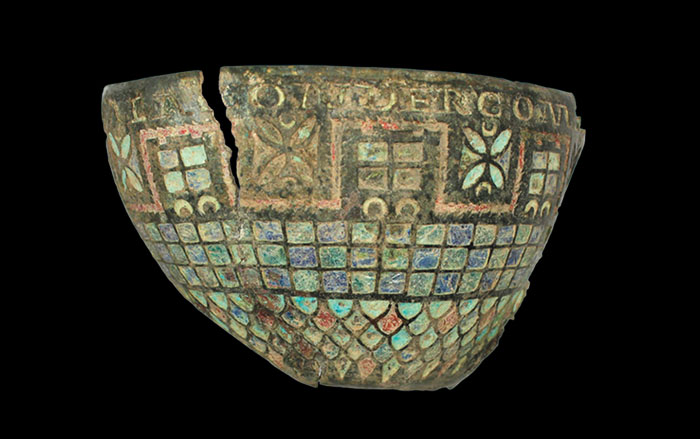 Roberto De Pablo
 -
Digs & Discoveries
Dearly Beloved Dingo
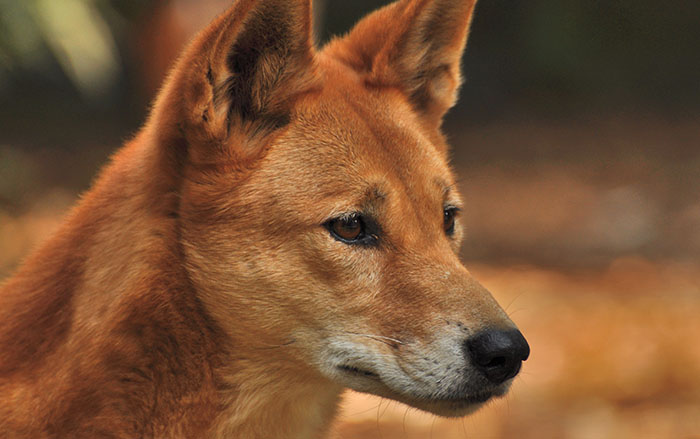 wolfganguphaus/AdobeStock
 -
Digs & Discoveries
Peru Foodie Tour
 Gabriel Prieto
Off the Grid
Off the Grid September/October 2026
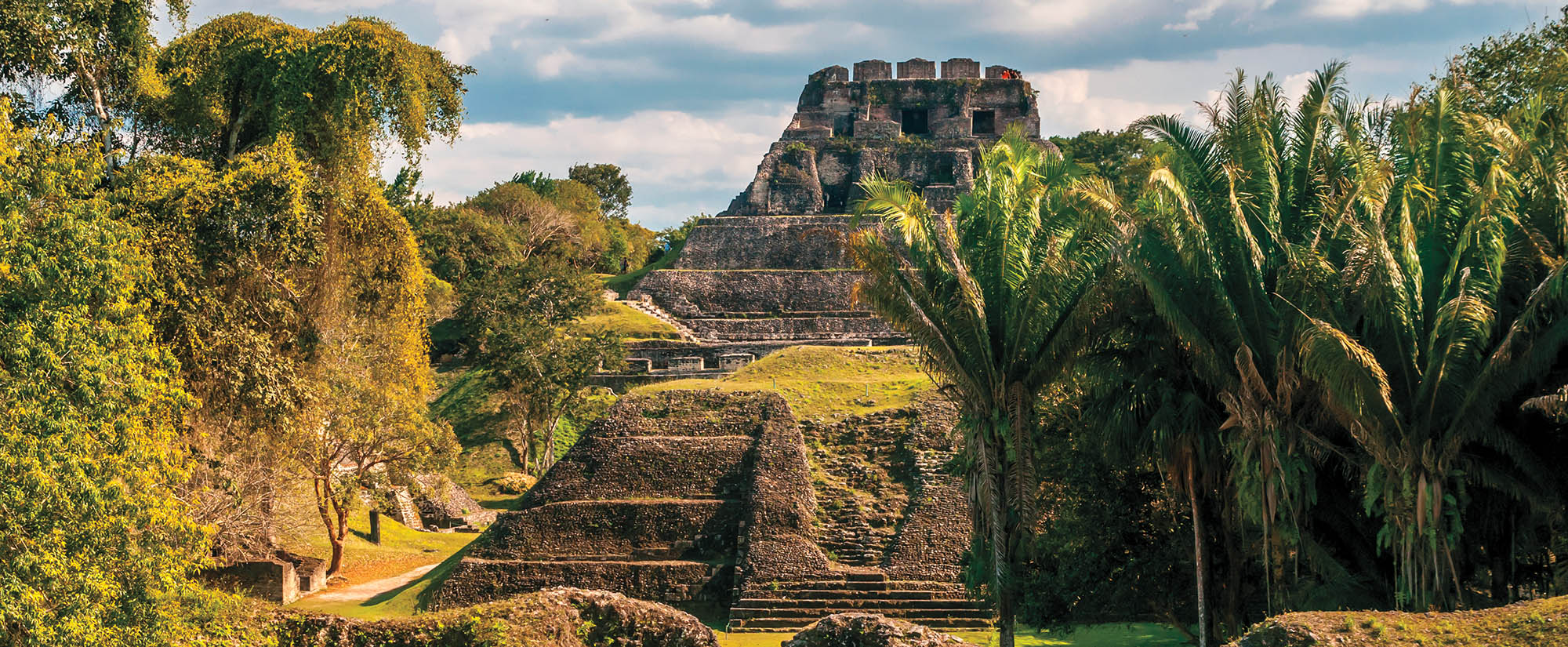
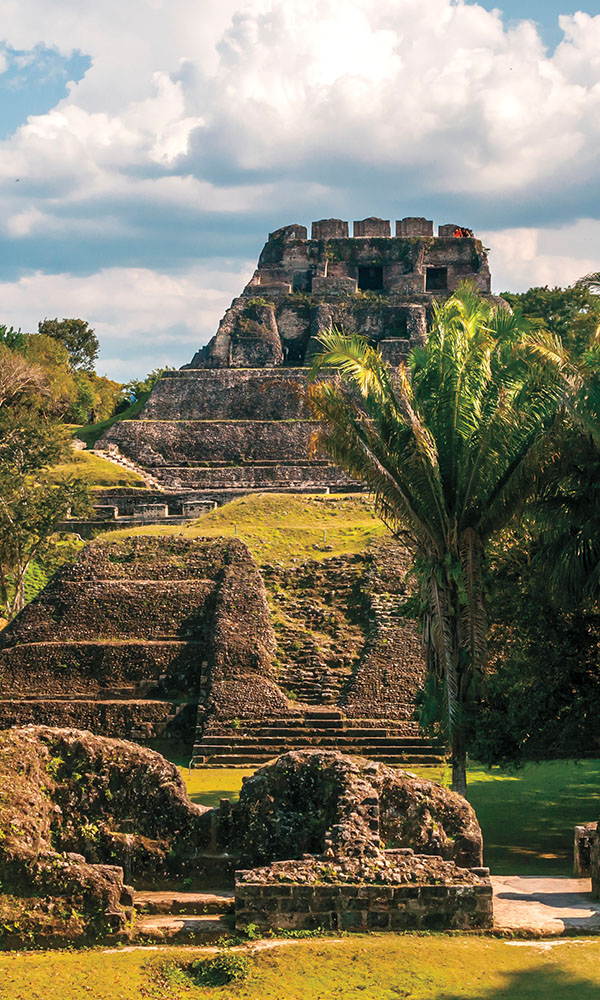
Xunantunich, Belize
Learning to draw monkeys at an ancient Maya art academy
Around the World
Explore
-
ITALY

-
THAILAND
-
TURKEY
ITALY
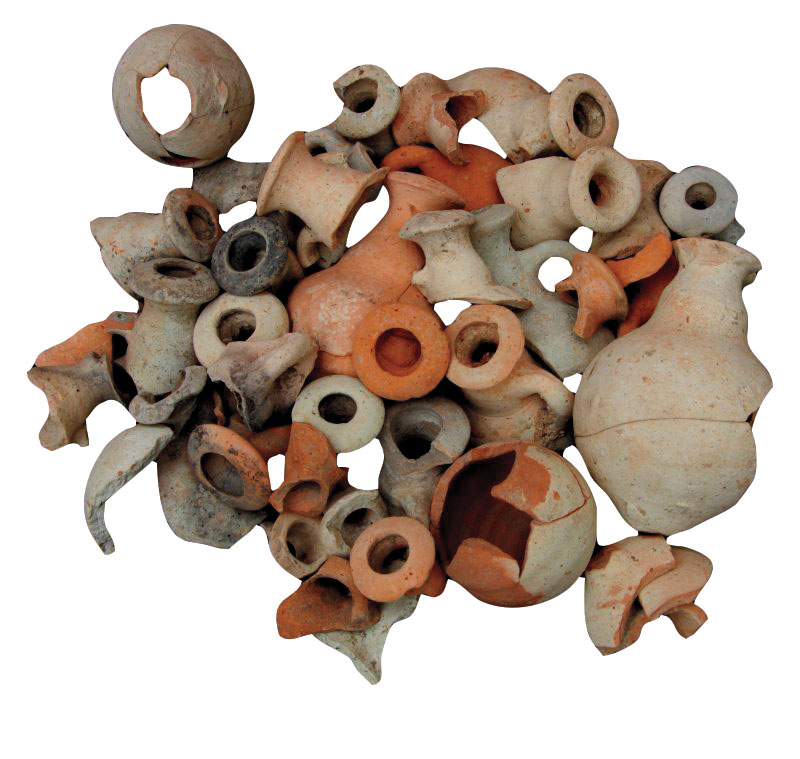
The region of Chianti is synonymous with red wine, and there is evidence of viniculture in the area dating back millennia. This includes dozens of 2,000-year-old grape seeds recovered from wells at the site of Cetamura del Chianti. A new study revealed that farmers grew a single variety of grape there for centuries. Unexpectedly, these were green grapes, which were used to make a white vintage, not the familiar red Chianti. It was only after the Roman conquest that new grape varietals were introduced.
Related Content
THAILAND
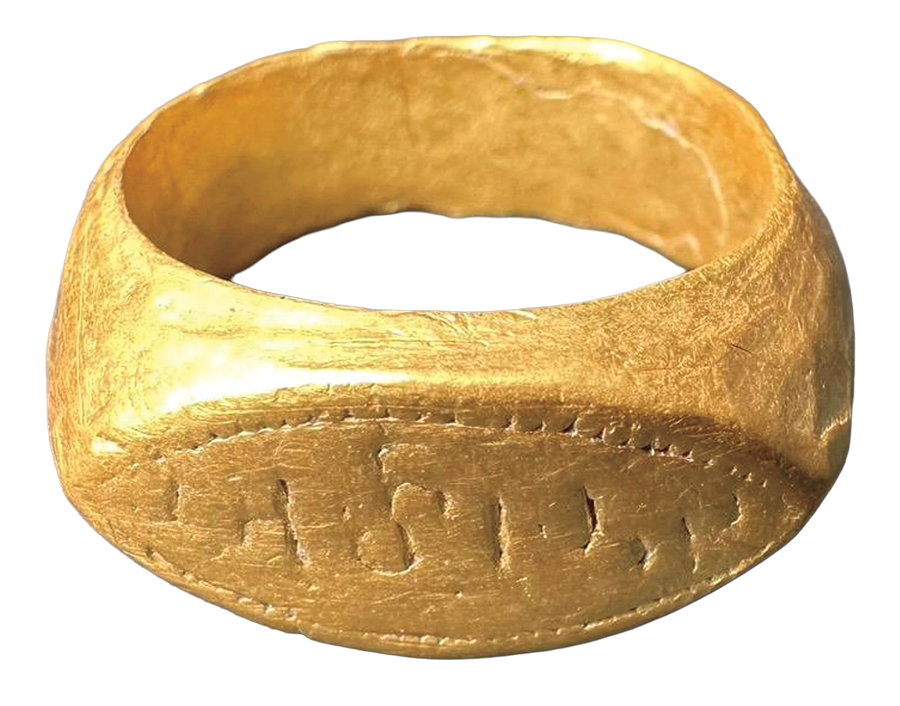
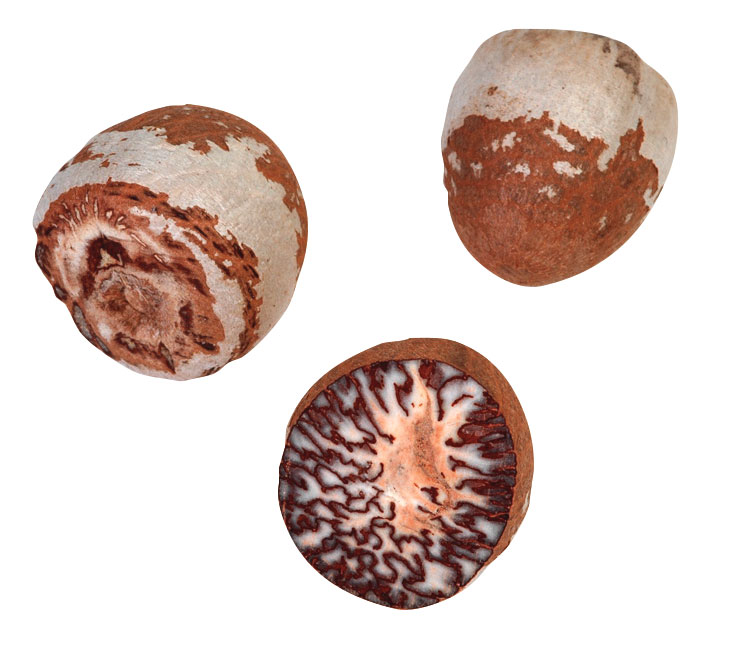
A rare gold ring unearthed in a burial at the Don Yai Thong site in Phetchaburi Province has highlighted the area’s broad cultural connections and involvement in ancient trade networks linking India with Vietnam 2,000 years ago. The ring is engraved with Brahmi characters—an ancient Indian writing system—that spell out pusarakhitasa, or “the one protected by Pushya.” Pushya is a zodiac sign in Indian astrology. Experts believe the ring’s original owner may have belonged to the Vaishya caste, which included merchants and traders.
Related Content
Around the World November/December 2025
THAILAND
Letter From Cambodia March/April 2013
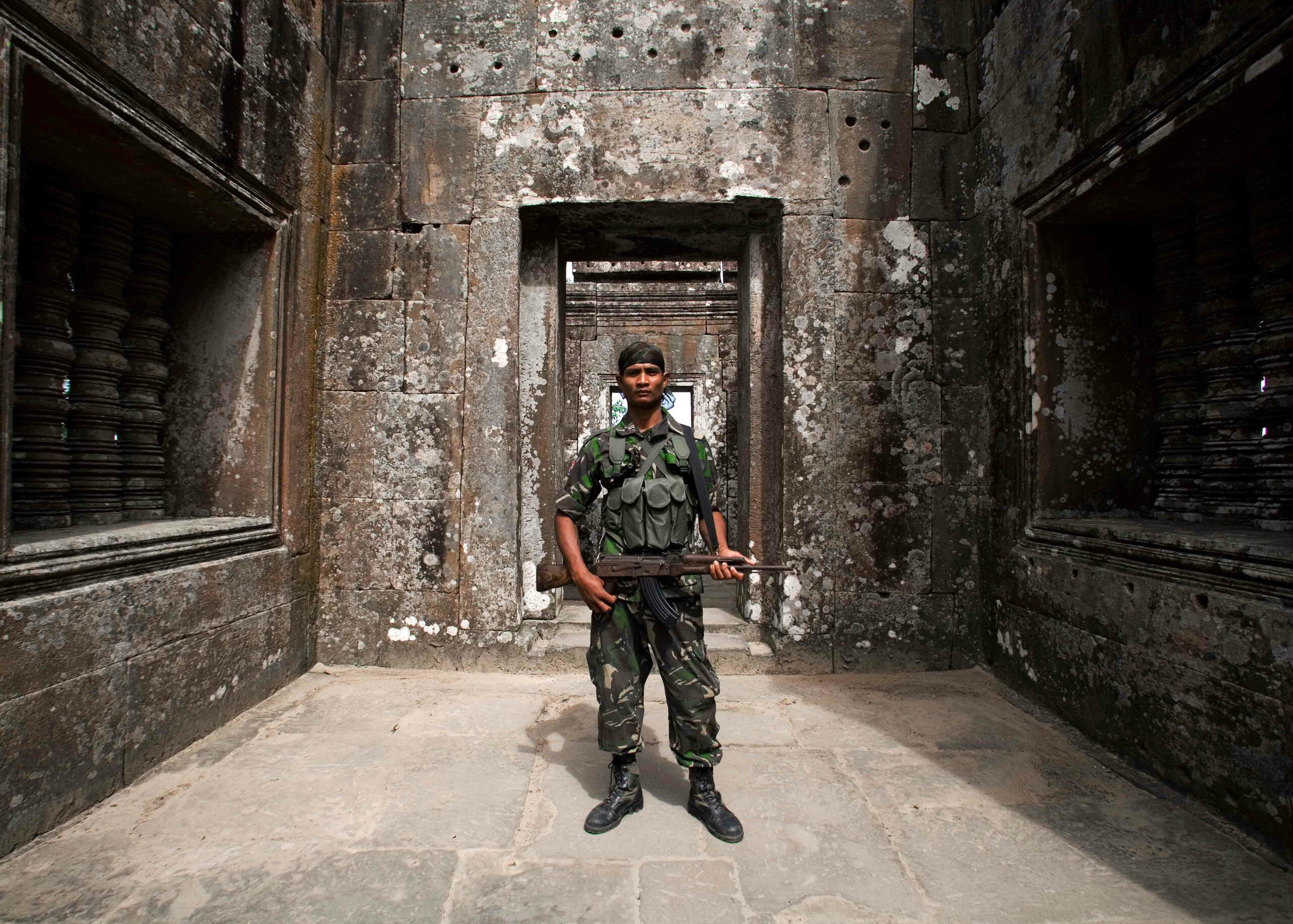
The Battle Over Preah Vihear
A territorial dispute involving a 1,100-year-old Khmer temple on the Thai-Cambodian border turns violent
TURKEY
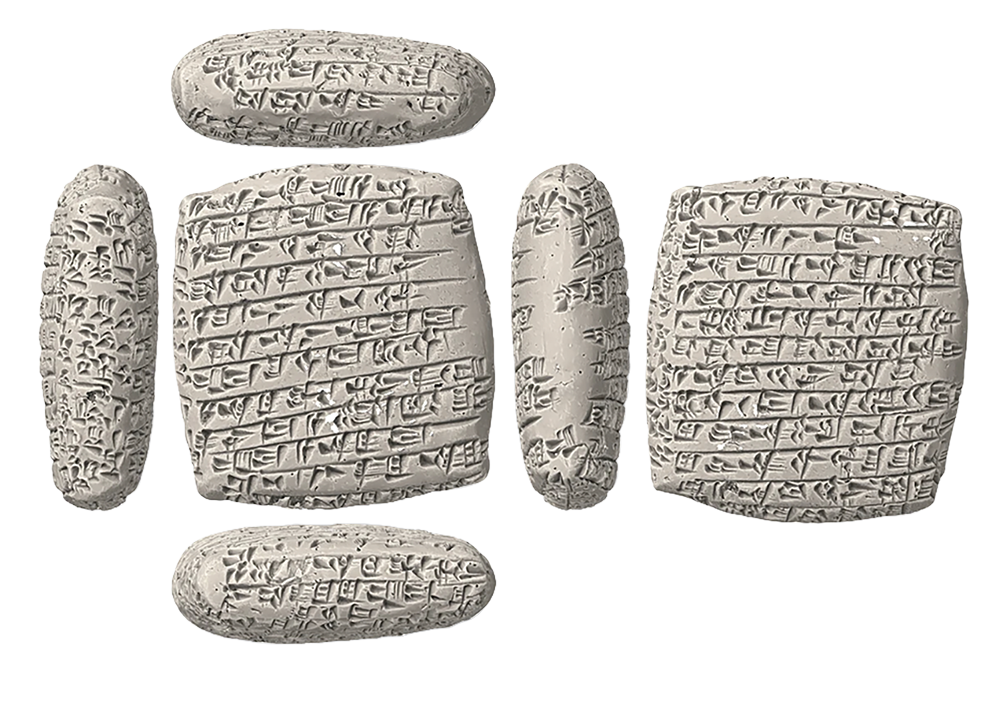
Assyrian cuneiform correspondence written on tablets was often sealed in clay envelopes that had to be broken to read their contents. For the first time, scanning technology has allowed Assyriologists to view these messages without destroying the envelopes. Among the newly legible missives found in the ancient city of Kanesh is a 3,800-year-old letter sent from a woman named Anna-anna to her husband, Ennum-Ashur. Anna-anna expresses frustration over her attempts to recover silver owed to her husband and laments that the debtor refuses to repay her directly.
Related Content

Slideshow: A Wealth of Torcs
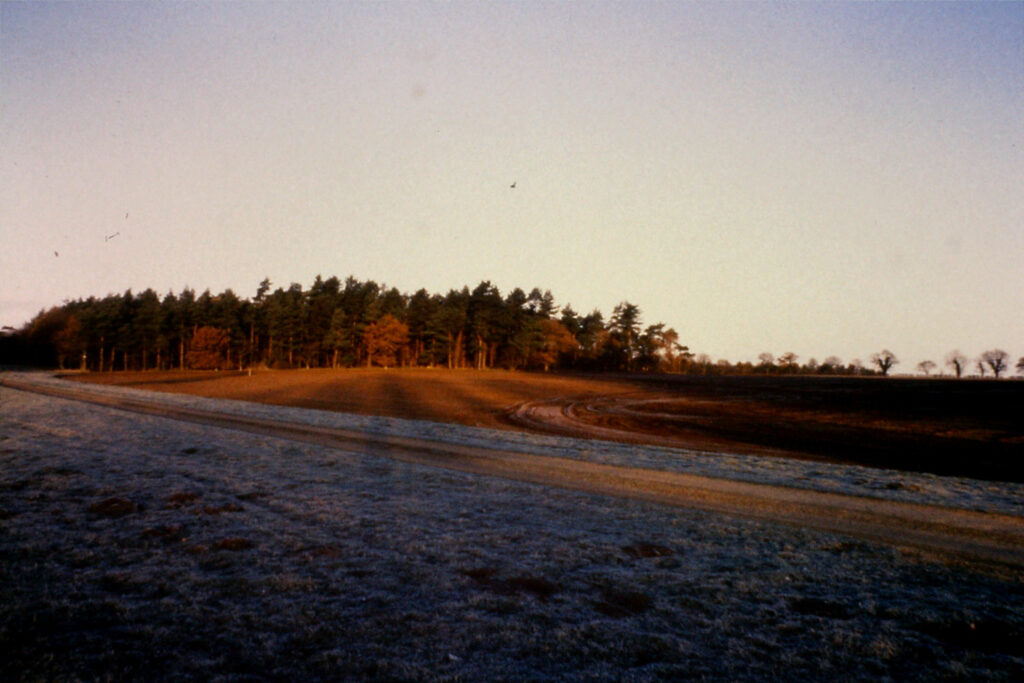
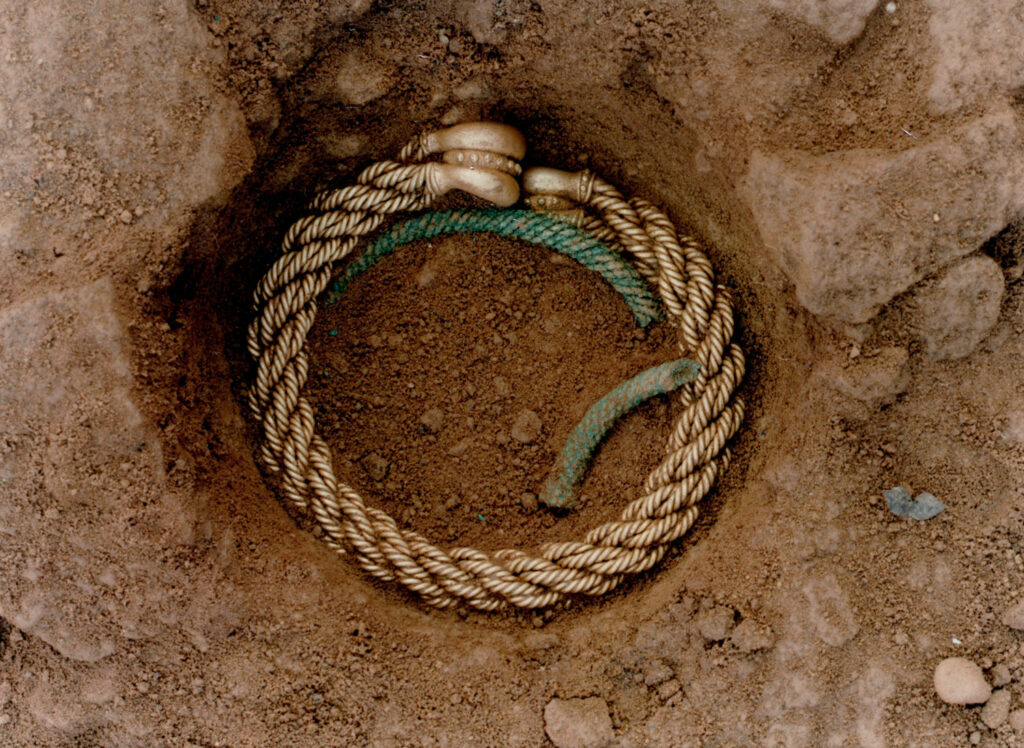
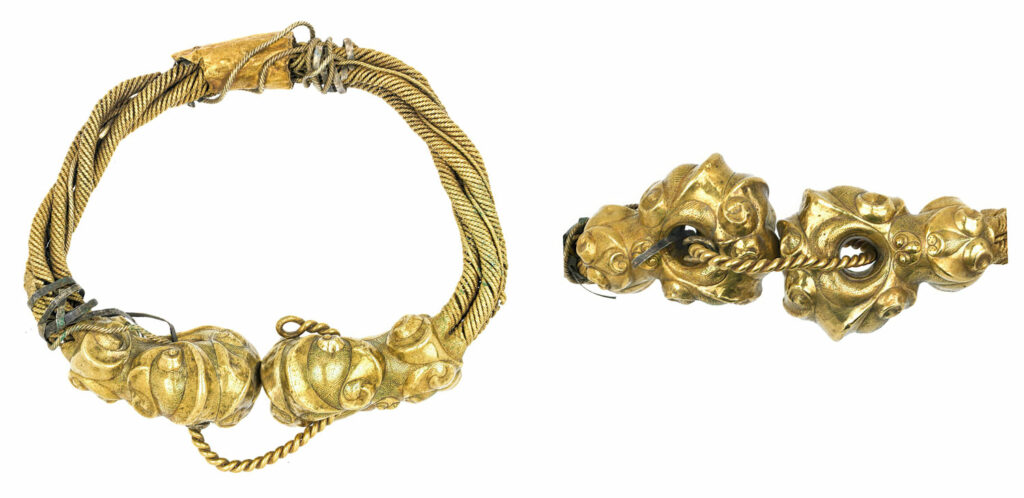
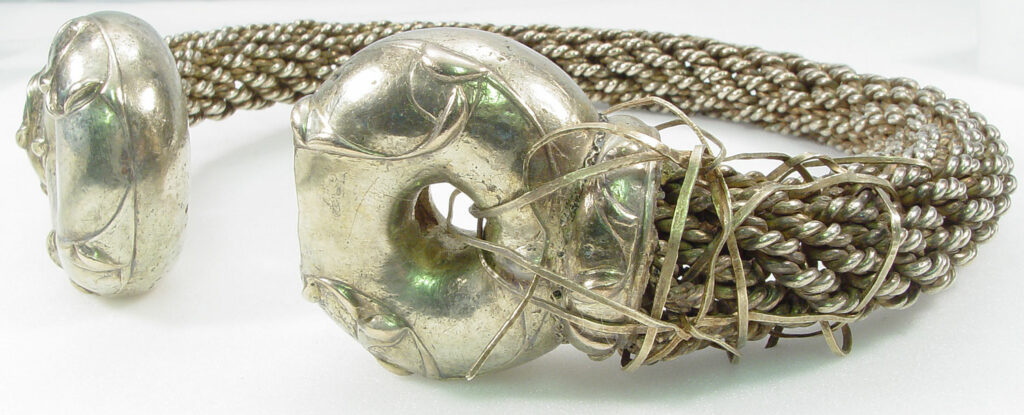
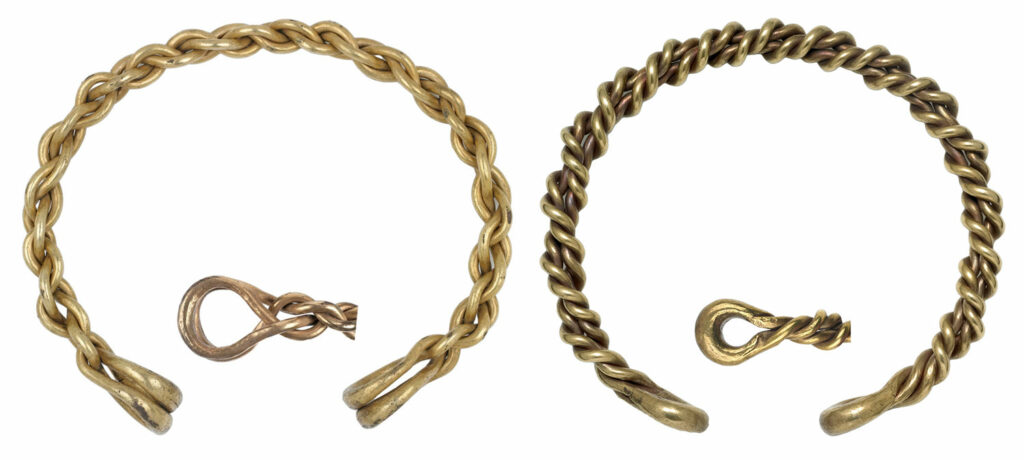
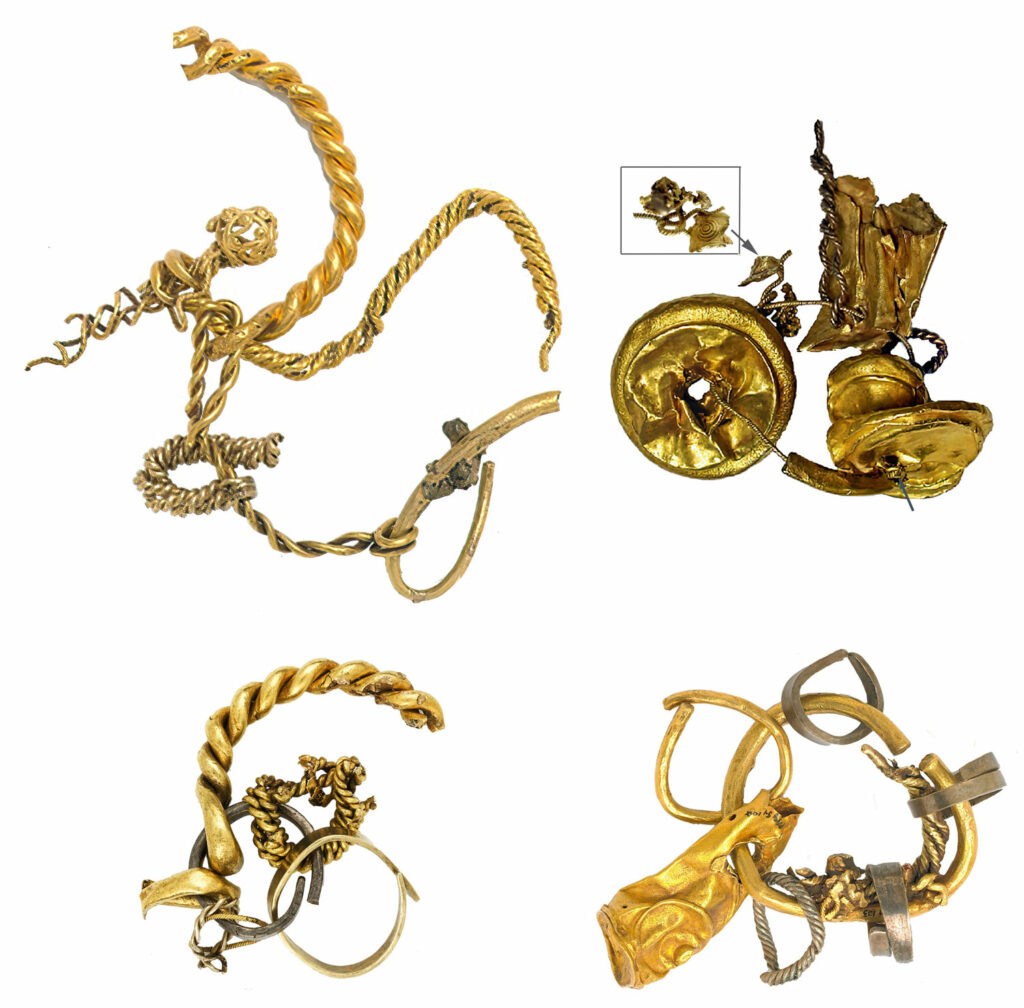
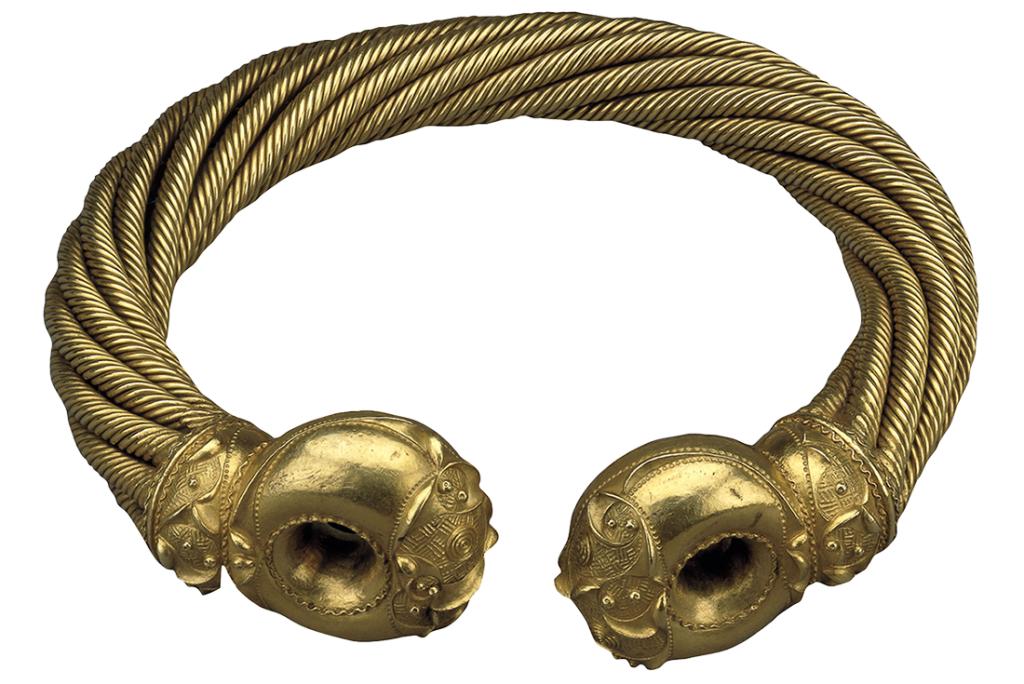
Beginning in the late 1940s, the greatest known assemblage of prehistoric jewelry in all of Europe was discovered on a forested promontory called Ken Hill in Norfolk County near England’s east coast. The caches of gold, silver, and bronze metalwork unearthed there have come to be known as the Snettisham Hoards, after the modern village at the foot of Ken Hill. Among the caches’ contents are rings, ingots, coins, bracelets, and, most importantly, torcs, or neck rings, which date to the Late Iron Age (ca. 350–60 B.C.). In an exhaustive review of the hoards, archaeologists Julia Farley of the British Museum and Jody Joy of the University of Cambridge Museum of Archaeology and Anthropology suggest that these torcs were deposited as part of a society-wide ritual that marked a shift in how leaders communicated their authority. To read our full article on the Snettisham Hoards, click here.
Dig Deeper
Do you like the stories in this issue? Here are some of our favorite ARCHAEOLOGY stories on similar topics—along with some of the books, journal articles, and other resources we drew upon as we researched and wrote the articles in our September/October 2026 issue.
Tuning in to the sounds of the ancient world
Dancing Days of the Maya
In Guatemala, murals depict performances combining Catholic and Indigenous traditions
Tomb of the Chantress
A burial chamber in the Valley of the Kings provides a glimpse into the life of an ancient Egyptian singer
Hadrian's Bugler
Near Hadrian’s Wall, archaeologists unearthed the mouthpiece of a horn that Roman soldiers played while marching
Artifact Spotlight: Magdalenian Wind Instrument
Archaeologists once thought this 18,000-year-old conch shell was broken—then they tried to play it
Listening to the Gods of Ancient Peru
The acoustics of the Chavìn de Huántar temple complex amplified the experience of the ceremonies held there
Hoards of lavish gold and silver neck rings buried on an English hill reflect dramatic social change
Secrets of Scotland’s Viking Age Hoard
A cache of Viking silver and Anglo-Saxon heirlooms reveals the complex politics of ninth-century Britain
Ka-Ching!
Archaeologists discovered a gargantuan hoard in the British Channel Islands—then they took it apart, coin by coin
Top 10 Discoveries: Iron Age Britain’s Oldest Gold
Four gold torcs date to a time when people in Britain were thought to have forgone gold jewelry
The Snettisham Hoards edited by Julia Farley and Jody Joy
Archaeologists undertake an exhaustive study of the greatest assemblage of prehistoric jewelry ever found in Europe
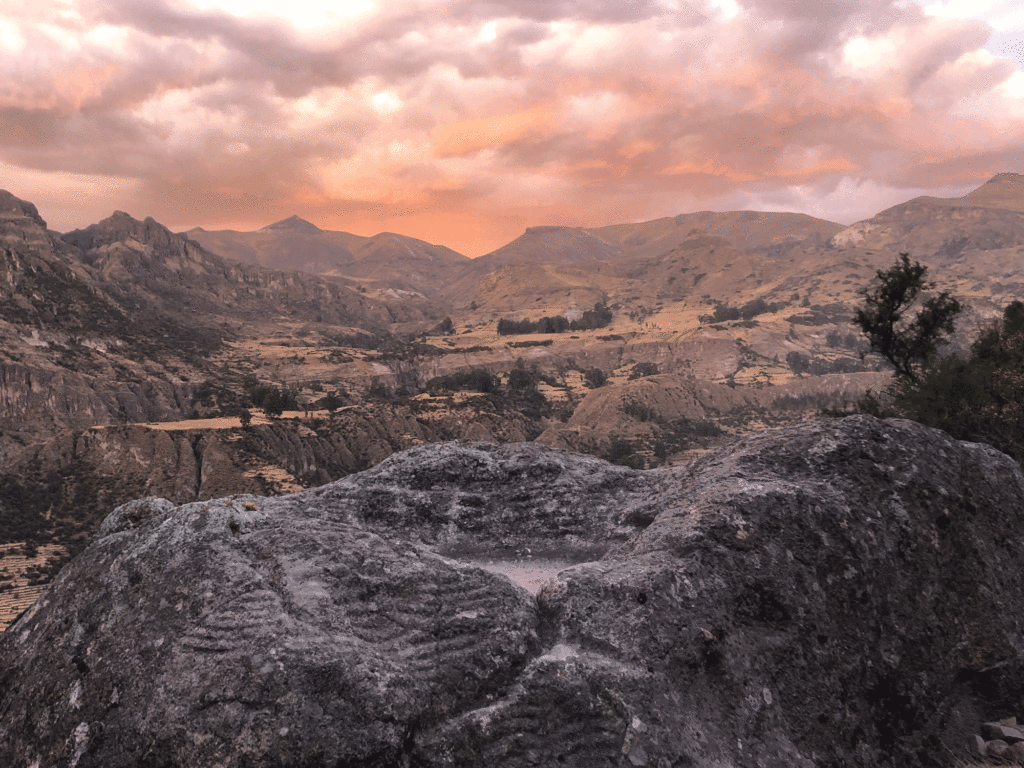
Peru’s ancient farmers used intricate rock maps to plan for the future
Peru's Great Urban Experiment
A millennium ago, the Chimú built a new way of life in the vast city of Chan Chan
Return to Serpent Mountain
Discovering the true origins of an enigmatic mile-long pattern in Peru’s coastal desert
Off the Grid: Barrancas River Valley, Argentina
In the central Andes, archaeologists are studying a rock map of corrals—complete with miniature animal figures
Patricia Aparicio’s Comprehensive Works
The archaeologist has published many freely available articles on her work in Peru’s Sondondo Valley
Proyecto Alpaca
Read in-depth about research in Peru’s Colca Valley led by archaeologists Lauren Kohut and BrieAnna S. Langlie
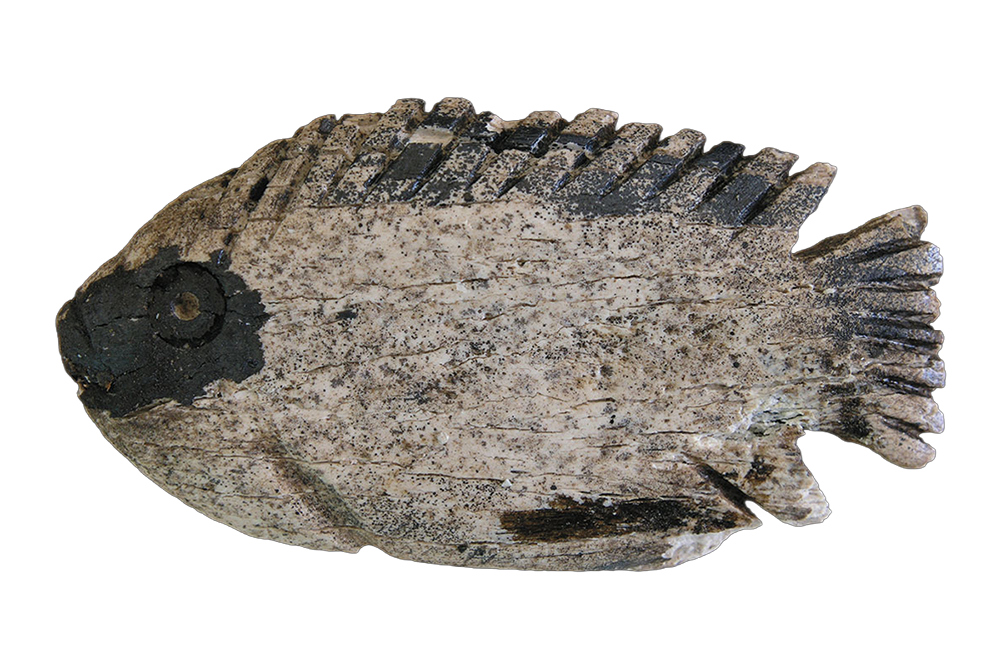
Archaeologists are reimagining a time before the first pharaohs
Lost Cities: Egypt’s First Capital?
Searching for Tjenu, the seat of Egypt’s 1st Dynasty pharaohs
Top 10 Discoveries: World’s Oldest Dress
Breakthrough research determined that an Egyptian linen garment is at least 5,100 years old
In Search of Lost Pharaohs
Anubis Mountain conceals the tombs of an obscure Egyptian dynasty
The Man in the Middle
How an ingenious royal official transformed Persian conquerors into proper Egyptian pharaohs
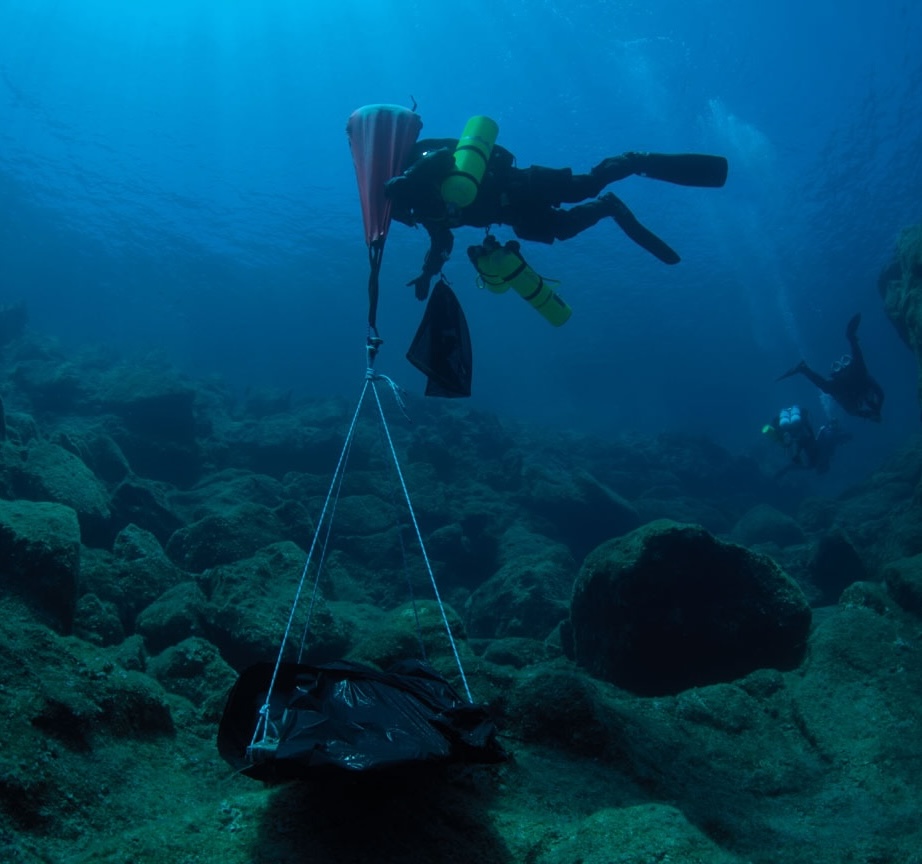
The story of Greece’s famed Antikythera wreck is finally being revealed
Top 10 Discoveries: Antikythera Man
At the ancient world’s largest, richest wreck, archaeologists have found a sailor who went down with the ship
History’s Greatest Wrecks: Cape Gelidonya and Uluburun
Who sailed these two Bronze Age ships, and what were they carrying?
An Elegant Enigma
The luxurious possessions of a seventeenth-century woman continue to intrigue researchers
A Portable Cosmos: Revealing the Antikythera Mechanism, Scientific Wonder of the Ancient World by Alexander Jones
The story of the Antikythera Mechanism, the Greeks who invented it, and how archaeologists reconstructed it
Uncovering Uluburun: The True Tale of the Bronze Age’s Greatest Shipwreck published by the Archaeological Institute of America
Get to know the merchants, mariners, and kings of the first great age of seafaring by donating to the AIA
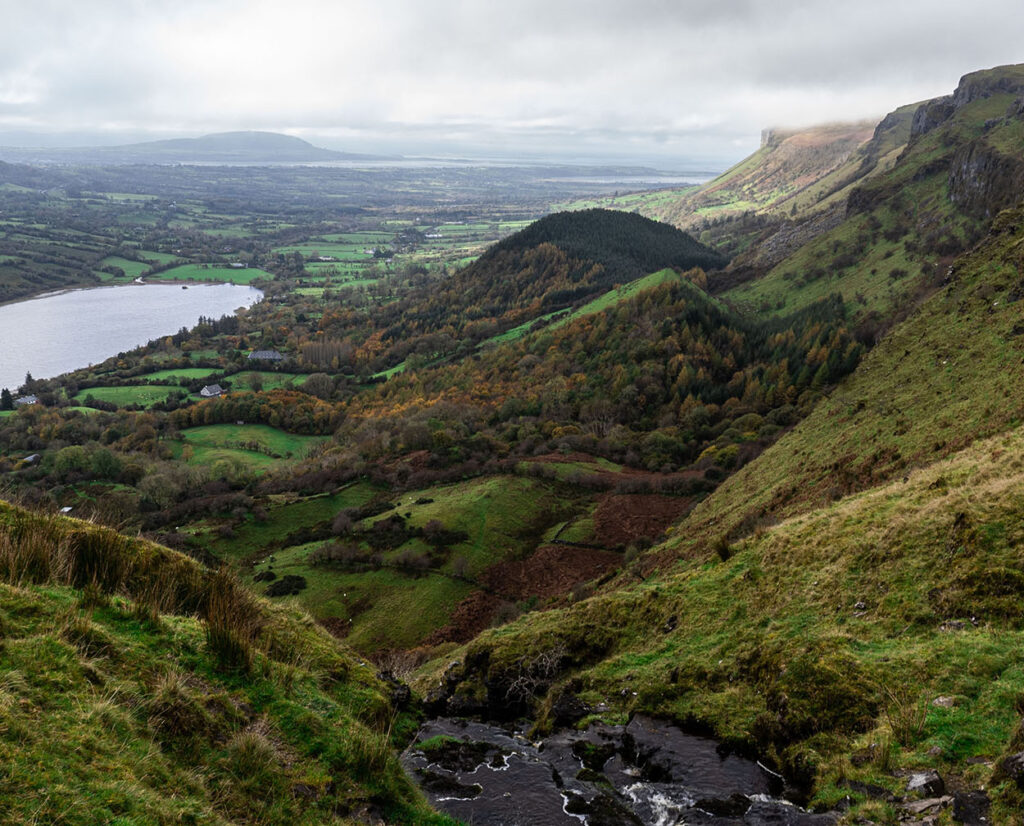
Letter from Ireland: A War Between Friends
How IRA volunteers survived the Irish Civil War in a secret mountain hideout
The Sorrows of Spike Island
Millions were forced to flee during the Great Famine—others were condemned to Ireland’s most notorious prison
Inside a Medieval Gaelic Castle
A tiny Irish island holds the secrets of an unknown royal way of life
The Vikings in Ireland
A discovery challenges long-held ideas about when Scandinavian raiders arrived on the Emerald Isle
A Passion for Fruit: Ancient Comfort Food
When the Romans settled into a trading post in Ireland, they brought olive oil and figs to tide them over
Off the Grid: Rathcroghan, Ireland
An area first inhabited in the Neolithic period is the setting for the beginning and end of Ireland’s national epic

Dozens of gyrfalcons gifted to the Abbasid caliphs starting around a.d. 869 were likely imported from Iceland
Turn of the Millennium Falcon
A gyrfalcon skeleton founds in Mongolia may be associated with a nomadic Chinese dynasty
First Falconer
One of the earliest known depictions of a falconer may represent a thirteenth-century king of Norway
Hoards of the Vikings
On an island in the Baltic Sea, traders amassed vast riches—with Arab silver coins the most prized
Off the Grid: Merv, Turkmenistan
The eastern capital of the Abbasid Caliphate was a nexus of goods, languages, ideas, and religious beliefs
VIDEOS: Listening to the Ancient World
Archaeologists have unearthed fragments, and sometimes intact examples, of ancient wind, string, and percussion instruments. However, re-creating the physical spaces in which people played these instruments, many of which are inaccessible or no longer exist, presents unique challenges. By studying and modeling the acoustic properties of ancient spaces, researchers in the field of archaeoacoustics investigate how people of the past experienced sound.
An interdisciplinary team of scholars led by Jonathan Berger, composer and director of Stanford University’s Center for Computer Research in Music and Acoustics (CCRMA), are creating acoustic models that replicate how music may have originally sounded in some of the world’s most iconic architectural spaces, including Egyptian tombs, an Andean ritual site, and numerous Italian churches such as the Duomo in Florence. They have also virtually reproduced the acoustic environment of southern France’s Chauvet Cave, which is famed for its stunning paintings of lions, horses, and mammoths created by Paleolithic people as long as 37,000 years ago. Geological transformations of the cave’s many chambers over the millennia—and the collapse of the entrance some 29,000 years ago—have altered its acoustic properties.
By taking precise measurements inside Chauvet, which is not open to the public, the team created an acoustic model and virtual reality rendering of the cave that account for these changes. “We want to know how sound traveled in these spaces, if sound was audible from one chamber to another and if it sounded particularly different in one space compared to another,” Berger says. “We can now reconstruct how sound transforms as it moves through spaces and reaches stalactites and stalagmites.” The first video presents a virtual reconstruction of Chauvet Cave produced by CCRMA doctoral student Luna Valentin and colleagues, including sounds of drums and flutes that Paleolithic inhabitants might have heard reverberating through the cavernous galleries. The second video features virtual renderings of vocals echoing in a now inaccessible tomb at the ancient Egyptian necropolis of Saqqara and in other sacred spaces. To read our full article about music in the ancient world, click here.
Slideshow: Sonic Weapons
For half a millennium starting around 300 b.c., people from Spain to Scotland to Romania terrorized Greek and Roman armies with an unusual weapon. The carnyx, which accompanied Celts to war, was both a horn to rally soldiers and a symbol to frighten their enemies. The copper-alloy instrument stood around six feet tall and was likely played upright. Its bell took the shape of a fearsome beast, usually a boar. Archaeologists have been discovering carnyx fragments since the early nineteenth century, but only in recent years has the form of the instrument come into focus. To read our full article about music in the ancient world, click here.
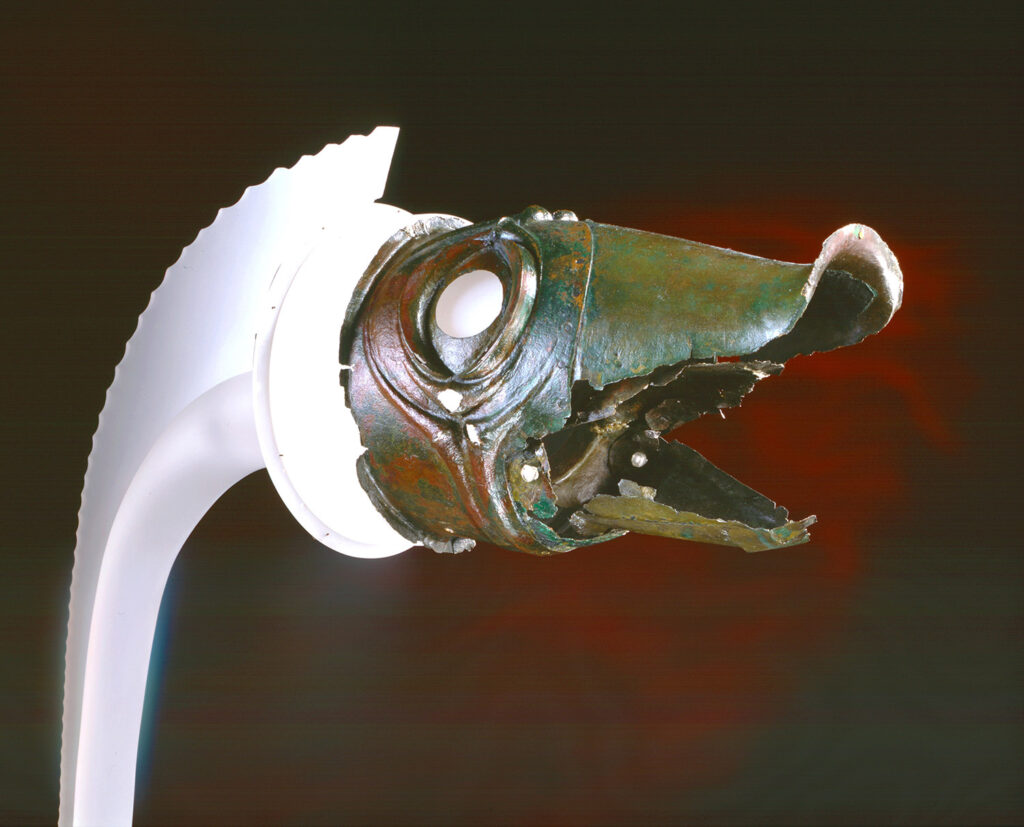
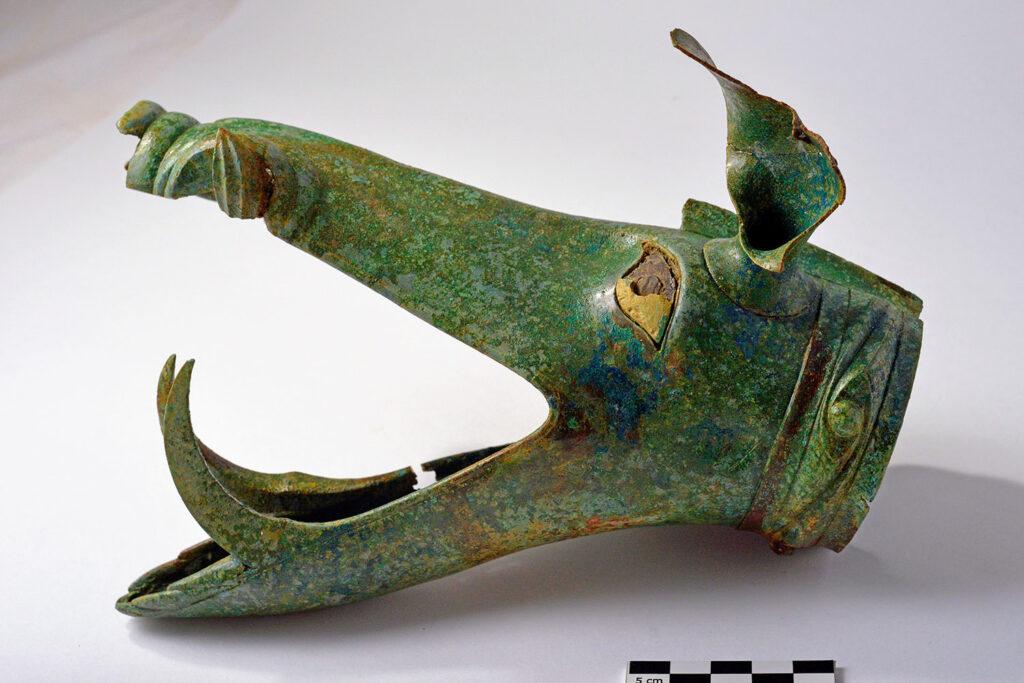
Video: Cry of the Carnyx
Archaeologists have never found an intact ancient carnyx, but several professional horn makers have attempted reconstructions in recent decades. Their work has helped archaeologists understand how a carnyx likely sounded. It could have acted as a megaphone, amplifying battlefield orders—or it may have produced yelps and barks. Players could likely blast eerie, piercing shrieks and squeals from the horn. In this video, musician John Kenny plays two different carnyx reconstructions. To read our full article about music in the ancient world, click here.
Slideshow: Flutes and Rattles
Ancestral Puebloans spoke many languages and lived across a vast swath of the American Southwest. Though many of their musical instruments may have been broadly similar across tribes, people in different regions fashioned them from different materials. To read our full article about music in the ancient world, click here.
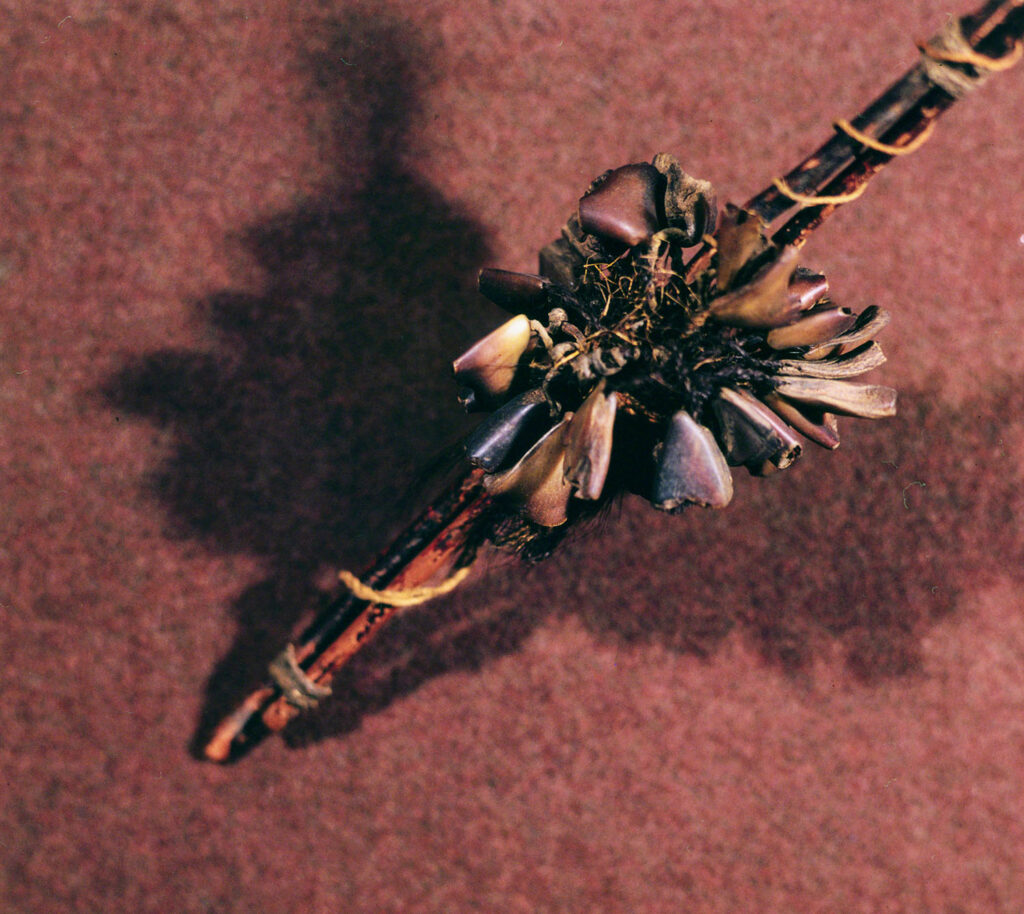
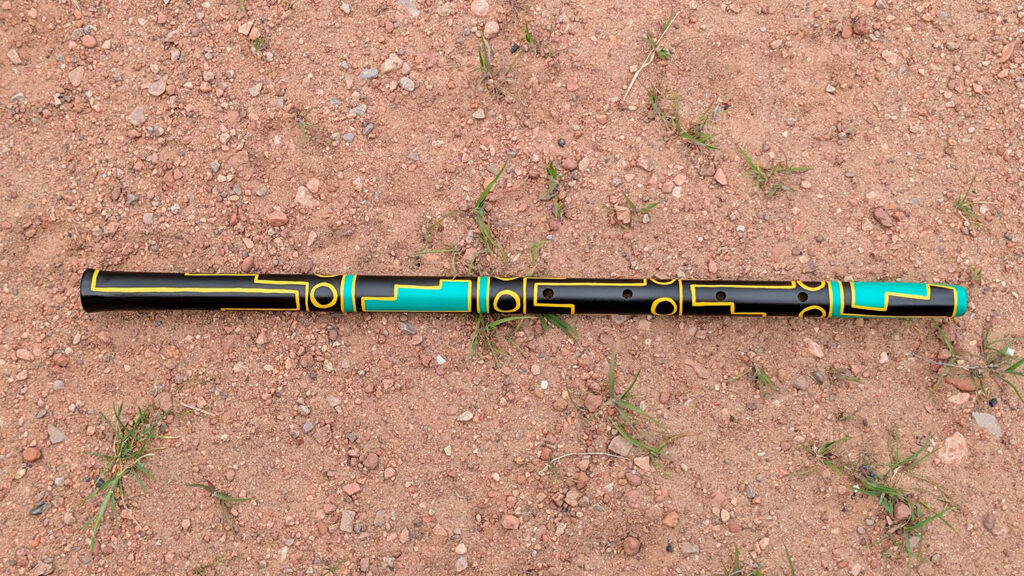
Video: Flute Tunes, All Types
Marlon Magdalena plays a solo concert of traditional and new Puebloan songs for flute, demonstrating the timbre of several different flute styles, including large wooden instruments and a small eagle-bone flute. To read our full article about music in the ancient world, click here.
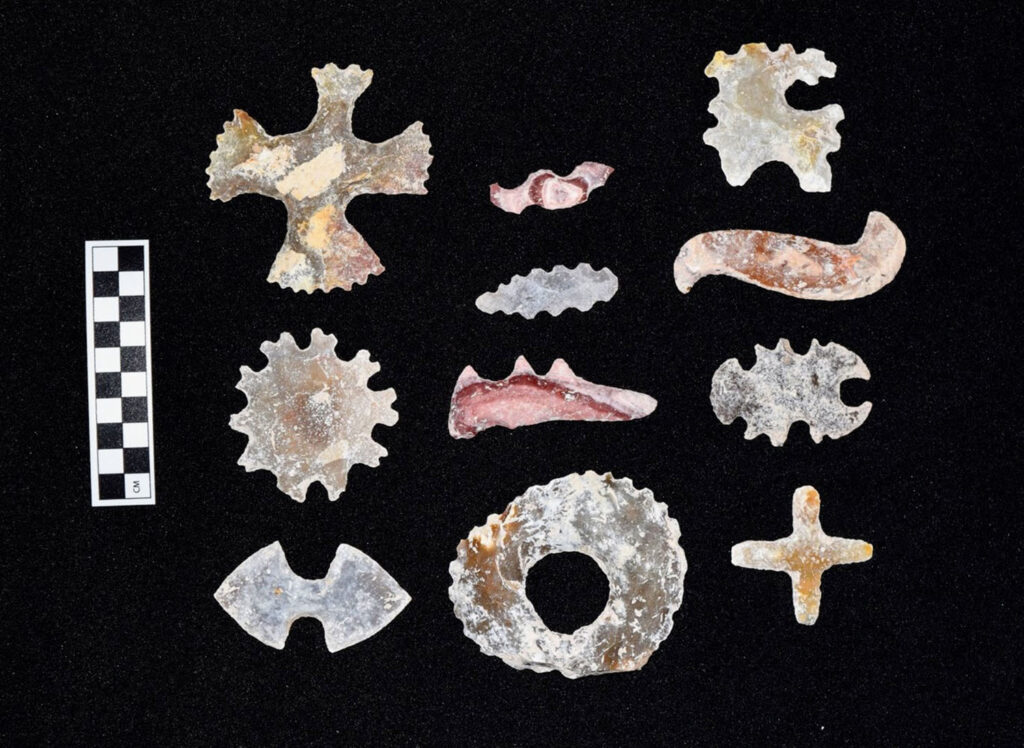
Slideshow: Ancient Maya Art Academy
The skills and beliefs that built and sustained the great culture of the Maya for at least a thousand years were taught to young boys in school, with some pupils developing aptitude in military tactics, others in scribal arts, and a precocious few in the arcana of religion. “That knowledge has to be taught from one generation to the next,” says archaeologist Kathryn Brown of the University of Texas at San Antonio. “It’s the same from the ancient Maya all the way to ritual practitioners today.”
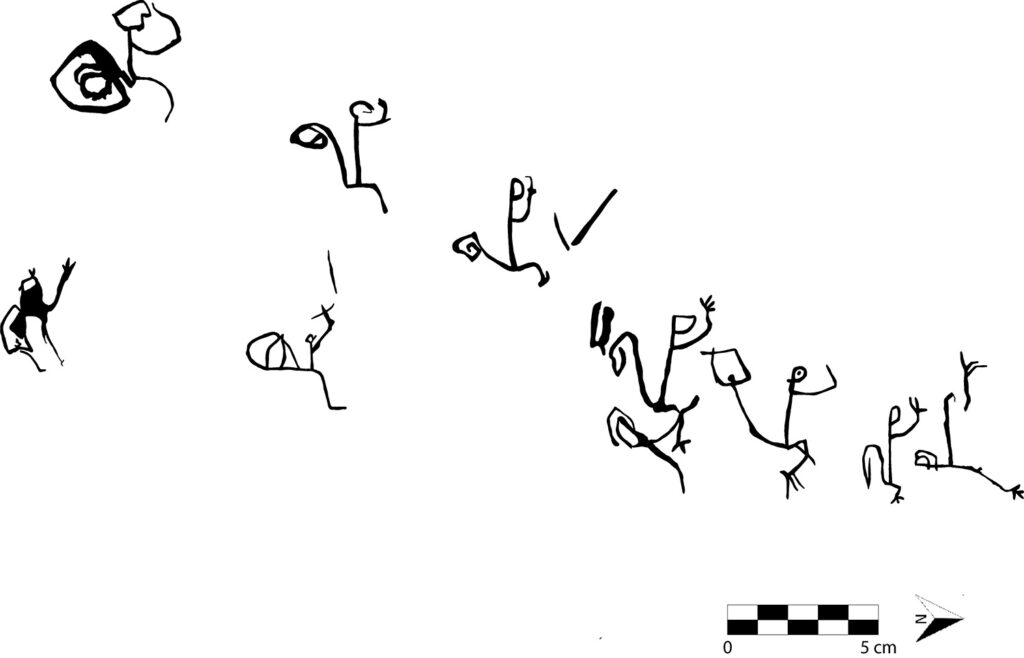
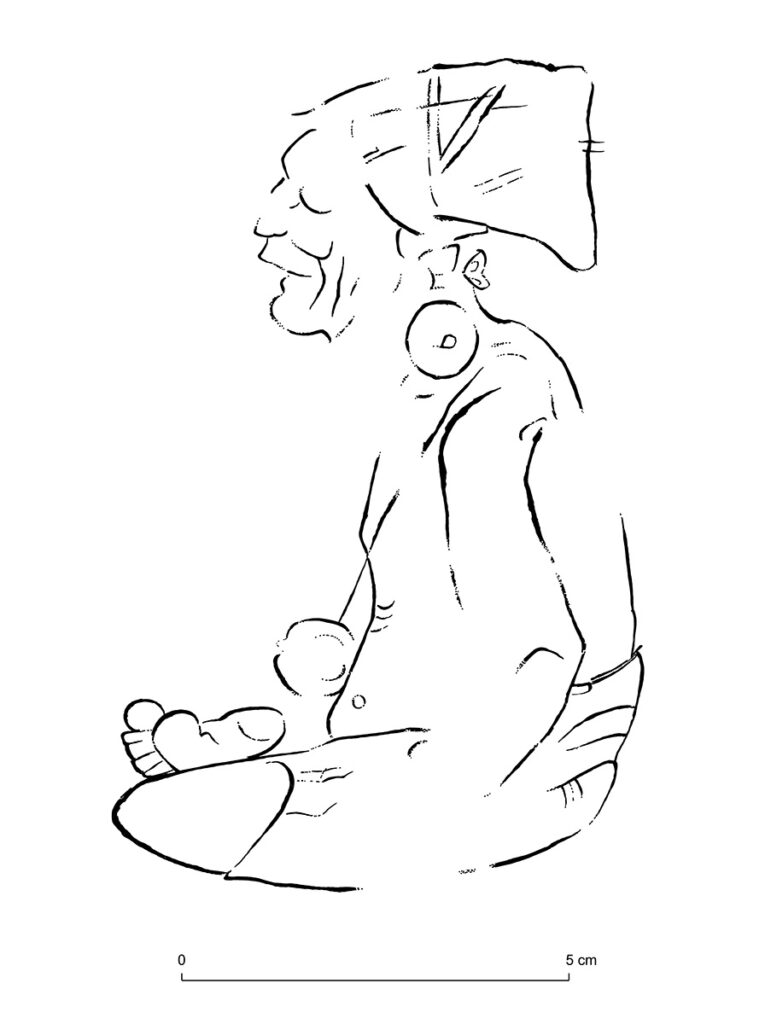
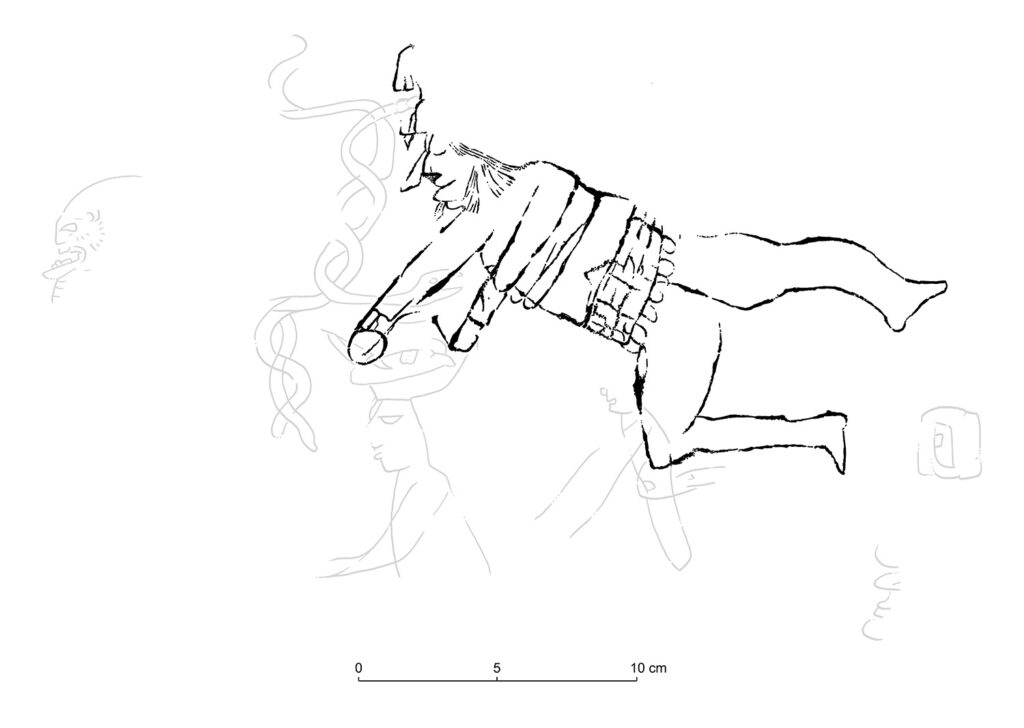
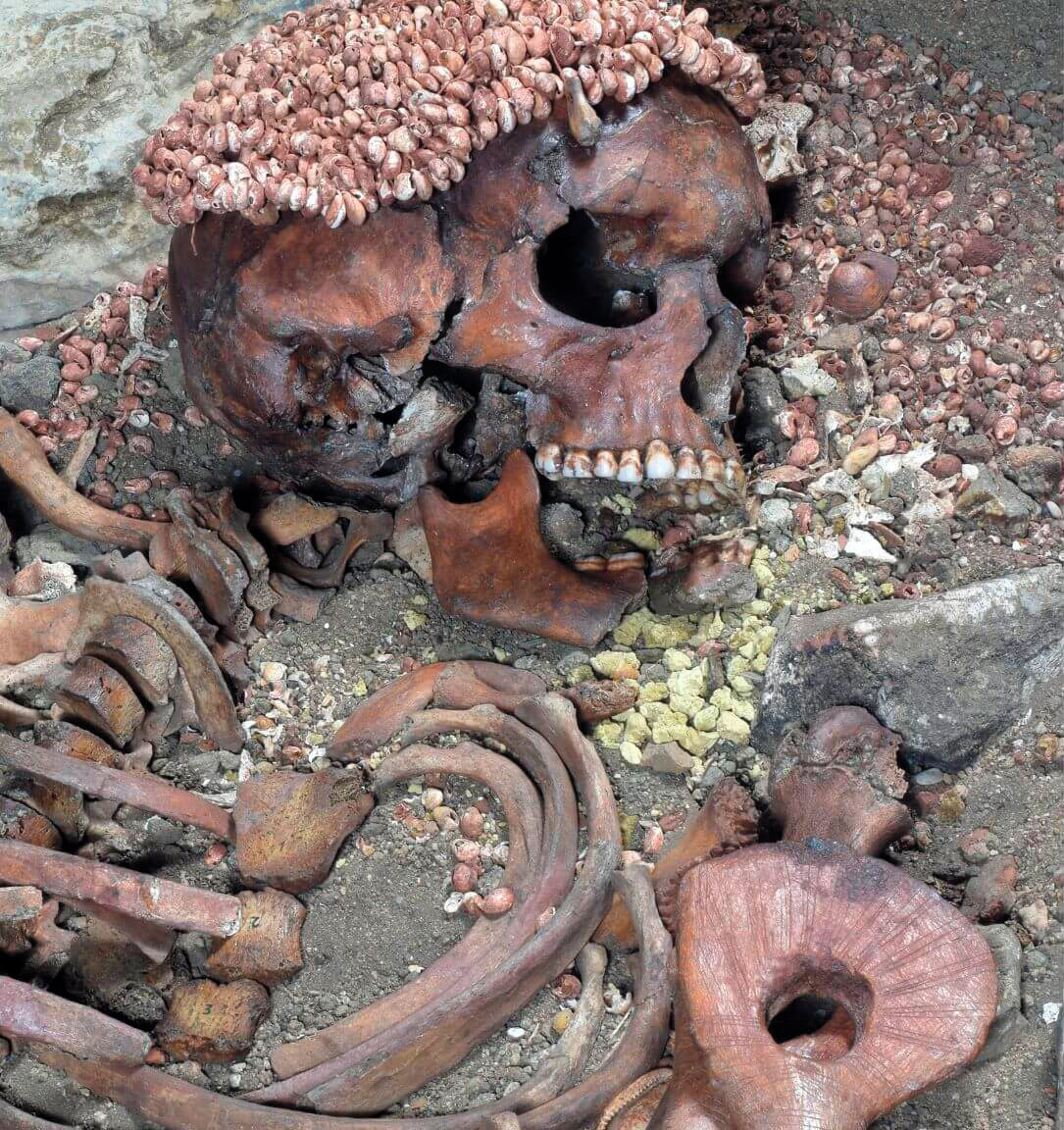
At the site of Xunantunich in Belize, Brown and fellow archaeologists including Jason Yaeger, Lauren Nowakowski, and Whitney Lytle have identified evocative evidence of Maya shamanism and schooling in the late seventh and eighth centuries a.d. At a shrine containing the burial of a likely shaman, archaeologists found adornments and tools the person would have used in life and, perhaps, the afterlife. Nearby, in the city’s center, the next generation was learning to draw at what archaeologists think is a school. In two rooms covered in graffiti, artists of varying skill levels tried their hands at sketching human figures, animals, and glyphs. To read our full article about Xunantunich, click here.