

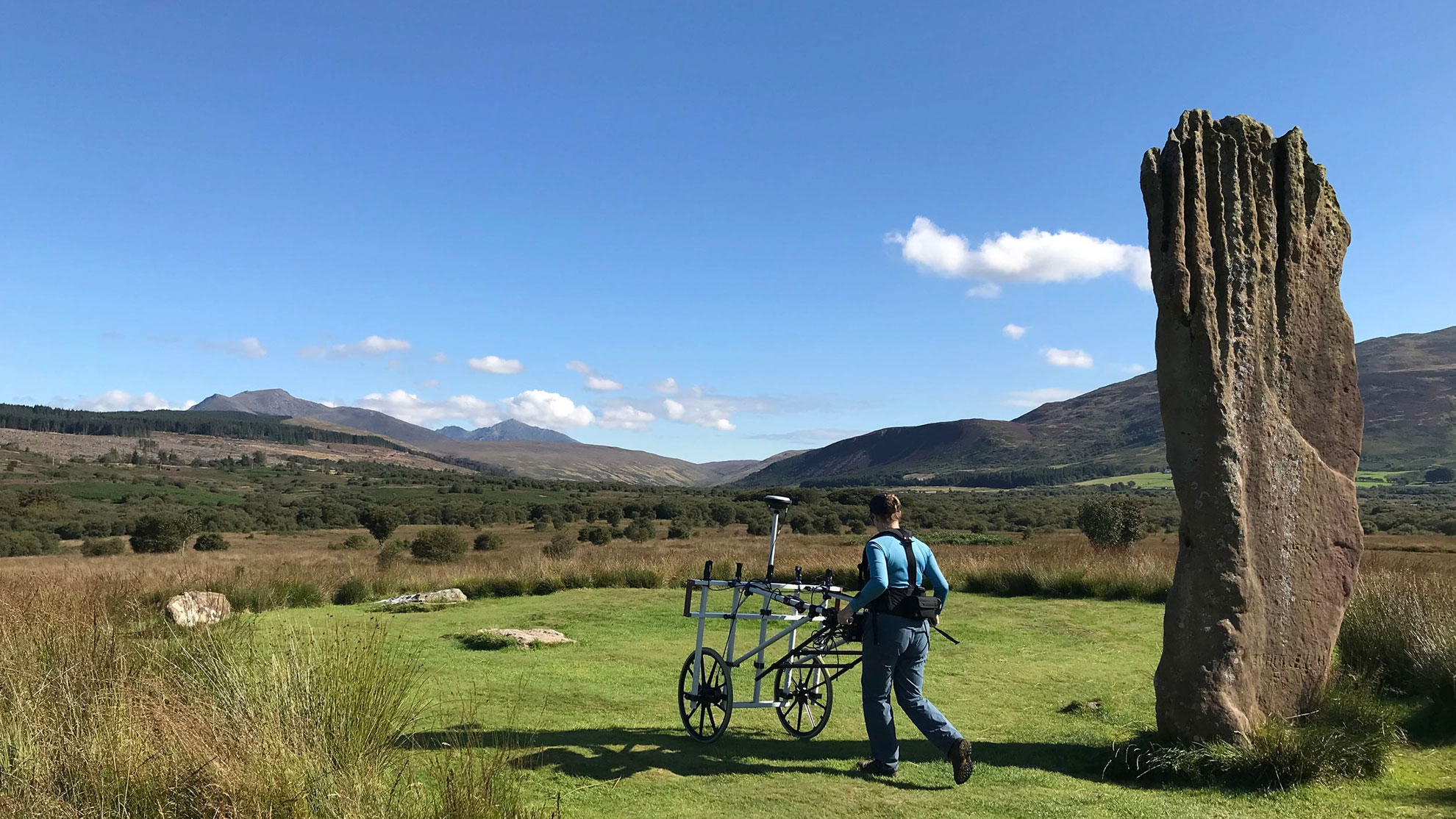
EDINBURGH, SCOTLAND—A geophysical survey of Machrie Moor, which is located on Scotland’s Isle of Arran, has detected a possible prehistoric timber circle, Live Science reports. Researchers were testing their equipment on the peat-covered moor, known for its six ceremonial circles dated to between 3500 and 1500 B.C., when they detected anomalies beneath the surface of the ground. “We know that there is a lot of archaeology yet to uncover at Machrie Moor, but the discovery of a new circle completely surpassed our expectations,” said Nick Hannon of Historic Environment Scotland. The new circle measures about 92 feet across and consists of 12 anomalies, which are thought to be pits or postholes set about 21 feet apart. Two wide gaps in the circle may represent pits that have decayed, Hannon explained. In addition, the team members detected underground anomalies at Machrie Moor Circle 2, now represented with eight stones. These anomalies suggest that this circle many have once had 14 stones. To read about excavations of a ceremonial center on the Scottish archipelago of Orkney, go to "Neolithic Europe's Remote Heart."
Possible Timber Circle Detected on Scotland’s Isle of Arran
News July 7, 2026
Recommended Articles
Digs & Discoveries July/August 2023
Bog Togs
Digs & Discoveries January/February 2023
Storming the Castle
Digs & Discoveries September/October 2022
Pictish Pictograms
Off the Grid July/August 2022
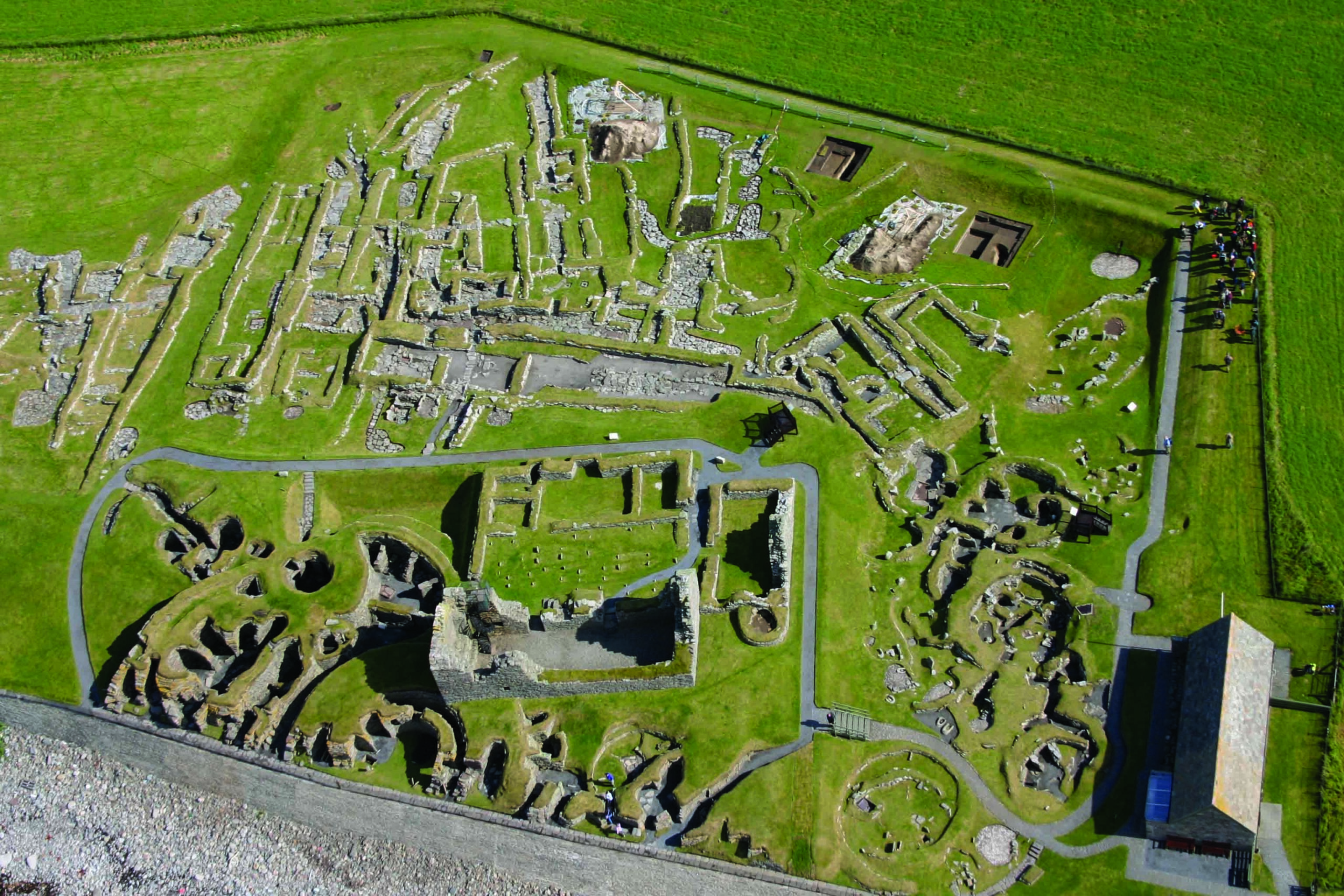
Jarlshof, Shetland, Scotland
More to Discover
Features July/August 2026
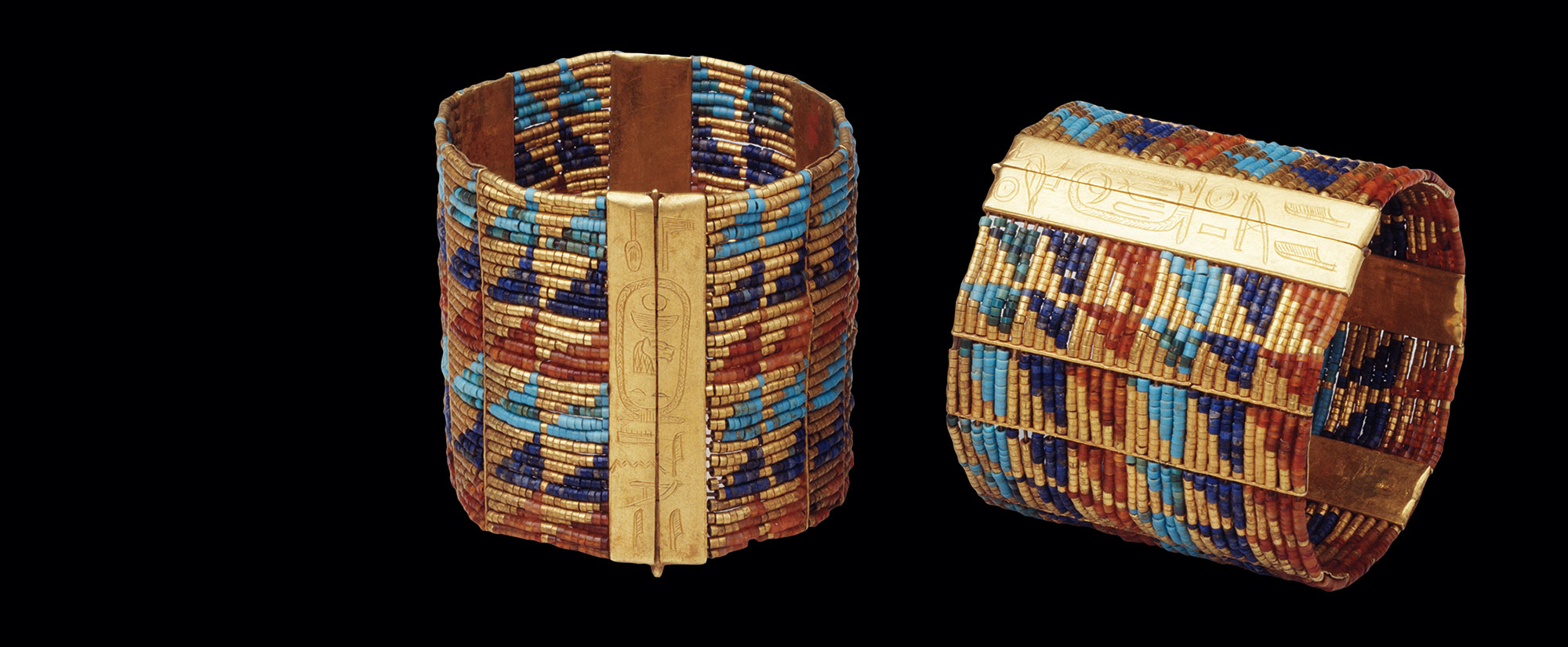
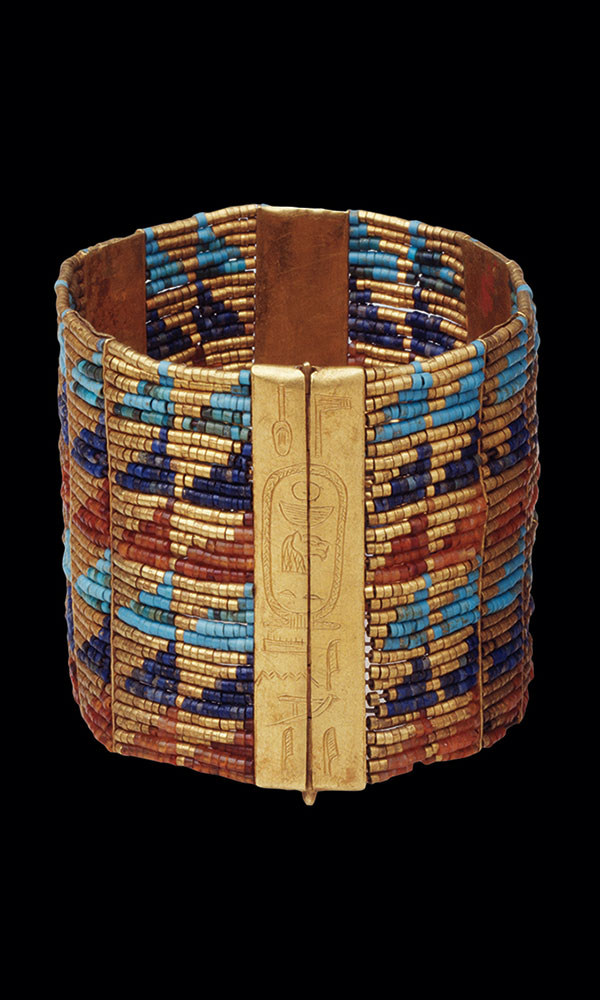
Egypt's First Queen
How a trailblazing ruler pulled her realm back from the brink
-
Features July/August 2026
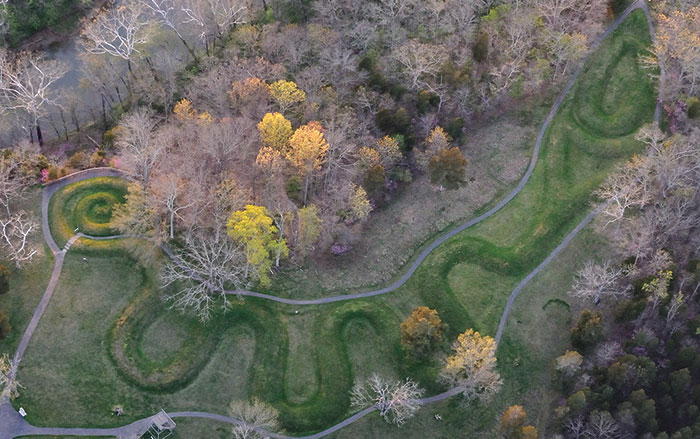
Secrets of the Serpent
Is a Native American origin story embedded in Ohio’s colossal earthwork?
 Timothy E. Black
 -
Features July/August 2026
Slinging Insults
Greek and Roman soldiers fired pointed barbs at their enemies
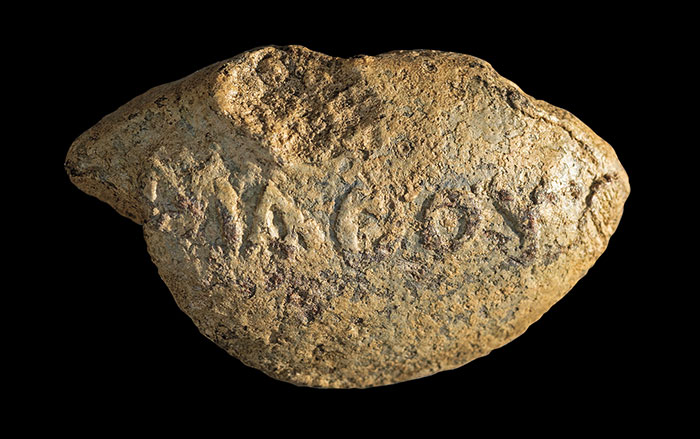 Courtesy Michael Eisenberg
 -
Features July/August 2026
Inside Africa’s Houses of Stone
Archaeologists are rethinking how kings shared power beyond the great capitals of medieval Zimbabwe
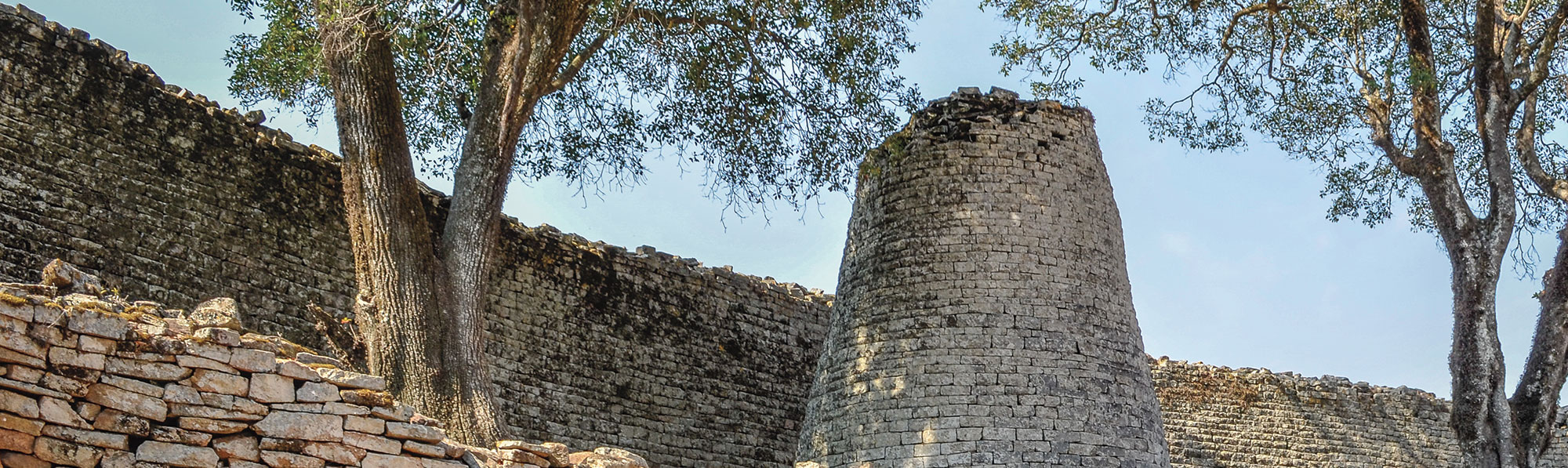 Ad/AdobeStock
 -
Features July/August 2026
Tennis, Anyone?
Discovering the origins of the peculiar racket game that swept sixteenth-century France
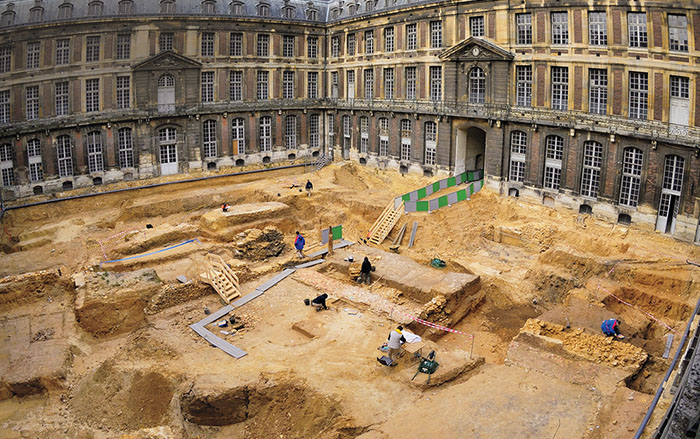 © Denis Gliksman, Inrap