

COLCHESTER, ENGLAND—Phys.org reports that a 100 million-year-old marine reptile fossil was found in a pit, along with the possible remains of a cat; a horse tooth; pottery; and a ligula, a Roman spoon used to retrieve perfumes or medicines from long-necked bottles. The Roman artifacts have been dated to the second century A.D. “In several parts of the English coastline, an isolated, perhaps heavily wave-worn, ichthyosaur vertebra washed out from the base of a cliff is a commonplace find, usually of little bearing,” said Patrick Spencer of the Colchester Archaeological Trust. “In this instance, however, the wholly unexpected context of the vertebra made it entirely exceptional,” he explained. Rock still adhering to the fossil indicates that it came from the east Kent coast, where there was once a Roman quarry. A person working in the quarry may have picked up the fossil out of simple curiosity, Spencer said. Or, “this may have concerned Greco-Roman folklore and mythology, with the vertebra perceived as the tangible remains of a mythological creature or giant,” Spencer surmised. To read about a trilobite fossil uncovered in Roman Spain that may have been fashioned into an amulet, go to "Fossil Force."
Ichthyosaur Fossil Found in Roman Britain Pit
News July 10, 2026
Recommended Articles
Digs & Discoveries November/December 2016
Piltdown’s Lone Forger

Digs & Discoveries November/December 2026
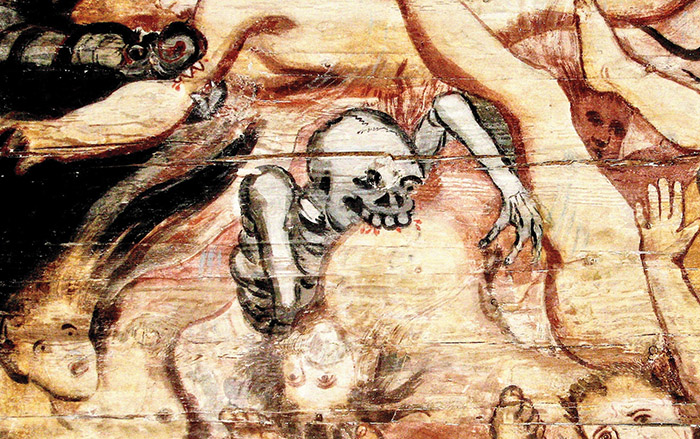
Night of the Dangerous Dead
Mutilated remains in medieval burials show how far vampire hunters were willing to go
Features September/October 2026
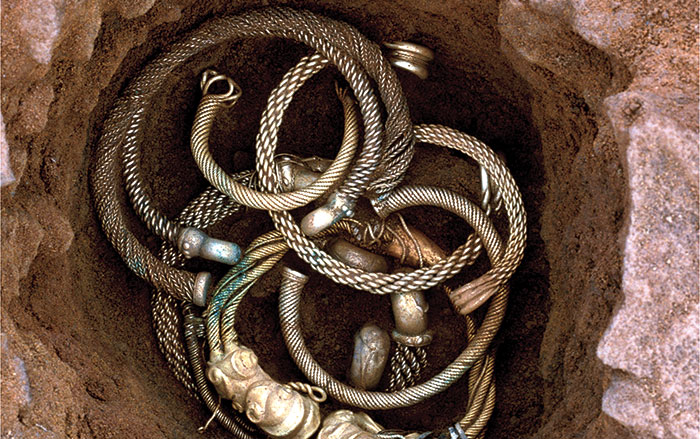
A Change in Fashion
Hoards of lavish gold and silver neck rings buried on an English hill reflect dramatic social change
The Music of Time September/October 2026
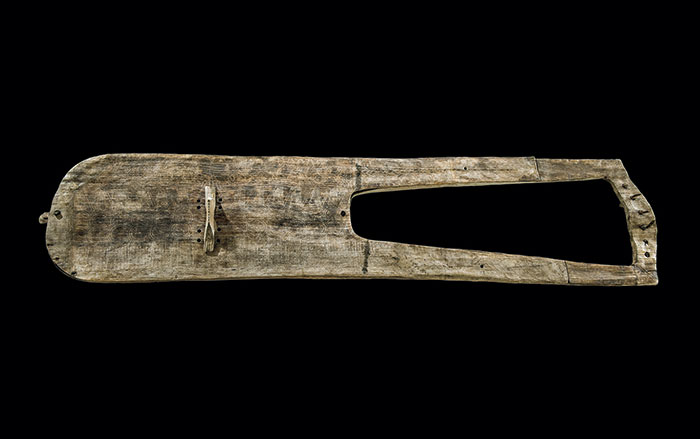
Medieval Warrior Troubadours
More to Discover
Features July/August 2026
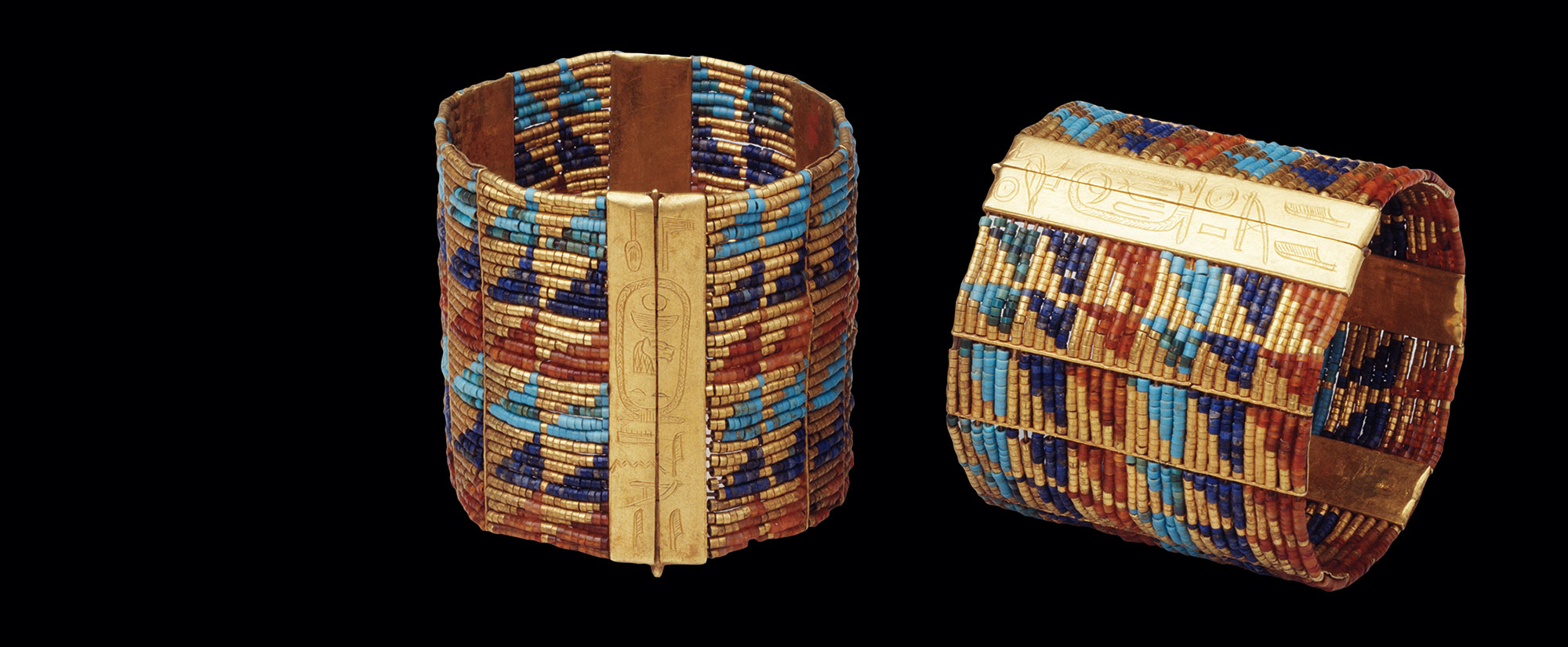
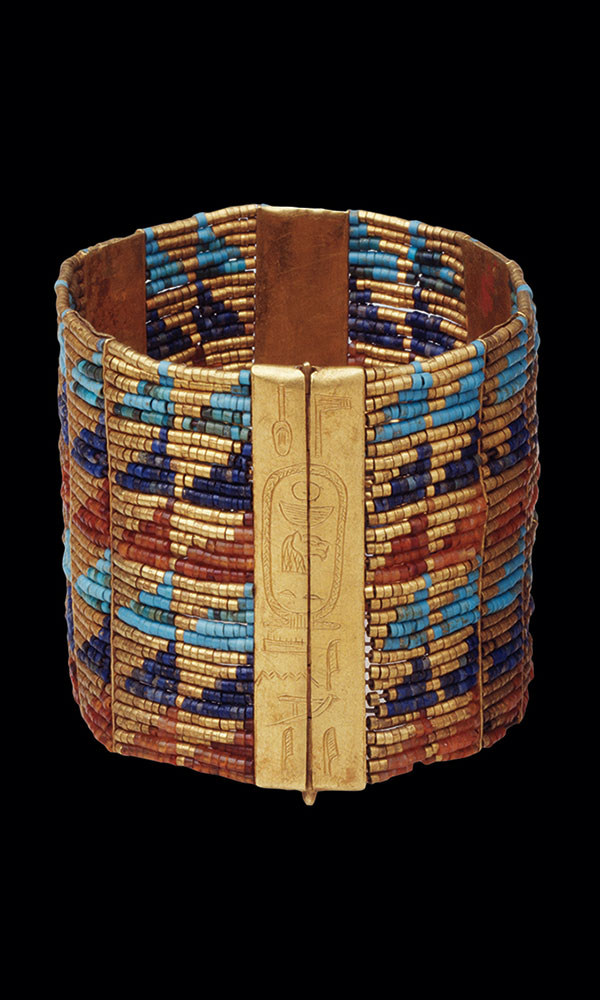
Egypt's First Queen
How a trailblazing ruler pulled her realm back from the brink
-
Features July/August 2026
Secrets of the Serpent
Is a Native American origin story embedded in Ohio’s colossal earthwork?
 Timothy E. Black
 -
Features July/August 2026
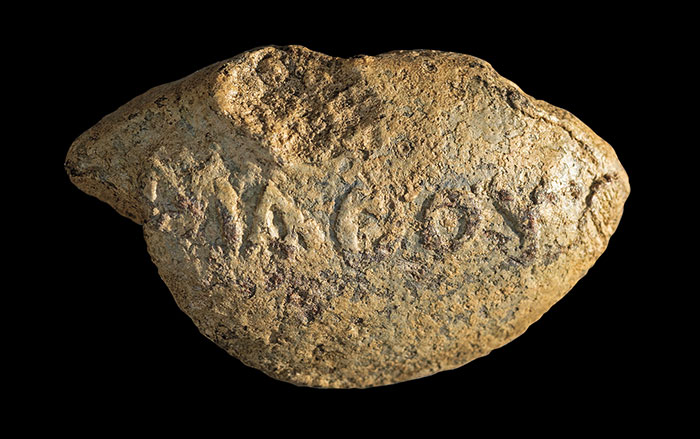
Slinging Insults
Greek and Roman soldiers fired pointed barbs at their enemies
 Courtesy Michael Eisenberg
 -
Features July/August 2026
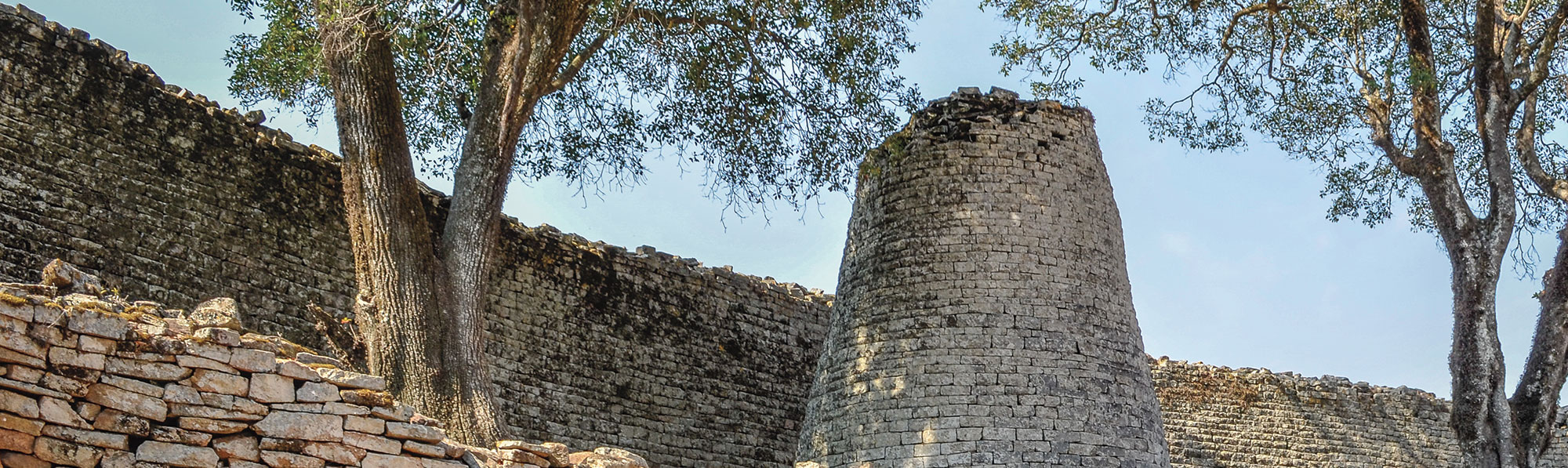
Inside Africa’s Houses of Stone
Archaeologists are rethinking how kings shared power beyond the great capitals of medieval Zimbabwe
 Ad/AdobeStock
 -
Features July/August 2026
Tennis, Anyone?
Discovering the origins of the peculiar racket game that swept sixteenth-century France
 © Denis Gliksman, Inrap