

NOVGOROD, RUSSIA—According to a Live Science report, a piece of a large wild boar's tusk adorned with an engraved metal cap has been uncovered in northwestern Russia, in an area of the city of Veliky Novgorod that was inhabited by wealthy individuals during the medieval period. The tusk has been dated to the mid-twelfth to early thirteenth century, and is thought to have been a hunting trophy carried by a warrior or noble as a good luck charm. “It’s extraordinary because of its size. It’s extremely big,” said Natalia Eniosova of Lomonosov Moscow State University. The surviving section of the tusk measures almost four inches long and more than one inch across. Eniosova and her colleagues estimate that the tusk came from a boar that weighed more than 220 pounds. Analysis revealed that the cap was made of a tin-lead alloy. Eniosova explained that this soft material was rare at the time and would have been difficult to engrave. The missing part of the tusk may have been drilled with a hole so that it could be worn, she concluded. To read about a birchbark letter recovered near the Kremlin in Moscow, go to "Medieval Russian Memo."
Wild Boar Tusk May Have Been Medieval Talisman
News July 21, 2026
Recommended Articles
Digs & Discoveries January/February 2022
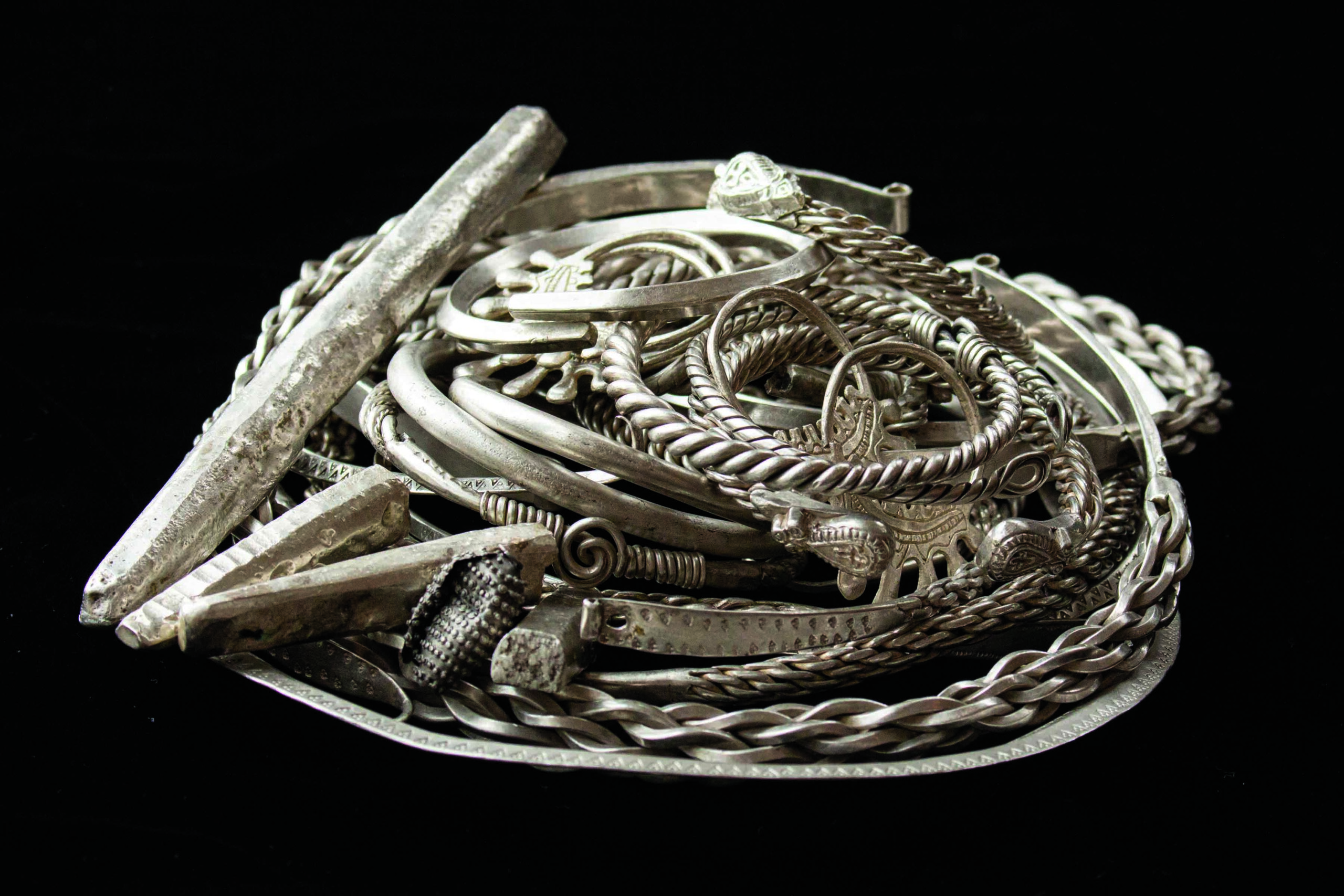
Russian River Silver
Digs & Discoveries September/October 2026
Gyrfalcons Over Baghdad
Dozens of birds gifted to medieval Abbasid caliphs were likely imported from Iceland

Digs & Discoveries March/April 2026
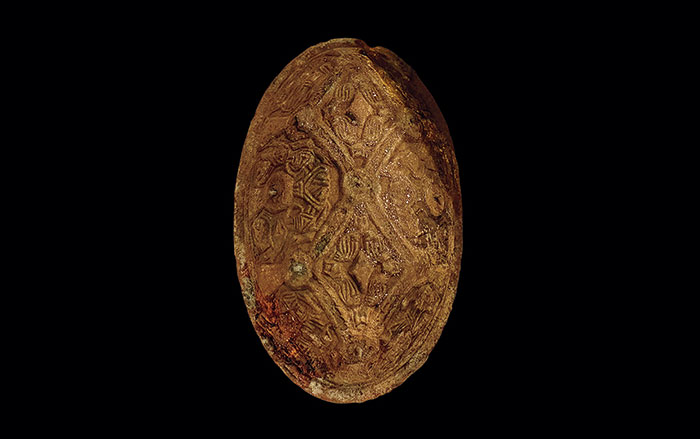
Viking Mollusk Mask
Digs & Discoveries September/October 2025
Good Night, Sweet Prince
More to Discover
Features July/August 2026
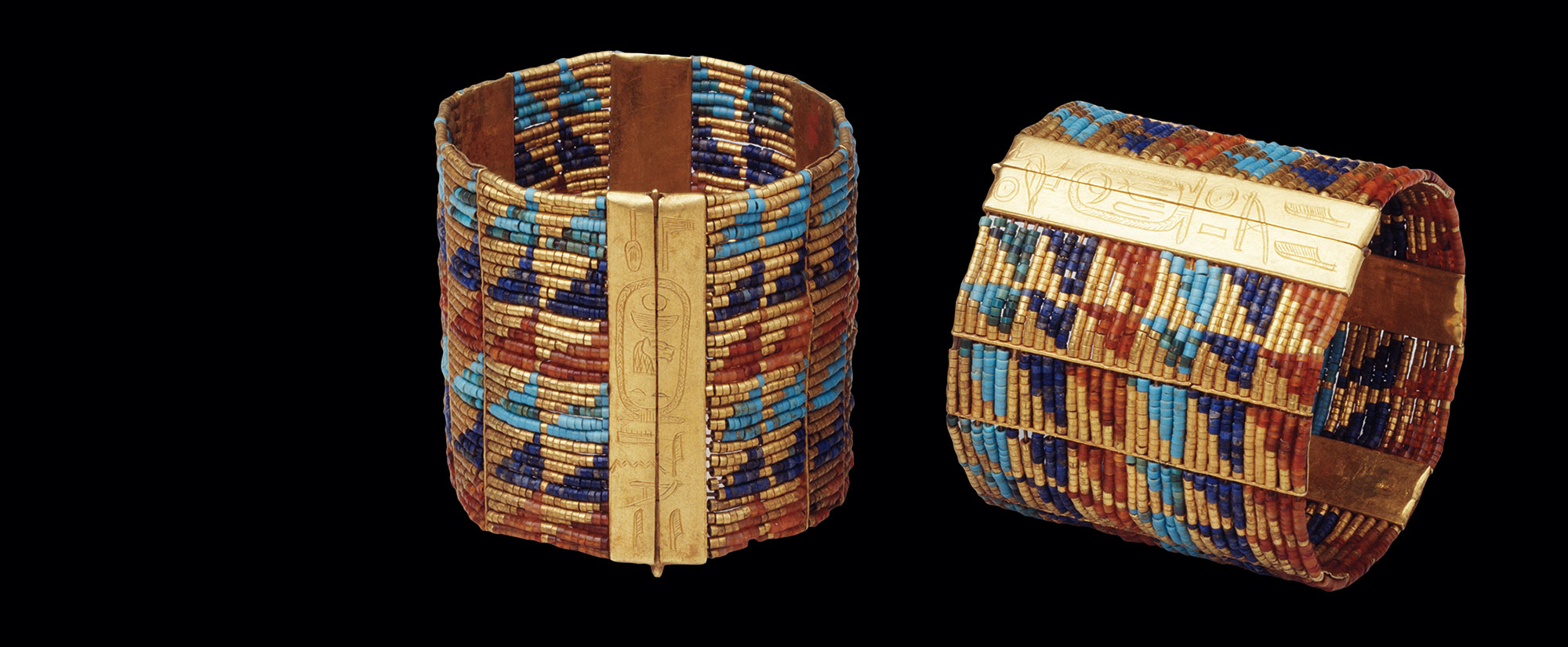
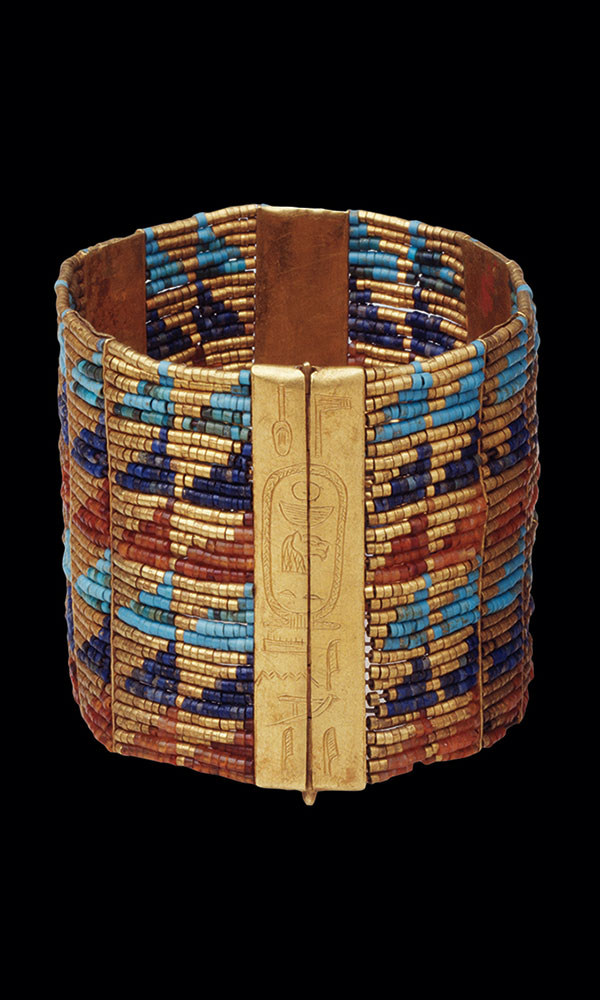
Egypt's First Queen
How a trailblazing ruler pulled her realm back from the brink
-
Features July/August 2026
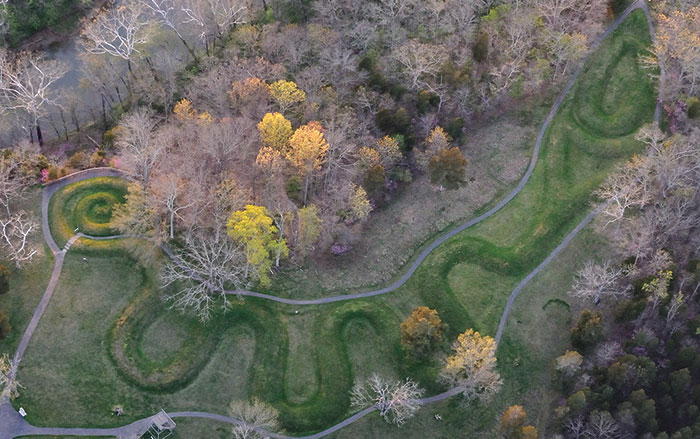
Secrets of the Serpent
Is a Native American origin story embedded in Ohio’s colossal earthwork?
 Timothy E. Black
 -
Features July/August 2026
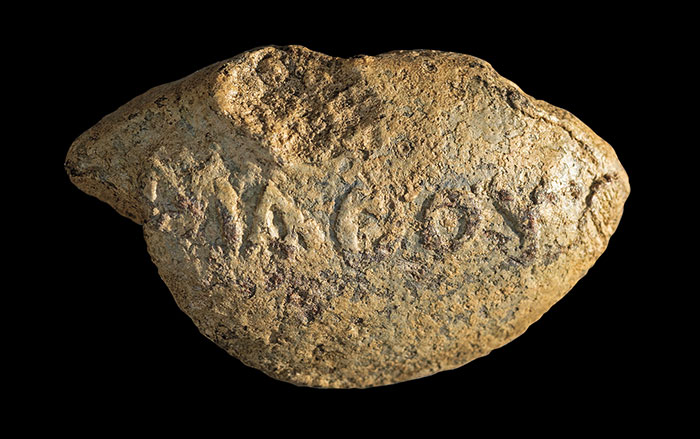
Slinging Insults
Greek and Roman soldiers fired pointed barbs at their enemies
 Courtesy Michael Eisenberg
 -
Features July/August 2026
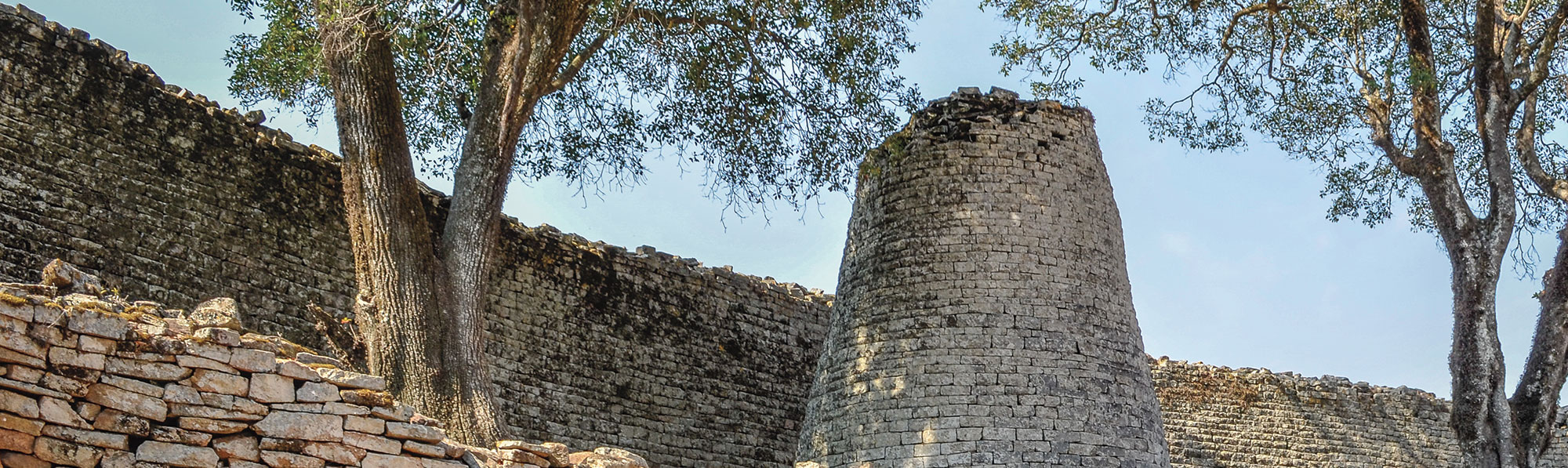
Inside Africa’s Houses of Stone
Archaeologists are rethinking how kings shared power beyond the great capitals of medieval Zimbabwe
 Ad/AdobeStock
 -
Features July/August 2026
Tennis, Anyone?
Discovering the origins of the peculiar racket game that swept sixteenth-century France
 © Denis Gliksman, Inrap