

PRAGUE, CZECH REPUBLIC—Science in Poland reports that Michał Misiak of the University of Wrocław and Petr Tureček of Charles University developed a mathematical model to evaluate the use of cannibalism in different societies. The practice is known to have been imbued with symbolic significance in ritual contexts, and to have been used in times of extreme famine as a survival strategy. “We looked at the human body as a potential food source, analyzing both the energy gains and the hidden costs,” Misiak said. “From a caloric perspective, a human proves to be an average meal, especially considering the difficulty of obtaining one,” he added. Problems include the risk of infection from consuming pathogens, and how the risk of disease rises when one cannibal consumes another. Cooking can reduce the load of bacteria and viruses, Misiak explained, but not the heat-resistant proteins known as prions, which can cause fatal neurological diseases. Cannibalism, the researchers determined, is only viable when hunger is extreme and there is a low cost in obtaining humans as food. When the practice becomes more common, the disease risks outweigh the nutritional benefits, leading to population collapse. This may have led to cannibalism becoming a taboo in many societies, the researchers suggest. “Taboos act as an evolutionary safety fuse,” Misiak said. “Our results suggest that this a biologically justified response to the growing risk of epidemics. Societies that did not restrict cannibalism simply did not survive,” he explained. To read about evidence among Neanderthals unearthed at a site in Belgium, go to "What Happened in Goyet Cave?"
Mathematical Model Evaluates Risks of Cannibalism
News July 22, 2026
Recommended Articles
Features March/April 2026
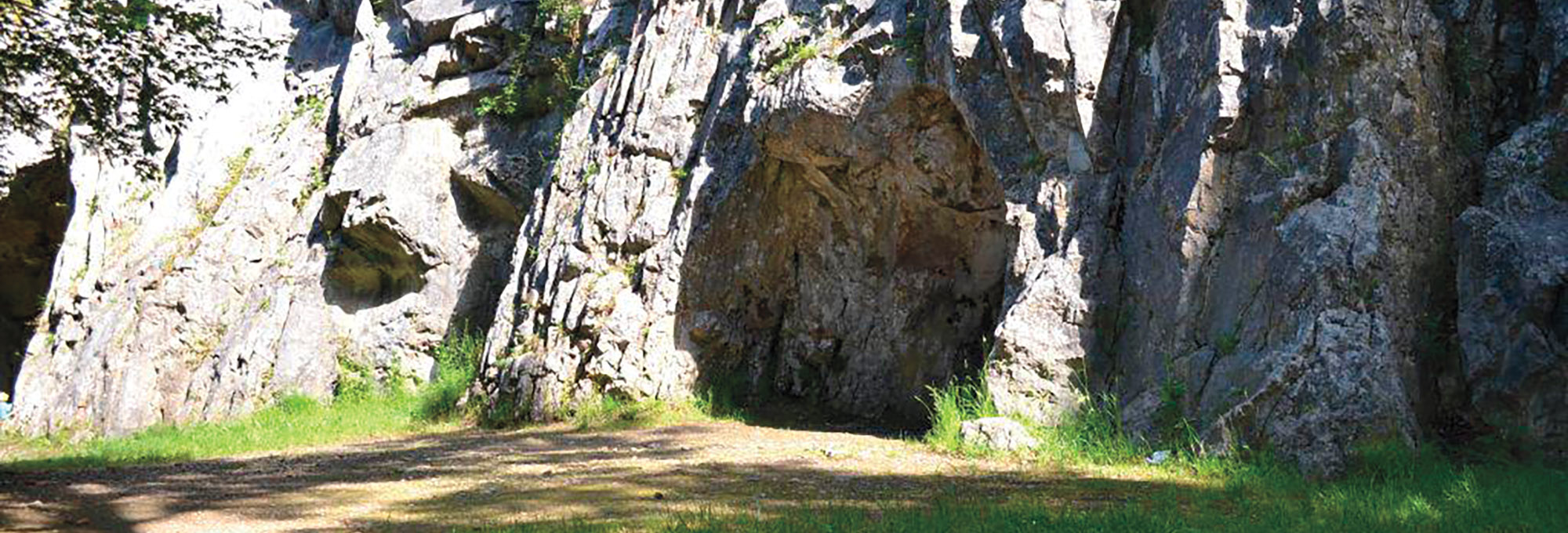
What Happened in Goyet Cave?
New analysis of Neanderthal remains reveals surprisingly grim secrets
Digs & Discoveries March/April 2025
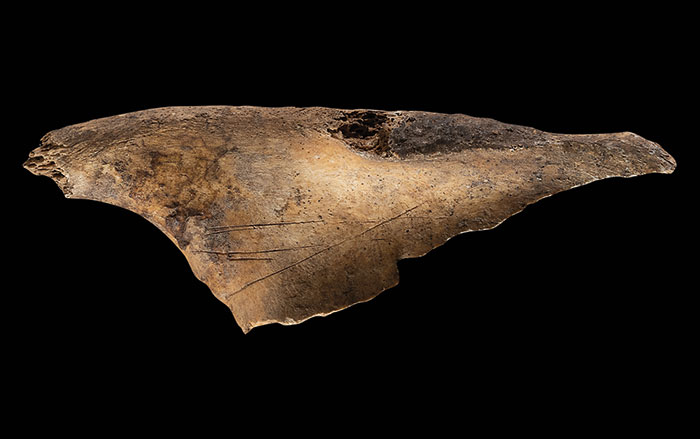
Ancient British Massacre
Top 10 Discoveries of 2024 January/February 2025
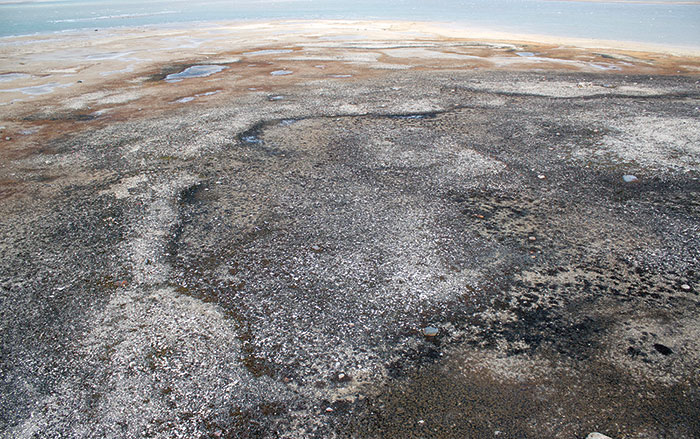
Grim Evidence from the Arctic
King William Island, Canada
More to Discover
Features July/August 2026
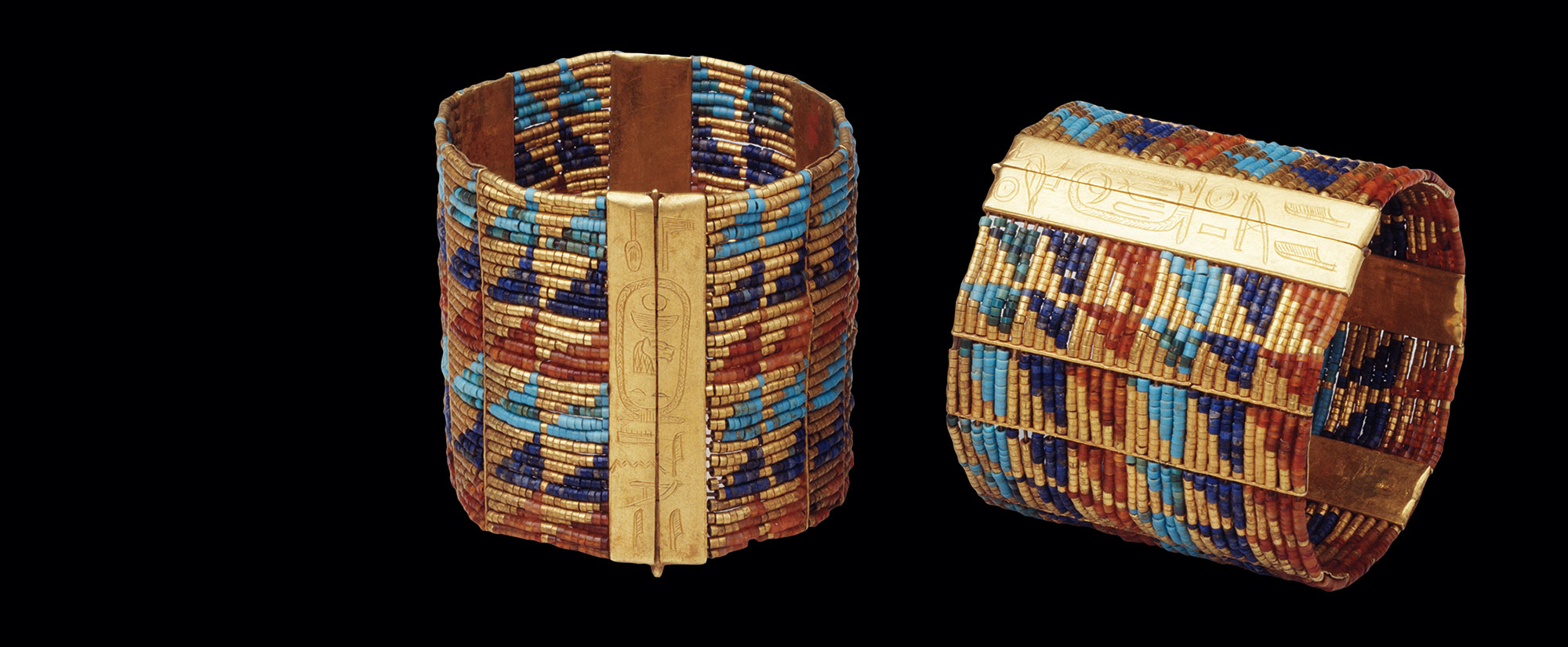
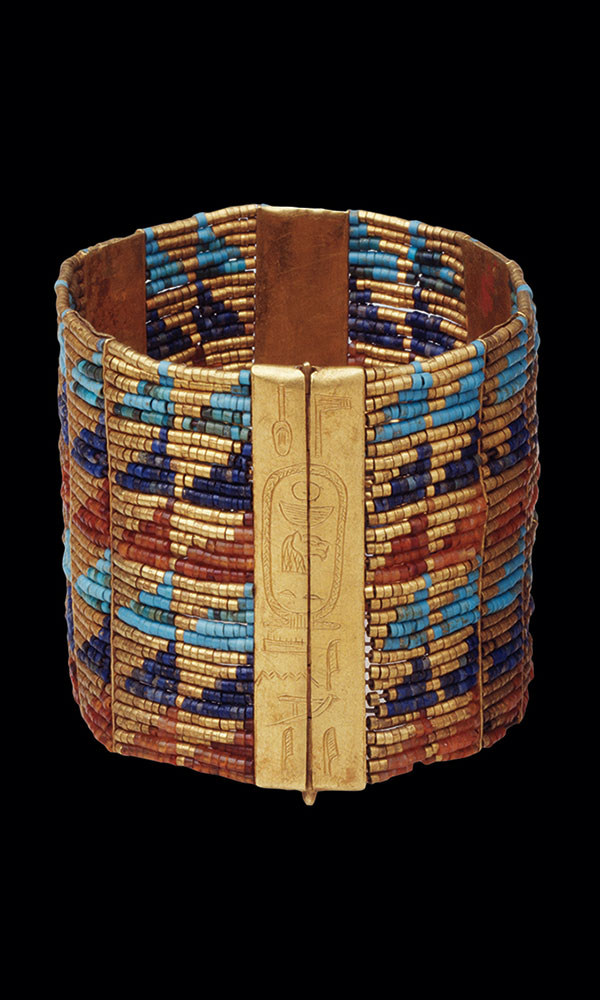
Egypt's First Queen
How a trailblazing ruler pulled her realm back from the brink
-
Features July/August 2026
Secrets of the Serpent
Is a Native American origin story embedded in Ohio’s colossal earthwork?
 Timothy E. Black
 -
Features July/August 2026
Slinging Insults
Greek and Roman soldiers fired pointed barbs at their enemies
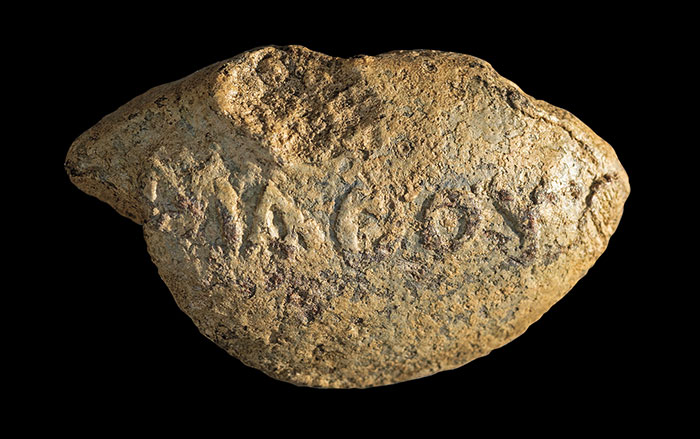 Courtesy Michael Eisenberg
 -
Features July/August 2026
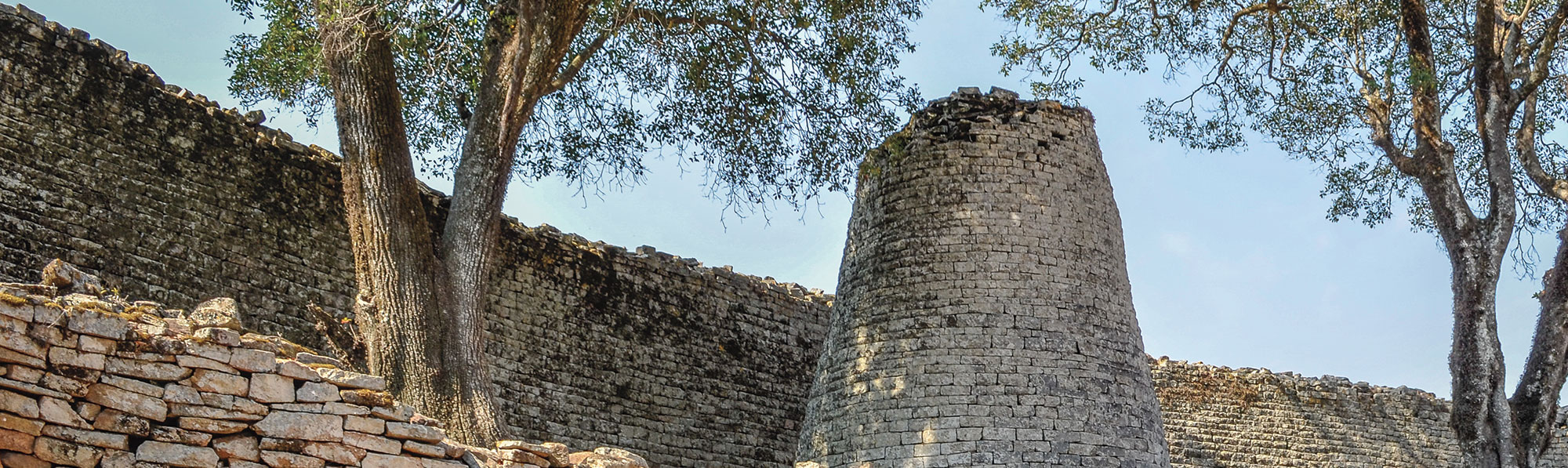
Inside Africa’s Houses of Stone
Archaeologists are rethinking how kings shared power beyond the great capitals of medieval Zimbabwe
 Ad/AdobeStock
 -
Features July/August 2026
Tennis, Anyone?
Discovering the origins of the peculiar racket game that swept sixteenth-century France
 © Denis Gliksman, Inrap