

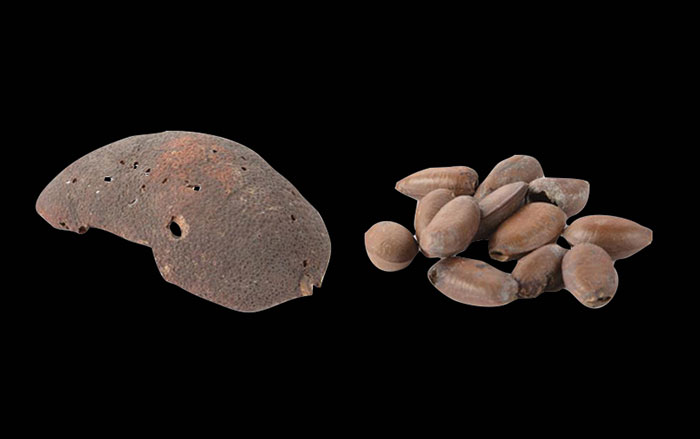
WINDMILL WAY, AUSTRALIA—A dozen wallaby teeth, each bearing a ball of glue-like resin, were discovered in a rock shelter in northeastern Australia, according to a Phys.org report. Ornaments made with teeth are usually found in burials in southeastern Australia, however. Using clues provided by Elders and Rangers from the local Laura community, researchers including Lynley Wallis and Carney Matheson of Griffith University analyzed the 1,000-year-old resins with infrared light and mass spectrometry. They determined that each of the teeth had been mounted on resin gum from grass trees, which grow on the slopes of the rock shelter. One of the teeth also had traces of gum from ironwoods that grow near waterways. Plant fibers and animal hide in the resin suggest that the teeth could have been part of a headband or necklace, making it the first of its kind to be identified in the region, the researchers concluded. Read the original scholarly article about this research in Australian Archaeology. To read about a 1,000-year-old burial of a canine in southeastern Australia, go to "Dearly Beloved Dingo."
Resins on Wallaby Teeth Studied
News September 2, 2026
Recommended Articles
Digs & Discoveries September/October 2026
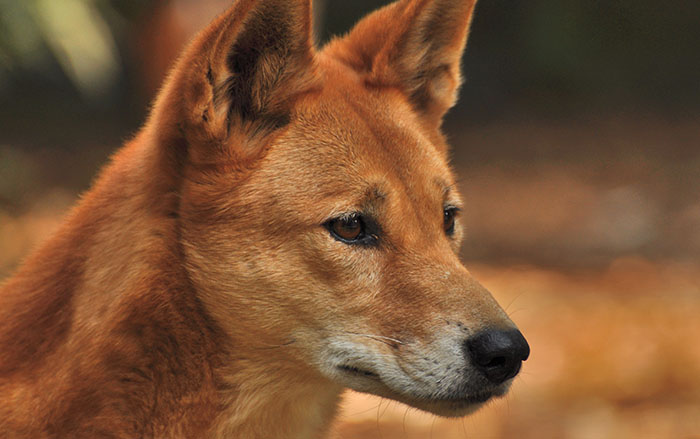
Dearly Beloved Dingo
Digs & Discoveries July/August 2026
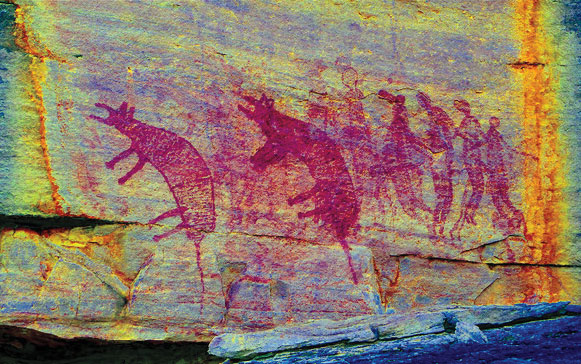
Aboriginal Animal Spotters
Digs & Discoveries July/August 2025
Ancestral Rings
More to Discover
-
Features September/October 2026
A Change in Fashion
Hoards of lavish gold and silver neck rings buried on an English hill reflect dramatic social change
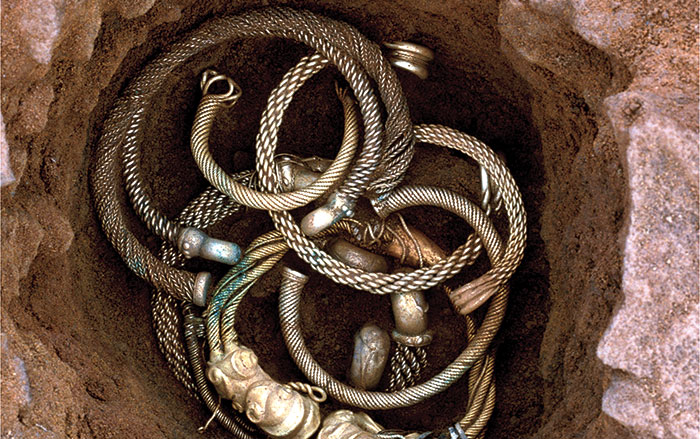 Photo © 2026 The Trustees of the British Museum
 -
Features September/October 2026
Cultivating Fields of Stone
Peru’s ancient farmers used intricate rock maps to plan for the future
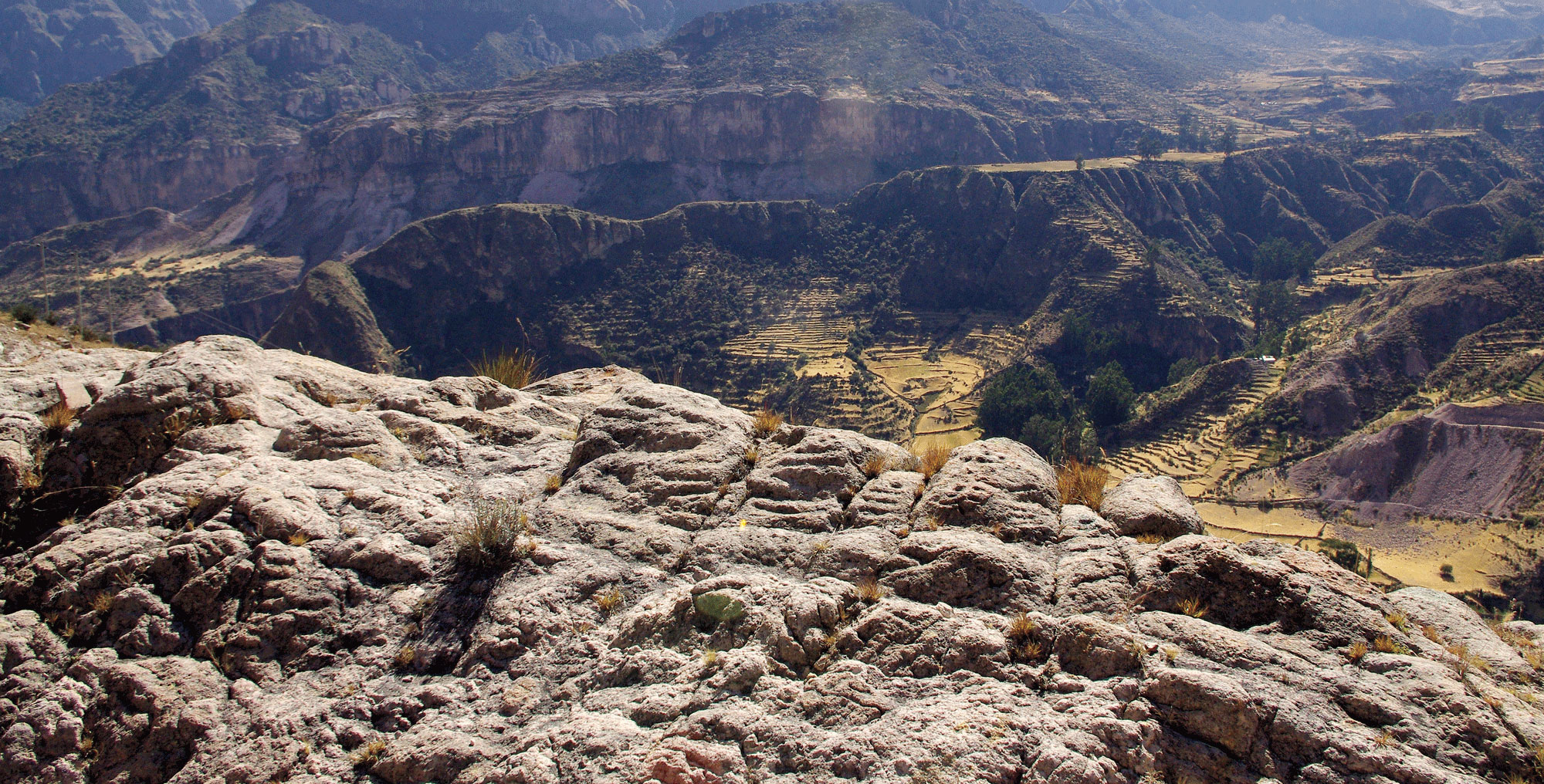 Courtesy Patricia Aparicio Martínez
 -
Features September/October 2026
Where Was Ancient Egypt Born?
Archaeologists are reimagining a time before the first pharaohs
 Courtesy Robert Słaboński/Tell el-Farkha Expedition
 -
Features September/October 2026
2,000 Years Under the Sea
The story of Greece’s famed Antikythera wreck is finally being revealed
 © ESAG/UNIGE