

BEIJING, CHINA—Phys.org reports that a new analysis of a skull fragment and jaw fragment found in northern China’s Xujiayao archaeological site in the 1970s suggests that the fossils belonged to Denisovans. Qiaomei Fu of the Chinese Academy of Sciences and her colleagues identified 18 proteins in the fossils. One of the collagen variants is found only in Denisovans, and not in Neanderthals nor modern humans. Then the researchers evaluated the shapes of the fossils and used 3D computer models to reconstruct the bones. These images were compared with fossils from Neanderthals, modern humans, and other hominins. The study suggests that Denisovans traits combined the features of ancestral hominins, Neanderthals, and other later human species. In particular, Denisovans are thought to have had low, relatively flat skulls with thick bones, prominent brow ridges, and flattened facial features. They are likely to have lived across East Asia, so other fossils from the region may belong to this Denisovan lineage, the researchers concluded. Read the original scholarly article about this research in Nature. For more, go to “Denisovan DNA.”
Denisovan Fossils Identified
News October 27, 2026
Recommended Articles
Features November/December 2026
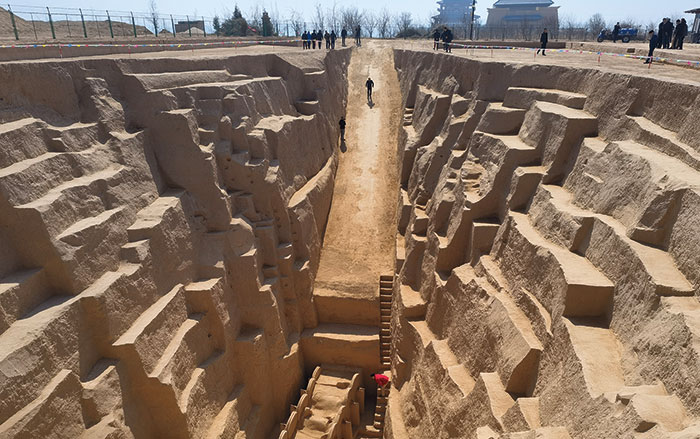
Unearthing the Outlanders
New discoveries challenge ancient prophecies about the peoples living on China’s borders three millennia ago
Digs & Discoveries July/August 2026
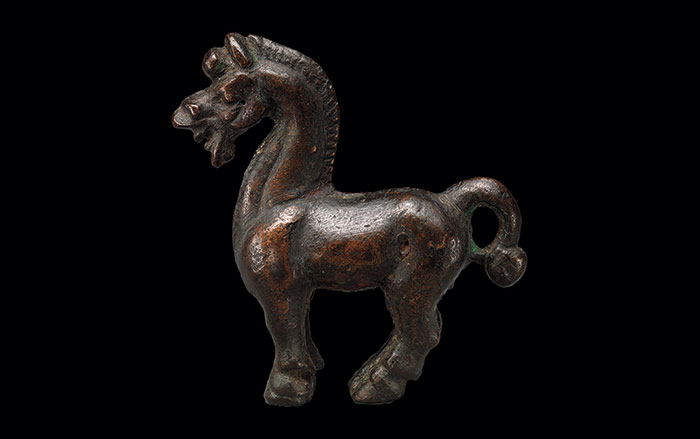
Ancient China’s “Pony Express”
Han Dynasty postal horses had hard lives but evocative names—meet Wandering Hawk, Podgy and Lumpy, and Mr. Red Horse
Digs & Discoveries July/August 2026
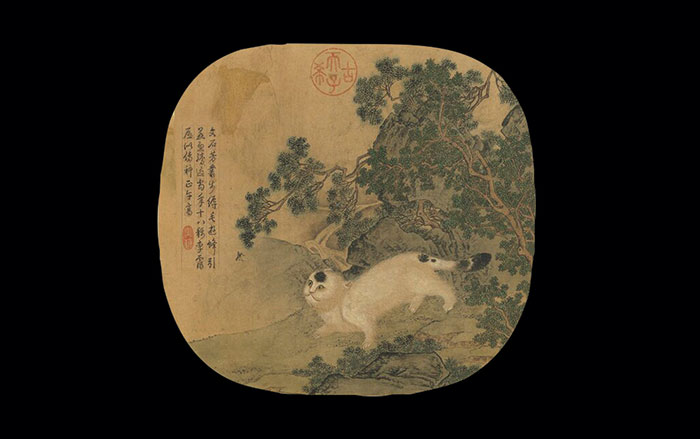
Cat Trails
Features May/June 2026
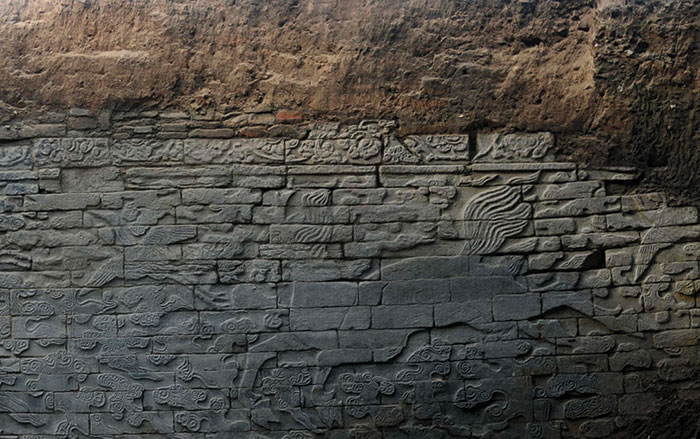
Bridge to the Past
The Yellow River brought both prosperity and calamity to China’s dazzling medieval capital
More to Discover
-
Features September/October 2026
A Change in Fashion
Hoards of lavish gold and silver neck rings buried on an English hill reflect dramatic social change
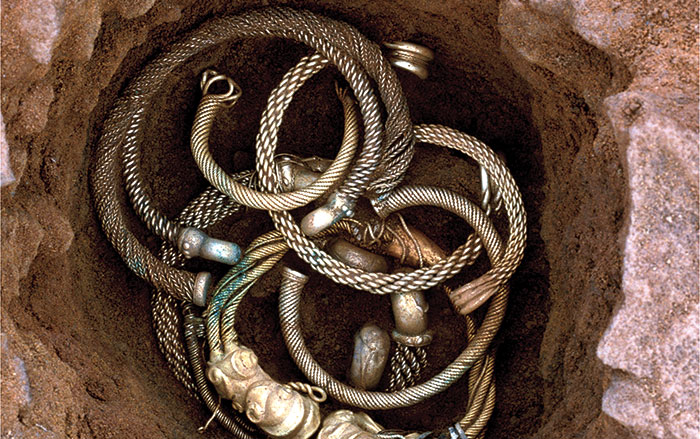 Photo © 2026 The Trustees of the British Museum
-
Features September/October 2026
Cultivating Fields of Stone
Peru’s ancient farmers used intricate rock maps to plan for the future
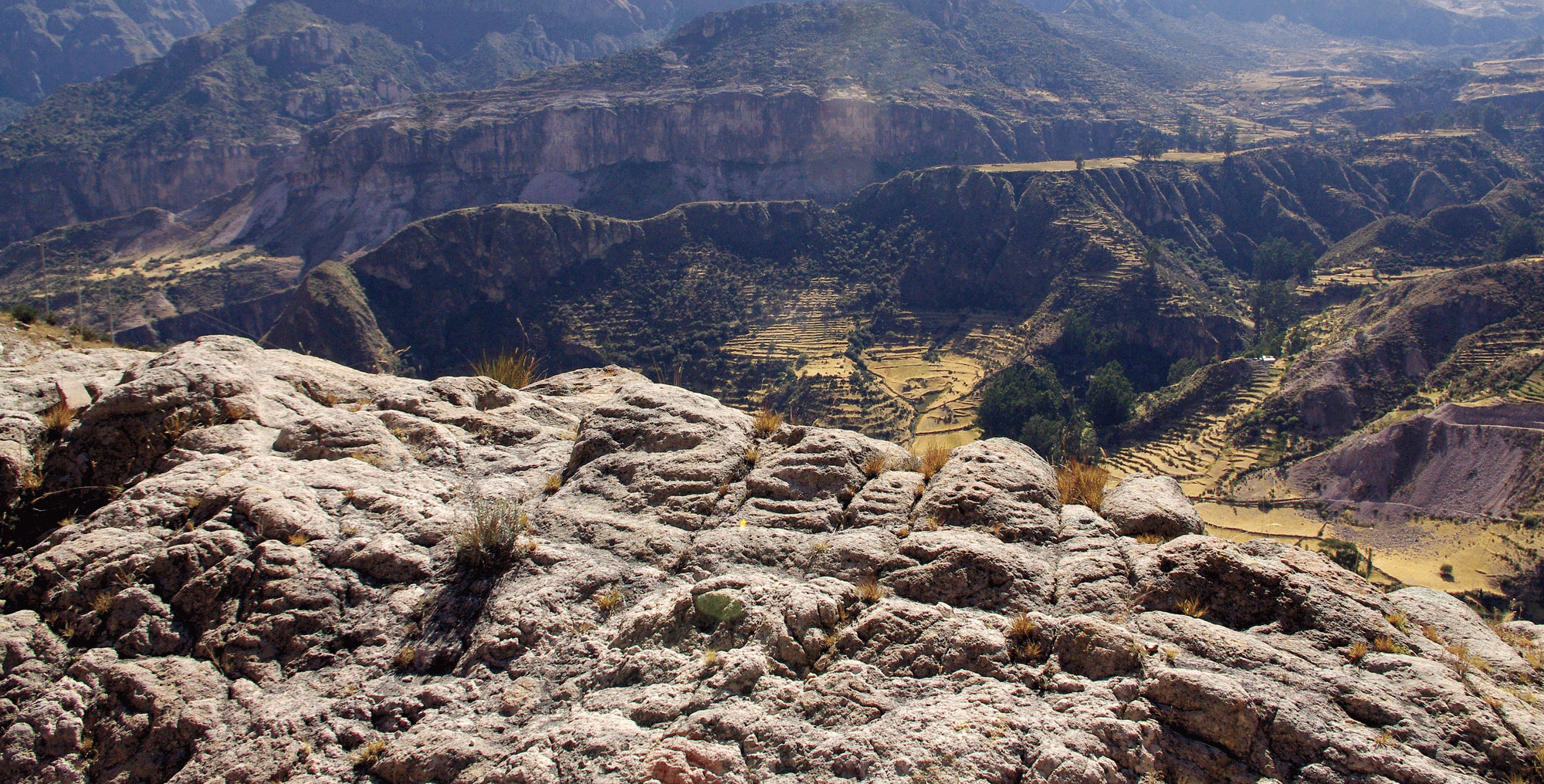 Courtesy Patricia Aparicio Martínez
-
Features September/October 2026
Where Was Ancient Egypt Born?
Archaeologists are reimagining a time before the first pharaohs
 Courtesy Robert Słaboński/Tell el-Farkha Expedition
-
Features September/October 2026
2,000 Years Under the Sea
The story of Greece’s famed Antikythera wreck is finally being revealed
 © ESAG/UNIGE