
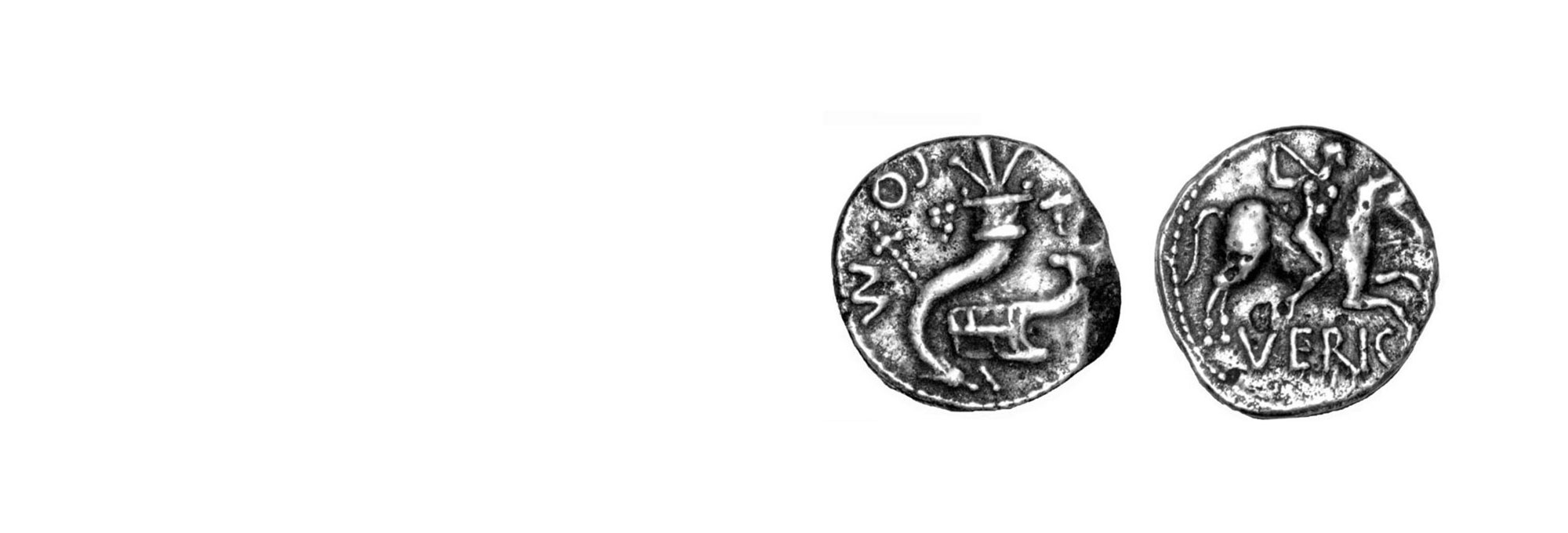
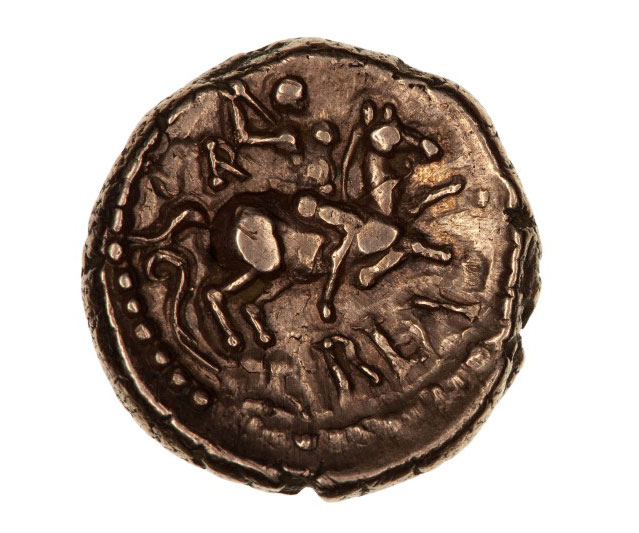
BOURNEMOUTH, ENGLAND—According to a statement released by Bournemouth University, Iron Age British ruler Verica was actually female and not male, contrary to long-held assumptions. Verica ruled the Celtic tribe called the Atrebates in the first century A.D. and was a central figure in the Roman invasion of Britain. After she was ousted from power in A.D. 40, she fled to the Roman emperor Claudius and convinced him to invade the island three years later. The new research was led by Bournemouth archaeologist Miles Russell, who said that the patriarchal mindset of nineteenth-century classical historians is largely to blame for the confusion over Verica’s gender. He argues that like other British female leaders of the time, Boudicca and Cartimandua, her name ends in an “a.” Scholars have also assumed Verica was male because of the term rex, Latin for “king,” that appears on her coins. However, Russell contends that the title is not gender-specific and was even used by Cleopatra. Furthermore, the iconography on her coins further strengthens the new theory. “Whilst other coin producing British Iron Age leaders portray obviously male warriors, Verica is depicted as a slender, feminine, bare-breasted figure riding on horseback,” Russell said. “We should take the archaeological evidence at face value and remember Verica as a female-king and one of the earliest and most important of British female leaders.” To read about another female Celtic ruler, go to “Lost Tombs: Boudicca, Queen of the Iceni.”