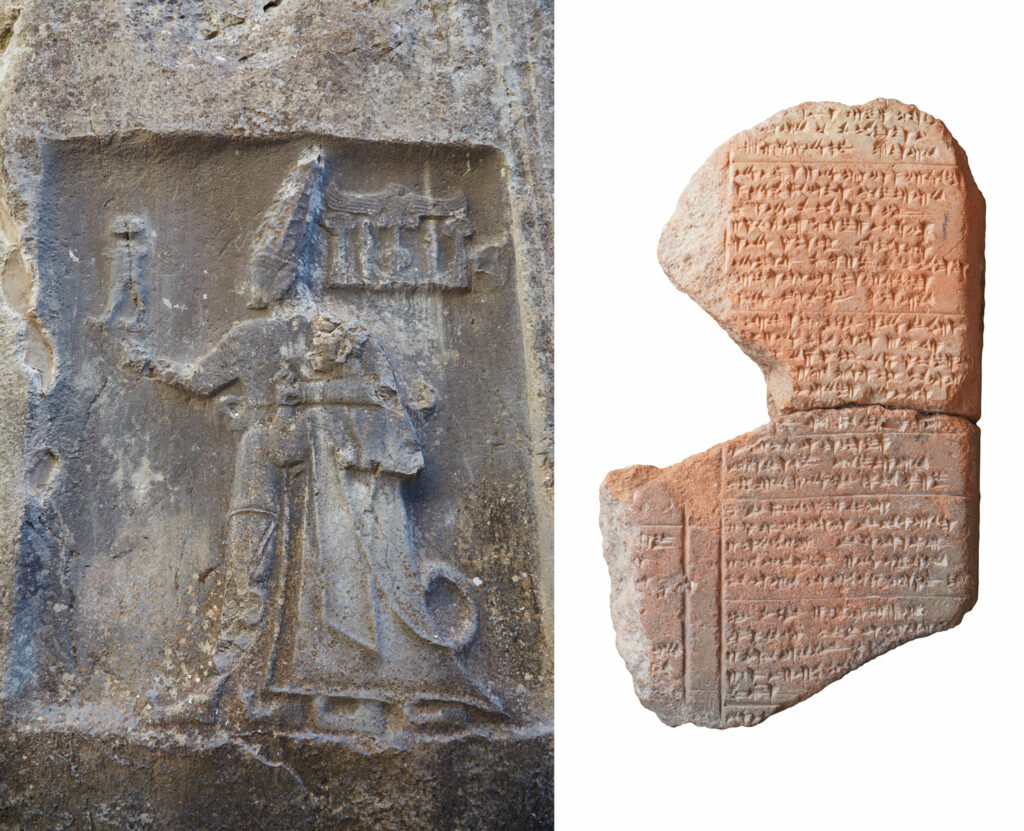
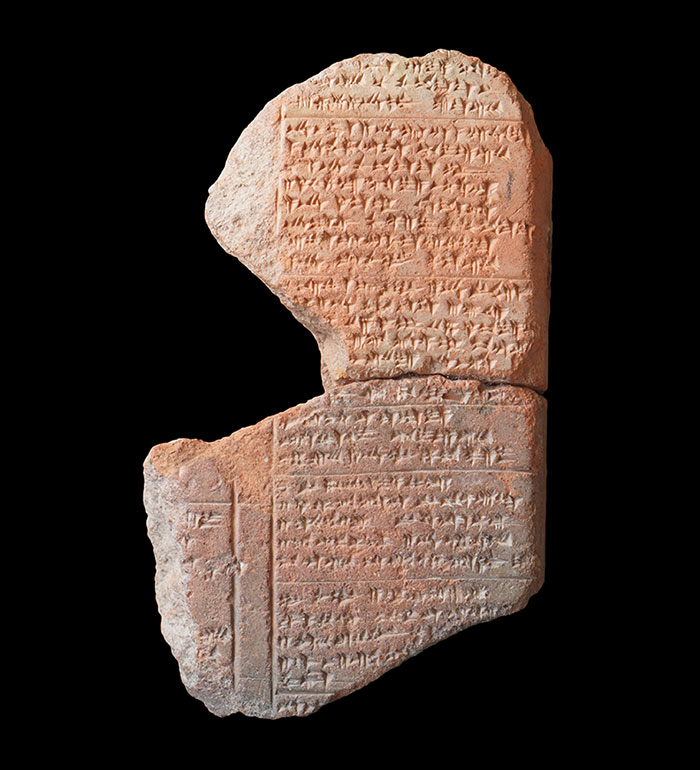
More than 10,000 cuneiform tablets discovered in the archives of the Bronze Age city of Hattusha in Anatolia contain detailed instructions on how to properly conduct over 100 different festivals honoring the gods. Hattusha, the capital of the Hittites, whose empire flourished from around 1680 to 1200 b.c., was the nexus of these celebrations, but the Hittite king also traveled throughout his realm to oversee festivals in other cities. (See “The Home of the Weather God.”) One of these celebrations has particularly intrigued Hittitologists because of its enigmatic name. Known as the Nuntarriyasha, or the Festival of Haste, it was held in the autumn, after the king returned from his summer military campaigns. Some scholars have assumed the Nuntarriyasha was a large-scale festival honoring the king’s latest victories, or that it was simply another holiday in the crowded Hittite religious calendar. But the festival’s curious name has continued to confound them.
Hittitologist Adam Kryszeń of the University of Warsaw has proposed a new interpretation of the Nuntarriyasha. He believes it was a key ritual that, rather than celebrating martial glory, served a more practical purpose. “Astonishingly, the tablets never mention the distribution of war spoils that would suggest the festival was an act of thanksgiving for the king’s successful conquests,” says Kryszeń. He noticed that many tablets describing the Nuntarriyasha seem to repeat the details of other, less prominent autumn celebrations. “I believe this was a kind of emergency festival,” Kryszeń says. “If the king arrived late from campaigning, he had to observe all the autumn rituals in one go during a single megafestival before the winter set in.” The Nuntarriyasha may have been a whirlwind jamboree that allowed the Hittite king to meet his obligations to the gods in a matter of days instead of throughout the whole festival season.