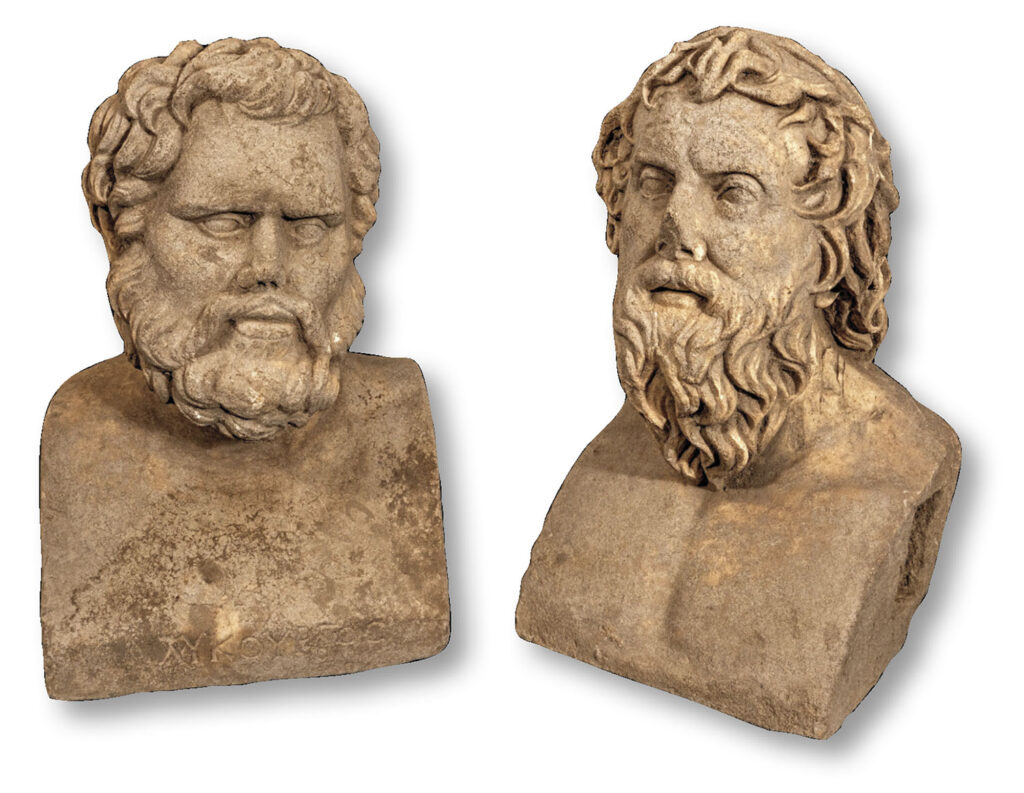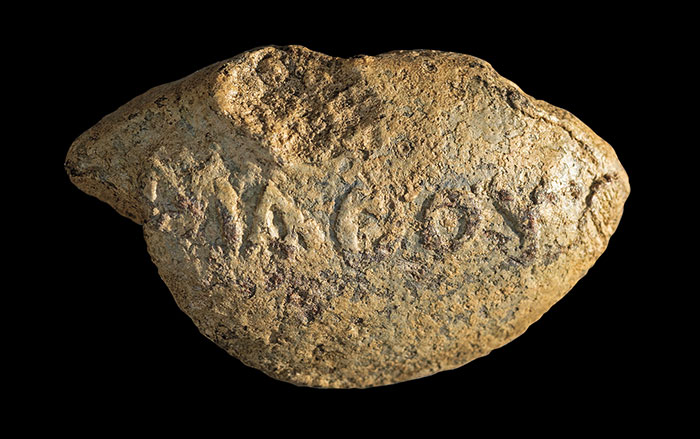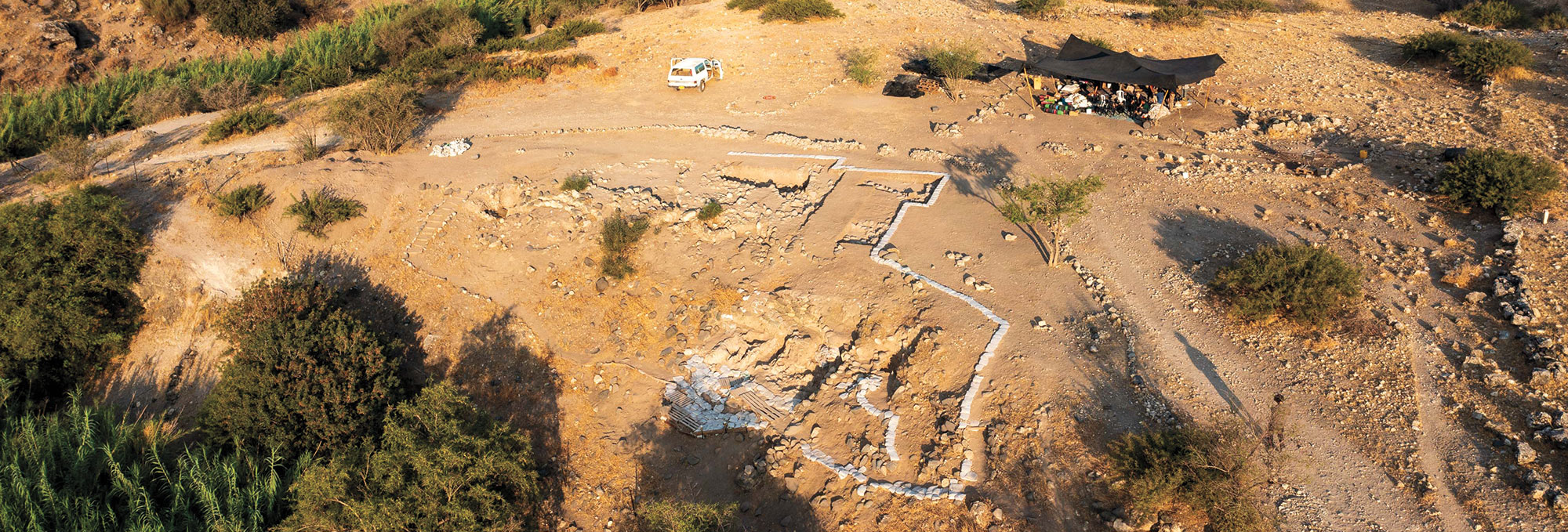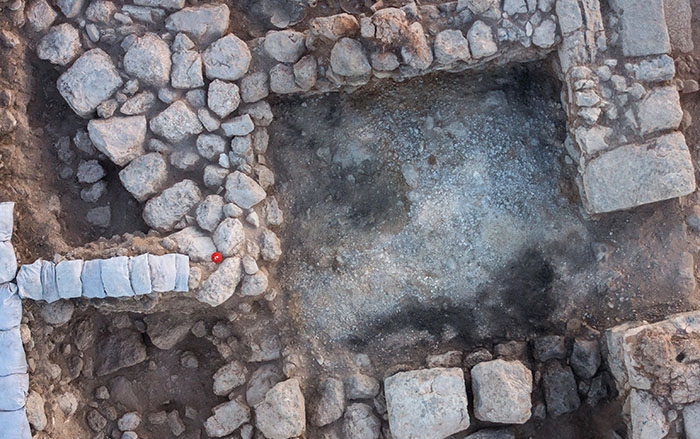
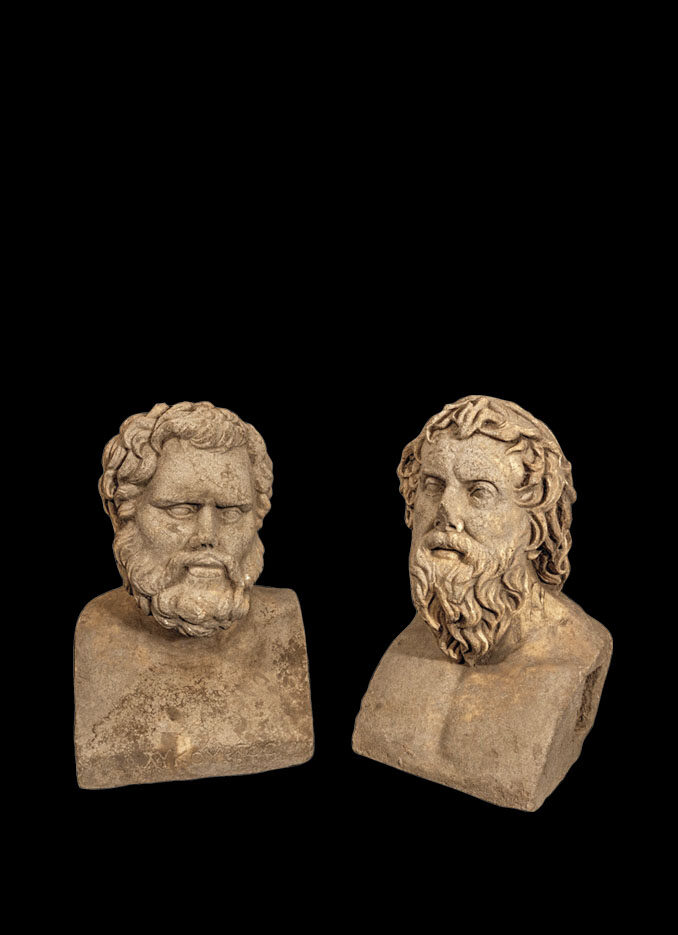
Each year, vineyards in the fertile land surrounding the modern town of Binyamina in northern Israel produce nearly four million bottles of wine. In antiquity, too, vintners cultivated grapes in the region. In a pit used to collect wine from a press some 1,500 years ago, during the Byzantine era, archaeologists made an unexpected discovery. Instead of the fruit of the vine, they found a pair of extremely well-preserved marble busts lying face down. The statues, each of which measures nearly two feet tall and weighs about 130 pounds, are several centuries older than the winepress. One statue bears an inscription reading LYCURGUS, perhaps referring to the legendary ninth- or eighth-century b.c. founder of the Greek city-state of Sparta, or to the fourth-century b.c. Greek statesman and orator of the same name. The other statue has no identifying inscription.
Archaeologists are unsure where the statues were originally on display, though they note that sculptures of this kind were generally featured in prestigious settings. “They may have been displayed in a private villa, a garden, a bathhouse, or possibly a public building,” says Israel Antiquities Authority (IAA) archaeologist Eliran Oren. “In such contexts, statues could have served not only as decoration, but also as expressions of status, education, and cultural identity.” Scholars are also uncertain why the artworks were buried in the collection pit. “This is one of the questions that interests us most,” says archaeologist Avishag Reiss, also of the IAA. “It seems possible that they were placed there deliberately, perhaps when the winepress was no longer in use. They may have been hidden, stored, or discarded there, but at this stage these are only possibilities.”