INDIA

Around the World January 1, 2011

Many studies have looked at bioturbation—how plants and animals alter archaeological sites—but rarely in ground saturated by monsoons.
SHARE:
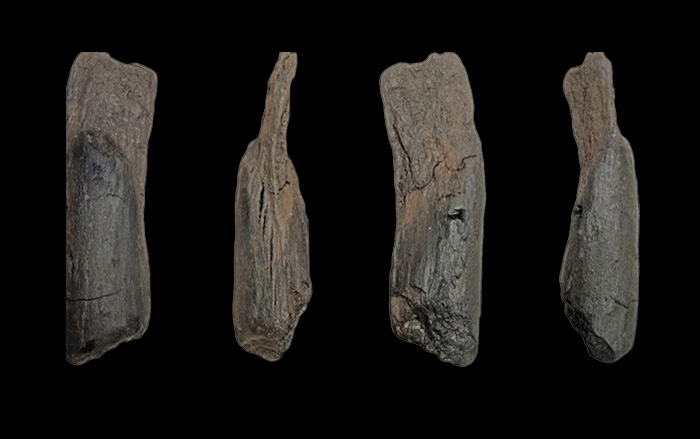
(Courtesy Metin Eren, Southern Methodist University; and Christina Neudorf, University of Wollongong)

INDIA: Many studies have looked at bioturbation—how plants and animals alter archaeological sites—but rarely in ground saturated by monsoons. Researchers working on Paleolithic sites noticed that water buffalo leave deep, lasting footprints in mud. So they set up an experiment, creating and placing their own stone tools, wetting the ground, and leading buffalo across it. They found the hooves could push artifacts down by eight inches—thousands of years in the archaeological record in some places—and noted patterns that can help determine if other sites have been disturbed by lumbering bovines.
  • Features March/April 2026

    Pompeii's House of Dionysian Delights

    Vivid frescoes in an opulent dining room celebrate the wild rites of the wine god

    Read Article
    Frescoed panels in the House of the Thiasus portray a satyr (left) and a woman (right)
    Courtesy Archaeological Park of Pompeii
  • Features March/April 2026

    Return to Serpent Mountain

    Discovering the true origins of an enigmatic mile-long pattern in Peru’s coastal desert

    Read Article
    Courtesy J.L. Bongers
  • Features March/April 2026

    What Happened in Goyet Cave?

    New analysis of Neanderthal remains reveals surprisingly grim secrets

    Read Article
    The Third Cave, one of the galleries in a cave system in central Belgium known as the Goyet Caves
    IRSNB/RBINSL
  • Features January/February 2026

    Top 10 Discoveries of 2025

    ARCHAEOLOGY magazine’s editors reveal the year’s most exciting finds

    Read Article
    Courtesy of the Caracol Archaeological Project, University of Houston